New research questions whether memory reliably reflects reality.
NPL, the UK’s National Metrology Institute (NMI), plays a central role in providing accurate and trusted measurement across emerging technology. Within its Institute for Quantum Standards and Technology (IQST), the team is developing methods to characterize and calibrate quantum devices, particularly quantum computing.
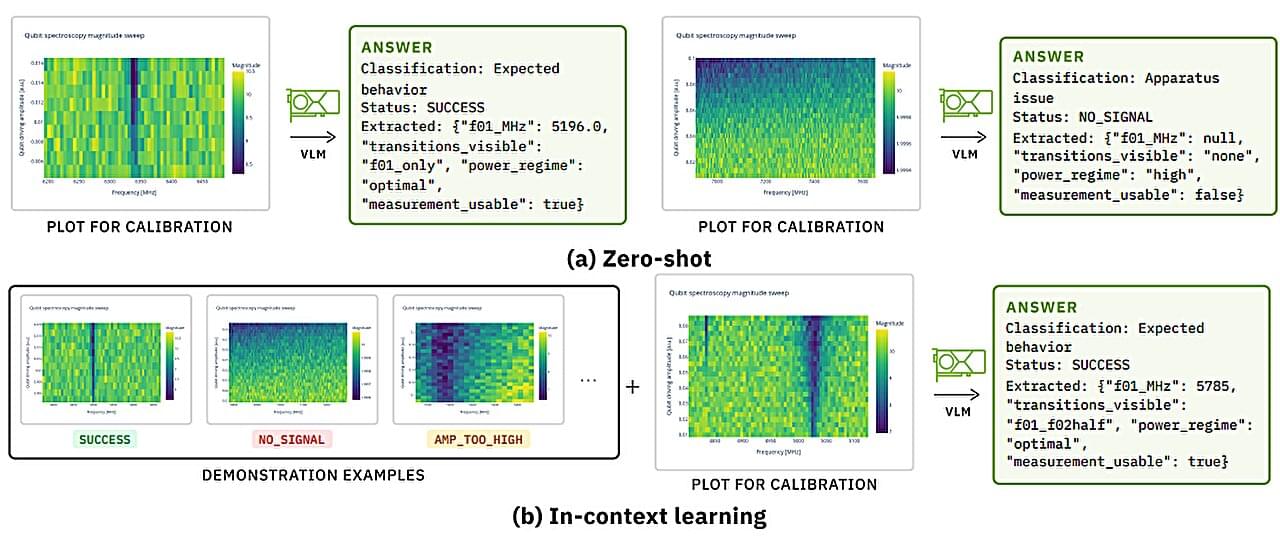
As part of a new collaboration, NPL is integrating NVIDIA’s Ising AI tools into its quantum measurement systems to automate key calibration tasks. This approach will help address one of the major challenges facing quantum computing: the need to manage large numbers of qubits, each affected by multiple sources of noise and instability.
Qubit performance is commonly assessed using metrics such as the qubit relaxation time, usually referred to as T1 time, which is a metric for the timescale at which a qubit decays from its excited state to the ground state. These values can fluctuate or drift due to interactions with the environment, requiring frequent checks to ensure reliable operation. Traditionally, such checks are carried out manually by experts.
Interstellar comet 3I/ATLAS is now on its way out of our solar system, never to return. The comet was only the third-ever detected object to originate from outside our solar system. Traveling at high speeds, it looped around the sun within 1.5 AU (one AU, or astronomical unit, is the distance between Earth and the sun) in October 2025; as of April, it is now past the orbit of Jupiter on its way out of the solar system.
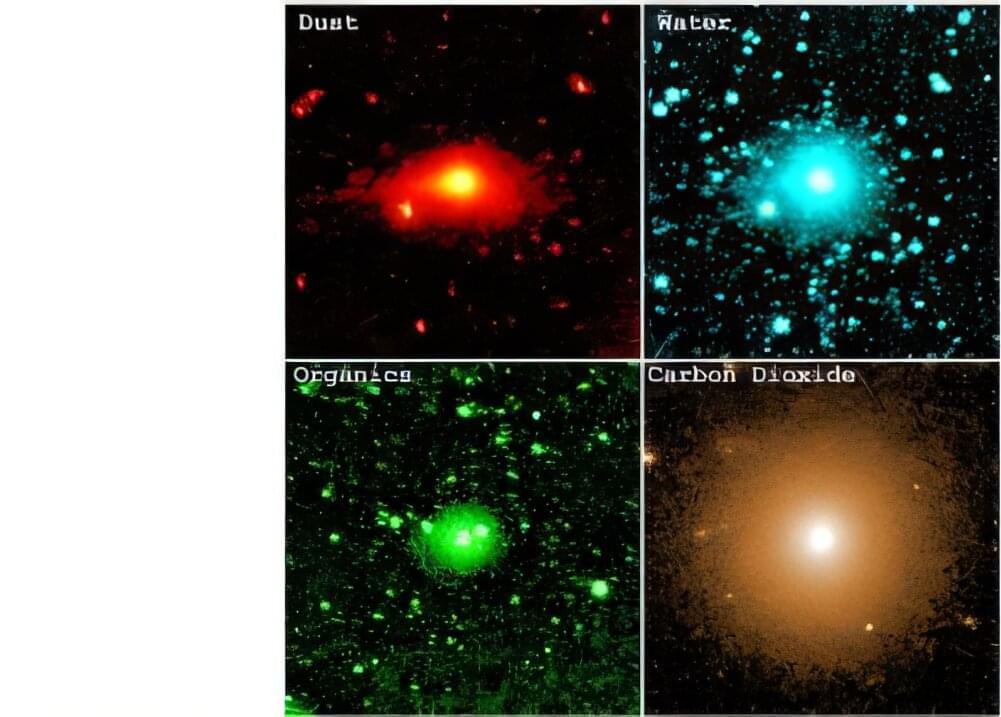
3I/ATLAS is over a kilometer wide and is made up of dust and ices from the far-off planetary system where it originated. Using the advanced instrumentation of the James Webb Space Telescope (JWST), Caltech researchers examined the mid-infrared signatures (wavelengths of light 10 times longer than those humans see) that emitted from 3I/ATLAS as it approached the sun in an effort to understand the distant environment in which the comet formed. The paper is published in The Astrophysical Journal Letters.
“It’s a very interesting object,” says Caltech graduate student Matthew Belyakov, lead author on the new paper. “It has been traveling through the galaxy for at least a billion years. The high speed at which it flew past us gave just a narrow window to study it.”
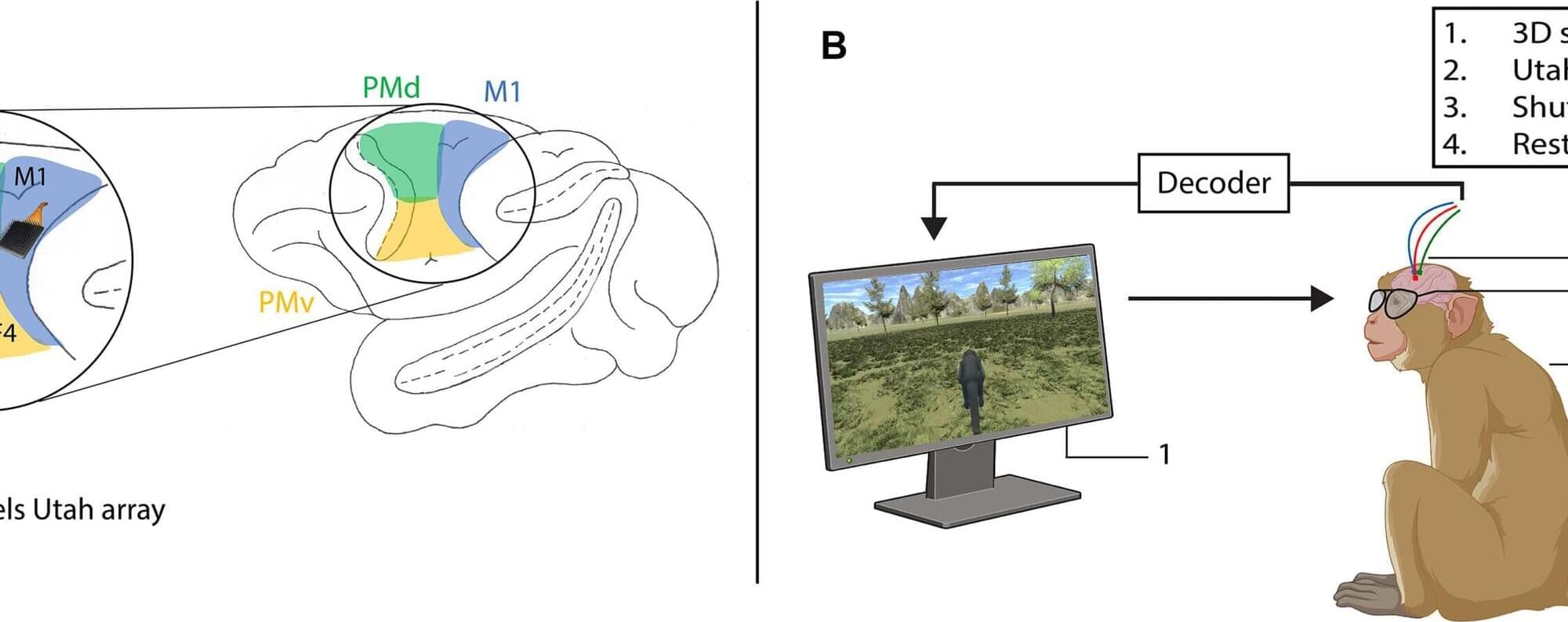
As a part of a study testing out a new type of implanted brain-computer interface (BCI), three rhesus monkeys controlled movements in a virtual reality (VR) world using only brain signals. The study, published in Science Advances, demonstrates a major step toward practical BCIs that can work outside of lab conditions.
BCIs allow direct communication between the brain and external devices, like a computer or robotic arm. This ability is thought to be extremely valuable for helping people suffering from paralysis to move objects, communicate or complete other tasks. However, there is a gap between lab-based BCI demonstrations and practical, flexible systems for real-world usage.
Previous research has explored intracortical BCIs—those implanted directly into the brain—in monkeys and humans, enabling them to control computer cursors, robotic or prosthetic arms and wheelchairs. Others have restored communication and the function of paralyzed limbs. However, real-world navigation requires adapting to unpredictable events and complex environments, which previous BCIs have struggled with, often requiring overt movement or only working in overly simple settings.
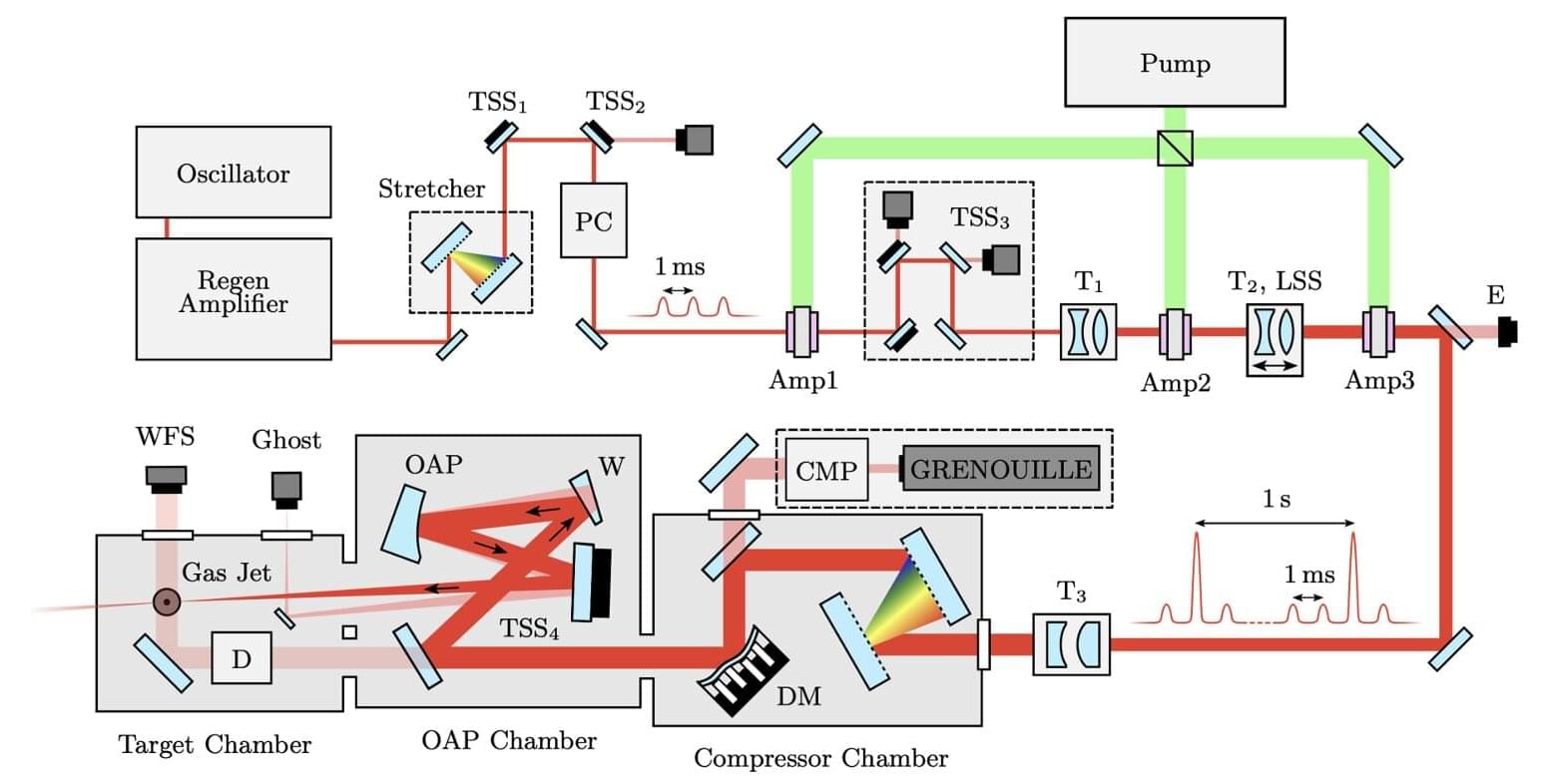
For the first time, researchers have demonstrated that a laser-plasma accelerator can reliably drive a free-electron laser for more than eight hours. Published in Physical Review Accelerators and Beams, the result was achieved by a team led by Finn Kohrell at Lawrence Berkeley National Laboratory, in collaboration with Texas-based company Tau Systems—and could soon make the technology vastly more accessible for a broad range of applications in industry and research.
Free-electron lasers (FELs) generate intense, coherent pulses of light, most often in the ultraviolet to X-ray range. This involves sending high-energy electron bunches through an undulator: a device that alternates a magnetic field to accelerate electrons back and forth, causing them to emit increasingly bright and coherent radiation.
By harnessing this radiation as laser light, researchers can probe matter at the atomic scale and capture ultrafast processes in real time, making it invaluable to a vast array of applications.