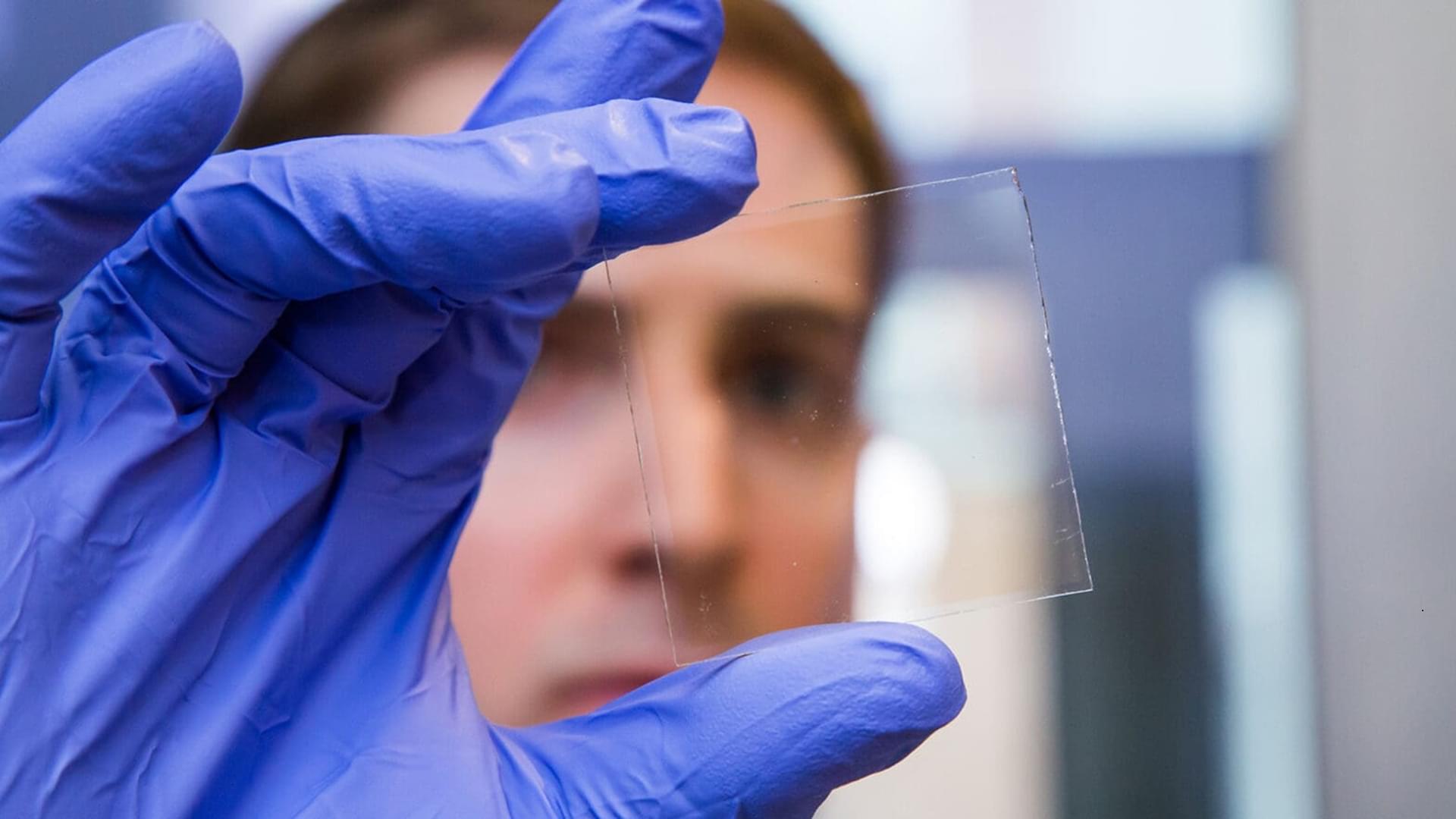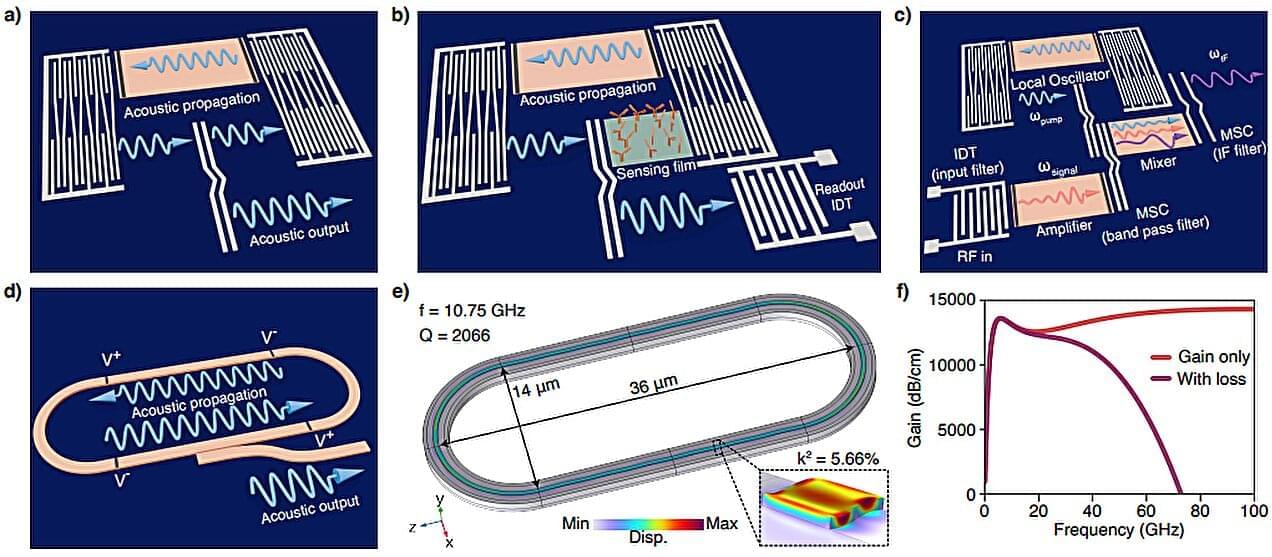
A team of engineers has made major strides in generating the tiniest earthquakes imaginable. The team’s device, known as a surface acoustic wave phonon laser, could one day help scientists make more sophisticated versions of chips in cellphones and other wireless devices—potentially making those tools smaller, faster and more efficient.
The study was conducted by Matt Eichenfield, an incoming faculty member at the University of Colorado Boulder, and scientists from the University of Arizona and Sandia National Laboratories. The researchers published their findings in the journal Nature.
The new technology utilizes a phenomenon known as surface acoustic waves, or SAWs act a little like soundwaves, but, as their name suggests, they travel only on the top layer of a material.