Toggle light / dark theme

Get the latest international news and world events from around the world.

Log in for authorized contributors

Biomarkers could help identify ICU patients at risk of chronic critical illness

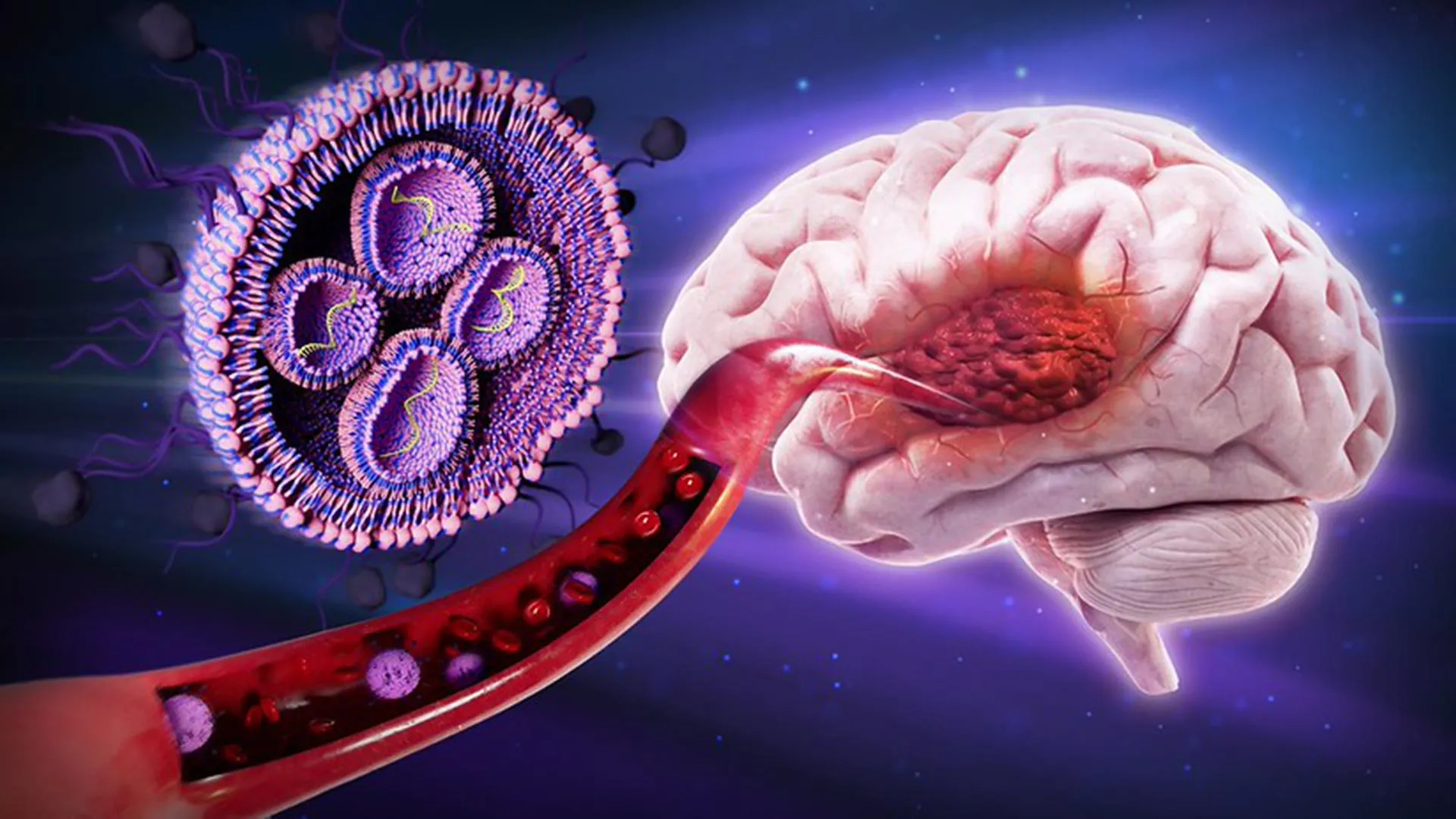
New research, published in The Journal of Immunology, identifies biomarkers of a distinct immune profile that could be used to identify patients at risk for chronic critical illness (CCI) on admission to the intensive care unit (ICU) after traumatic injury. Identifying which patients are at increased risk for CCI could allow doctors to intervene earlier, leading to shorter ICU stays and improved patient outcomes.

“Our findings are highly novel, challenging what scientists have long thought about the immune changes that cause organ dysfunction and mortality in severely injured trauma patients. Rather than the immune system being exhausted, our data show overactivity and dysfunction,” said Dr. Scott Brakenridge, professor of surgery at the University of Washington and senior author of the study.

Severe traumatic injury, such as from a car crash or fall, causes changes to the immune system that can lead to immune and organ dysfunction, as well as recurrent infections. Researchers have long thought this was due to a deficiency in an immune signal, or cytokine, called interferon-gamma (IFN which regulates immune responses.

Misinformation exploits outrage to spread online

We tested a hypothesis that misinformation exploits outrage to spread online, examining generalizability across multiple platforms, time periods, and classifications of misinformation. Outrage is highly engaging and need not be accurate to achieve its communicative goals, making it an attractive signal to embed in misinformation. In eight studies that used US data from Facebook (1,063,298 links) and Twitter (44,529 tweets, 24,007 users) and two behavioral experiments (1475 participants), we show that (i) misinformation sources evoke more outrage than do trustworthy sources; (ii) outrage facilitates the sharing of misinformation at least as strongly as sharing of trustworthy news; and (iii) users are more willing to share outrage-evoking misinformation without reading it first.

AARS1 promotes tumor progression and immune evasion via ATF6 lactylation-mediated tryptophan metabolism in hepatocellular carcinoma

Wang et al. identify a metabolic-immune feedback circuit in hepatocellular carcinoma, in which tumor cell-intrinsic AARS1-mediated ATF6 lactylation activates the TDO2-kynurenine axis to promote Treg differentiation and immunosuppression, while Treg-derived eNAMPT enhances tumor glycolysis and lactate production, revealing a therapeutic vulnerability to AARS1 inhibition combined with PD-1/PD-L1 blockade.

Global density and biomass of arbuscular mycorrhizal fungal networks

Arbuscular mycorrhizal fungi form symbioses with ~70% of plant species, building hyphal networks that exchange nutrients for host-derived carbon. These tubular networks move ~1 billion metric tons of carbon per year into Earth’s soils. However, we have no quantitative understanding of the hyphal infrastructure required to carry out this resource transfer. We assembled data from 322 studies representing more than 16,000 soil cores across nine biomes and developed machine-learning models to predict hyphal densities globally. With robotic imaging of more than 300,000 hyphae, we calibrated a biomass model from our spatial predictions. We estimate that global topsoils contain 1.10 × 10¹⁷ ± 0.13 × 10¹⁷ SD kilometers of living hyphae, weighing ~300 ± 60 SD megatons, ~4-to 6-fold the biomass of humans.

Method for stress-testing cloud computing algorithms helps avoid network failures

This new approach can identify worse-case scenarios that an engineer might miss if they use a traditional method that compares an algorithm against a set of human-designed past test cases. It is also less labor-intensive than other verification tools that require engineers to rewrite an algorithm in a complex mathematical code each time they want to test it.

Instead of needing a mathematical reformulation, the new method reads the algorithm’s source code directly and automatically searches for worse-case scenarios that lead to the highest level of underperformance.

By helping engineers quickly and easily stress-test a networking algorithm before deployment, the method could catch failure modes that might otherwise only appear in a real outage. The technique could also be used to analyze the risks of deploying AI-generated code.

/* */