The material might just revolutionize modern manufacturing.


David Deutsch didn’t just contribute to the field of quantum computing—he redefined what computation *is*, bridging the gap between physics and information in a way no one had before. By theorizing the universal quantum computer, Deutsch opened the door to possibilities previously confined to science fiction, forever altering our understanding of reality and the limits of what machines can achieve.
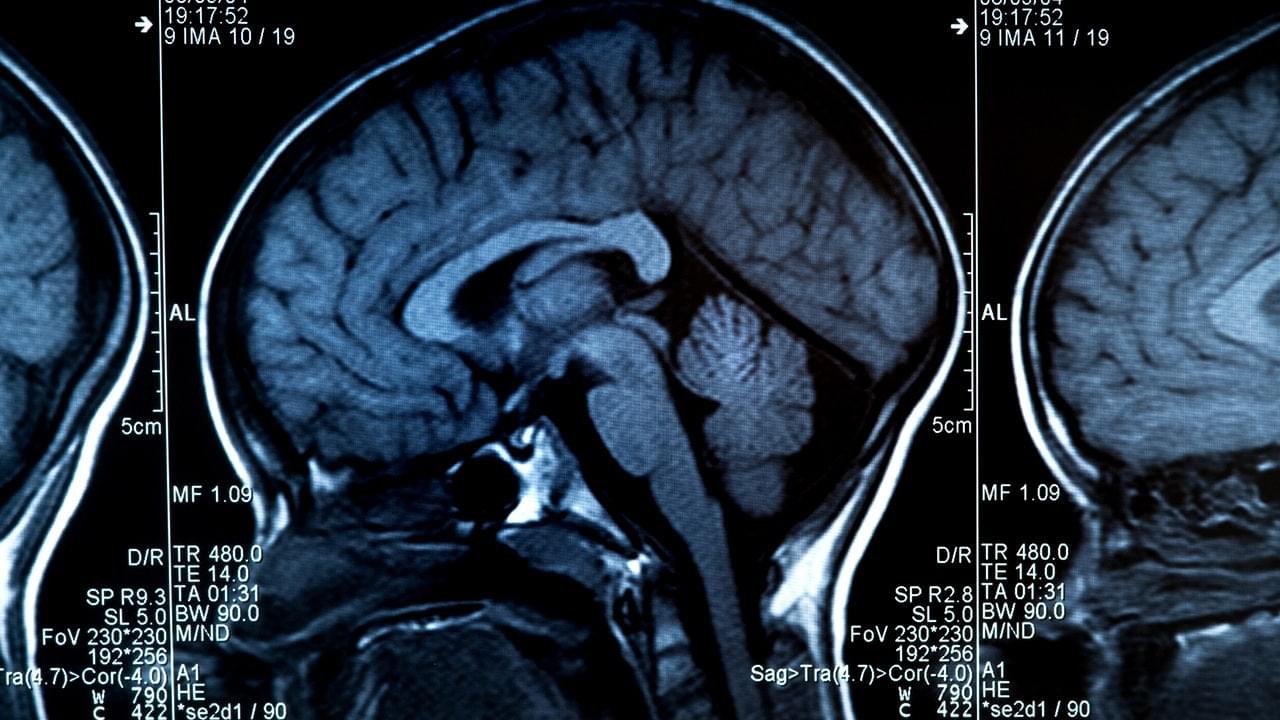

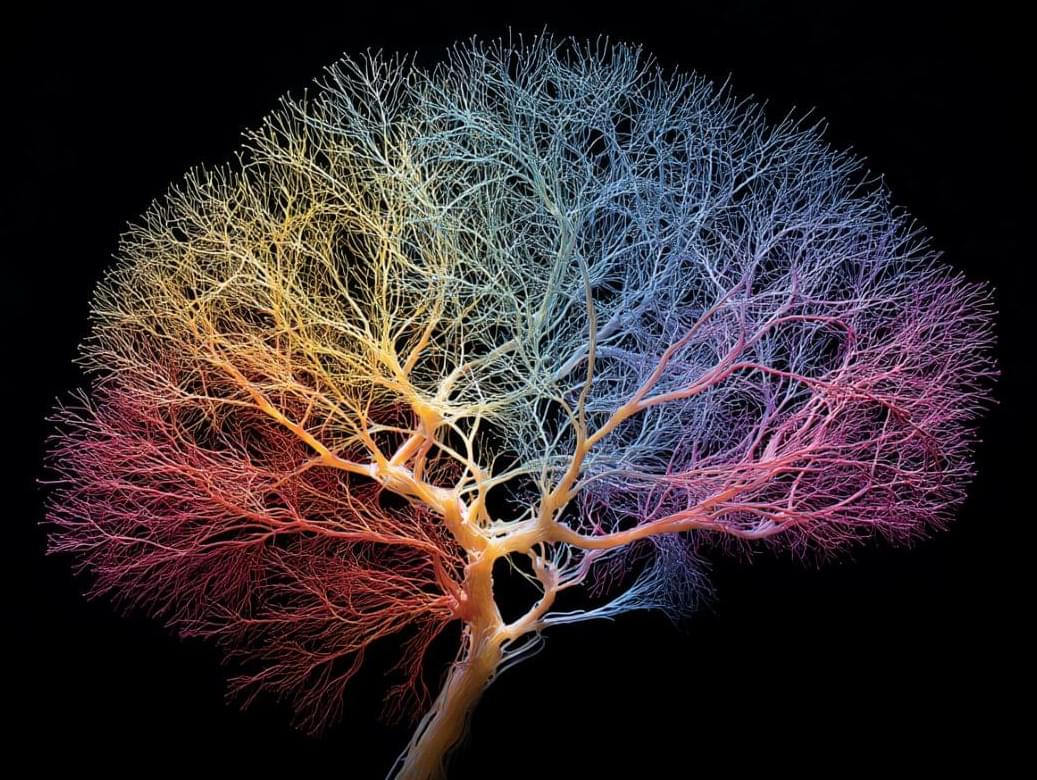
Cerebral sulci and fissures are grooves between the adjacent gyri on the surface of the cerebral hemispheres. By allowing the cortex to invaginate to form sulci and gyri the surface area of the cortex is The result is that the surface area of the human cortex is 2,200 cm2, only a third of which can be seen on the surface 4.
Gyri and sulci vary slightly in their dimensions and morphology between individuals or even between hemispheres. Some may not be present in a number of individuals and others deep enough to produce elevations on the surface of the ventricles (e.g. collateral sulcus, calcarine sulcus/calcar avis) 4. However, these variations are generally of no functional significance. In contrast, disorders of cortical formation can be associated with numerous and significant neurological symptoms and deficits.
Radiopedia:.
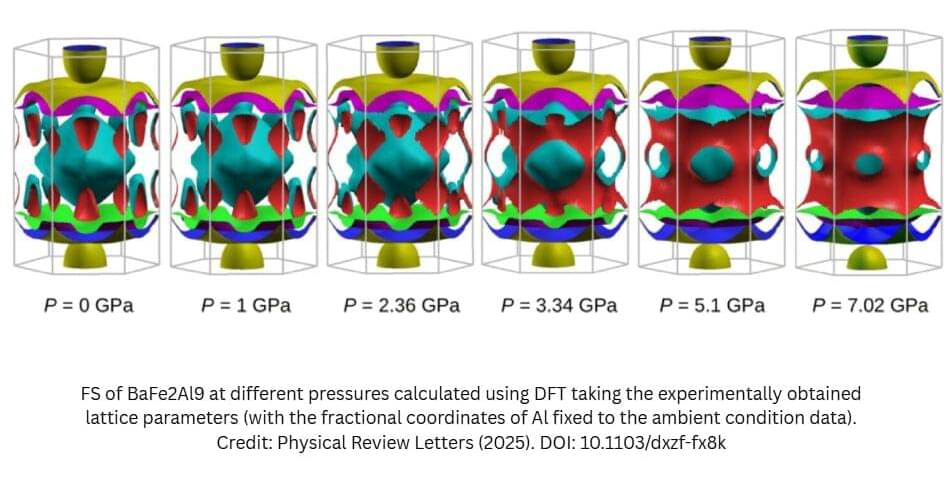
Scientists have discovered a way to efficiently transfer electrical current through specific materials at room temperature, a finding that could revolutionize superconductivity and reshape energy preservation and generation.
The paper is published in the journal Physical Review Letters.
The much-sought-after breakthrough hinges on applying high pressure to certain materials, forcing their electrons closer together and unlocking extraordinary electronic behaviors.
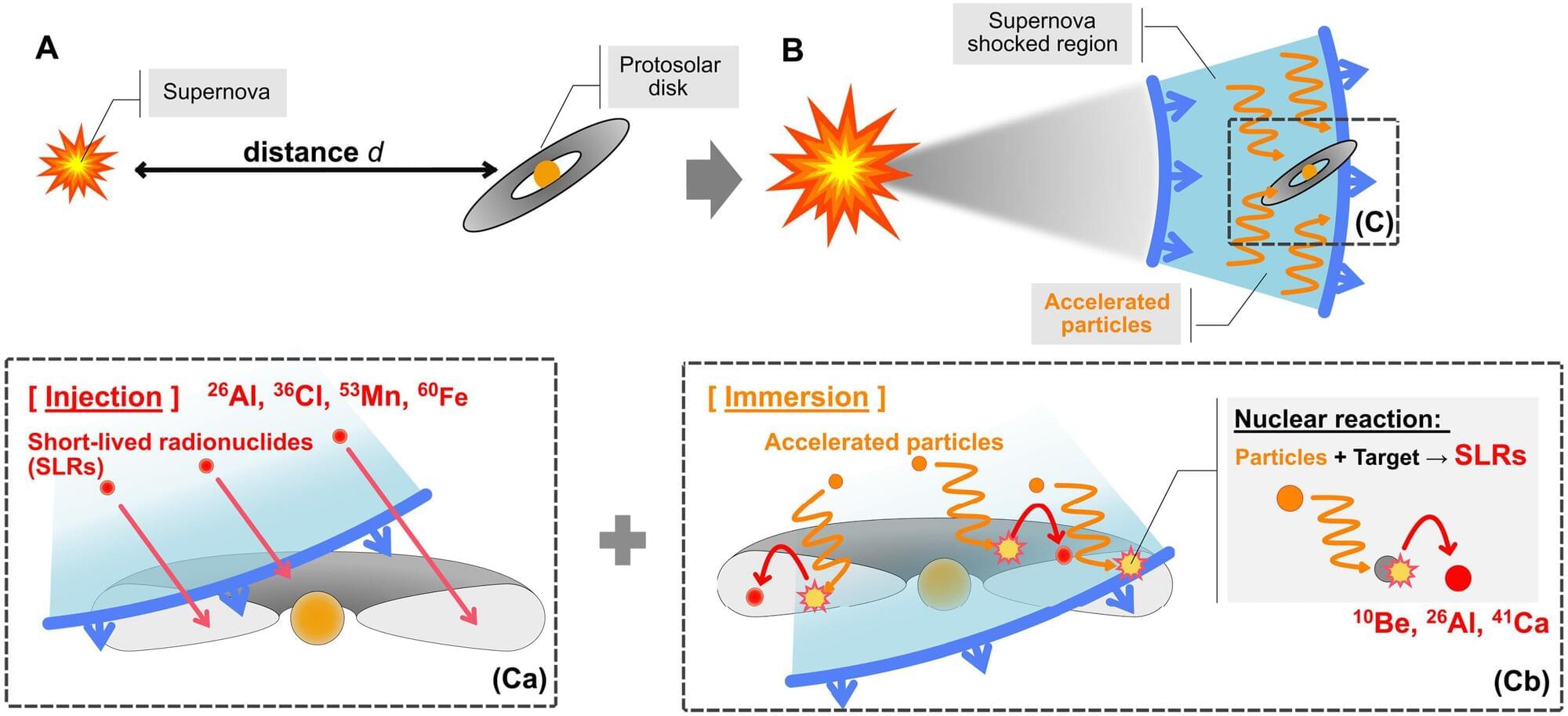
Rocky planets like our Earth may be far more common than previously thought, according to new research published in the journal Science Advances. It suggests that when our solar system formed, a nearby supernova (the massive explosion of a star near the end of its life) bathed it in cosmic rays containing the radioactive ingredients to make rocky, dry worlds. This mechanism could be ubiquitous across the galaxy.
Earth-like planets are thought to form from planetesimals (objects made of rock and ice) that were dried out early in the solar system’s history. This process required a lot of heat, which came primarily from the radioactive decay of short-lived radionuclides (SLRs), such as aluminum-26. Previous analysis of meteorites, which are ancient records of the early solar system, confirmed the abundance of SLRs at this time.
Flaws in previous models However, models that explain supernovae as the sole source of these SLRs cannot accurately match the quantity of the nucleotides found in meteorites. To deliver enough radioactive material, the supernova would have to be so close to the early solar system that it would have destroyed the disk of dust and gas where the planets were forming.
Professor John Donoghue explains why quantum physics and gravity actually work perfectly together. He tackles quadratic gravity, effective field theory, and random dynamics, arguing that grand unification and naturalness aren’t required for a theory of everything.
As a listener of TOE you can get a special 20% off discount to The Economist and all it has to offer! Visit https://www.economist.com/toe.
SUPPORT:
Support me on Substack: https://curtjaimungal.substack.com/su…
JOIN MY SUBSTACK (Personal Writings): https://curtjaimungal.substack.com LISTEN ON SPOTIFY: https://open.spotify.com/show/4gL14b9… TIMESTAMPS:
LINKS MENTIONED:
SOCIALS:
Guests do not pay to appear. Theories of Everything receives revenue solely from viewer donations, platform ads, and clearly labelled sponsors; no guest or associated entity has ever given compensation, directly or through intermediaries. #science.
Support me on Crypto: https://commerce.coinbase.com/checkou…
Support me on PayPal: https://www.paypal.com/donate?hosted_…
JOIN MY SUBSTACK (Personal Writings): https://curtjaimungal.substack.com.
LISTEN ON SPOTIFY: https://open.spotify.com/show/4gL14b9…
TIMESTAMPS: