Toggle light / dark theme

Gentle implant can illuminate, listen and deliver medication to the brain

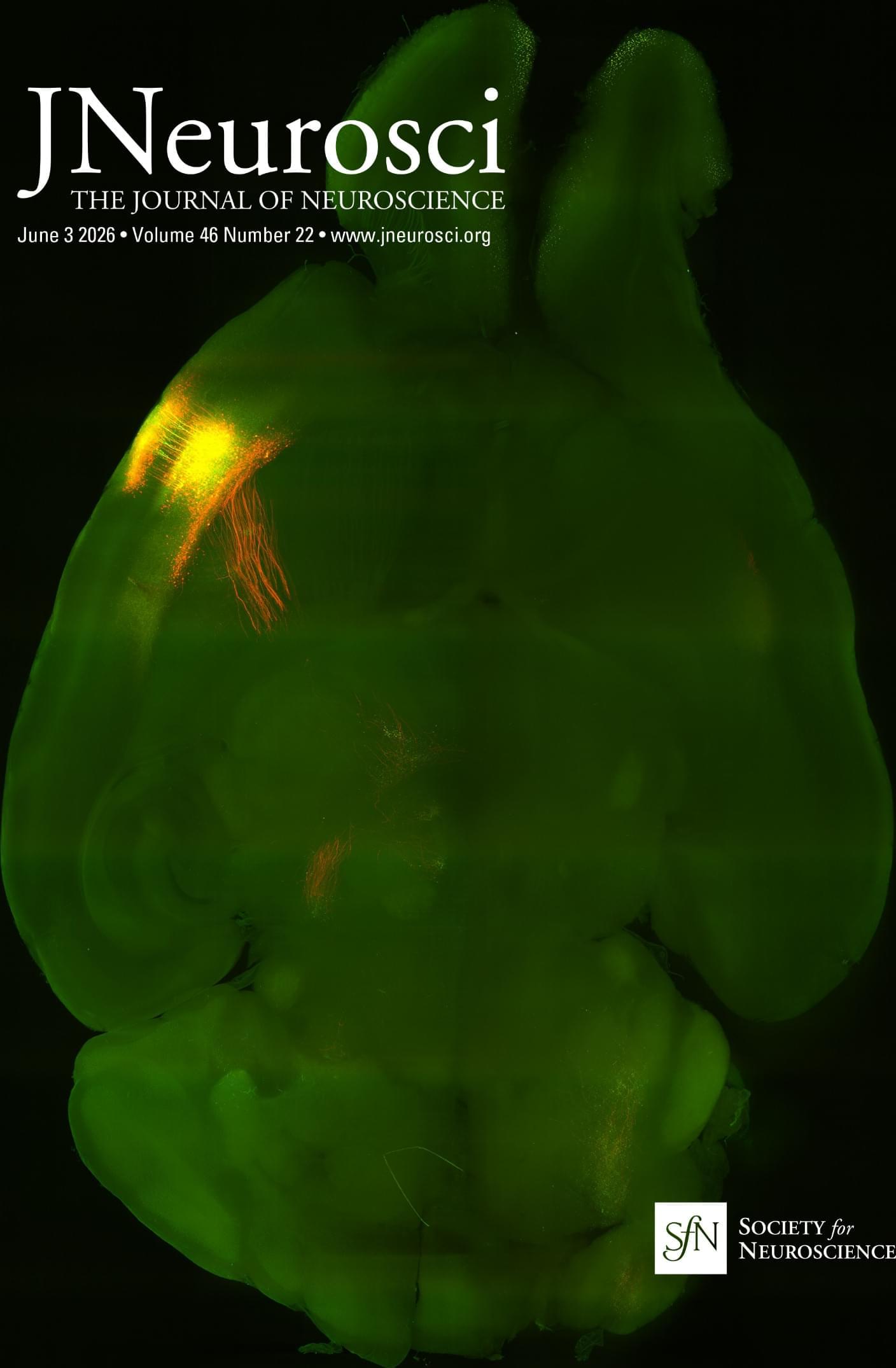
A new type of brain implant may have implications for both brain research and future treatments of neurological diseases such as epilepsy. Researchers from DTU, the University of Copenhagen, University College London, and other institutions have developed a long, needle-thin brain electrode with channels—a so-called microfluidic Axialtrode (mAxialtrode), named for its ability to distribute functional interfaces along the length of the implant, enabling both neural signal recording and precisely targeted medication delivery across different brain regions. The research results have been published in Advanced Science.

The technology has primarily been developed for basic research into the brain. It can help researchers better understand how signals move across brain layers, for example in epilepsy, memory, or decision-making. In the longer term, the researchers point out that the mAxialtrode may be important for treatment—for example, in targeted drug delivery combined with electrical or light-based stimulation of specific areas of the brain.

Postdoc Kunyang Sui, who led the development of the mAxialtrode concept together with Associate Professor Christos Markos, emphasizes that it has made it possible to combine several functions in a single implant which makes brain research less invasive and more precise.

Nanoengineered extrusion-aligned tract bioprinting enables functional repair of spinal cord injuries

Gu et al. present NEAT, a nanoengineered extrusion-aligned tract bioprinting strategy that fabricates aligned, human neural stem cell-laden collagen hydrogel constructs through shear-induced fibrillar organization. In a rat model of complete spinal cord transection, NEAT enables axonal reconnection and functional locomotor recovery, demonstrating its translational potential for spinal cord repair and neural tissue engineering.

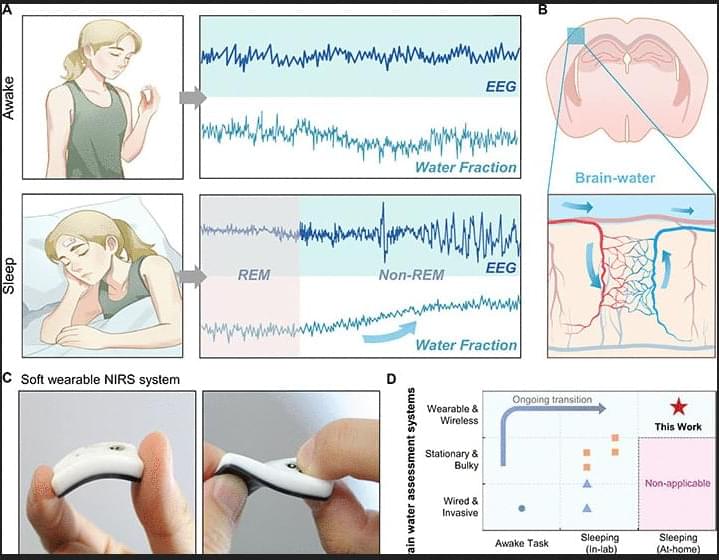
Sleep disruption damages gut’s self-repair ability via stress signals from brain: A biological chain reaction

Chronic sleep disruption doesn’t just leave people tired and irritable. It may quietly undermine the gut’s ability to repair itself, increasing vulnerability to serious digestive diseases. A new study from the University of California, Irvine, the University of Chinese Academy of Sciences and the China Agricultural University reveals, step by step, how disturbed sleep causes the brain to send harmful signals to the intestines, ultimately damaging the stem cells responsible for maintaining a healthy gut lining.

The research uncovers a previously unknown biological chain reaction linking the brain’s sleep center to intestinal health. The findings are published in Cell Stem Cell and offer new insight into why people with chronic sleep problems are more likely to develop gastrointestinal disorders such as inflammatory bowel disease, diabetes-related gut complications and chronic inflammation.

Physicians have long known that irregular or insufficient sleep is associated with a wide range of health problems, from mood disorders to high blood pressure. Yet how changes in sleep can directly harm organs that do not sleep themselves, such as the intestines, has remained largely elusive. This study answers that question by tracing the damage from its neurological origins all the way to the gut’s regenerative machinery.

We Learned a Bit More About How Human Brains Became So Complex

Support this channel on Patreon to help me make this a full time job: https://www.patreon.com/whatdamath (Unreleased videos, extra footage, DMs, no ads)
Alternatively, PayPal donations can be sent here: http://paypal.me/whatdamath.
Get a Wonderful Person Tee: https://teespring.com/stores/whatdamath.
More cool designs are on Amazon: https://amzn.to/3QFIrFX

Hello and welcome! My name is Anton and in this video, we will talk about a few studies that explain how the human brain developed complexity.
Links:
https://linkinghub.elsevier.com/retrieve/pii/S0092867423009170
https://www.science.org/doi/10.1126/science.ade5645
https://www.biorxiv.org/content/10.1101/2024.05.01.592020v5.full.pdf.
https://www.science.org/doi/10.1126/science.abm1696
https://www.nature.com/articles/s41559-022-01925-6
https://www.microbiologyresearch.org/content/journal/mgen/10…01322#tab2
Other videos:
https://www.youtube.com/watch?v=qyMbXCzcS0k.
https://www.youtube.com/watch?v=e10yOoP-x3g.

#brain #biology #evolution.

0:00 Discoveries about the evolution of the brain.
1:20 800 Million years ago… how it all began.
3:10 Did nervous system evolve multiple times? Comb jellies.
4:45 Big brains — primates vs octopuses.
9:20 Human brains and human intelligence genes.
11:20 Gut microbes and fuel for the brain.
12:20 Conclusions and implications.

Enjoy and please subscribe.

Bitcoin/Ethereum to spare? Donate them here to help this channel grow!
bc1qnkl3nk0zt7w0xzrgur9pnkcduj7a3xxllcn7d4
or ETH: 0x60f088B10b03115405d313f964BeA93eF0Bd3DbF

The hardware used to record these videos:

Neural and computational mechanisms underlying one-shot perceptual learning in humans

In one-shot perceptual learning, what we see can be dramatically altered by a single past experience. Using psychophysics, fMRI, iEEG, and DNNs, the authors identify neural and computational mechanisms underlying this remarkable ability in humans.

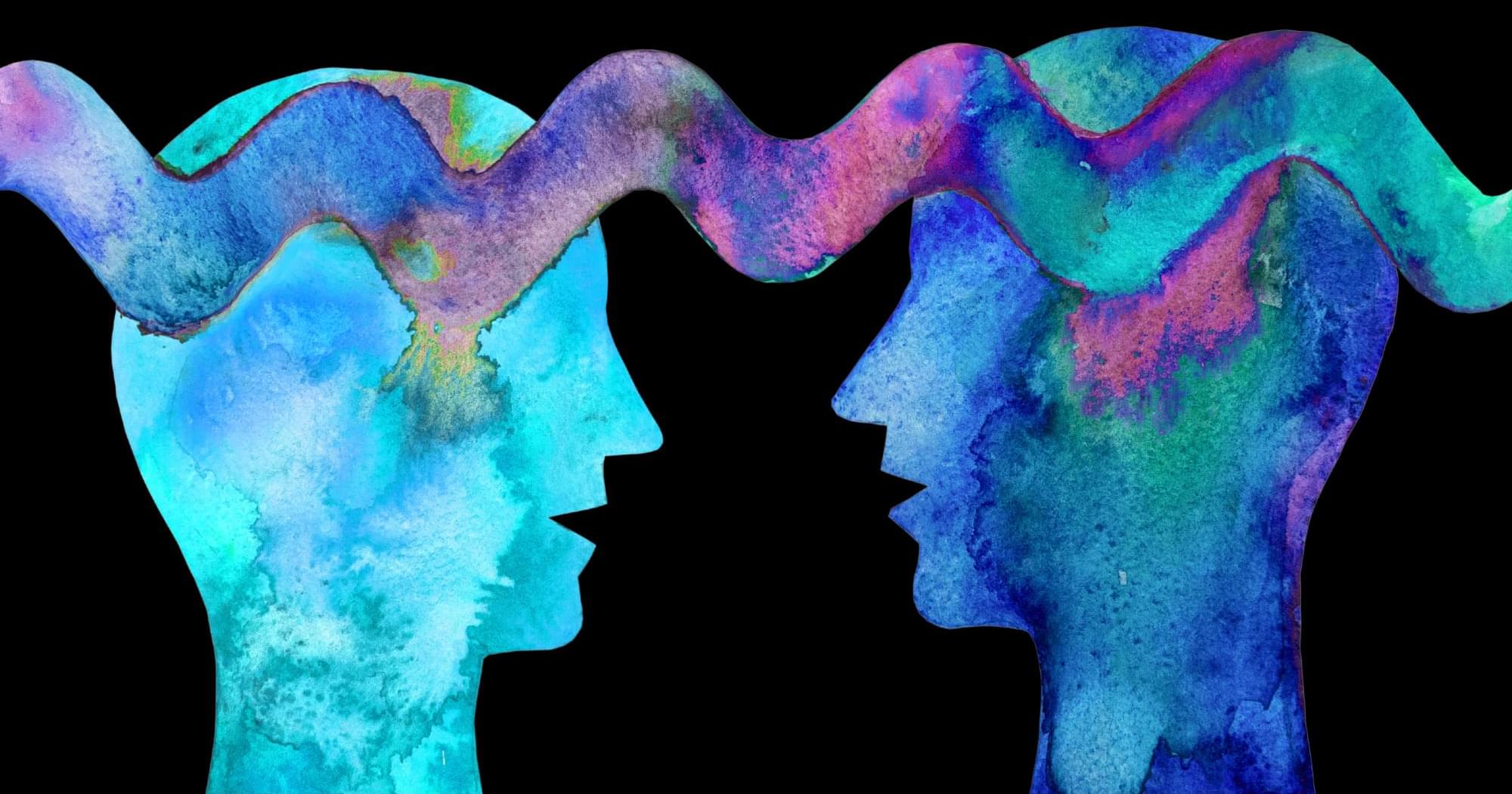
Researchers Find Brain Mechanism Behind ‘Flashes of Intuition’

Despite decades of research, the mechanisms behind fast flashes of insight that change how a person perceives their world, termed “one-shot learning,” have remained unknown. A mysterious type of one-shot learning is perceptual learning, in which seeing something once dramatically alters our ability to recognize it again.

AI tool predicts brain age, cancer survival and other disease signals from unlabeled brain MRIs

Mass General Brigham investigators have developed a robust new artificial intelligence (AI) foundation model that is capable of analyzing brain MRI datasets to perform numerous medical tasks, including identifying brain age, predicting dementia risk, detecting brain tumor mutations and predicting brain cancer survival. The tool, known as BrainIAC, outperformed other, more task-specific AI models and was especially efficient when limited training data were available.

Results are published in Nature Neuroscience.

“BrainIAC has the potential to accelerate biomarker discovery, enhance diagnostic tools and speed the adoption of AI in clinical practice,” said corresponding author Benjamin Kann, MD, of the Artificial Intelligence in Medicine (AIM) Program at Mass General Brigham. “Integrating BrainIAC into imaging protocols could help clinicians better personalize and improve patient care.”

Scientists just mapped the brain architecture that underlies human intelligence

For decades, researchers have attempted to pinpoint the specific areas of the brain responsible for human intelligence. A new analysis suggests that general intelligence involves the coordination of the entire brain rather than the superior function of any single region. By mapping the connections within the human brain, or connectome, scientists found that distinct patterns of global communication predict cognitive ability.

The research indicates that intelligent thought relies on a system-wide architecture optimized for efficiency and flexibility. These findings were published in the journal Nature Communications.

General intelligence represents the capacity to reason, learn, and solve problems across a variety of different contexts. In the past, theories often attributed this capacity to specific networks, such as the areas in the frontal and parietal lobes involved in attention and working memory. While these regions are involved in cognitive tasks, newer perspectives suggest they are part of a larger story.

A Hidden Cellular Defense May Protect the Brain From Alzheimer’s

Scientists discovered why some neurons resist tau toxicity, identifying CRL5SOCS4 as a crucial defense and linking mitochondrial stress to harmful tau fragments. New research by UCLA Health and UC San Francisco has uncovered why certain brain cells are more resilient than others to the buildup of

/* */