Toggle light / dark theme

Tiny Human Brains Inside Rats Are Sparking Ethical Concern

Clusters of human brain cells can integrate into rat brains, and that’s raising concerns about giving animals some form of human consciousness.

Researchers can grow stem cells into tiny clumps of cells, called organoids, that display similar activity and structure to human brains. To find out more about how exactly that works, read our primer from when we made the technique one of our Ten Breakthrough Technologies of 2015.

Now, though, reports Stat, several labs have inserted those organoids into rat brains and connected them to blood vessels; some of the organoids have even grown physical links with the rat brains. From Stat’s report:

Read more

A New Ion-Drive Transistor Is Here to Interface With Your Brain

Silicon transistors and the brain don’t mix.

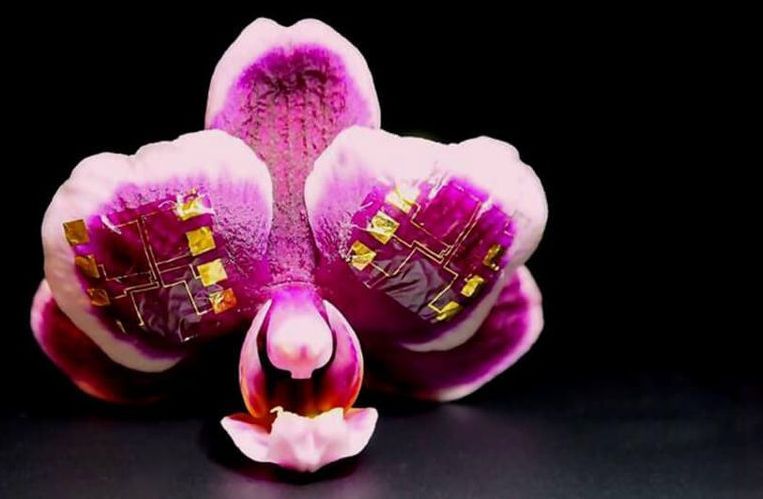
At least not optimally. As scientists and companies are increasingly exploring ways to interface your brain with computers, fashioning new hardware that conforms to and compliments our biological wetware becomes increasingly important.

To be fair, silicon transistors, when made into electrode arrays, can perform the basics: record neural signals, process and analyze them with increasingly sophisticated programs that detect patterns, which in turn can be used to stimulate the brain or control smart prosthetics.

Read more

Researchers have identified the first human-specific fusion gene

University at Buffalo researchers have identified the first human-specific fusion gene—a hybrid of two genes—implicated in Alzheimer’s disease. The finding suggests that a neurotransmitter receptor, previously successful in animal studies but that failed in human trials for Alzheimer’s, might still turn out to be a valuable therapy.

In a paper published in February in Translational Psychiatry, the UB researchers reported that this human gene acts on a receptor for the neurotransmitter acetylcholine, which is involved in memory and learning, and which is reduced in people with Alzheimer’s.

The fusion gene is CHRFAM7A, which is very common in people and has been implicated in many , such as schizophrenia and bipolar disease.

Read more

Scientists create mind-controlled hearing aid

A mind-controlled hearing aid that allows the wearer to focus on particular voices has been created by scientists, who say it could transform the ability of those with hearing impairments to cope with noisy environments.

The device mimics the brain’s natural ability to single out and amplify one voice against background conversation. Until now, even the most advanced hearing aids work by boosting all voices at once, which can be experienced as a cacophony of sound for the wearer, especially in crowded environments.

Nima Mesgarani, who led the latest advance at Columbia University in New York, said: “The brain area that processes sound is extraordinarily sensitive and powerful. It can amplify one voice over others, seemingly effortlessly, while today’s hearing aids still pale in comparison.”

Read more

CRISPR catches out critical cancer changes

In the first large-scale analysis of cancer gene fusions, which result from the merging of two previously separate genes, researchers at the Wellcome Sanger Institute, EMBL-EBI, Open Targets, GSK and their collaborators have used CRISPR to uncover which gene fusions are critical for the growth of cancer cells. The team also identified a new gene fusion that presents a novel drug target for multiple cancers, including brain and ovarian cancers.

The results, published today (16 May) in Nature Communications, give more certainty for the use of specific to diagnose and guide the treatment of patients. Researchers suggest existing drugs could be repurposed to treat some people with pancreatic, breast and lung cancers, based on the gene fusions found in their tumours.

Gene fusions, caused by the abnormal joining of two otherwise different , play an important role in the development of . They are currently used as diagnostic tools to predict how particular cancer patients will respond to drugs, as well as prognostics, to estimate the outcome for a patient given the best possible care. They are also the targets of some of the latest targeted treatments for cancer.

Read more
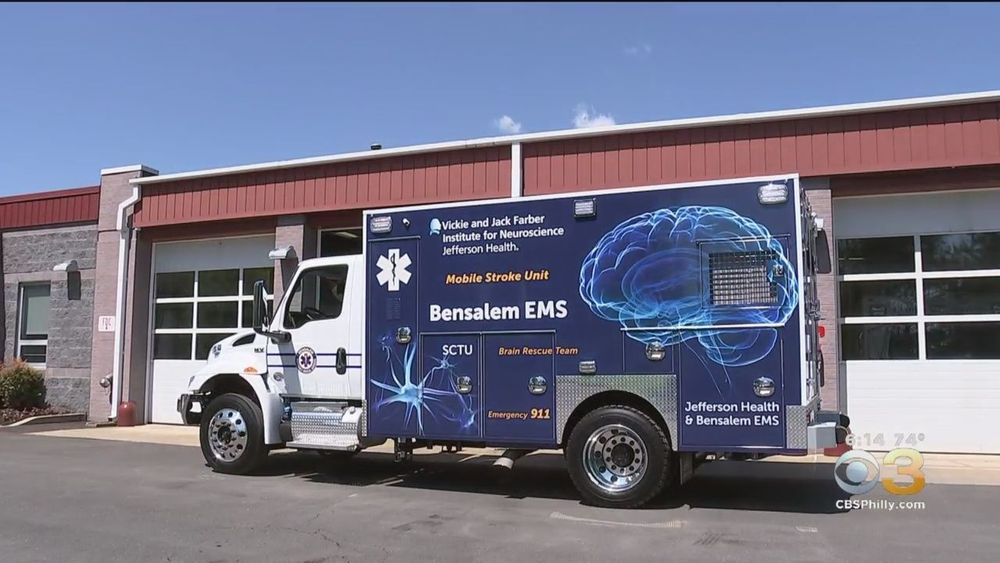
‘World Class Neuroscience To Your Driveway’: Bucks County Unveils Lifesaving Mobile Stroke Unit

BENSALEM, Pa. (CBS) — It could be the difference between life and death. A mobile rescue squad was unveiled Thursday in Bucks County.

Every 40 seconds, someone in the United States has a stroke. Survival depends on quick treatment. Now, instead of racing to the hospital, a mini, specialized hospital on wheels can come to you.

“We’re the first university medial center in our region to have this,” Jefferson neurosurgeon Dr. Robert Rosenwasser said.

Read more

Classic Daily Brain Teasers and Crosswords Have a Major Effect on Aging

These studies show that older adults who frequently pick up a puzzle tended to have the short-term memory capacity of someone eight years their junior and the grammatical reasoning of someone ten years younger.

“We hope this will encourage people to consider how they challenge their brain on a regular basis, and perhaps consider taking up puzzles or evidence-based brain training games as part of a lifestyle approach to keep their brains healthy,” Corbett tells Inverse.

Corbett’s study is one of a few showing that frequent engagement with puzzles has lasting effects on memory and cognitive decline, the slow loss of memory and other problem-solving skills that accompany aging (and is also a feature of brain diseases like Alzheimer’s). Other studies include the Bronx Aging study, which showed that dementia patients who did crossword puzzles started to lose their memory about 2.54 years later than those who didn’t do crosswords.

Read more