Revival of disembodied organs raises slew of ethical and legal questions about the nature of death and consciousness.
Read more


ETH spin-off Archilyse promises nothing less than the “world’s most comprehensive architecture analysis” on its website. The young entrepreneurs are attracting a lot of interest in the real estate sector.
Is a four-room apartment family-friendly or more suitable for a couple? How can office space be optimally divided so that its users feel comfortable? Archilyse helps to answer these kinds of questions. Based on address information, floor plans and 3D models, the ETH spin-off’s platform delivers various simulations and analyses of a property and makes them available to project developers, architects and real estate companies via an interface.
“A young family, for example, might be interested in the soundproofing between the children’s rooms and the living room, whether you can see the play area from the living room and whether the children’s rooms are bright enough to not impair the children’s cognitive abilities,” explains Archilyse founder Matthias Standfest.
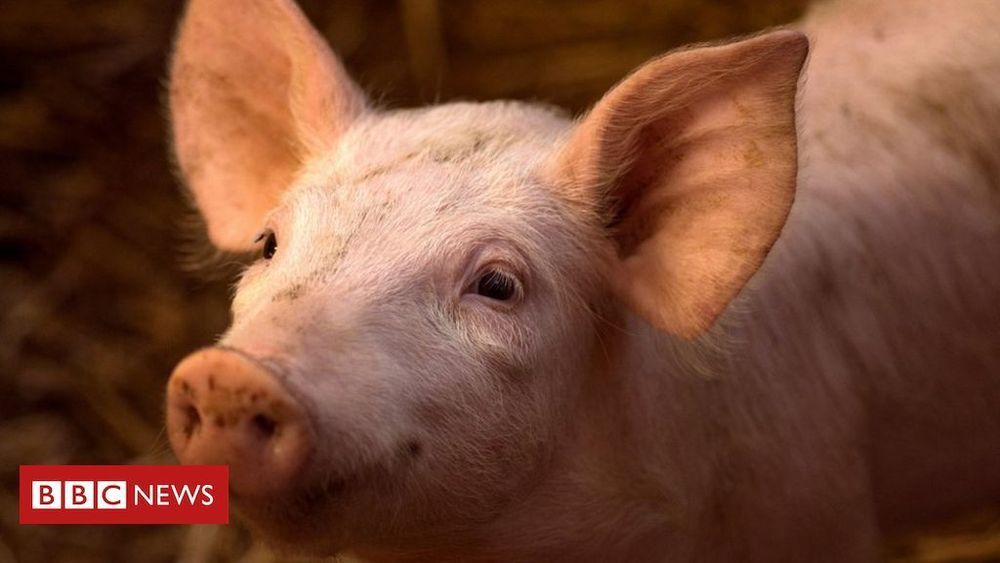
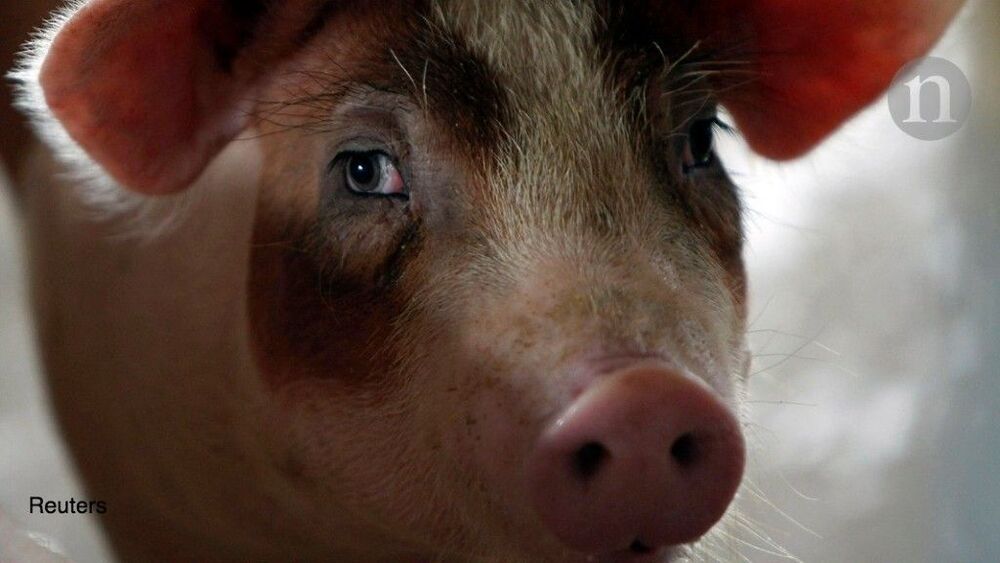
US scientists have partially revived pig brains four hours after the animals were slaughtered.
The findings could fuel debate about the barrier between life and death, and provide a new way of researching diseases like Alzheimer’s.
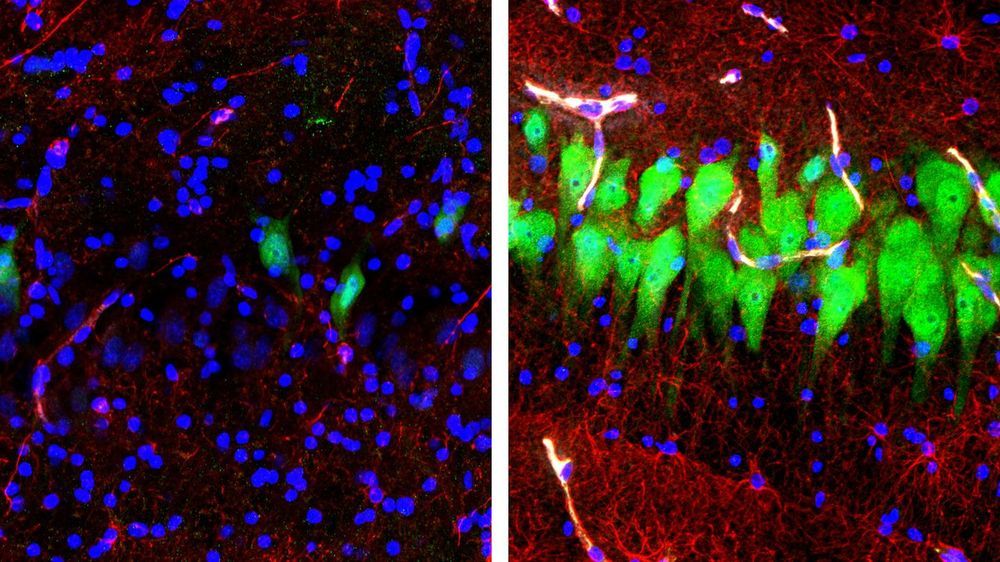
The study showed the death of brain cells could be halted and that some connections in the brain were restored.
Scientists bring some functions in a pig’s BRAIN ‘back to life’ — four hours after the farm animal died„.
Scientists have been able to partially revive the brains of decapitated pigs that died four hours earlier in a groundbreaking study.
Experts used tubes that pumped a chemical mixture designed to mimic blood into the decapitated heads of 32 pigs to restore circulation and cellular activity.
Echoing Mary Shelley’s classic novel Frankenstein, billions of neurons began acting normally and the deaths of other cells was reduced over the course of six hours.

“Julie has been associated with SENS since its earliest days: she participated in the first workshop that I organised to discuss it, in 2000, and she was a co-author on the first SENS paper in 2002. We’re delighted to be funding her laboratory at the Buck Institute to explore new ways of eliminating neurofibrillary tangles from neurons of Alzheimer’s sufferers, and at UA2019 we will hear about their initial progress.” says Aubrey de Grey.
https://www.undoing-aging.org/news/dr-julie-k-andersen-to-sp…Qq6fZbArkM #