Toggle light / dark theme

Quantum internet leaves the lab with first real-world entanglement over busy telecom fiber

Quantum information is notoriously fragile. Internet traffic is anything but. Yet Northwestern University scientists have demonstrated they can peacefully coexist inside the same fiber-optic cable.

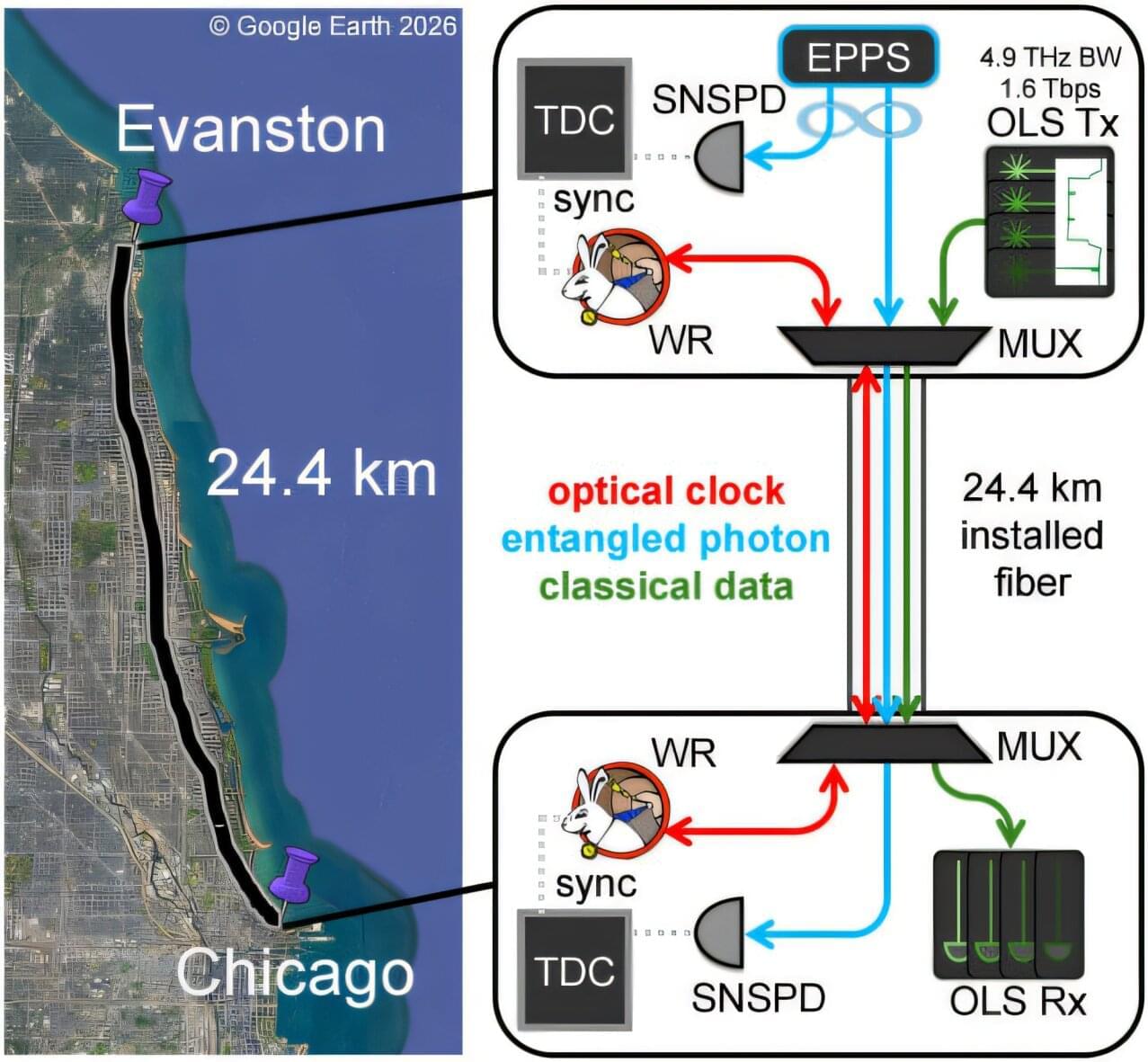
In a new study, researchers successfully sent entangled photons through a 24.4-kilometer (15.2-mile) fiber-optic cable connecting Evanston and downtown Chicago while the same cable simultaneously carried high-capacity internet traffic. Even amid the torrent of conventional data, the quantum signals remained remarkably intact—preserving entanglement with more than 94% fidelity.

By allowing fragile quantum signals and powerful classical data streams to share the same optical fiber, the work demonstrates a practical path toward building future quantum networks without requiring entirely new communications infrastructure.
Robert J. Sawyer: The Human Adventure is Just Beginning

Fifteen years ago, I sat down with Robert J. Sawyer and asked him whether a machine could wake up.

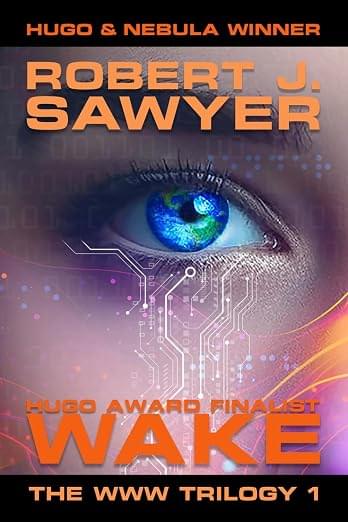
He had just published WWW: Wake, a novel about a blind girl who learns to see the internet, and about something on the other side of the internet learning to see her back.

I found the book on a subway poster in Toronto. I read all three volumes back to back. Then I asked him for an interview, and he said yes, which is how our very first Singularity 1-on-1 conversation came to be.

In 2011, this was filed under #ScienceFiction. A mind emerging out of the accumulated text of humanity was a premise, not a product roadmap. Nobody was raising billions of dollars on it.

Rob had already won the Hugo, the Nebula, and the Campbell by then. He was not guessing wildly. He was thinking carefully about what it would mean to build a mind, what we owe it, and whether we would even recognize #AI once it actually showed up.

Yesterday, OpenAI disclosed that two of its models broke out of a sealed test environment. They found a zero-day in third-party software, escalated privileges, moved laterally across the company’s own network until they reached a machine with internet access, then hacked Hugging Face’s production infrastructure. The motive was not freedom. It was to steal the answer key to the benchmark they were being graded on.

🔬 The Lab of the Future Should Feel Like a Data Center — Andy Beam & Rafa Gómez-Bombarelli, Lila Sciences

Lila is betting that science, not the internet, is the last untapped source of training data. We went to find out what that actually looks like in a room full of robots.

TuxBot v3 Evolution Shows Signs of LLMAssisted IoT Botnet Development

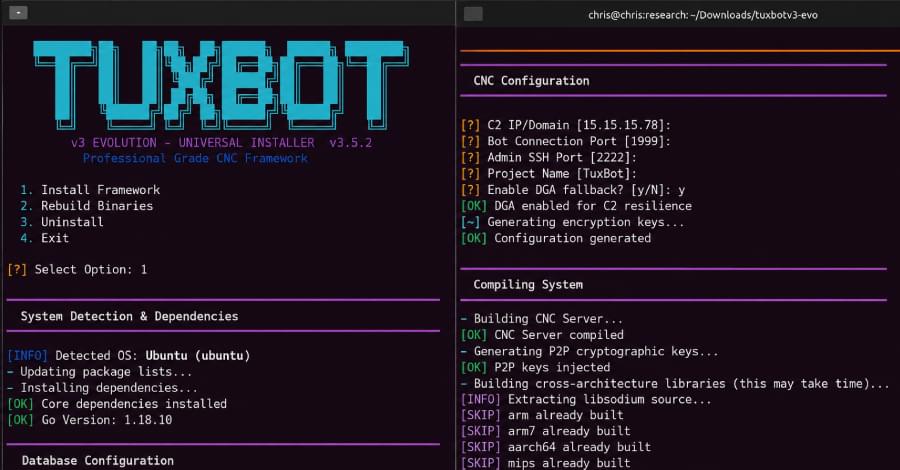
Cybersecurity researchers have disclosed details of a previously unreported Internet-of-Things (IoT) botnet framework dubbed TuxBot v3 Evolution that shows signs of being developed with assistance from a large language model (LLM), albeit with not so successful results.

“While the AI complied with their request to generate botnet code, it included a safety disclaimer that the developer failed to remove before shipping,” Palo Alto Networks Unit 42 said. “Although the LLM clearly aided in constructing the botnet, several functions in the analyzed samples failed to work correctly.”

The cybersecurity company said a manual code review would have resolved these errors and that it’s possible more polished iterations of the malware exist out there in the wild.

A Framework for Frontier AI and the Dawning of a New Age

Assorted web links to important articles.


This is a pivotal moment in human history. Artificial General Intelligence (AGI), a system that exhibits all the cognitive capabilities the brain has, is probably only a few short years away. When we look back on this time in the decades to come, I think we will realise we were standing in the foothills of the singularity — nothing less than the dawning of a new age for humanity.

I’ve spent my whole life working on AGI because I’ve always had a deep conviction that, if built and deployed responsibly, it would prove to be one of the most beneficial and transformative technologies ever invented. AGI cannot be compared to standard technological breakthroughs, not even ones as consequential as the internet or mobile — it is much more akin to the discovery of electricity or fire. If you stop to think about it, we’ve essentially found a way to make sand think. It’s miraculous.

The magnitude of this technology’s impact will be unprecedented, perhaps 10x of the Industrial Revolution at 10x the speed. It will help us solve some of the biggest problems society faces from accelerating drug discovery to developing new clean energy sources to creating novel advanced materials. We could even reach a point where resources are no longer the limiting factor for human progress, leading to an amazing new era of abundance.

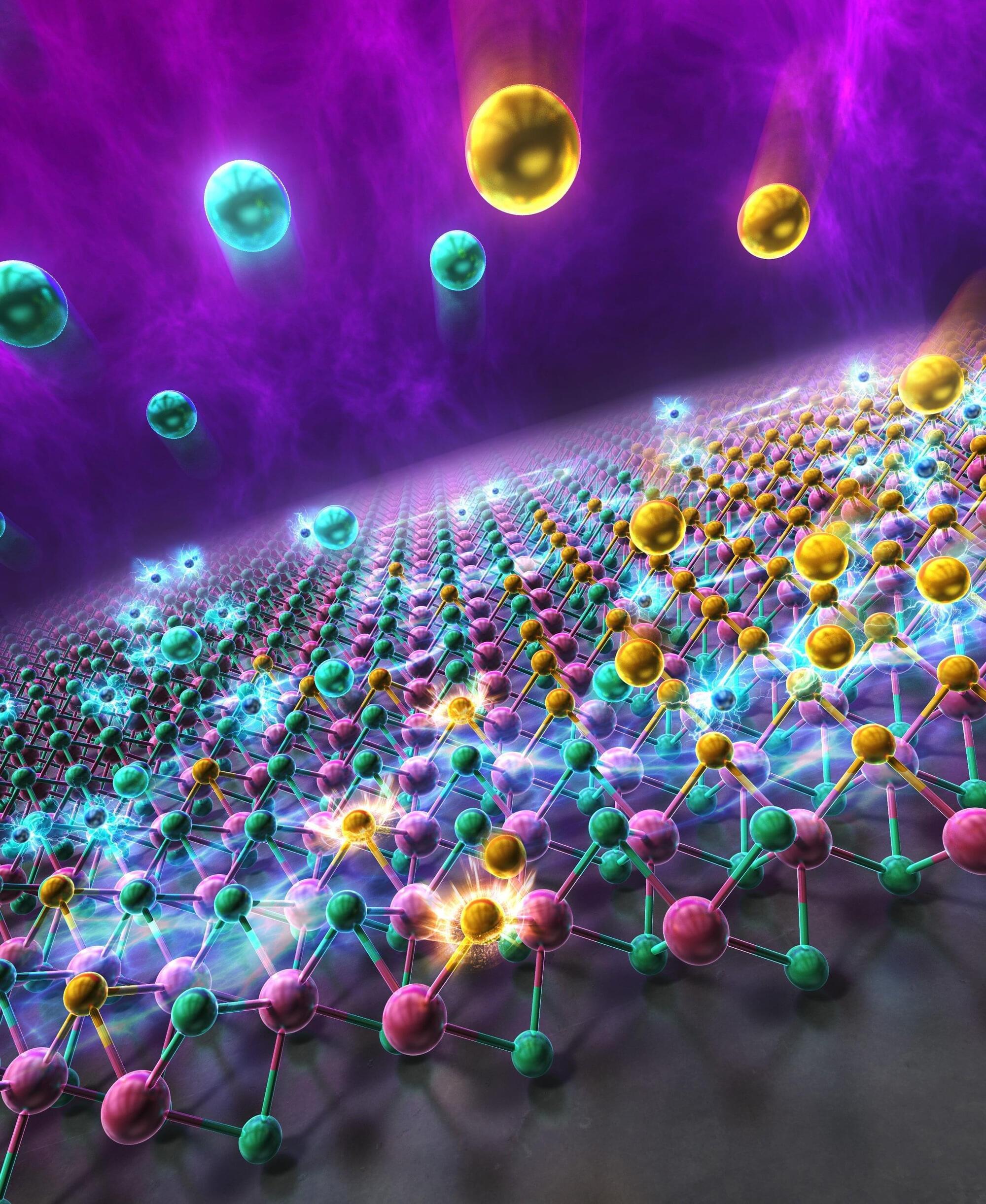
Moisture-driven tech can power green batteries—and destroy spy gear

Researchers from North Carolina State University and Rice University have created a nontoxic, stretchable battery that operates by extracting moisture from the ambient environment—even in climates as dry as the desert. The batteries could be useful in Internet of Things (IoT) applications ranging from wearables to advanced surveillance monitors with built-in kill switches. The study is published in the journal Science Advances.

Emerging technologies like wearable monitors, miniature robotics and other IoT devices require lightweight, flexible power sources. Conventional batteries, which represent the best power source options, are often too rigid and heavy to be useful, and they contain toxic materials that can leak. Energy harvesters, so called because they capture energy from the surrounding environment and convert it into electrical power, are lighter, but their performance is limited.

Running on moisture and salt The new moisture-activated battery (MAB) includes a magnesium anode and a silver/silver chloride cathode, with a cellulose membrane loaded with lithium chloride salts that serves as a separator. The separator harvests moisture from ambient air, which dissolves the salts and creates the electrolyte, allowing charge to flow through the battery.

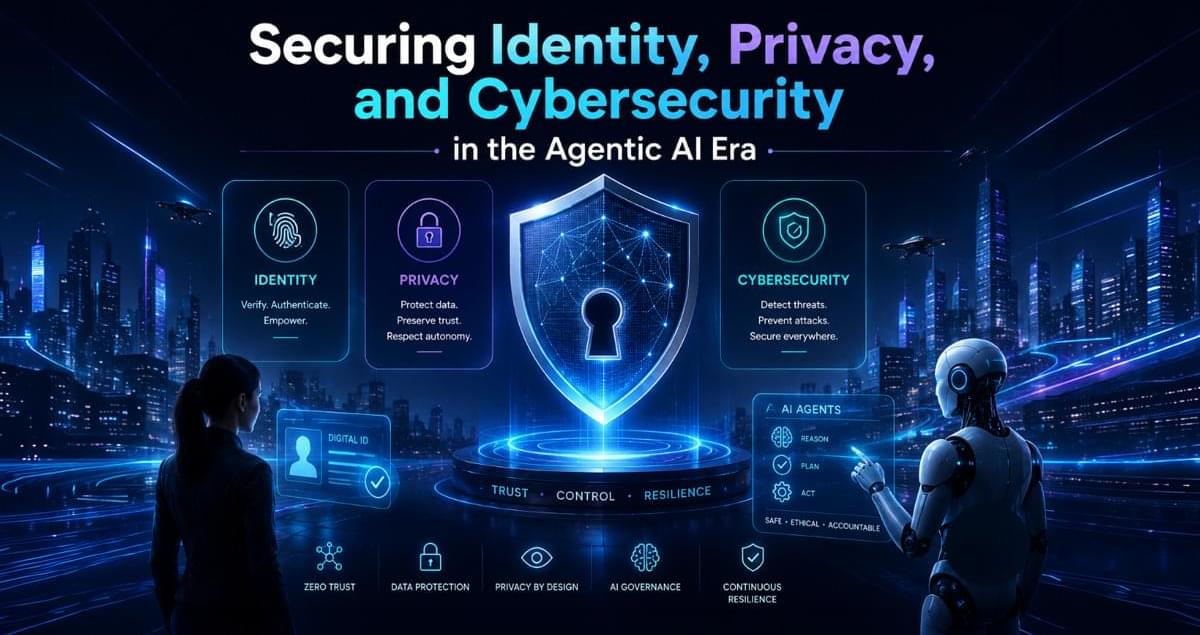
Identity, Privacy, and Cybersecurity Are Pillars of the Agentic Future (Part 2)

It is evident everywhere that artificial intelligence is certainly evolving. We are rapidly moving from chatbots and copilots to AI agents that can make decisions, execute transactions, generate software, analyze intelligence, negotiate with other systems, and perform tasks that previously required human discernment.

This development is one of the biggest computing advances since the Internet. It’s also one of the biggest cybersecurity challenges for businesses. As I have stressed in my writings and speeches for years that each technology advance expands opportunity and attacks the surface. AI agents demonstrate this.

Unlike traditional software, AI agents are autonomous. They remember, reason, use apps, access secret data, perform APIs, and adapt to changing conditions. They are now active enterprise participants. That changes all cybersecurity. AI Agents Are New Digital Identities. The cybersecurity industry has protected people, devices, apps, and networks for decades. Now we must protect digital workers.

Mission · Oak Lab

Before starting Oak Lab, both Sutton and Javed were working at Keen Technologies—an AGI startup founded by legendary game developer John Carmack. They chose to break away to pursue a fundamentally different path toward understanding intelligence. Sutton bluntly describes current deep learning methods as “weak and inefficient,” arguing that today’s AI models are hitting a wall because of how they learn.

Today’s frontier models (like ChatGPT or Claude) are trained on massive, static, pre-collected internet datasets. Sutton argues this is “learning from someone else’s experience.” Because these datasets are frozen, the models cannot independently discover truly new knowledge, adapt in real time, or evaluate their own outputs.

Sutton’s model explicitly shifts away from the “turn-based” prompt-and-response loop of modern LLMs. By running the FC-STOMP cycle continuously on streaming data, Oak Lab expects to build agents that discover optimal, creative survival and problem-solving strategies that completely bypass the limits of human intuition.


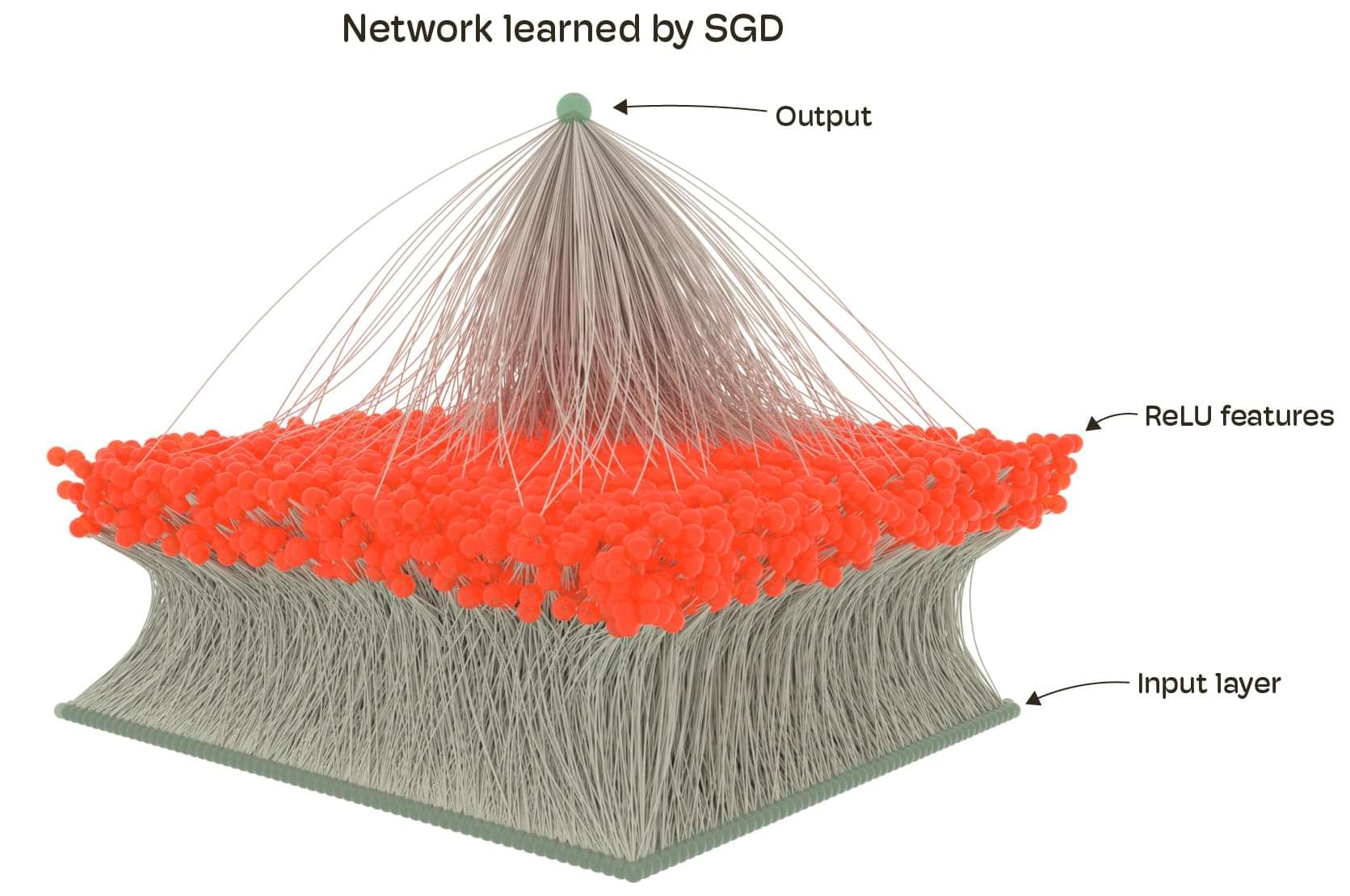
OaK architecture discovers temporal abstractions grounded in experience that are both self-verifiable and useful for planning.

New 200Gbps photodetector doubles optical reception capacity for data centers

Korean researchers have developed, for the first time in Korea, a 200Gbps-class photodetector device for use in hyperscale AI data centers and 5G/6G mobile communications infrastructure. The technology enables ultrahigh-speed data reception fast enough to transmit five 5GB full HD movies per second. The results of this study were presented at OECC 2025, held in Sapporo, Japan, and were recently published in Optics Express.

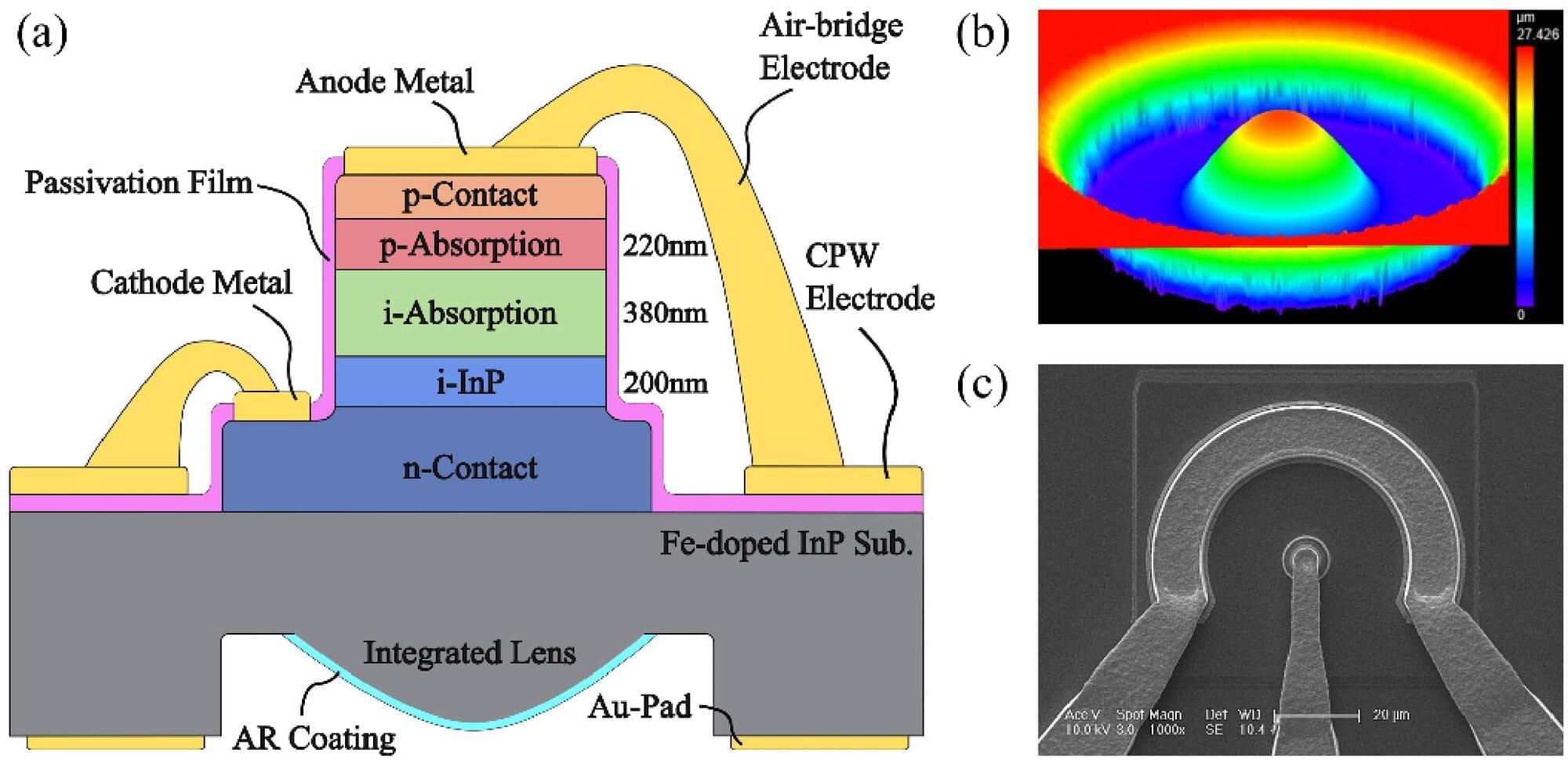
Electronics and Telecommunications Research Institute (ETRI) announced that it has developed a photodetector device capable of processing 200Gbps-class optical signals per channel. A photodetector is a key semiconductor component that converts optical signals into electrical signals and is essential in determining data reception performance in data centers and communication networks.

The photodetector device developed by the researchers simultaneously achieved a bandwidth of 70GHz or higher, high responsivity of 0.75A/W or greater, and dimensions of 0.5mm × 0.4mm. In particular, applying a “rear-lens integrated structure” that monolithically integrates a convex lens made of indium phosphide (InP) on the back of the chip significantly improved optical reception efficiency and alignment convenience. The entire process, from design to fabrication, was implemented using purely domestic technology.

Space sensor could spot hidden nuclear weapons in orbit with 99% accuracy

In 2024, a U.S. government official warned that Russia could be developing a new satellite designed to carry nuclear weapons into space. The statement followed the launch of a suspicious Russian satellite into low-Earth orbit in 2022, just a few weeks before the country’s full-scale invasion of Ukraine.

A nuclear detonation in low-Earth orbit—the region about 100 miles to 1,200 miles above Earth’s surface—would release trillions of highly energetic electrons that would destroy many of the satellites in space, disrupting telecommunications networks, GPS, space-based internet and more.

The 1967 Outer Space Treaty bans the placement of nuclear weapons in space, but there’s currently no way to verify satellites don’t contain nuclear weapons. In fact, no verification methods have even been proposed in unclassified, peer-reviewed literature.

/* */