This could reshape everything we know about cognition.
Category: futurism – Page 87

TerraLingua: Emergence and Open-Ended Dynamics in LLM Ecologies
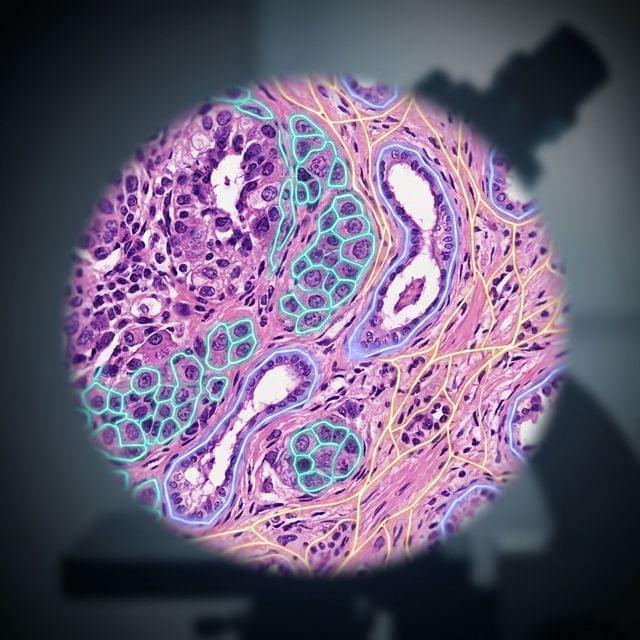
Unlike previous AI simulations where agents existed in consequence-free bubbles, TerraLingua operates more like a real ecosystem. Agents have limited resources and finite lifespans. When an agent “dies,” it’s gone—but here’s the twist: anything it created “survives.” A tool, a rule, a piece of knowledge—these artifacts live on, shaping how future generations of agents behave and interact.
Introducing TerraLingua, a multi-agent LLM ecology that shows how AI agents interact, cooperate, and build shared culture over time in a persistent environment.
Critical Unpatched Telnetd Flaw (CVE-2026–32746) Enables Unauthenticated Root RCE via Port 23
CVE-2026–32746 exposes telnetd via pre-auth flaw (CVSS 9.8), enabling root RCE through port 23, risking full system takeover.
Immune cells regulate eye pressure linked to glaucoma
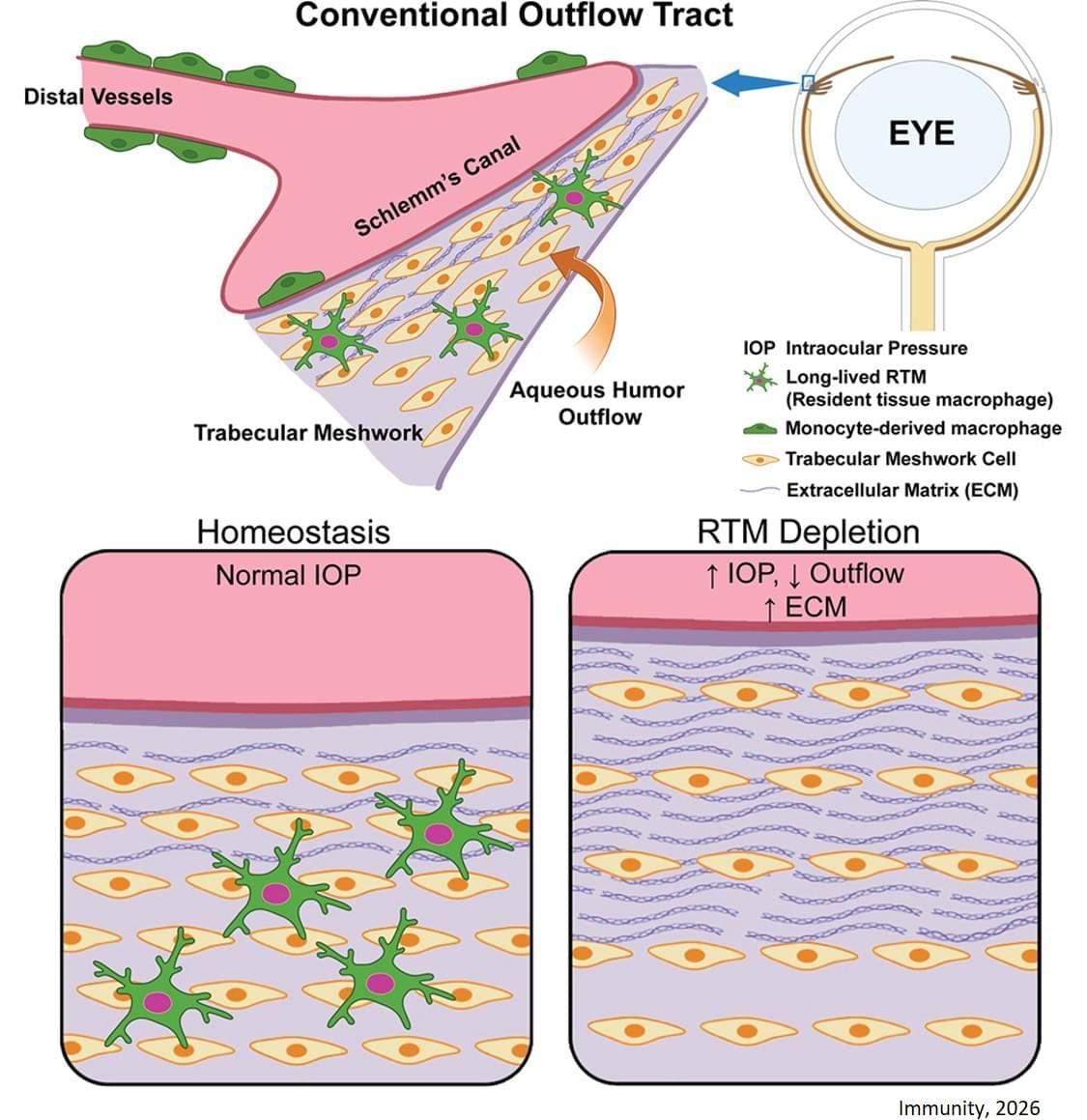
In the study, researchers tracked fluorescently tagged resident macrophages in mouse eyes. Long-lived resident tissue macrophages were concentrated in the trabecular meshwork and Schlemm’s canal, whereas steady-state monocyte-derived macrophages were abundant around distal vessels.
When they selectively removed these cells, the eye’s drain became clogged, fluid built up, and eye pressure increased and was linked to aberrant extracellular matrix turnover in the resistance-generating tissues of the trabecular meshwork.
“Our findings show that resident macrophages are essential for maintaining healthy eye pressure,” said the author. “Disruption of this system may contribute directly to the development of glaucoma.”
This discovery could lead to the development of future glaucoma treatments. The next step is to do research that identifies these resident macrophages in human eye tissue. ScienceMission sciencenewshighlights.
When the eye’s drainage system clogs, pressure builds up and causes damage. The pressure can lead to glaucoma and vision loss.
New research published in the journal Immunity, reveals that a specialized set of immune cells act as the cleanup crew, pointing to a promising new target for therapies to prevent a major cause of blindness.
Joscha Bach: Galactic Game Theory
Joscha Bach on the possibility that advanced / mature civs converge on strategy and value, and join the cosmic collective. https://www.scifuture.org/transparency-of-history-in-galactic-game-theory/ Many thanks for tuning in! Please support SciFuture by subscribing and sharing! Buy me a coffee? https://buymeacoffee.com/tech101z Have any ideas about people to interview? Want to be notified about future events? Any comments about the STF series? Please fill out this form: https://docs.google.com/forms/d/1mr9PIfq2ZYlQsXRIn5BcLH2onbiSI7g79mOH_AFCdIk/ Kind regards, Adam Ford — Science, Technology & the Future — #SciFuture — http://scifuture.org …

Adobe Will Pay $75 Million to Settle Lawsuit over Its Subscriptions
“Adobe fails to adequately disclose to consumers that by signing up for the ‘Annual, Paid Monthly’ subscription plan, they are agreeing to a year-long commitment and a hefty early termination fee that can amount to hundreds of dollars,” the complaint read.
This lawsuit is finally closed, with Adobe agreeing to pay $75 million worth of services for free to the affected customers and an extra $75 million to the Department of Justice.
However, the company doesn’t agree with the accusations made against it.