
Cloud logs can be inconsistent or incomplete, creating blind spots as environments scale and change. Corelight shows how network-level telemetry provides reliable visibility when cloud logs fall short.
Category: futurism – Page 130
Fantastic Procedural Werewolf Transformation with Unreal Engine
A beautiful project by Elvis Morelli.
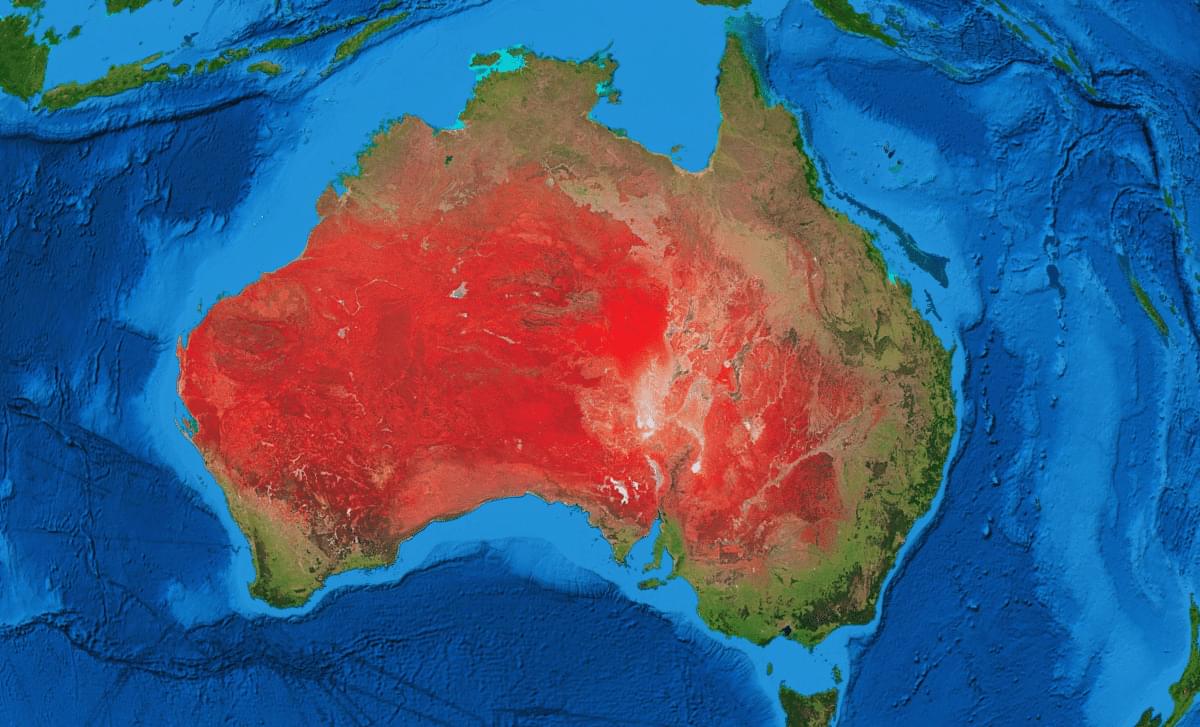
Scientists Discover New Magnetic Anomaly Hidden Beneath Australia’s Northern Territory
The discovery of a magnetic anomaly beneath Australia’s Northern Territory is reshaping our understanding of the region’s geological history and could lead to exciting new opportunities for resource exploration.

The BZR1-interacting WD repeat protein participates in brassinosteroid-dependent growth and stress response in tomato
Liu et al. reveal that BIW negatively regulates BR signaling by promoting BZR1 ubiquitination and degradation, while BIN2 enhances BIW’s stability and activity. Through the BZR1-dependent pathway, BIW inhibits lateral root development and chilling tolerance in tomato, providing a strategy for developing elite crop germplasm by targeted manipulation of BIW.

Scientists Uncover Unusual Origins of Mysterious Ocean Trench Bigger Than the Grand Canyon
A giant underwater canyon system in the Atlantic appears to have formed through tectonic forces rather than erosion.
Critical n8n Flaw CVE-2026–25049 Enables System Command Execution via Malicious Workflows
Critical n8n vulnerability CVE-2026–25049 allows authenticated workflow abuse to execute system commands and expose server data.

Microsoft rolls out native Sysmon monitoring in Windows 11
Microsoft has started rolling out built-in Sysmon functionality to some Windows 11 systems enrolled in the Windows Insider program.
Microsoft first revealed plans to integrate Sysmon natively into Windows 11 and Windows Server in November, when it also confirmed that it will soon release detailed documentation.
Sysmon (short for System Monitor) is a free Microsoft Sysinternals tool (and a Windows system service and device driver) that monitors for and blocks malicious/suspicious activity, logging it to the Windows Event Log.

The Double-Edged Sword of Non-Human Identities
Leaked non-human identities like API keys and tokens are becoming a major breach driver in cloud environments. Flare shows how exposed machine credentials quietly grant attackers long-term access to enterprise systems.
Community Series in Vaccines and approaches that target trained immunity in COVID-19: Immunological mechanisms of action and delivery: Volume II
2024 This is a first of its kind univversal covid 19 vaccine that would allow for a one time shot that is good for current versions of the virus and future versions aswell.
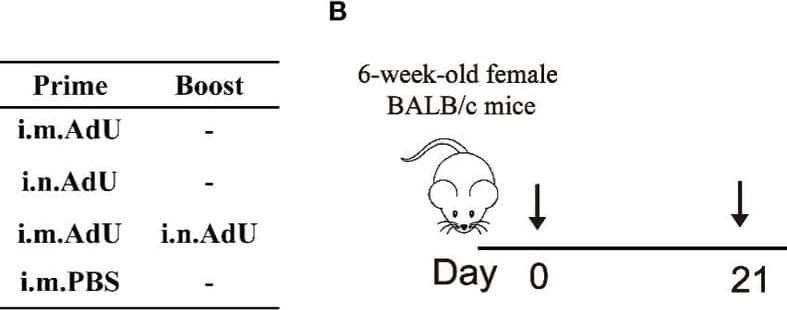
A universal recombinant adenovirus type-5 (Ad5) vaccine against COVID19 (Ad-US) was constructed, and immunogenicity and broad-spectrum of Ad5-US were evaluated with both intranasal and intramuscular immunization routes. The humoral immune response of Ad5-US in serum and bronchoalveolar lavage fluid were evaluated by the enzyme-linked immunosorbent assay (ELISA), recombinant vesicular stomatitis virus based pseudovirus neutralization assay, and angiotensin-converting enzyme-2 (ACE2)-binding inhibition assay. The cellular immune response and Th1/Th2 biased immune response of Ad5-US were evaluated by the IFN-γ ELISpot assay, intracellular cytokine staining, and Meso Scale Discovery (MSD) profiling of Th1/Th2 cytokines. Intramuscular priming followed by an intranasal booster with Ad5-US elicited the broad-spectrum and high levels of IgG, IgA, pseudovirus neutralizing antibody (PNAb), and Th1-skewing of the T-cell response. Overall, the adenovirus type-5 vectored universal SARS-CoV-2 vaccine Ad5-US was successfully constructed, and Ad5-US was highly immunogenic and broad spectrum. Intramuscular priming followed by an intranasal booster with Ad5-US induced the high and broad spectrum systemic immune responses and local mucosal immune responses.
According to the World Health Organization, as of March 15, 2024, over 774 million COVID-19 cases and almost 7 million related deaths had been reported globally. A total of 13.59 billion doses of COVID-19 vaccines have been reportedly administered globally, leading to a vaccination rate of 69.7%. At present, at least 24 types of COVID-19 vaccines have been authorized for emergency use in various countries. According to the list of global COVID-19 candidate vaccines published on the WHO website, a total of 183 candidate vaccines are in clinical development and 199 candidate vaccines are in the preclinical evaluation stage as of April 8, 2023. Recombinant protein subunit vaccines account for the greatest proportion of vaccines in clinical development (59 vaccines, 32%), followed by RNA vaccines (43 vaccines, 24%).
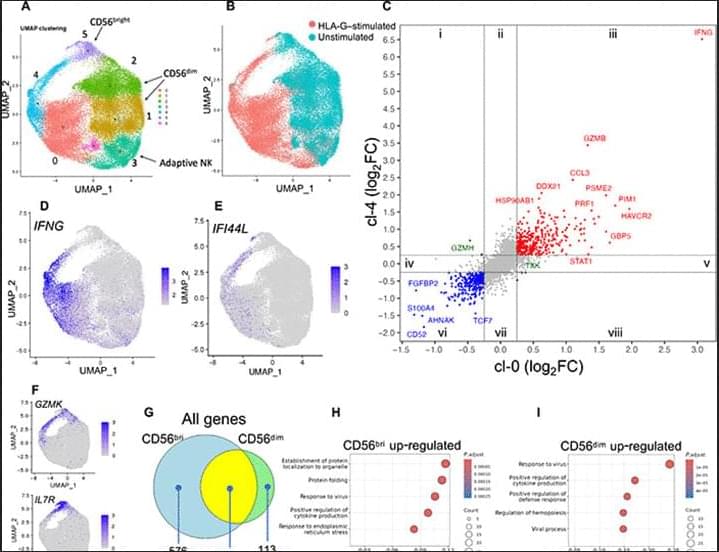
The fetal trophoblast cell marker HLA-G activates a type I interferon response in primary NK cells through the receptor KIR2DL4
Scientists have discovered how cells from the fetus could activate maternal natural killer cells during early pregnancy, helping to demystify the poorly understood mechanisms that govern immune cells at the maternal-fetal interface.
Learn more in Science Signaling.
A fetal cell antigen interacts with a natural killer cell receptor to induce antiviral gene expression.