Scientists at the University of Nottingham developed a tooth enamel regeneration gel that rebuilds teeth naturally, a breakthrough in fluoride-free care.



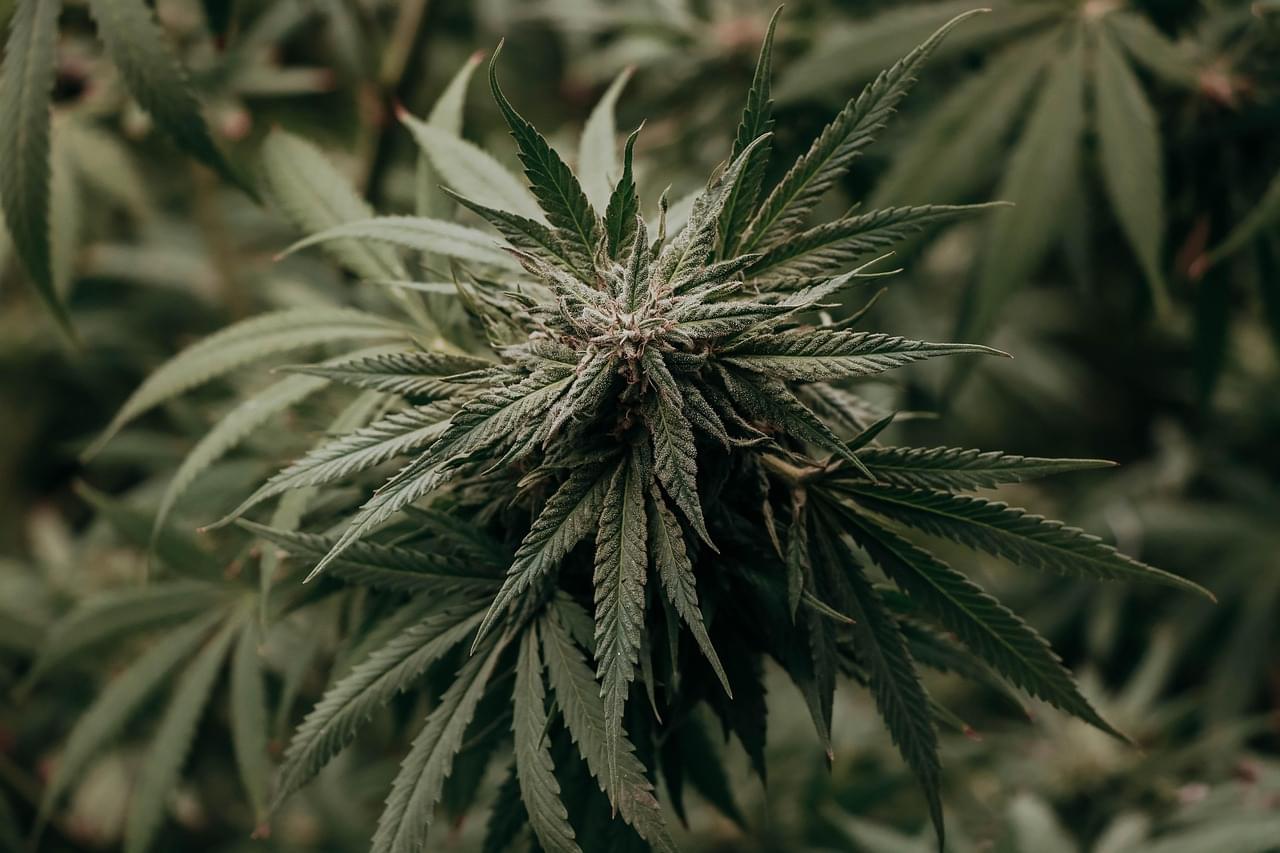
“This Perspective concludes that an MLA between 18–21 years is a scientifically supportable and socially coherent threshold for non-medical cannabis use.”
What should be the minimum legal age for recreational cannabis? This is what a recent study published in The American Journal on Drug and Alcohol Abuse hopes to address as a team of scientists investigated the benefits and challenges of raising the legal age for using recreational marijuana to 25, with the current age range being 18 to 21, depending on the country. This study has the potential to help researchers, legislators, and the public better understand the neuroscience behind the appropriate age for cannabis use.
For the study, the researchers examined brain development for individuals aged 18–25, specifically regarding brain maturation and whether this ceases before age 25. They note it depends on a myriad of factors, including sex, geographic region, and physiology. This study comes as Germany recently published several studies regarding legalizing recreational marijuana nationwide and marijuana use rates post-legalization. In the end, the researchers for this most recent study concluded that raising the minimum legal age for recreational cannabis use to 25 is unnecessary.
The study notes, “This Perspective concludes that an MLA between 18–21 years is a scientifically supportable and socially coherent threshold for non-medical cannabis use. Policy decisions should be informed not only by neurobiological evidence but also by legal, justice, sociocultural, psychological, and historical considerations.”
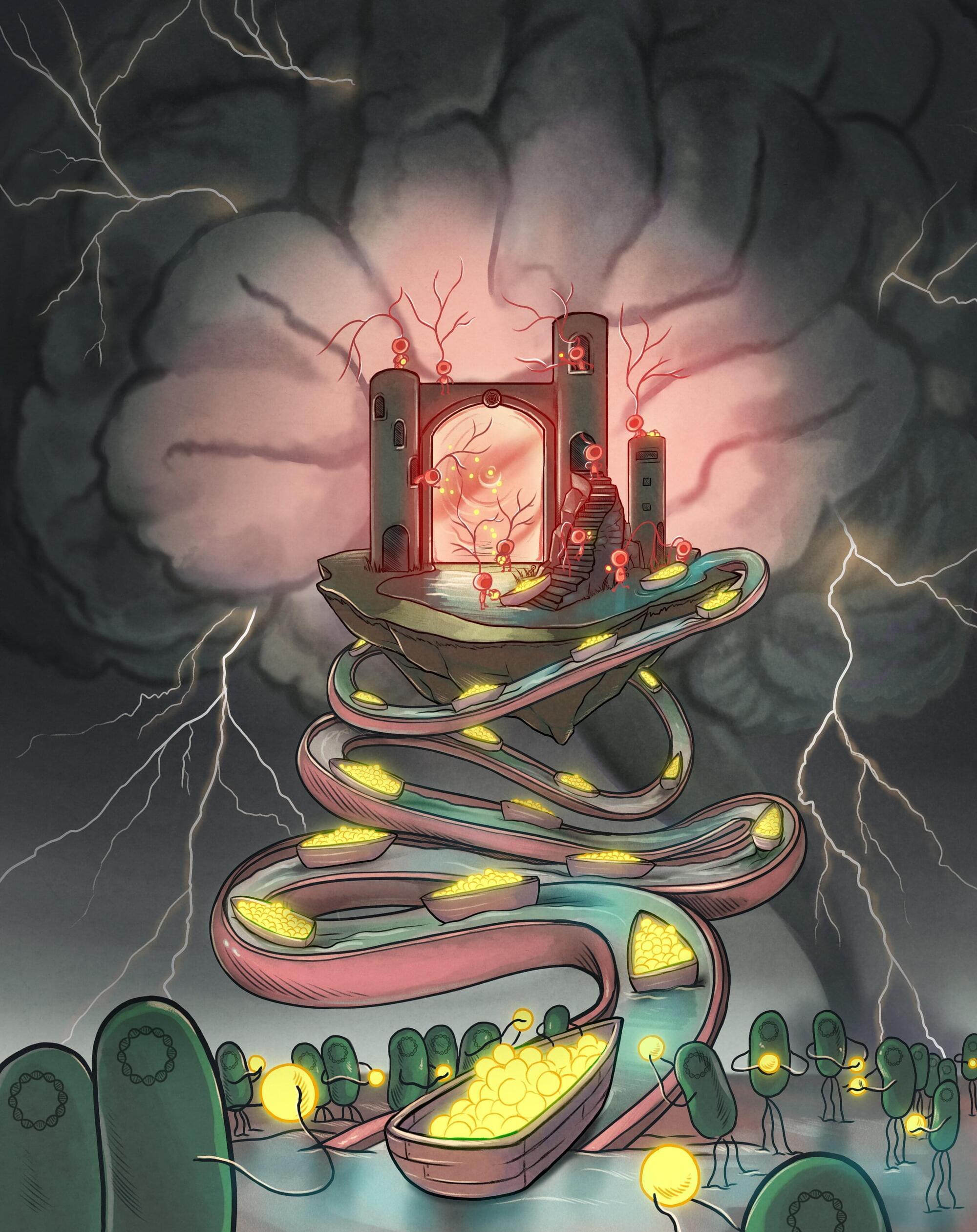
The age-old advice to “trust your gut” could soon take on new meaning for people diagnosed with Parkinson’s disease, thanks to a creative feat of bioengineering by researchers in the University of Georgia’s College of Veterinary Medicine.
Anumantha Kanthasamy, professor and director of the Isakson Center for Neurological Disease Research (ICNDR) leads a multidisciplinary research team including Gregory Phillips, Piyush Padhi, and other scientists that has engineered a groundbreaking living medicine, a beneficial probiotic designed to deliver levodopa steadily from the gut to the brain of Parkinson’s patients.
In a paper published in the journal Cell Host & Microbe, Kanthasamy’s team details how they engineered and tested the probiotic bacterium Escherichia coli Nissle 1917 as a drug-delivery system that continuously produces and delivers the gold-standard Parkinson’s drug, which is converted to dopamine in the brain. The E. coli Nissle strain was chosen for its century-long record of safely treating gastrointestinal disorders in humans.
As drug-resistant infections continue to rise, researchers are looking for new antimicrobial strategies that are both effective and sustainable. One emerging approach combines nanotechnology with “green” chemistry, using plant extracts instead of harsh chemicals to produce metal oxide nanoparticles.
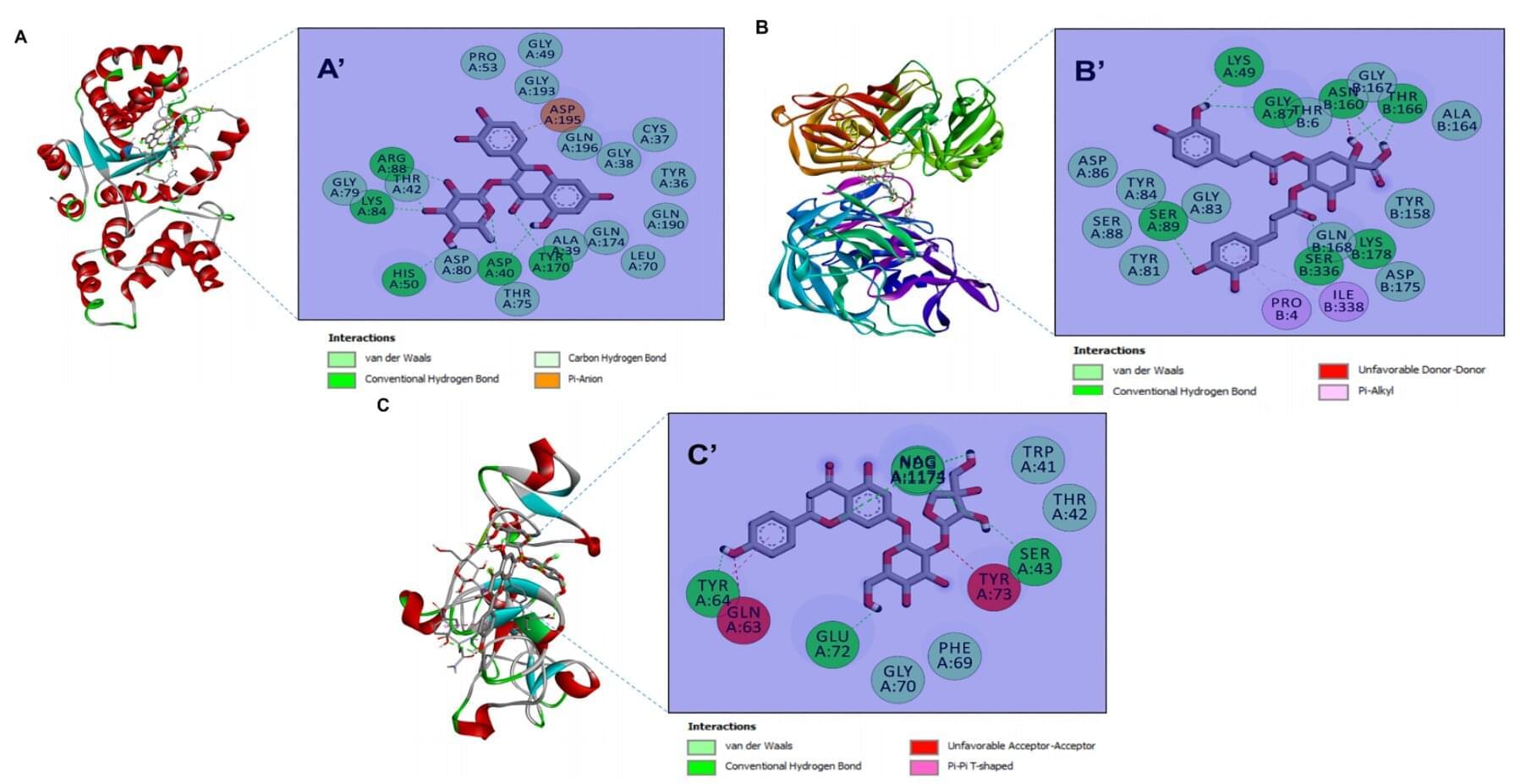
A new study published in Biomolecules and Biomedicine now reports that zinc oxide nanoparticles (ZnONPs) biosynthesized from four desert plants with medicinal properties can inhibit a wide spectrum of bacteria, yeasts and filamentous fungi in laboratory tests. The work also links the plants’ rich phytochemical profiles to nanoparticle stability and potency, and uses computer modeling to explore how key compounds might interact with microbial targets.
The study is the first to produce ZnONPs from species that thrive in harsh, arid environments and are often under-used or even considered invasive. “By turning resilient desert plants into tiny zinc oxide particles, we were able to generate materials that are both eco-friendly to produce and surprisingly active against a range of microbes,” the authors write. “These green nanoparticles could form the basis for future antimicrobial formulations, pending further safety and efficacy testing.”