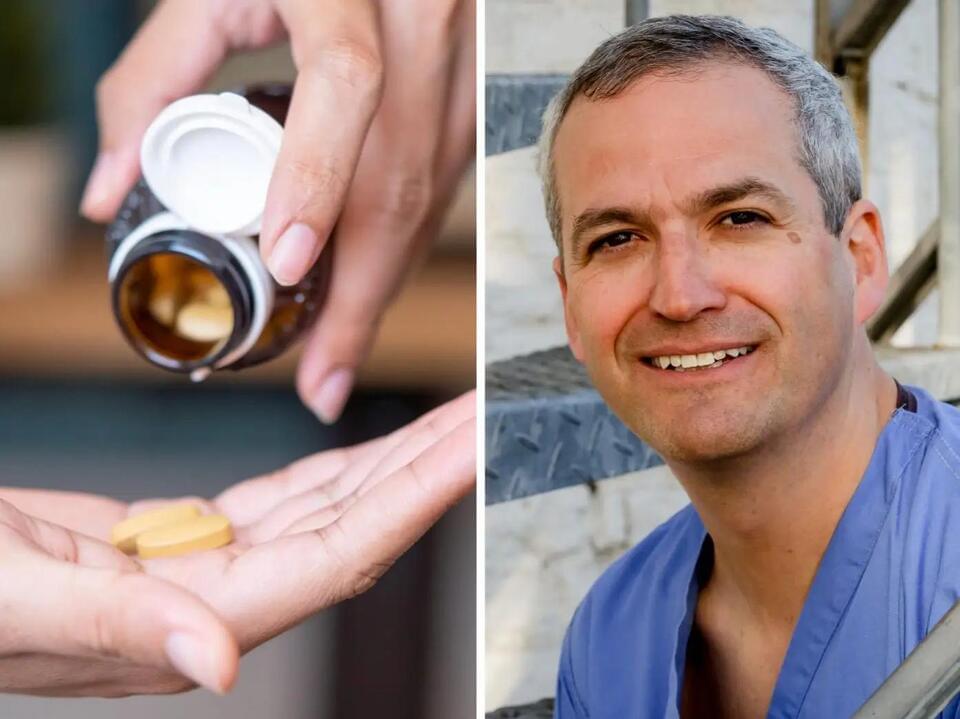
During the past two decades, gut microbiome studies have established the significant impact of the gut microbiota and its metabolites on host health. However, the molecular mechanisms governing the production of microbial metabolites in the gut environment remain insufficiently investigated and thus are poorly understood. Here, we propose that an enhanced understanding of gut microbial gene regulation, which is responsive to dietary components and gut environmental conditions, is needed in the research field and essential for our ability to effectively promote host health and prevent diseases through interventions targeting the gut microbiome.
Neurobehavioural disturbances such as loss of motivation have profound effects on the lives of many people living with Parkinson’s disease (PD), as well as other brain disorders. The field of decision-making neuroscience, underpinned by a plethora of work across species, provides an important framework within which to investigate apathy in clinical populations. Here we review how changes in a number of different processes underlying value-based decision making may lead to the common phenotype of apathy in PD. The application of computational models to probe both behaviour and neurophysiology show promise in elucidating these cognitive processes crucial for motivated behaviour. However, observations from the clinical management of PD demand an expanded view of this relationship, which we aim to delineate. Ultimately, effective treatment of apathy may depend on identifying the pattern in which decision making and related mechanisms have been disrupted in individuals living with PD.
This study identifies MYO1F as a pivotal regulator of the immunosuppressive capabilities and expansion of tumor-associated neutrophils during cancer progre
Anjie Zhen & team show rapamycin reduces HIV-mediated chronic inflammation and T cell exhaustion, delaying viral rebound and reducing viral reservoir in mice.
2UCLA AIDS Institute and the Eli and Edythe Broad Center of Regenerative Medicine and Stem Cell Research, David Geffen School of Medicine at UCLA, Los Angeles, California, USA.
Join us this episode as we explore how a cutting-edge, high-throughput screening platform can identify lifespan-extending compounds in diverse model organisms, with Dr Kevin Perez, co-founder of Epiterna and Junior Group Leader at Charité Universitätsmedizin Berlin, and host Prof Brian Kennedy, Director of the Centre for Healthy Longevity at #NUSMedicine.
Disclaimer: The opinions and advice expressed in this webinar are those of the speakers and do not represent the views and opinions of the organizers and National University of Singapore or any of its subsidiaries or affiliates. The information provided in this webinar is for general information purposes only as part of a general discussion on public health. The information is not intended to be a substitute for professional medical advice, diagnoses or treatment; and cannot be relied on in place of consultation with your licensed healthcare provider. All Rights Reserved.
All of the proceedings of this webinar, including the presentation of scientific papers, are intended for limited publication only, and all property rights in the material presented, including common-law copyright, are expressly reserved to the speaker or NUS. No statement or presentation made is to be regarded as dedicated to the public domain.
Any sound reproduction, transcript or other use of the material presented at this course without the permission of the speaker or NUS is prohibited to the full extent of common-law copyright in such material.
How does the brain work? Where, and when, and why do neurons connect and send their signals? Scientists have created the largest wiring diagram and functional map of an animal brain to date to learn more. Research teams at Allen Institute, @BCMweb and @princeton worked together to map half a billion synapses, over 200,000 cells, and 4km of axons from a cubic millimeter of mouse brain, providing unparalleled detail into its structure and functional properties. The project is part of the Machine Intelligence from Cortical Networks (MICrONS) program, which seeks to revolutionize machine learning by reverse-engineering the algorithms of the brain. Research findings reveal key insights into brain activity, connectivity, and structure—shedding light on both form and function—within a region of the mouse visual cortex that plays a critical role in brain health and is often disrupted in neurological conditions such as Alzheimer’s disease, autism, and addiction. These insights could revolutionize our ability to treat neuropsychiatric diseases or study the influence of drugs and other changes on the brain.
This extraordinary achievement begins to reveal the elusive language the brain uses to communicate amongst its millions of cells and the cortical mechanisms of intelligence—one of the holy grails of science.
To survey the real-world effectiveness and cost of optic nerve sheath meningioma (ONSM) treating with Gamma Knife Radiosurgery (GKRS), and compare with the external beam radiation therapy (EBRT).
Retrospective, comparative study that included patients with primary ONSM treated with either GKRS or EBRT in Samsung Medical Center, Korea. The treatment response, and treatment costs were compared between GKRS and EBRT groups.
There were 34 adult patients with primary ONSM treated with either GKRS (n = 25) or EBRT (n = 9) (follow-up period: 6–207 months). The local tumor control rates (GKRS: 92%; EBRT: 100%; P = 1) and vision preservation rates (GKRS: 64%; EBRT: 67%; P = 1) were similar in both groups. The mean gross tumor volume (GTV) decreased by 21.4 ± 19.7% after GKRS and 26.4 ± 18.7% after EBRT (P = 0.4803). The complication rates did not differ between two modalities. Factors associated with better visual outcomes were pretreatment BCVA 20/50 (odds ratio: 6.000, P = 0.0234) and the absence of intracranial tumor extension (odds ratio: 30.00, P = 0.0001). GKRS reduced the total costs of care by 43% under Korean National Health Insurance System (NHIS).
Nexus between genomic instability and metabolism in cancer.
Genomic damage detection and repair in the cells is enabled by the DNA-damage response (DDR).
Although DDR inhibition has been used to treat various cancers, drug resistance has been observed in the long run owing to the ability of tumor cells to undergo energetic metabolic reprogramming.
In addition, tumor cells’ ability to sense oxidative stress influenced by metabolic intermediates, leading to impaired redox metabolism, thus creating redox vulnerabilities.
The researchers in this review summarize recent advances in understanding the crosstalk between DDR and metabolism and discuss combination therapies that target DDR, metabolism, and redox vulnerabilities in cancer.
Vagus nerve stimulation is used to treat conditions ranging from inflammation to migraine. Mapping the nerve’s complex structure of more than 160,000 fibres could usher in a new era of precision treatments
The use of virtual reality haptic simulators can enhance skill acquisition and reduce stress among dental students during preclinical endodontic training, according to a new study published in the International Endodontic Journal. The study was based on collaboration between the University of Eastern Finland, the University of Health Sciences and the University of Ondokuz Mayıs in Turkey as well as Grande Rio University in Brazil.
The study aimed to evaluate the influence of virtual reality (VR) haptic simulators on skill acquisition and stress reduction in endodontic preclinical education of dental students.
During preclinical training, dental students develop manual dexterity, psychomotor skills and confidence essential in clinical practice. VR and haptic technology are increasingly used alongside conventional methods, enabling more repetition and standardised feedback, among other things.