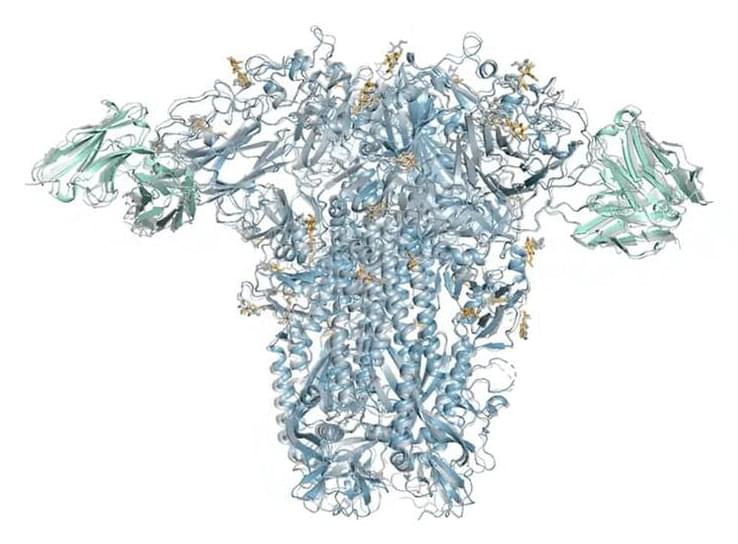
Predicting how proteins bind to other molecules could revolutionize biochemistry, drug discovery.
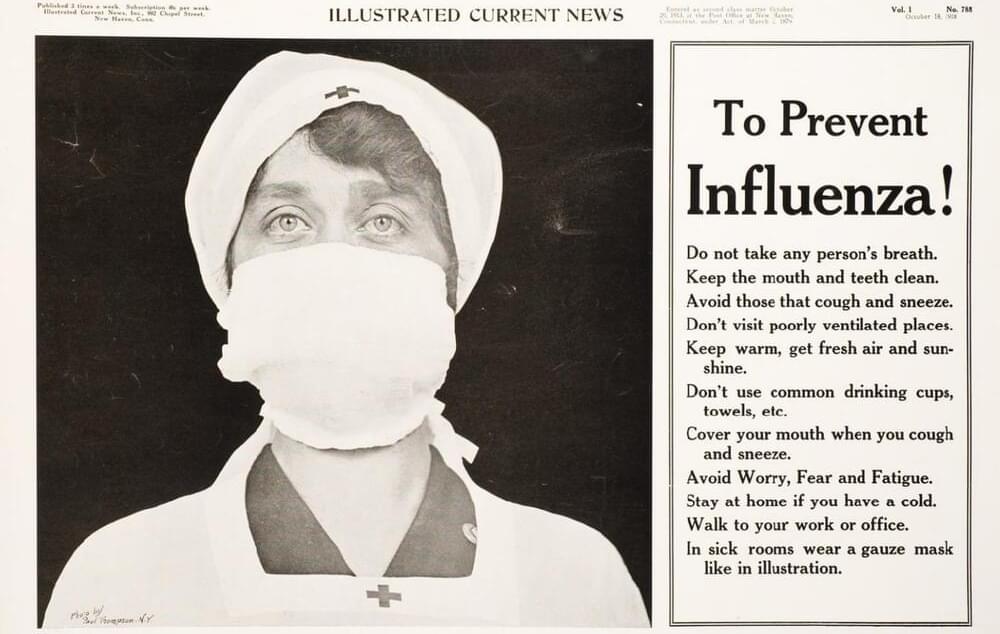
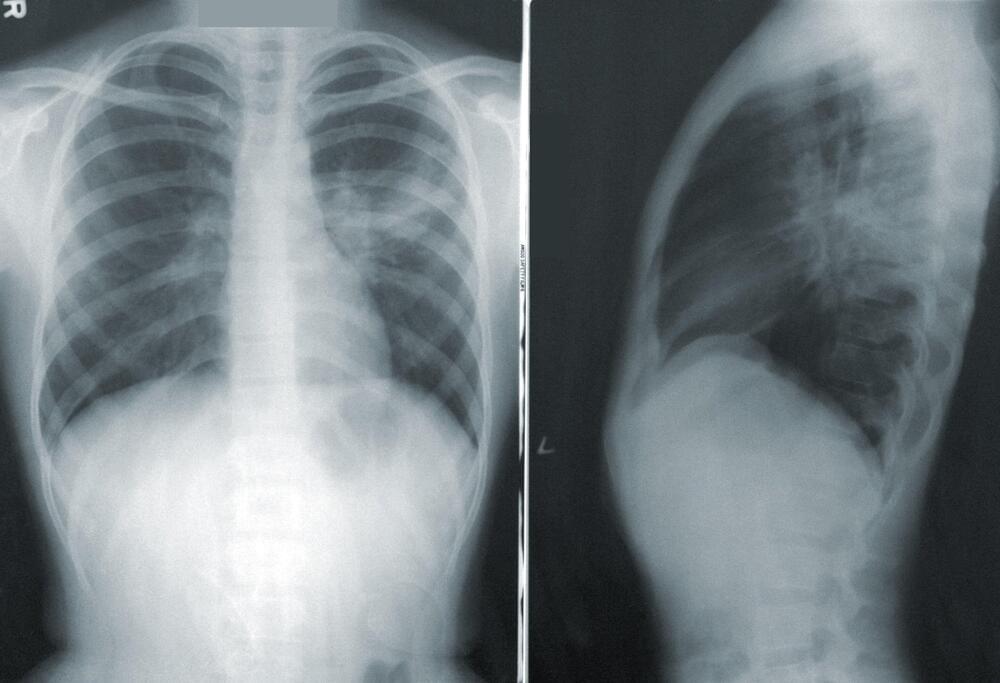
Colin Jacobs, PhD, assistant professor in the Department of Medical Imaging at Radboud University Medical Center in Nijmegen, The Netherlands, and Kiran Vaidhya Venkadesh, a second-year PhD candidate with the Diagnostic Image Analysis Group at Radboud University Medical Center discuss their 2021 Radiology study, which used CT images from the National Lung Cancer Screening Trial (NLST) to train a deep learning algorithm to estimate the malignancy risk of lung nodules.
HiDEF-seq advances cancer treatment:
HiDEF-seq technique could further help develop or advance new prevention approaches or develop treatments for genetic diseases and even cancer.
Gilad Evrony, senior study author and a core member of the Center for Human Genetics & Genomics at NYU Grossman School of Medicine told Science Direct:
“Our new HiDEF-seq sequencing technique allows us to see the earliest fingerprints of molecular changes in DNA when the changes are only in single strands of DNA.”
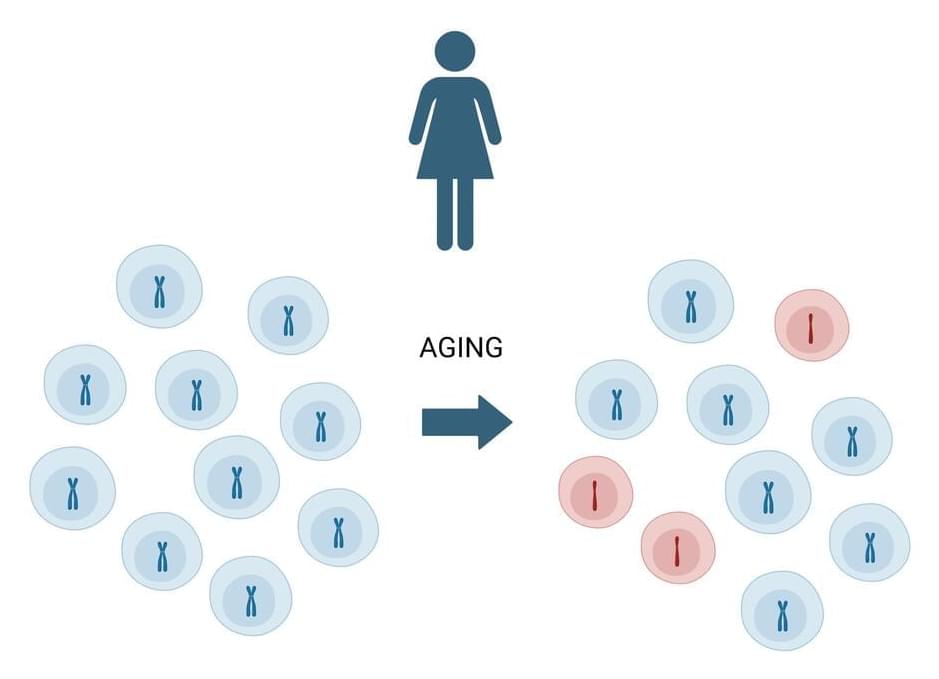
The reason targeted treatment for non-small cell lung cancer fails to work for some patients, particularly those who have never smoked, has been discovered by researchers from UCL, the Francis Crick Institute and AstraZeneca.
The study, published in Nature Communications, shows that lung cancer cells with two particular genetic mutations are more likely to double their genome, which helps them to withstand treatment and develop resistance to it.
In the UK, lung cancer is the third most common type of cancer and the leading cause of cancer death. Around 85% of patients with lung cancer have non-small cell lung cancer (NSCLC), and this is the most common type found in patients who have never smoked. Considered separately, “never smoked” lung cancer is the fifth-most common cause of cancer death in the world.