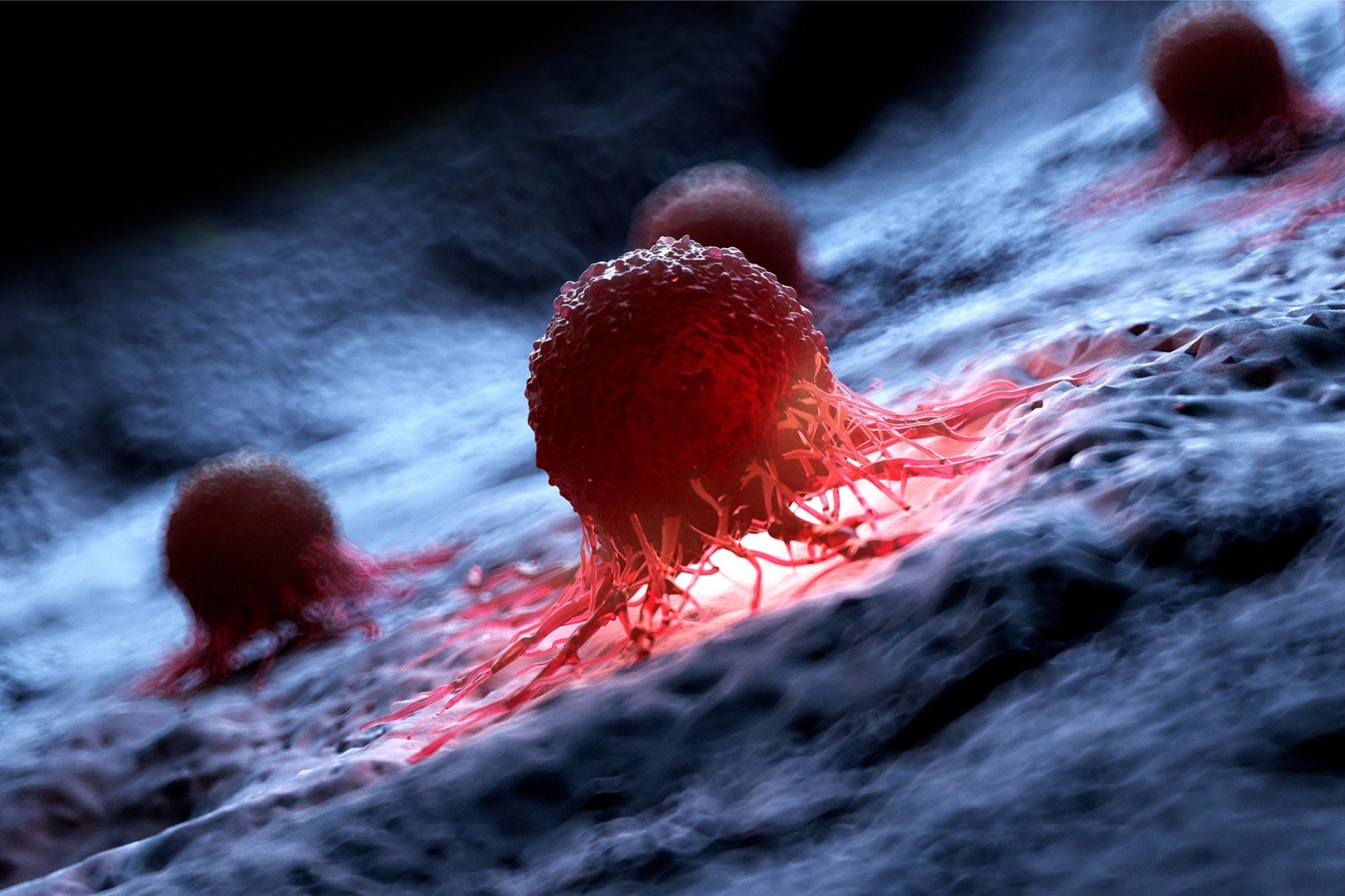
Researchers discovered how to flip the structure of complex drug compounds using a simple reagent, offering a game-changing approach for making better medicines. For the first time, chemists have developed a novel method to manipulate a type of chemical compound that plays a crucial role in many
Category: biotech/medical – Page 783

Psilocybin Shows Potential In Slowing Human Cell Aging And Increasing Lifespan In Mice
The magic mushroom compound extended the life of cells by 57 percent.

Cervical function in pregnancy and disease: new insights from single-cell analysis
The uterine cervix plays an essential role in regulating fertility, maintaining pregnancy, remodeling in preparation for parturition, and protecting the reproductive tract from infection. A compromise in cervical function contributes to adverse clinical outcomes. Understanding molecular events that drive the multifunctional and temporally defined roles of the cervix is necessary to effectively treat infertility, reproductive tract infections, preterm birth, labor dystocia, and cervical cancer. The application of single-cell technologies to study cervical pathophysiology, while in its infancy, underscores the potential of these approaches in developing clinically relevant biomarkers of disease and preventative therapies.
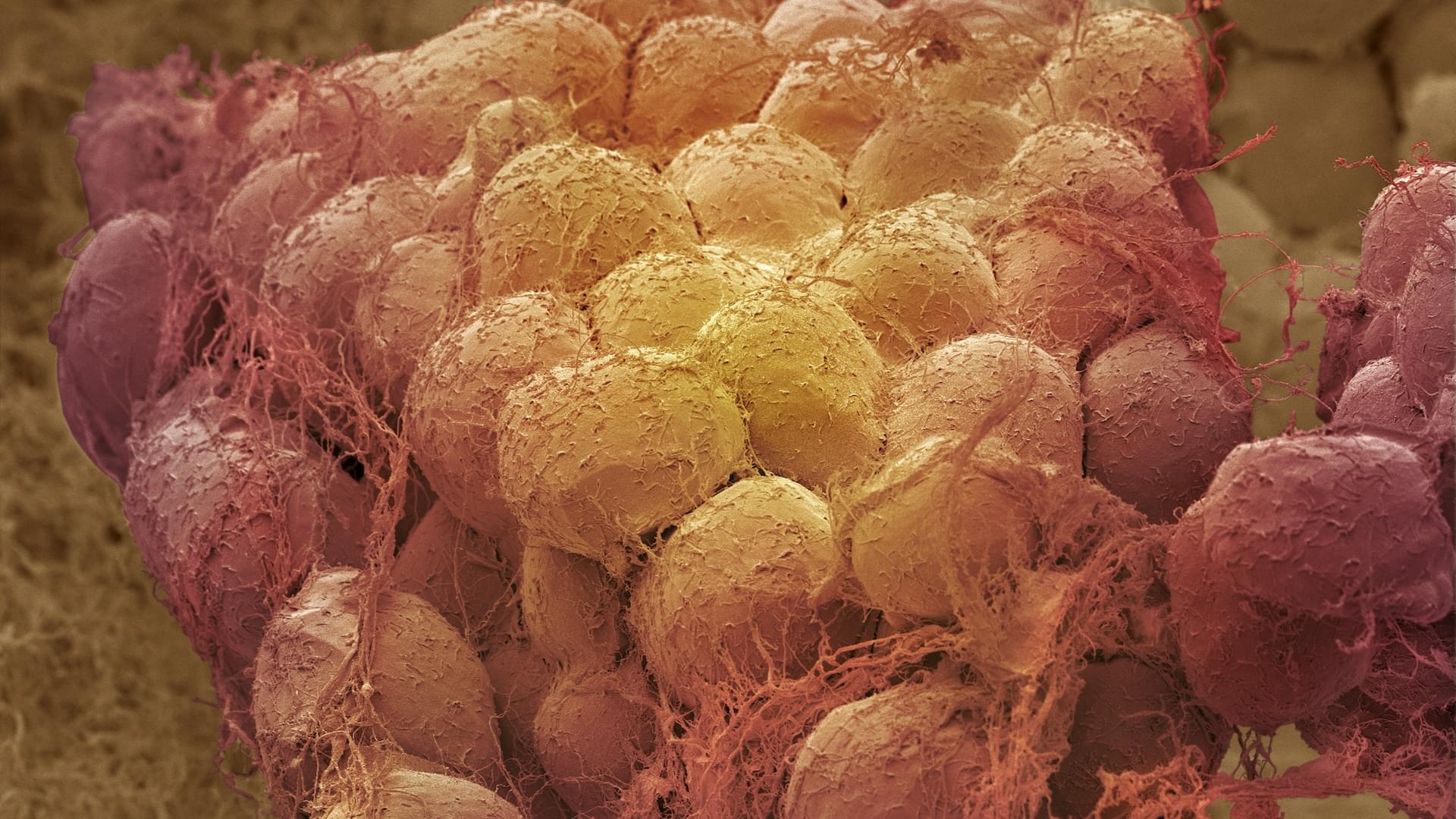
Weight loss may ‘rejuvenate’ fat tissue in the body
Weight loss is known to improve health in obesity. A new study provides clues to how: by rejuvenating fat tissue and changing fat cells’ metabolism.

Cheap Daily Supplement Appears to Boost Brain Function in Older People
What’s good for your aging gut may also be good for your aging brain. The first study of its kind in twins found that taking daily protein and prebiotic supplements can improve scores on memory tests in people over the age of 60.
Published early last year, the findings are food for thought, especially as the same visual memory and learning test is used to detect early signs of Alzheimer’s disease.
The double-blinded trial involved two cheap plant fiber prebiotics that are available over the counter in numerous nations around the world.
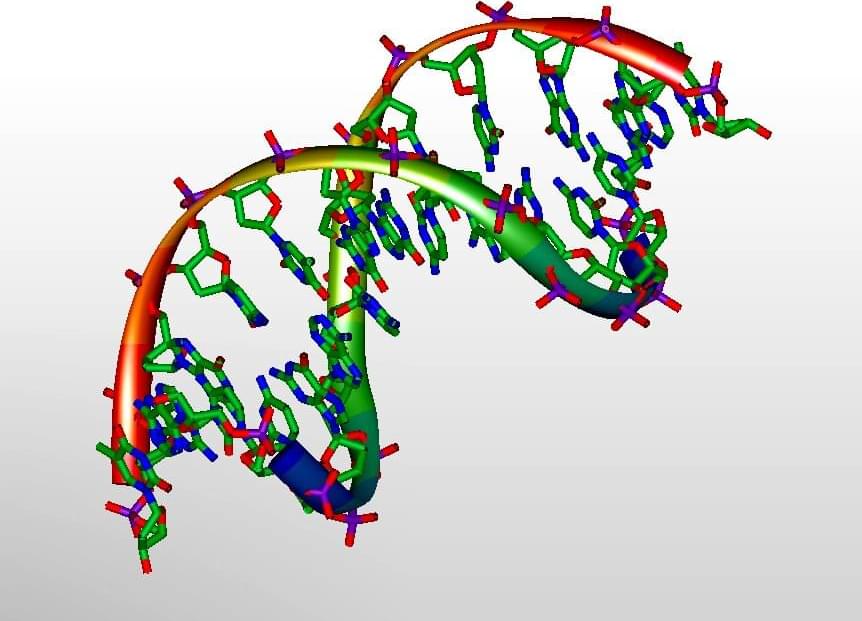
Why some genes are more error-prone: Scientists uncover hidden rule in DNA transcription
Every living cell must interpret its genetic code—a sequence of chemical letters that governs countless cellular functions. A new study by researchers from the Center for Theoretical Biological Physics at Rice University has uncovered the mechanism by which the identity of the letters following a given nucleotide in DNA affects the likelihood of mistakes during transcription, the process by which DNA is copied into RNA. The discovery offers new insight into hidden factors that influence transcription accuracy.
The work is published in the journal Proceedings of the National Academy of Sciences.
The study was authored by Tripti Midha, Anatoly Kolomeisky and Oleg Igoshin. It shows why genetic sequences are not equally prone to errors. Instead, the identity of the two nucleotides immediately downstream of a site significantly alters the error rate during transcription. This discovery builds on prior insights by the same authors on enzymatic proofreading mechanisms, factoring in the effects of distinct kinetics for different nucleotide additions.
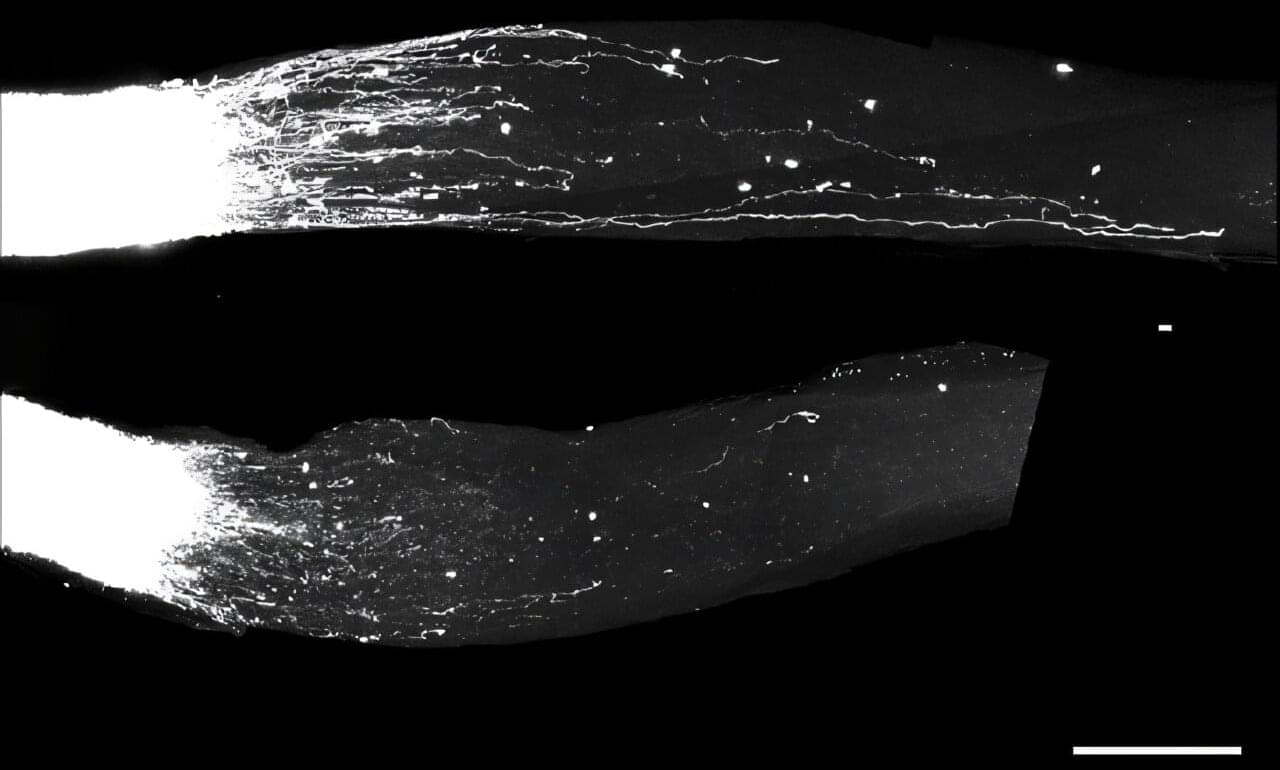
Peripheral nerve regeneration driven by hundreds of unknown RNA molecules
Unlike the brain and spinal cord, peripheral nerve cells, whose long extensions reach the skin and internal organs, are capable of regenerating after injury. This is why injuries to the central nervous system are considered irreversible, while damage to peripheral nerves can, in some cases, heal, even if it takes months or years. Despite decades of research, the mechanisms behind peripheral nerve regeneration remain only partially understood.
In a new study published in Cell, researchers from Prof. Michael (Mike) Fainzilber’s lab at the Weizmann Institute of Science discovered that a family of hundreds of RNA molecules with no known physiological function is essential to nerve regeneration.
Remarkably, the study showed that these molecules can stimulate growth not only in the peripheral nervous system of mice but also in their central nervous system. These findings could pave the way for new treatments for a variety of nerve injuries and neurodegenerative diseases.
Novel AI method sheds light on how enzyme linked to Alzheimer’s selects its targets
Researchers from DZNE, Ludwig-Maximilians-Universität München (LMU), and Technical University of Munich (TUM) have found that the enzyme “gamma-secretase”—implicated in Alzheimer’s disease and cancer—selects its reaction partners according to a complex scheme of molecular features.
Their study, published in Nature Communications, introduces a methodology that decodes the enzyme’s recognition logic by bridging biochemistry with explainable artificial intelligence (AI). This novel approach could help to better understand the role of gamma-secretase in diseases and aid drug development.
Gamma-secretase is an enzyme belonging to the category of “proteases” that plays a key role in Alzheimer’s disease and cancer. It occurs in the membrane of numerous cells, including neurons, where—acting like a pair of scissors—it cleaves other membrane-bound proteins.

Robot performs 1st realistic surgery without human help
A robot trained on videos of surgeries performed a lengthy phase of a gallbladder removal without human help. The robot operated for the first time on a lifelike patient, and during the operation, responded to and learned from voice commands from the team—like a novice surgeon working with a mentor.
The robot performed unflappably across trials and with the expertise of a skilled human surgeon, even during unexpected scenarios typical in real life medical emergencies.
The federally-funded work, led by Johns Hopkins University researchers, is a transformative advancement in surgical robotics, where robots can perform with both mechanical precision and human-like adaptability and understanding.
“This advancement moves us from robots that can execute specific surgical tasks to robots that truly understand surgical procedures,” said medical roboticist Axel Krieger. “This is a critical distinction that brings us significantly closer to clinically viable autonomous surgical systems that can work in the messy, unpredictable reality of actual patient care.”

New understanding of how red blood cells are created could make artificial blood easier to make
A breakthrough in the understanding of how mammals create red blood cells by Dr Julia Gutjahr, who began her research into the mechanisms of blood production in the lab of Professor Antal Rot in the Faculty of Medicine and Dentistry, could lead to opportunities for articifical blood to be created at scale for the first time.
Dr Gutjahr is now a biologist at the Institute of Cellular Biology and Immunology Thurgau at the University of Konstanz in Germany. She identified the molecular signal, chemokine CXCL12, that triggers the expulsion of the nucleus by the red blood cell precursors, a key step in the development of red blood cells.
Studies undertaken by researchers at Queen Mary and University of Konstanz have identified a critical chemical signal in the development of red blood cells. The discovery will help make the manufacture of artificial blood more efficient.