Category: biotech/medical – Page 3,229
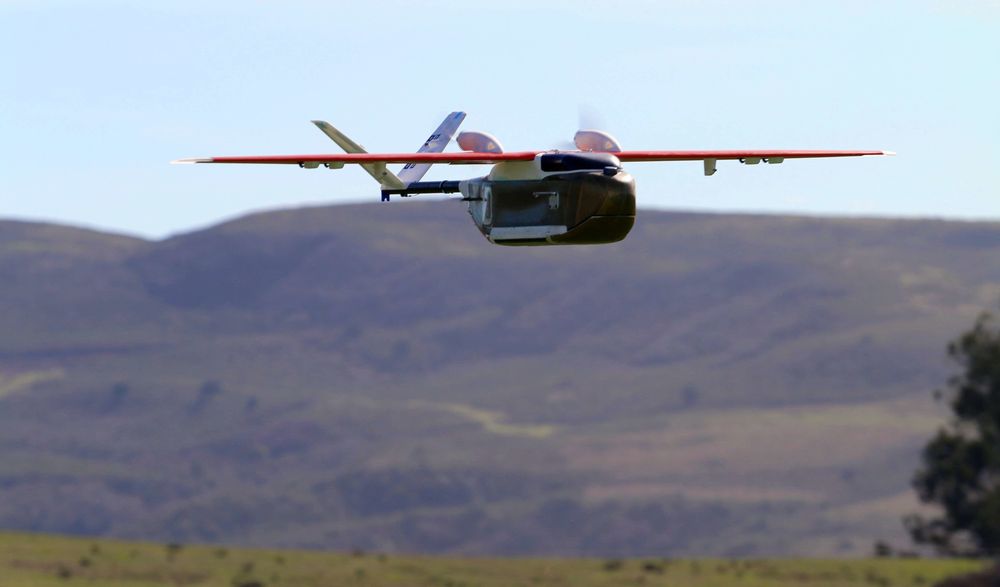
Rwanda Has Just Completed Over 10,000 Deliveries of Health Supplies Via Medical Drones
Rwanda’s advancements on the technological front have been dazzling, with that enviable touch of innovation. Ever since deliveries of health supplies through drones commenced in 2016, the stats have been phenomenal.
To date, over 10,000 health supply deliveries have been completed and this is such a huge feat. Medical drones were launched in October 2016, in partnership with #Zipline Inc. Rwanda is the first country on the continent, and in the world to have such services in the health sector. Such monumental success easily makes Rwanda’s healthcare system among the best in Africa.
Rwanda has completed over 10,000 deliveries of health supplies by medical drones.

Scientists discover predictors that determine toxic fats in the liver
Accumulation of fat in the liver, known as fatty liver disease, is experienced by over 5.5 million Australians, including more than 40% of all adults over the age of 50.
Fatty liver develops from a combination of both genetic and environmental causes, which influence the age of onset and severity of the disease. Experts are now describing the condition as a hidden epidemic, which is driving up rates of liver transplant, contributing to a range of illnesses and ultimately death.
Fatty liver disease usually has no early symptoms and diagnoses with current technologies mostly comes when it’s too late to prevent major illness. But now, for the first time in a study published in the prestigious scientific journal, Nature, a team of researchers from the Baker Heart and Diabetes Institute, University of California, and University of Sydney, have discovered biomarkers in the blood that can predict the accumulation of toxic fats in the liver, which are a sign of early fatty liver disease. These predictions can be made based on the lipid (fats) profile in the blood.

Study finds that in mice, lycopene in tomatoes reduced fatty liver disease, inflammation and liver cancer
In the fight against cancer, there is a surprising tool in the arsenal: the food we eat. That’s because some nutrients in food have been found to play a role in preventing cancer, and it’s relevant because the World Cancer Research Fund reports that 30 to 50 percent of cancer cases are preventable, putting a focus on stopping cancer from developing in the first place.
Xiang-Dong Wang, a senior scientist and associate director of the Jean Mayer USDA Human Research Center on Aging at Tufts, studies how food can help prevent cancer development, particularly lung, liver, and colon cancer.
Although the rate of most cancers is dropping, there is increasing concern about the rise in both incidence and death rate of liver cancer in the United States, partially due to the parallel rise in nonalcoholic fatty liver disease, obesity, and diabetes.
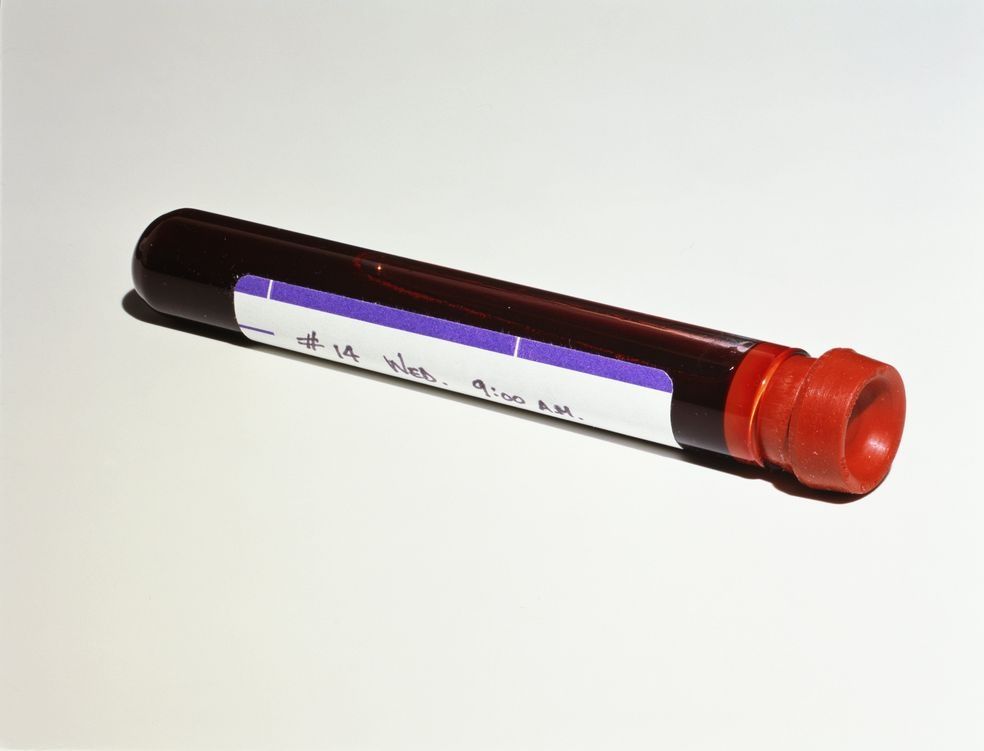

Antarctic blackfin icefish genome reveals adaptations to extreme environments
Icefishes (suborder Notothenioidei; family Channichthyidae) are the only vertebrates that lack functional haemoglobin genes and red blood cells. Here, we report a high-quality genome assembly and linkage map for the Antarctic blackfin icefish Chaenocephalus aceratus, highlighting evolved genomic features for its unique physiology. Phylogenomic analysis revealed that Antarctic fish of the teleost suborder Notothenioidei, including icefishes, diverged from the stickleback lineage about 77 million years ago and subsequently evolved cold-adapted phenotypes as the Southern Ocean cooled to sub-zero temperatures. Our results show that genes involved in protection from ice damage, including genes encoding antifreeze glycoprotein and zona pellucida proteins, are highly expanded in the icefish genome. Furthermore, genes that encode enzymes that help to control cellular redox state, including members of the sod3 and nqo1 gene families, are expanded, probably as evolutionary adaptations to the relatively high concentration of oxygen dissolved in cold Antarctic waters. In contrast, some crucial regulators of circadian homeostasis (cry and per genes) are absent from the icefish genome, suggesting compromised control of biological rhythms in the polar light environment. The availability of the icefish genome sequence will accelerate our understanding of adaptation to extreme Antarctic environments.
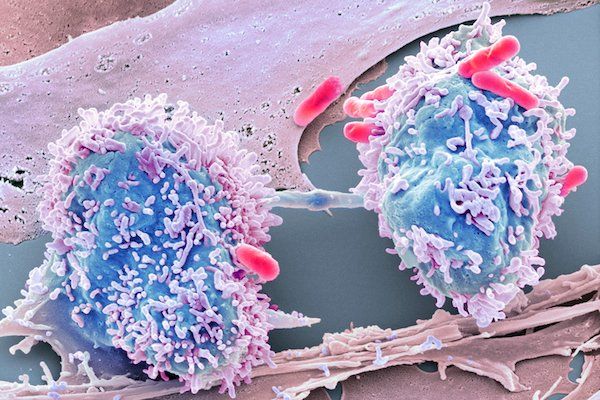
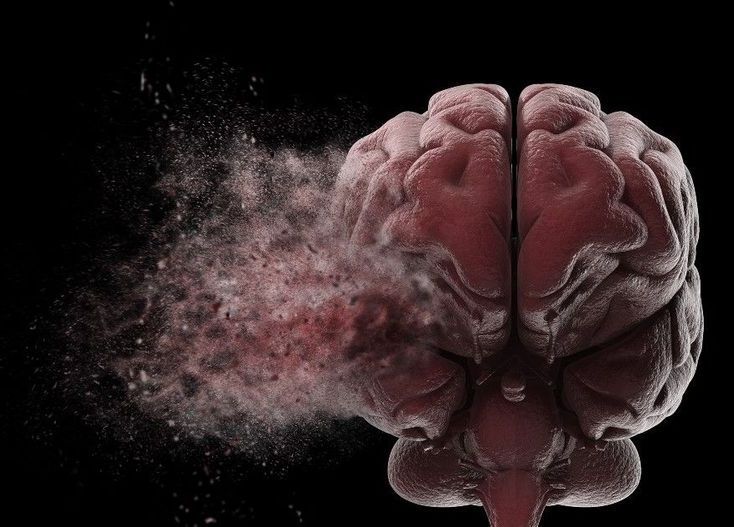
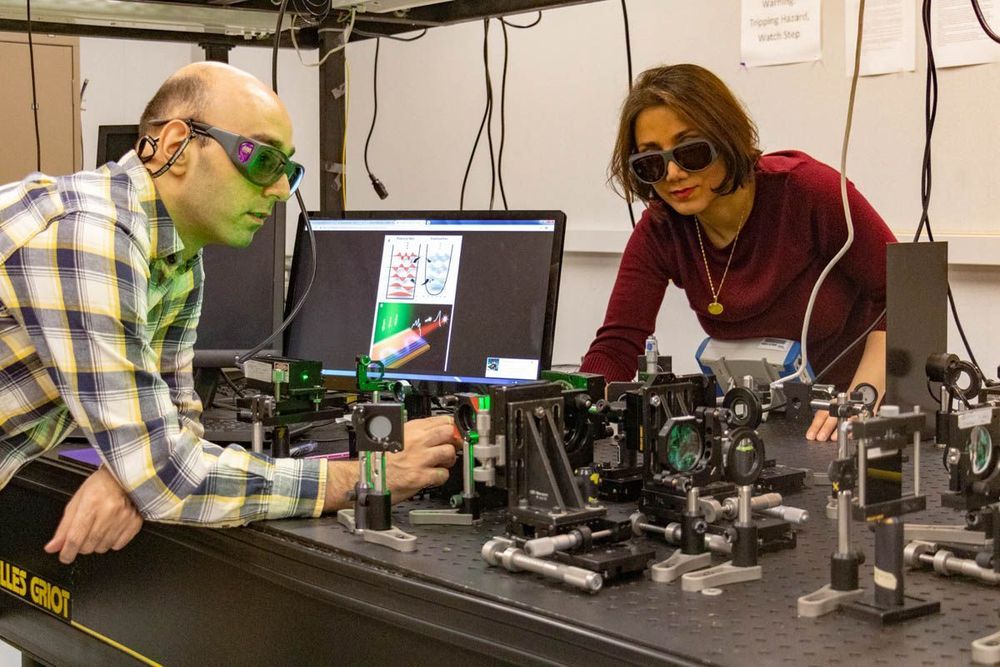
UCF Researchers Develop First Supersymmetric Laser Array
A team of University of Central Florida researchers has overcome a long-standing problem in laser science, and the findings could have applications in surgery, drilling and 3D laser mapping.
Using the principle of supersymmetry, they have developed the first supersymmetric laser array. Their findings were published recently in the journal Science.
Supersymmetry is a conjecture in physics that says every particle of matter, such as an electron, has one or more superpartners that is the same except for a precise difference in their momentum.
NVIDIA Transfer Learning Toolkit
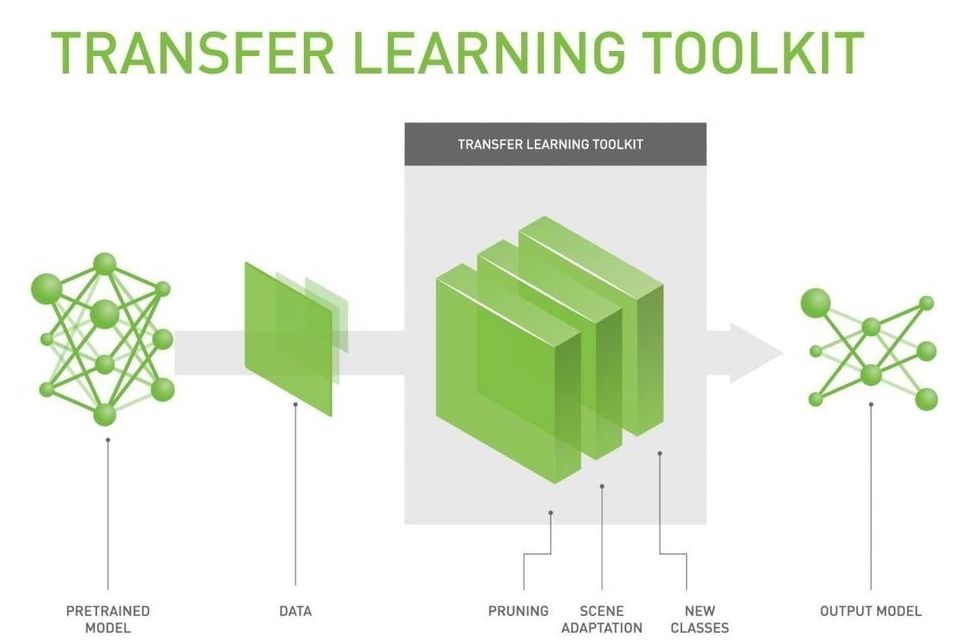
The is ideal for deep learning application developers and data scientists seeking a faster and efficient deep learning training workflow for various industry verticals such as Intelligent Video Analytics (IVA) and Medical Imaging. Transfer Learning Toolkit abstracts and accelerates deep learning training by allowing developers to fine-tune NVIDIA provided pre-trained models that are domain specific instead of going through the time-consuming process of building Deep Neural Networks (DNNs) from scratch. The pre-trained models accelerate the developer’s deep learning training process and eliminate higher costs associated with large scale data collection, labeling, and training models from scratch.
The term “transfer learning” implies that you can extract learned features from an existing neural network and transfer these learned features by transferring weights from an existing neural network. The Transfer Learning Toolkit is a Python based toolkit that enables developers to take advantage of NVIDIA’s pre-trained models and offers technical capabilities for developers to add their own data to make the neural networks smarter by retraining and allowing them to adapt to the new network changes. The capabilities to simply add, prune and retrain networks improves the efficiency and accuracy for deep learning training workflow.