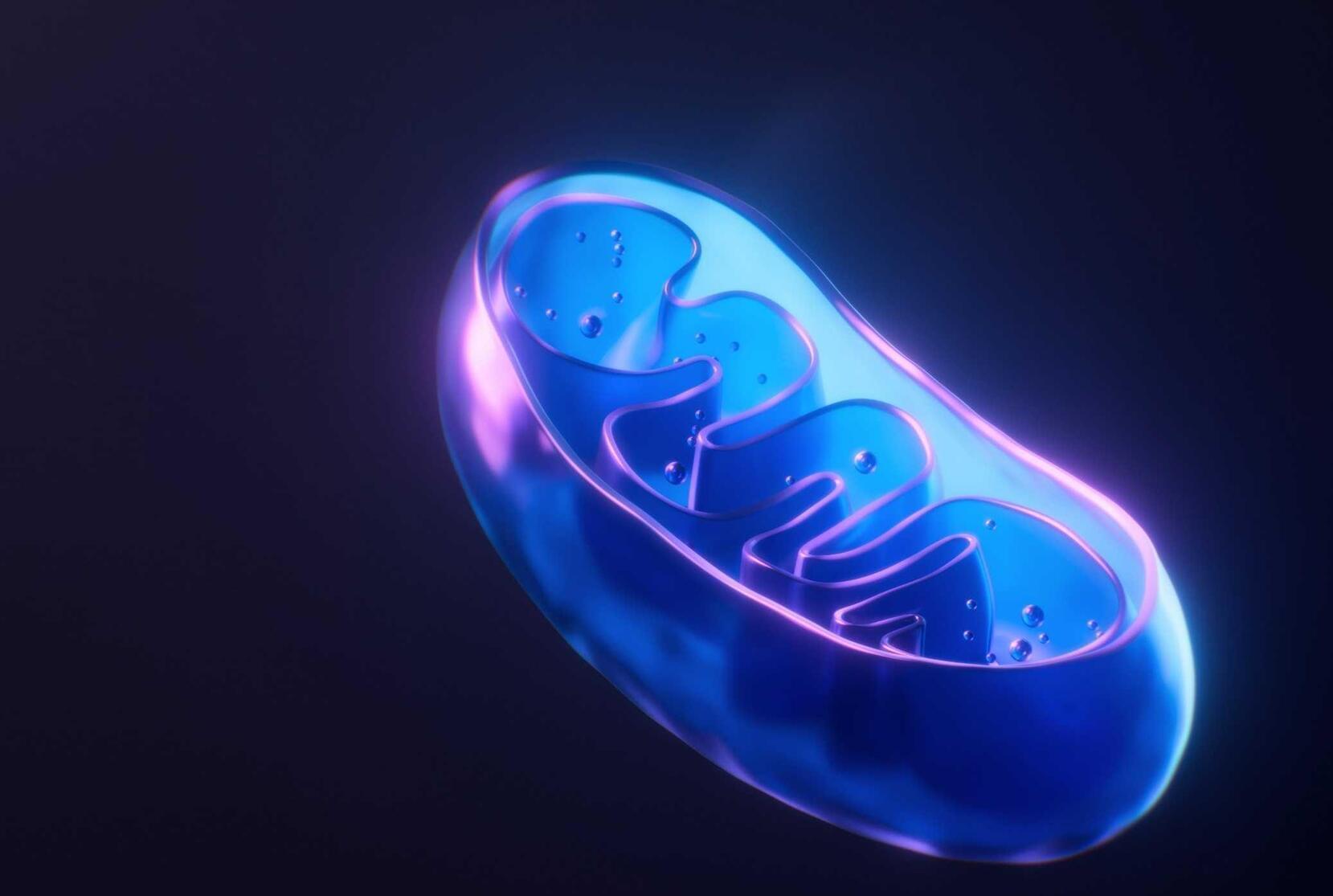
New system directs mitochondria to damaged cells and boosts their energy, paving the way for treatments for diseases.
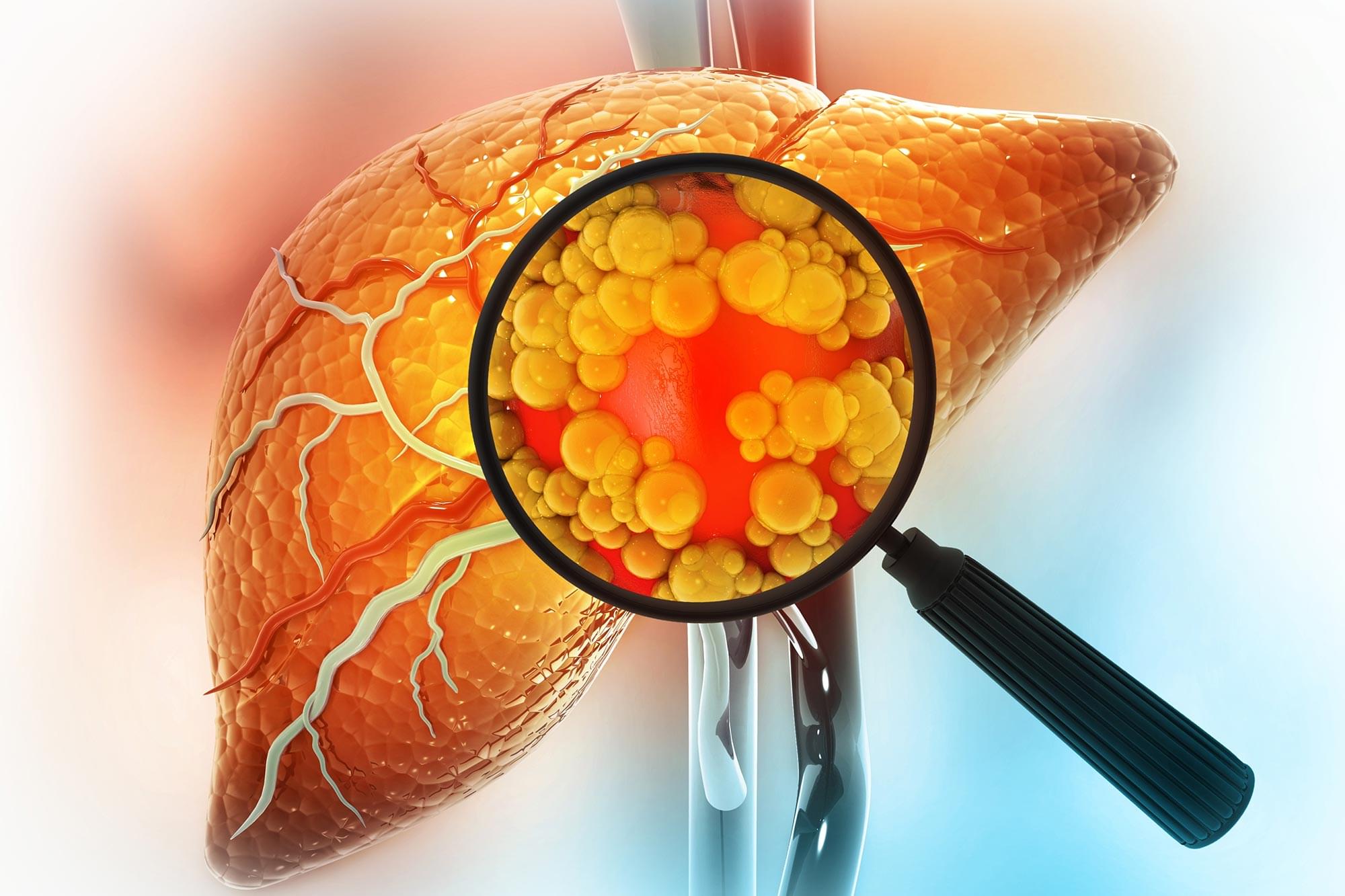
What if we stopped managing disease…and started eliminating it entirely?
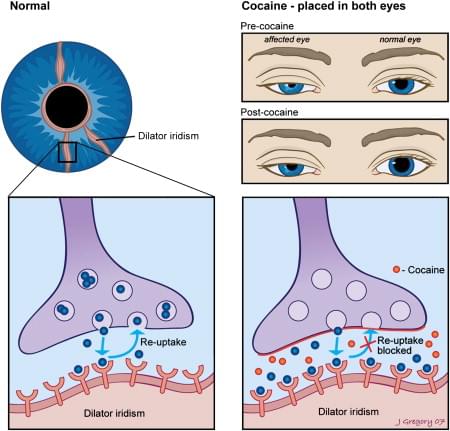
Horner’s syndrome (HS) occurs when there is interruption of the oculosympathetic pathway (OSP). This article reviews the anatomy of the OSP and clinical findings associated with lesions located at various positions along this pathway. The imaging findings of lesions associated with HS at various levels of the OSP, classified as preganglionic HS (first-and second-order neuron HS) or postganglionic HS (third-order neuron HS), are demonstrated.
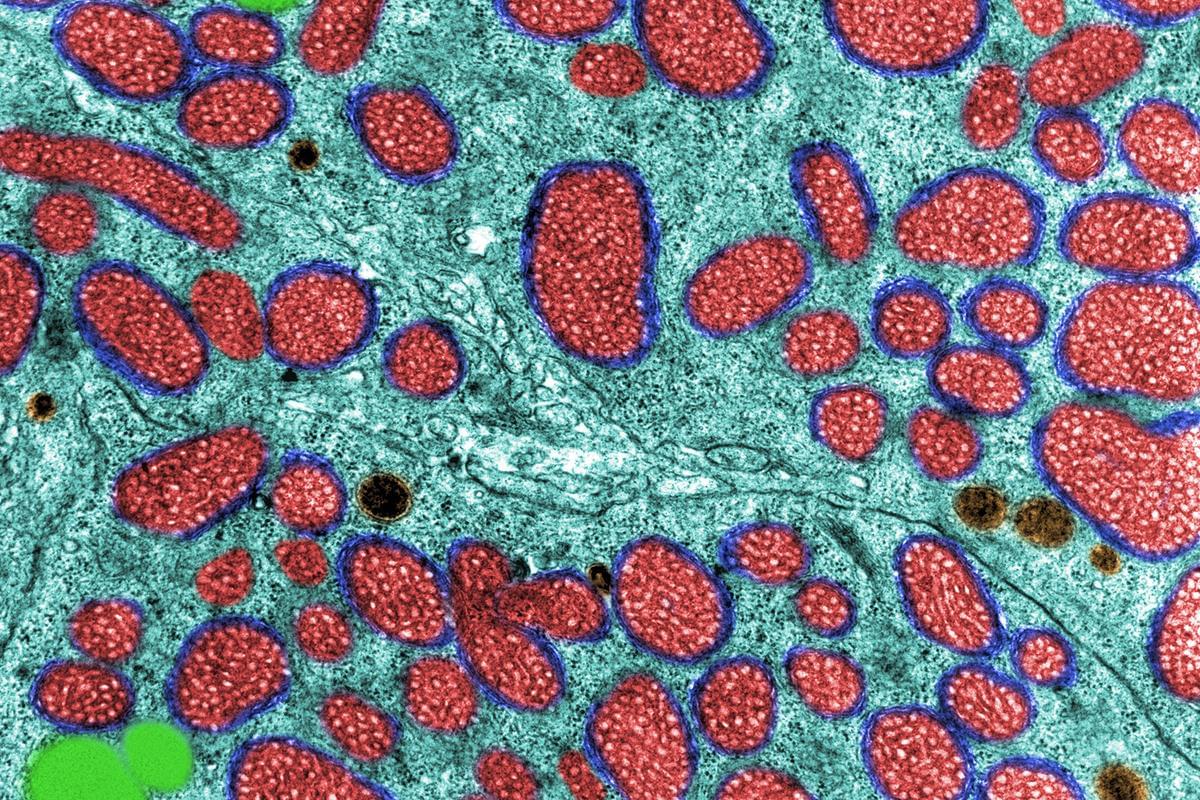
‘Practices that reduce perceived threat – mindfulness, social support, time in nature, deliberate recovery periods – are not indulgences. They are forms of energetic repair.’
The energy systems in our brains are implicated in how clearly we think, how resilient we feel, and how well we adapt to uncertainty. Understanding them can help us better care for our bodies as we age.
In this sharp and insightful essay, Hannah Critchlow takes you through the many ways in which our brains generate and use energy, and offers some helpful recommendations for looking after your brain health. Read or listen now.
In an era preoccupied with cognitive enhancement and artificial minds, it is worth remembering that intelligence depends on sustaining delicate energetic equilibria. To care for our bodies, our relationships and our environment is, in a literal sense, to care for the energy that makes thought possible.
The evolutionary merger that gave rise to mitochondria offers a final lesson. Complexity and intelligence did not emerge from domination but from partnership. Within us, ancient bacteria still labour – not as servants but as collaborators. Every thought we have, every spark of imagination, is powered by this quiet cooperation at the cellular level. Intelligence, in any form, is a partnership with energy itself.
One takeaway is that a brain fit for the 21st century may be one that understands – and respects – its bioenergetic foundations.
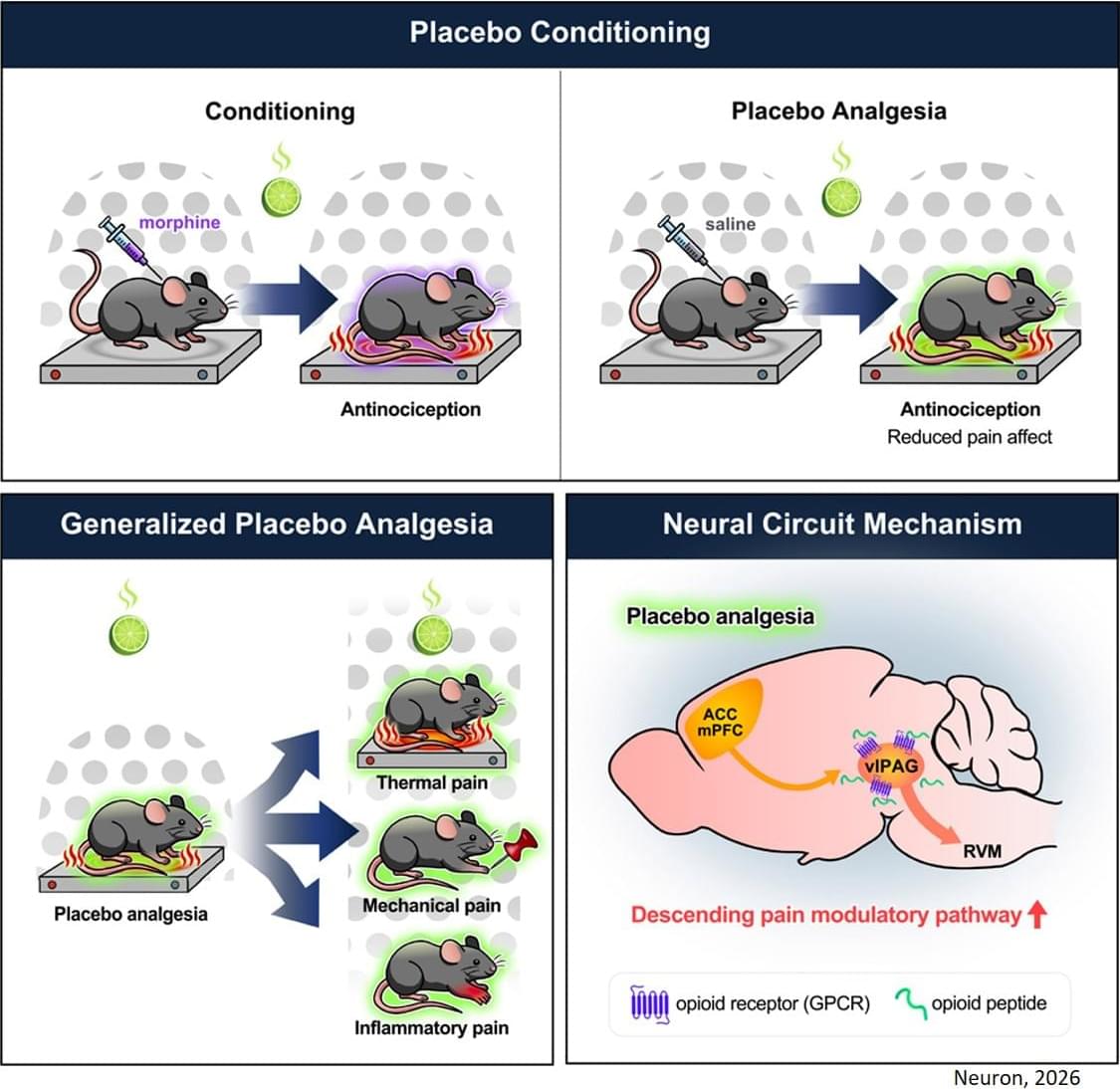
The authors discovered that training mice to exhibit a placebo effect with one type of pain produces marked relief of several different types of pain, including pain caused by injury.
To establish that the native opioid peptides actually drive pain relief, similar to opioid painkillers such as morphine, the researchers employed a light-activated drug developed in Banghart’s lab called PhNX, for photoactivatable naloxone. Naloxone, also known as Narcan, is the medicine used to reverse opioid overdoses by blocking opioid receptors. Using light, they were able to precisely control the site and timing of opioid signaling interference. Using PhNX, the scienists found that both morphine-induced pain relief and placebo pain relief rely on opioid signaling in the vlPAG brain region.
Co-first author: “We essentially trained a mouse brain to create its own broad-spectrum painkillers on demand, precisely where they are needed to treat pain, without the off-target effects of opioid-based painkillers.”
“These results increase the translational relevance of rodent placebo models to clinical contexts, in which patients’ prior experiences with drugs and treatment settings can generalize to broader expectations of improvement,” the researchers conclude in their paper. ScienceMission sciencenewshighlights.
Placebo effects, in which patients experience relief without therapeutic treatment, increasingly have been considered as potentially powerful clinical treatments for ailments such as depression and pain. Yet the neurological mechanisms underlying such processes are not fully understood.
Now, a multi-institutional team has pinpointed the brain circuitry responsible for placebo pain relief. Their findings, reported in the journal Neuron, describe brain regions that support placebo effects and identify sites where endogenous opioid neuropeptides (commonly referred to as endorphins) provide signals that are critical for placebo pain relief.

TIMEPIX@school is a new initiative supported through the CERN & Society Foundation that will bring Timepix-based detectors, developed by the CERN Medipix2 Collaboration, into classrooms across the world. Following the success of a few pilot initiatives, a coordinated project will be launched for the first time in the academic year 2026–2027 and is estimated to reach 20.000 students by 2030. Particular emphasis will be placed on reaching schools in underserved and underrepresented communities, and engaging female students.
By giving students hands-on experience with the same technology used in high-energy physics, medicine, aerospace, and art, TIMEPIX@school aims to bridge the gap between the physics that is taught in school and everyday life, showcasing how science contributes to real-world societal challenges. By making science more accessible and relatable, the project will hopefully inspire a broader range of students to pursue STEM pathways, helping nurture a more diverse and inclusive STEM workforce.
At the same time, TIMEPIX@school will contribute to teachers’ professional development by offering them opportunities to diversify their teaching practice, strengthen their confidence in teaching modern physics, and deepen their subject knowledge.
Over one billion people worldwide are over 60, and the population is projected to more than double by 2050. But as more people live into their 60s, 70s, and 80s, health care systems across the globe may face new challenges as they attempt to manage associated increases in age-related disease.
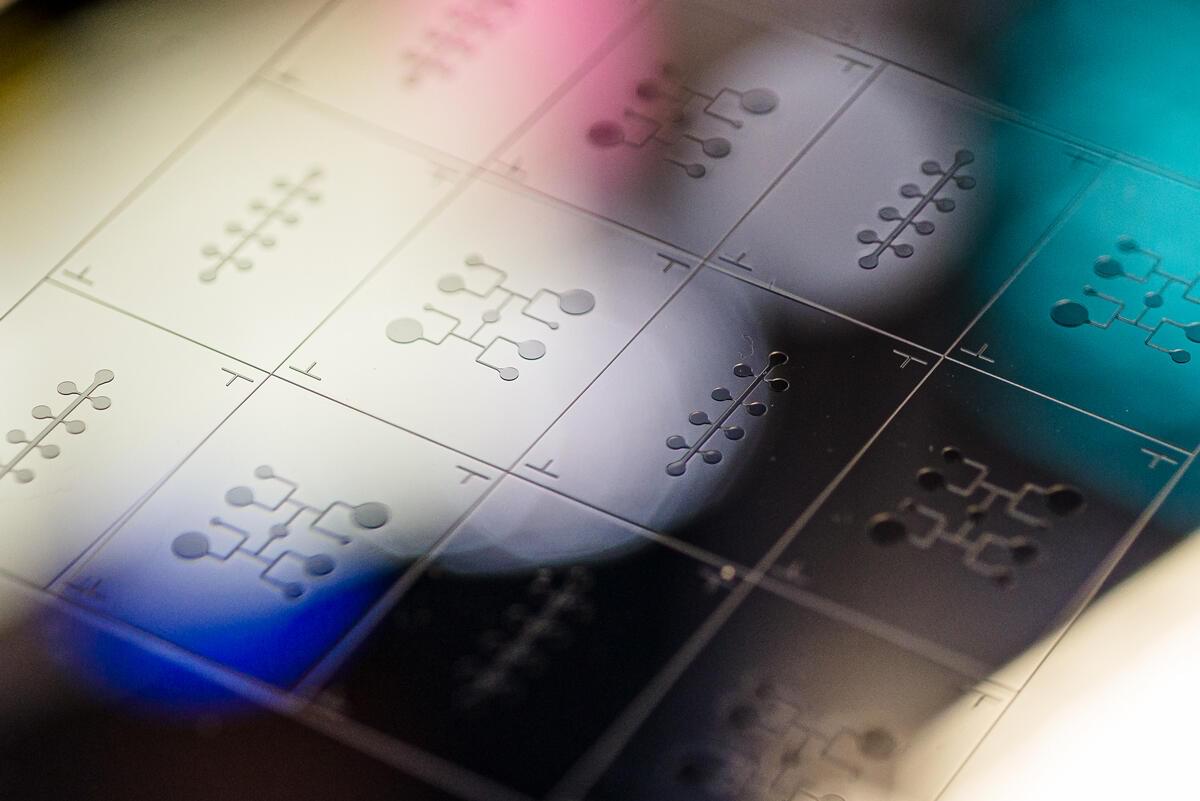
Metabolic biologist Andreas Stahl and preeminent longevity researcher Irina Conboy argue that the graying of the global population underscores the need to understand aging as a biological process, and how it might be slowed or reversed. Longevity therapeutics, however, are expensive to develop, and the lack of rapid, reliable tools to study human aging can make it difficult to test these next-generation therapies. While animal models can provide important data, there are often many caveats when applying those findings to human biology during trials.
“Over $130 billion is spent on drug development each year in the United States, but over 90% end up failing in clinical trials,” explained Stahl, the Ruth Okey Professor in the Department of Metabolic Biology and Nutrition (MBN) and a member of the California Institute for Quantitative Biosciences at UC Berkeley (QB3-Berkeley). “Pharmaceutical developers and regulators such as the US Food and Drug Administration are increasingly realizing that we need to change our drug development pipeline and make it more relevant to human biology.”
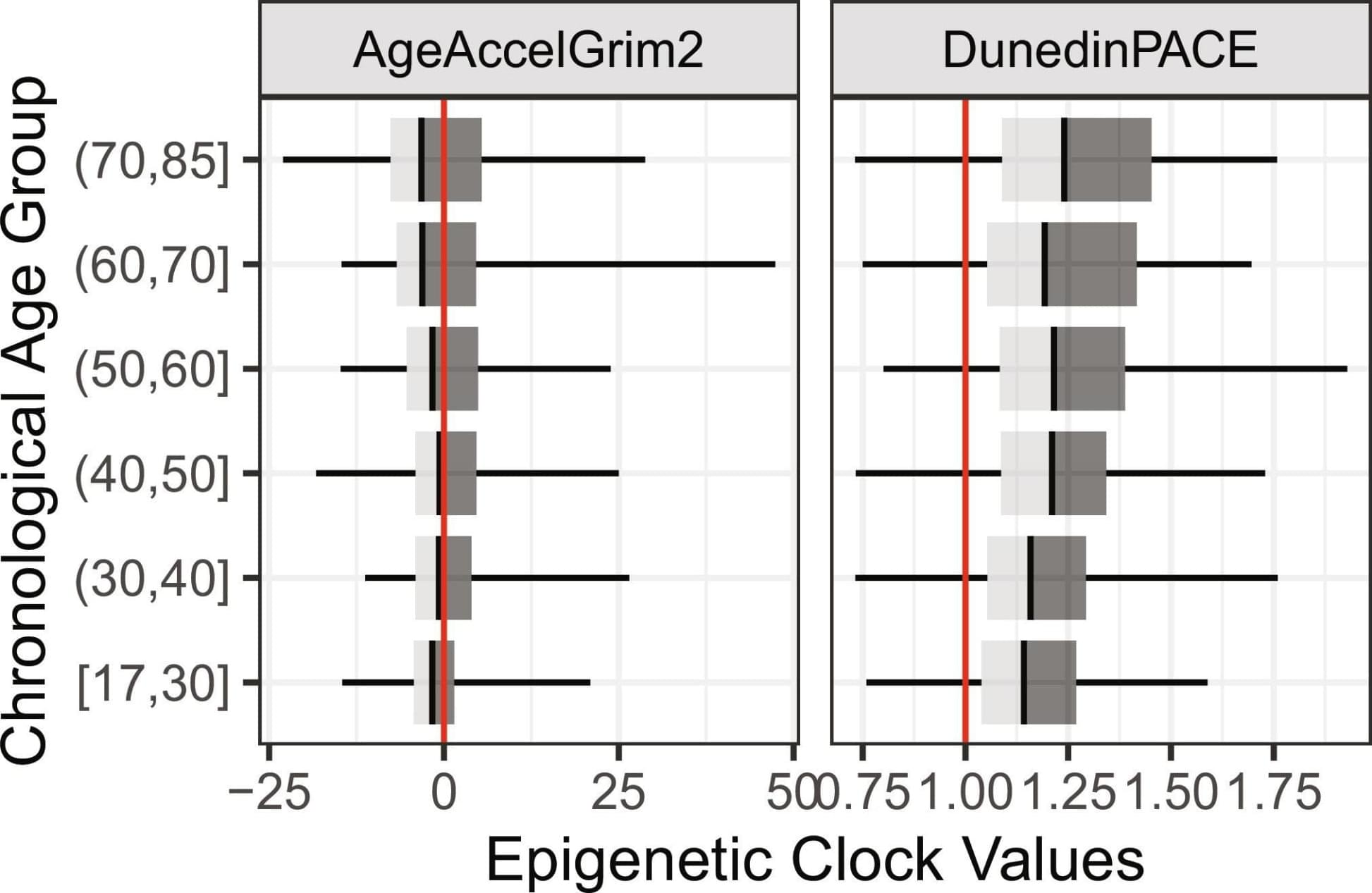
Negative social ties, or “hasslers,” are pervasive yet understudied components of social networks that may accelerate biological aging and morbidity. Using ego-centric network data and DNA methylation-based biological aging clocks (i.e., DunedinPACE and age-accelerated GrimAge2) from saliva from a state representative probability sample in Indiana, we examine how negative social ties are associated with accelerated biological aging and a broad range of health outcomes, including inflammation and multimorbidity. Negative relationships are not rare within close relationships, as nearly 30% of individuals report having at least one hassler in their network. These hasslers tend to occupy peripheral network positions and are more likely to be connected through weak, uniplex ties. Importantly, exposure to negative social ties follows patterns of social and health vulnerability, with women, daily smokers, people in poorer health, and those with adverse childhood experiences more likely to report having hasslers in their networks. Having more hasslers is associated with accelerated biological aging in both rate and cumulative burden: Each additional hassler corresponds to approximately 1.5% faster pace of aging and roughly 9 mo older biological age. Moreover, not all hasslers exert the same influence; kin and nonkin hasslers show detrimental associations, whereas spouse hasslers do not. Finally, a greater number of hasslers is associated with multiple adverse health outcomes beyond epigenetic aging. These findings together highlight the critical role of negative social ties in biological aging as chronic stressors and the need for interventions that reduce harmful social exposures to promote healthier aging trajectories.