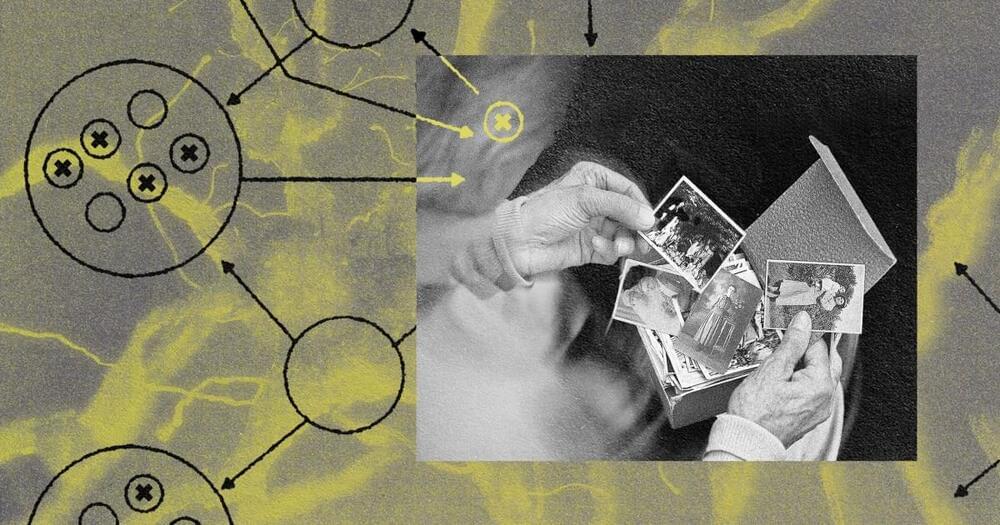
Two new treatments for Alzheimer’s – lecanemab and donanemab – have been hailed as breakthroughs. In reality, they will have little effect.
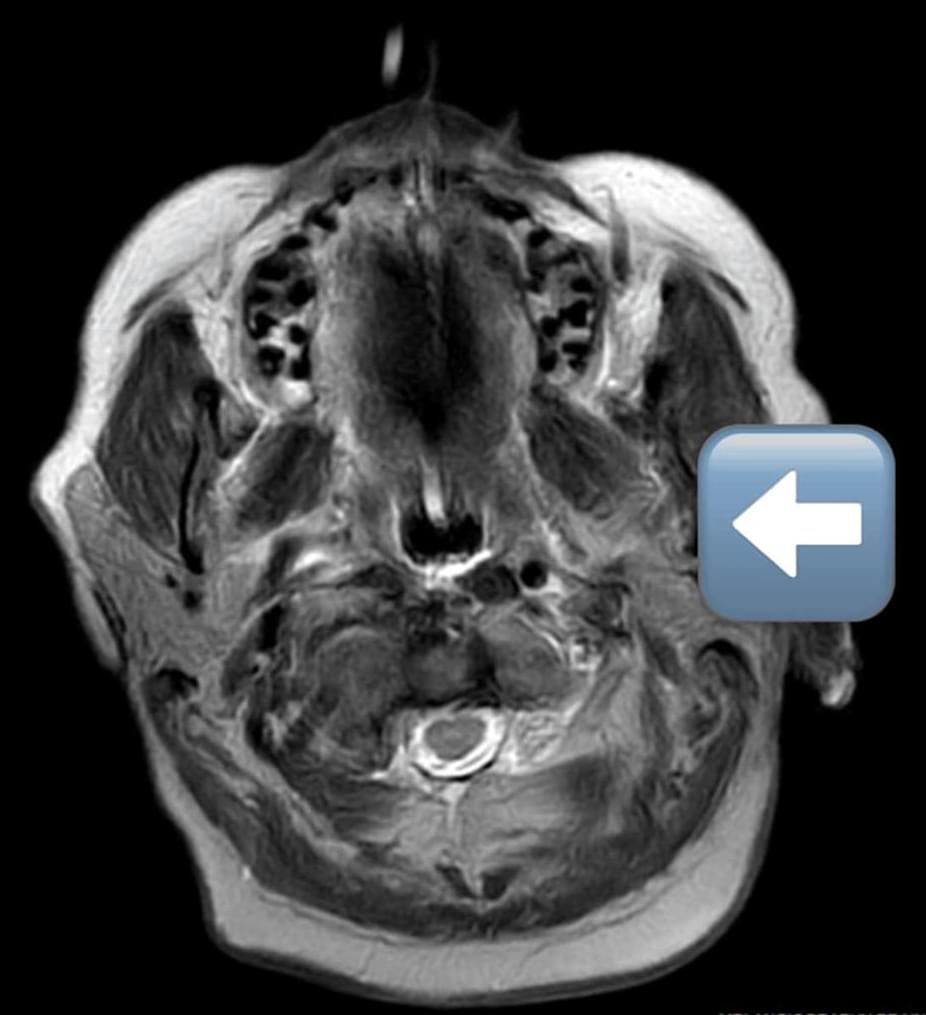
Read this fascinating case study on the impact of physical rehabilitation using X-Sens Inertial Technology feedback for Posterior Cerebral Artery Infarcts! 🧠.
Acute ischemic stroke (AIS) affecting the posterior cerebral artery (PCA) represents a unique clinical challenge, necessitating a multifaceted approach to rehabilitation. This review aims to provide a comprehensive overview of physiotherapeutic interventions tailored specifically for individuals with AIS involving the PCA territory. The PCA supplies critical areas of the brain responsible for visual processing, memory, and sensory integration. Consequently, patients with PCA infarcts often exhibit a distinct set of neurological deficits, including visual field disturbances, cognitive impairments, and sensory abnormalities. This case report highlights evidence-based physiotherapy strategies that encompass a spectrum of interventions, ranging from early mobilization and motor training to sensory reintegration and cognitive rehabilitation.
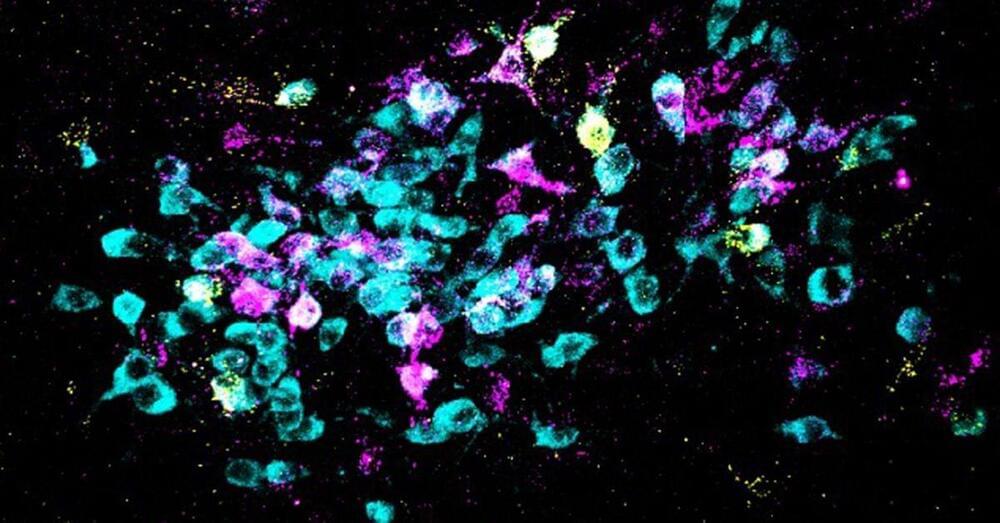
The stress-induced mechanisms that cause our brain to produce feelings of fear in the absence of threats have been mostly a mystery. Now, neurobiologists at the University of California San Diego have identified the changes in brain biochemistry and mapped the neural circuitry that cause such a generalized fear experience. Their research, published in the journal Science on March 15, 2024, provides new insights into how fear responses could be prevented.
In their report, former UC San Diego Assistant Project Scientist Hui-quan Li, (now a senior scientist at Neurocrine Biosciences), Atkinson Family Distinguished Professor Nick Spitzer of the School of Biological Sciences and their colleagues describe the research behind their discovery of the neurotransmitters — the chemical messengers that allow the brain’s neurons to communicate with one another — at the root of stress-induced generalized fear.
Studying the brains of mice in an area known as the dorsal raphe (located in the brainstem), the researchers found that acute stress induced a switch in the chemical signals in the neurons, flipping from excitatory “glutamate” to inhibitory “GABA” neurotransmitters, which led to generalized fear responses.

To help with weight loss, many individuals turn to various strategies, including fad diets, intense exercise routines, and even supplements. However, one crucial factor often overlooked is the role of hormones in regulating appetite and metabolism. Glucagon-like peptide 1 (GLP-1) is a hormone that plays a significant role in satiety and glucose control. By increasing GLP-1 levels naturally, individuals can potentially enhance weight loss efforts (did you know Ozempic and Wegovy are not the only ways to do this!). Of course at STAT Wellness our goal is to uncover the root cause of your weight loss struggles; as a patient of STAT you will not get a blanket “you need to eat less and exercise more” mentality. So if the information in this article is not helpful, don’t settle until you have answers. We are complex beings and need to be treated that way. However the purpose of this article is to explore natural methods to boost GLP-1 levels and support weight loss efforts.
Consume Fiber-Rich Foods.
Dietary fiber has long been recognized as an essential component of a healthy diet, but its role in weight loss is often underestimated. Fiber-rich foods, such as whole grains, fruits, vegetables, and legumes, not only provide satiety but also help increase GLP-1 secretion. When consumed, fiber slows down digestion and promotes the release of GLP-1 from the intestinal cells. Additionally, certain soluble fibers act as prebiotics, nourishing beneficial gut bacteria, which further enhances GLP-1 production. Including a variety of fiber-rich foods in your diet can support weight loss efforts by promoting feelings of fullness and regulating appetite. Looking for ways to get more fiber consider: acacia fiber, ground flaxseed, chia seeds, avocado, raspberries, cruciferous vegetables, lentils, beans, and zen basil seeds (which are also lectin free).

“More testing, a purification system and approval from the U.S. Food and Drug Administration would be needed to put the strategy to work. But insulin produced by transgenic cows could ease shortages that often make the hormone hard to come by for the 8.4 million Americans with diabetes who rely on it to survive.”
MONDAY, March 18, 2024 (HealthDay News) — There may be an unexpected fix for ongoing shortages of insulin: A brown bovine in Brazil recently made history as the first transgenic cow able to produce human insulin in her milk.
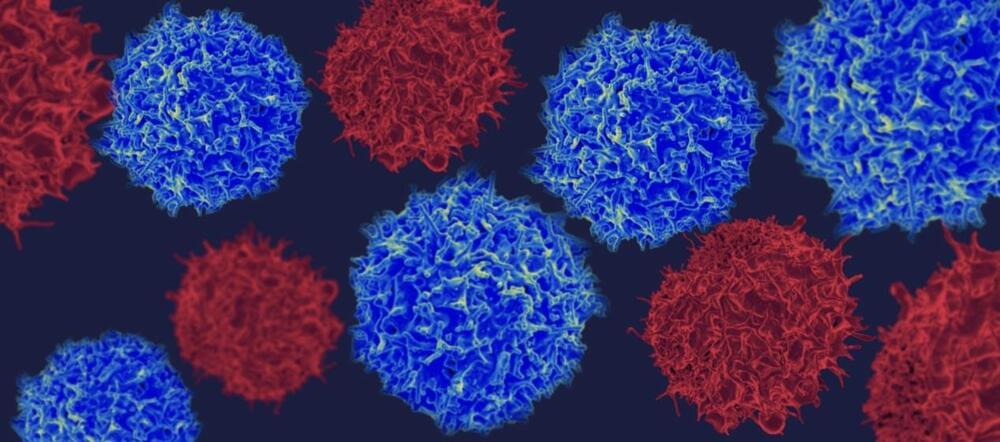
The manufacturing process for personalized T-cell therapies hardly begins before it stalls. Why? Right at the start, there is a severe bottleneck: the need to identify patient-derived, tumor-reactive T-cell receptors (TCRs).
To overcome this bottleneck, scientists at the German Cancer Research Center (DKFZ) and the University Medical Center Mannheim have developed predicTCR, a machine learning classifier. According to the scientists, it can identify individual tumor-reactive tumor-infiltrating lymphocyte (TILs) in an antigen-agnostic manner based on single-TIL RNA sequencing.
The scientists also assert that prediTCR can halve the time it takes to get past the bottleneck, helping to reduce the overall time needed to make a personalized T-cell therapy for cancer patients. Since the overall time is at least six months, any reduction in the time needed to complete any manufacturing step is welcome.
Humanity’s Michael Geer explains what Large Biological Models are and why they are the next giant leap in health.
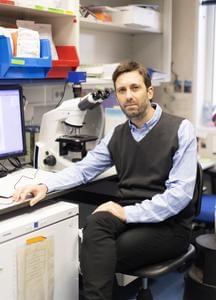
Until now, it was not clear how hepatocytes were assigned tasks related to their localization. Researchers at the Spanish National Cancer Research Center (CNIO) have discovered that a gene, mTOR, is responsible for organizing the hepatocyte position map.
They also found that what triggers hepatocyte specialization is feeding after birth. The difference is marked by how nutrients reach the organism before and after birth: with no interruptions through the umbilical cord in one case, or in an intermittent fashion –when eating– in the other. The alternation of periods with and without available nutrients activates the mTOR gene and causes the hepatocytes to specialize, which completes the maturation of the liver.
Short version: You should be taking NAD boosters.
Professor Danica Chen from UC Berkeley presents ways to protect mitochondria and reverse stem cell aging in this video.
https://pubmed.ncbi.nlm.nih.gov/36255…
https://pubmed.ncbi.nlm.nih.gov/32504…
https://www.sciencedirect.com/science…
https://pubmed.ncbi.nlm.nih.gov/37146…
https://pubmed.ncbi.nlm.nih.gov/37919…
Please note that the links below are affiliate links, so we receive a small commission when you purchase a product through the links. Thank you for your support!
=*=*=*=*=*=*=*=*=*=*=*=*=*=*=*=*=*=*=*=*=*=*=*=*=*=*=*=*=*=*=*=*=*=
~*~ ProHealth, DoNotAge, RenueByScience~*~ Discount Coupon CODE: REVERSE
🌏ProHealth Longevity 15% OFF All Products https://prohealth.pxf.io/REVERSEAGING
Trans-Resveratrol 500mg Caps https://prohealth.pxf.io/TransResvera…
TMG Pro Powder (100 grams) https://prohealth.pxf.io/TMG100
Calcium AKG 500mg Caps https://prohealth.pxf.io/CaAKG
Full Spectrum Apigenin https://prohealth.pxf.io/apigenin.
Longevity Collagen https://prohealth.pxf.io/LongevityCol…
Berberine Pro 600 mg Caps https://prohealth.pxf.io/Berberine.
Astaxanthin 12mg https://prohealth.pxf.io/astaxanthin.
NAD+ Triple Boost https://prohealth.pxf.io/NADTripleBoost.
Alpha Lipoic Acid 1g https://prohealth.pxf.io/ALA
🧬 DoNotAge 10% OFF All Products http://tinyurl.com/wk688hav.
Pure Vitamin D3, K2 \& Magnesium http://tinyurl.com/ywxx3j7c.
Pure Spermidine http://tinyurl.com/yc2xbp65 Pure Fisetin http://tinyurl.com/3vhtt7a3
SIRT6 Activator http://tinyurl.com/mss7vrrn.
🔬Renue By Science 10% OFF All Products https://bit.ly/3pAFwDY