
What do people see when they die? New research finds what people can recall after surviving a cardiac arrest.
Category: biotech/medical – Page 1,353
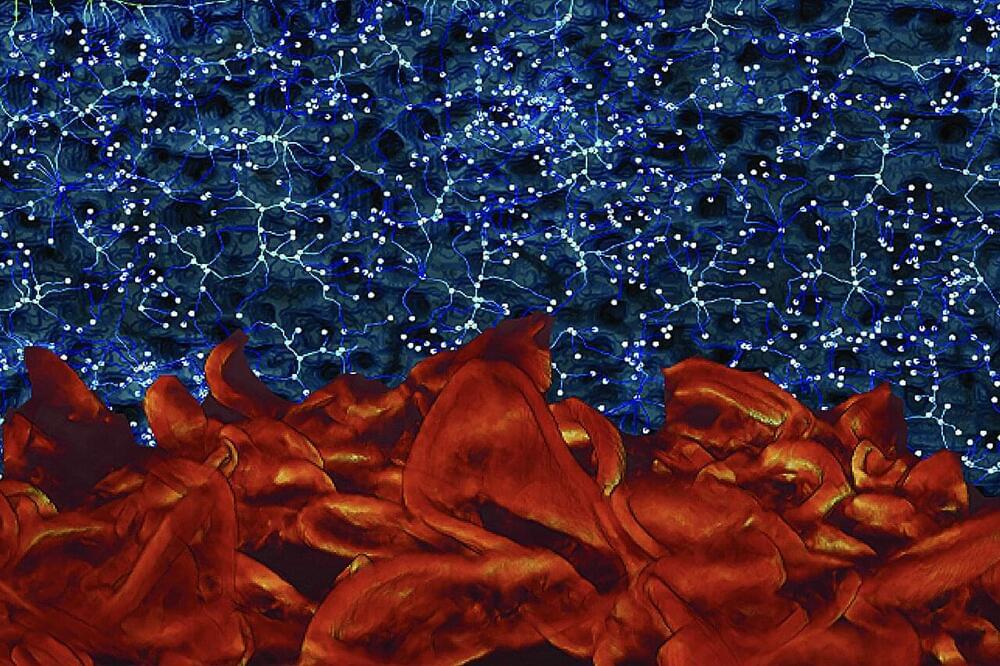
Nothing is everything: How hidden emptiness can define the usefulness of filtration materials
Voids, or empty spaces, exist within matter at all scales, from the astronomical to the microscopic. In a new study, researchers used high-powered microscopy and mathematical theory to unveil nanoscale voids in three dimensions. This advancement is poised to improve the performance of many materials used in the home and in the chemical, energy and medical industries—particularly in the area of filtration.
Magnification of common filters used in the home shows that, while they look like a solid piece of material with uniform holes, they are actually composed of millions of randomly oriented tiny voids that allow small particles to pass through. In some industrial applications, like water and solvent filtration, paper-thin membranes make up the barriers that separate fluids and particles.
“The materials science community has been aware of these randomly oriented nanoscale voids within filter membranes for a while,” said Falon Kalutantirige, a University of Illinois Urbana-Champaign graduate student.

A Solar cell you can Bend and Soak in, Water
Researchers from the RIKEN Center for Emergent Matter Science and collaborators have developed an organic photovoltaic film that is both waterproof and flexible, allowing a solar cell to be put onto slothes and still function correctly after being rained on or even washed.
One of the potential uses of organic photovoltaics is to create wearable electronics — devices that can be attached to clothing that can monitor medical devices, for example, without requiring battery changes.
However, researchers have found it challenging to achieve waterproofing without the use of extra layers that end up decreasing the flexibility of the film.
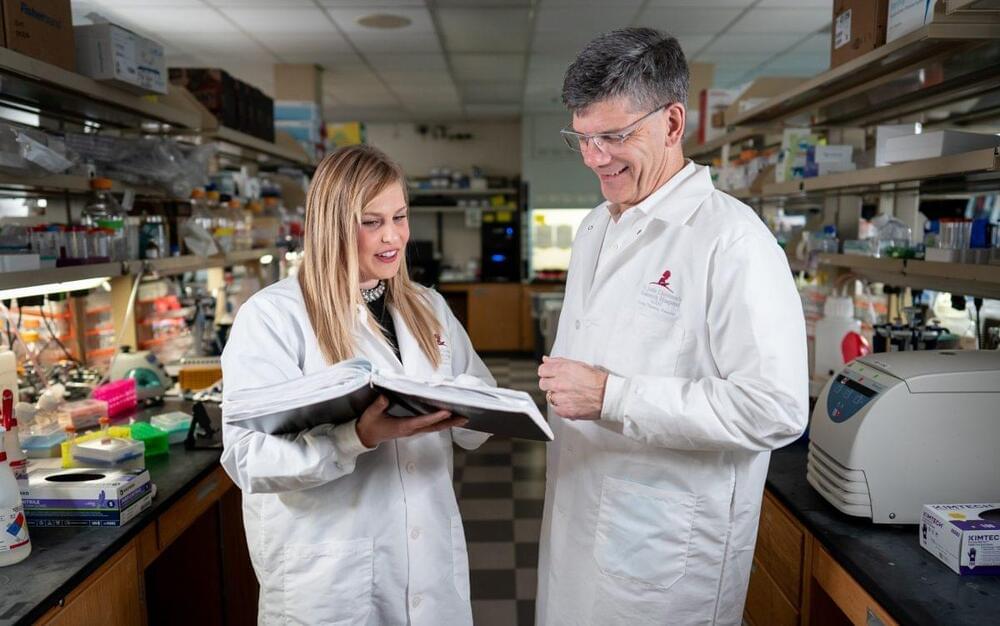
Researchers Turn Sack the Clock on Cancer Cells to offer New Treatment Paradigm
St. Jude Children’s Research Hospital scientists reversed an aggressive cancer, reverting malignant cells towards a more normal state. Rhabdoid tumors are an aggressive cancer which is missing a key tumor suppressor protein. Findings showed that with the missing tumor suppressor, deleting or degrading the quality control protein DCAF5 reversed the cancer cell state. These results suggest a new approach to curing cancer — returning cancerous cells to an earlier, more normal state rather than killing cancer cells with toxic therapies — may be possible. The results were published today in Nature.
“Rather than making a toxic event that kills rhabdoid cancer, we were able to reverse the cancer state by returning the cells toward normal,” said senior author Charles W.M. Roberts, MD, PhD, Executive Vice President and St. Jude Comprehensive Cancer Center director. “This approach would be ideal, especially if this paradigm could also be applied to other cancers.”
“We found a dependency which actually reverses the cancer state,” said first author Sandi Radko-Juettner, PhD, a former St. Jude Graduate School of Biomedical Sciences student, now a Research Program Manager for the Hematological Malignancies Program at St. Jude. “Standard cancer therapies work by causing toxicities that also damage healthy cells in the body. Here, it appears that we’re instead fixing the problem caused by the loss of a tumor suppressor in this rhabdoid cancer.”
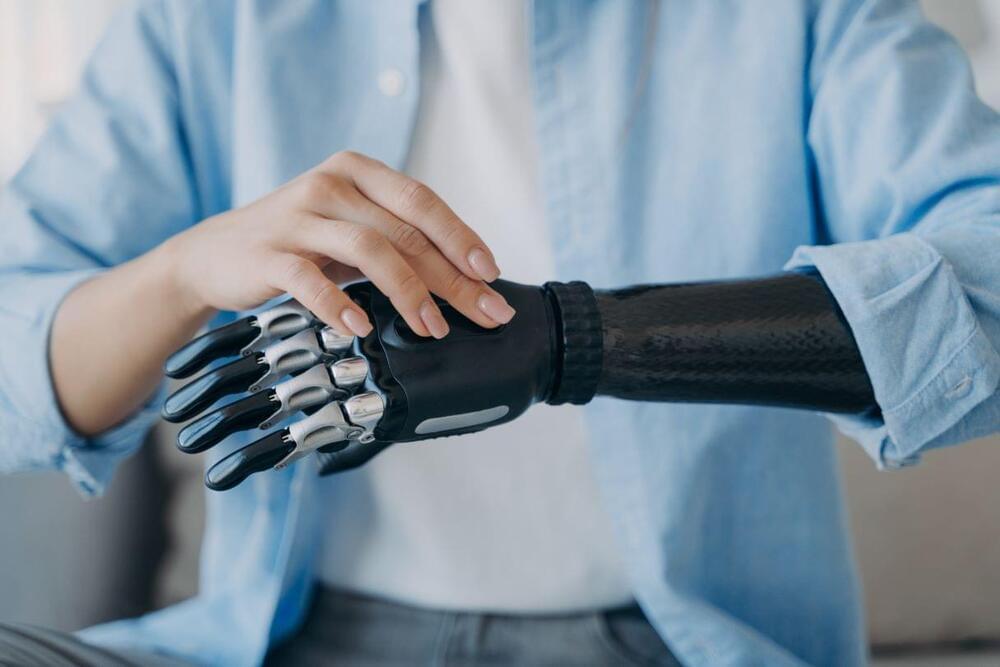
Boosting the Brain’s Control of Prosthetic Devices
Neuroprosthetics, a technology that allows the brain to control external devices such as robotic limbs, is beginning to emerge as a viable option for patients disabled by amputation or neurological conditions such as stroke.
Stanford researchers make critical COVID-19 discovery
Welcome to NewsBreak, an open platform where diverse perspectives converge. Most of our content comes from established publications and journalists, as well as from our extensive network of tens of thousands of creators who contribute to our platform. We empower individuals to share insightful viewpoints through short posts and comments. It’s essential to note our commitment to transparency: our Terms of Use acknowledge that our services may not always be error-free, and our Community Standards emphasize our discretion in enforcing policies. We strive to foster a dynamic environment for free expression and robust discourse through safety guardrails of human and AI moderation. Join us in shaping the news narrative together.

Fresh Mitochondria as a Parkinson’s Treatment
Scientists have tested a novel method of providing cells with healthy mitochondria to fight Parkinson’s disease [1].
Parkinson’s disease is the second-most prevalent neurodegenerative disorder, and it affects 10 million people worldwide. The disease is age-related, as its prevalence rises rapidly in people older than 65, although some people are diagnosed much earlier. Parkinson’s disease is characterized by both motor and mental problems: tremor, rigidity (stiffness), and slowness of movement along with memory and thinking deficits.
Parkinson’s disease is caused by the loss of dopamine-producing (dopaminergic) neurons in a brain region called the substantia nigra. Therapeutic options are limited, and some of the existing ones cause nasty side effects.
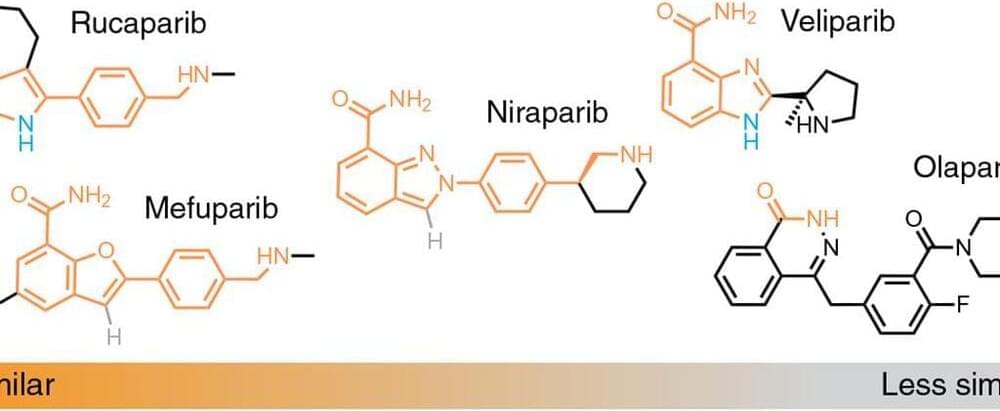
Algorithm designs proteins from scratch that can bind drugs and small molecules
Strategy could stop an overdose or produce an antidote to a poison.
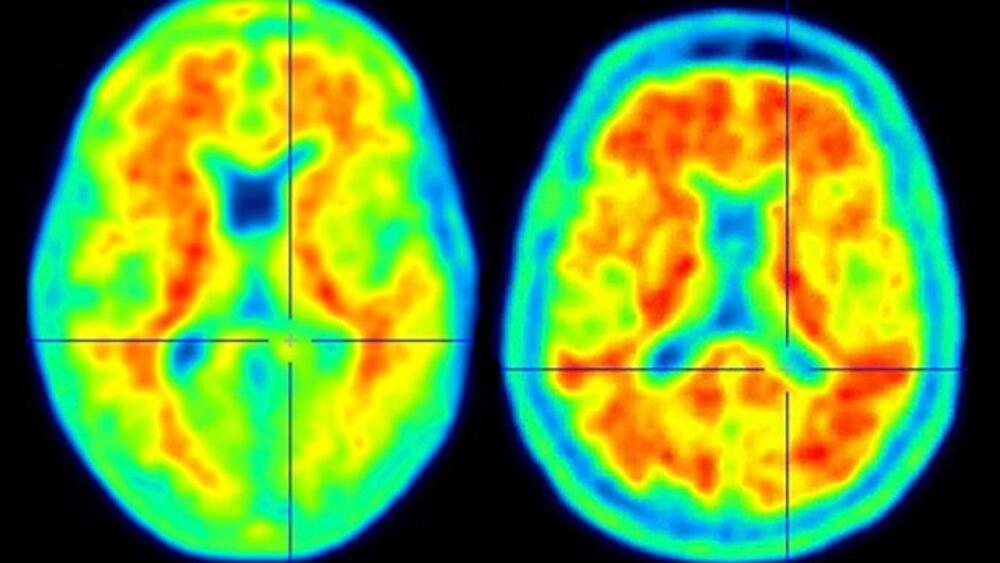
Newly Found Genetic Variant Defends Against Alzheimer’s Disease
Columbia neuroscientists have identified a genetic mutation that fends off Alzheimer’s in people at high risk and could lead to a new way to protect people from the disease.
Rice team demonstrates miniature brain stimulator in humans
Rice University engineers have developed the smallest implantable brain stimulator demonstrated in a human patient. Thanks to pioneering magnetoelectric power transfer technology, the pea-sized device developed in the Rice lab of Jacob Robinson in collaboration with Motif Neurotech and clinicians Dr. Sameer Sheth and Dr. Sunil Sheth can be powered wirelessly via an external transmitter and used to stimulate the brain through the dura ⎯ the protective membrane attached to the bottom of the skull.
The device, known as the Digitally programmable Over-brain Therapeutic (DOT), could revolutionize treatment for drug-resistant depression and other psychiatric or neurological disorders by providing a therapeutic alternative that offers greater patient autonomy and accessibility than current neurostimulation-based therapies and is less invasive than other brain-computer interfaces (BCIs).
“In this paper we show that our device, the size of a pea, can activate the motor cortex, which results in the patient moving their hand,” said Robinson, a professor of electrical and computer engineering and of bioengineering at Rice. “In the future, we can place the implant above other parts of the brain, like the prefrontal cortex, where we expect to improve executive functioning in people with depression or other disorders.”