Toggle light / dark theme

Dr. Matthew MacDougall: Neuralink & Technologies to Enhance Human Brains | Huberman Lab Podcast

In this episode, my guest is Matthew MacDougall, MD, the head neurosurgeon at Neuralink. Dr. MacDougall trained at the University of California, San Diego and Stanford University School of Medicine and is a world expert in brain stimulation, repair and augmentation. He explains Neuralink’s mission and projects to develop and use neural implant technologies and robotics to 1) restore normal movement to paralyzed patients and those with neurodegeneration-based movement disorders (e.g., Parkinson’s, Huntington’s Disease) and to repair malfunctions of deep brain circuitry (e.g., those involved in addiction). He also discusses Neuralink’s efforts to create novel brain-machine interfaces (BMI) that enhance human learning, cognition and communication as a means to accelerate human progress. Dr. MacDougall also explains other uses of bio-integrated machines in daily life; for instance, he implanted himself with a radio chip into his hand that allows him to open specific doors, collect and store data and communicate with machines and other objects in unique ways. Listeners will learn about brain health and function through the lens of neurosurgery, neurotechnology, clinical medicine and Neuralink’s bold and unique mission. Anyone interested in how the brain works and can be made to work better ought to derive value from this discussion.

#HubermanLab #Neuroscience.

Thank you to our sponsors.
AG1 (Athletic Greens): https://athleticgreens.com/huberman.
HVMN: https://hvmn.com/huberman.
Levels: https://levels.link/huberman.
Thesis: https://takethesis.com/huberman.
InsideTracker: https://insidetracker.com/huberman.

Supplements from Momentous.
https://www.livemomentous.com/huberman.

Huberman Lab Social & Website.
Instagram: https://www.instagram.com/hubermanlab.
Twitter: https://twitter.com/hubermanlab.
Facebook: https://www.facebook.com/hubermanlab.
LinkedIn: https://www.linkedin.com/in/andrew-huberman.
Website: https://hubermanlab.com.
Newsletter: https://hubermanlab.com/neural-network.

Dr. Matthew MacDougall.
New voice cloning AI lets “you” speak multiple languages

This article is an installment of Future Explored, a weekly guide to world-changing technology. You can get stories like this one straight to your inbox every Thursday morning by subscribing here.

In January, Microsoft unveiled an AI that can clone a speaker’s voice after hearing them talk for just three seconds. While this system, VALL-E, was far from the first voice cloning AI, its accuracy and need for such a small audio sample set a new bar for the tech.

Microsoft has now raised that bar again with an update called “VALL-E X,” which can clone a voice from a short sample (4 to 10 seconds) and then use it to synthesize speech in a different language, all while preserving the original speaker’s voice, emotion, and tone.

Electricity can heal even the worst kind of wounds three times faster, new study finds

Scientists used an old theory to develop a new technique that involves exposing skin cells to an electric field to make the wounds on the skin heal faster.

Researchers from Chalmers Insitute of Technology (CTH) and the University of Freiburg have proposed an interesting technique that enables chronic wounds to heal faster than ever.

Medical conditions like diabetes, cancer, disturbed blood circulation, and spinal injuries can sometimes impair our body’s natural ability to heal wounds. Patients who live with such conditions often experience wounds that don’t heal.

Brain images just got 64 million times sharper

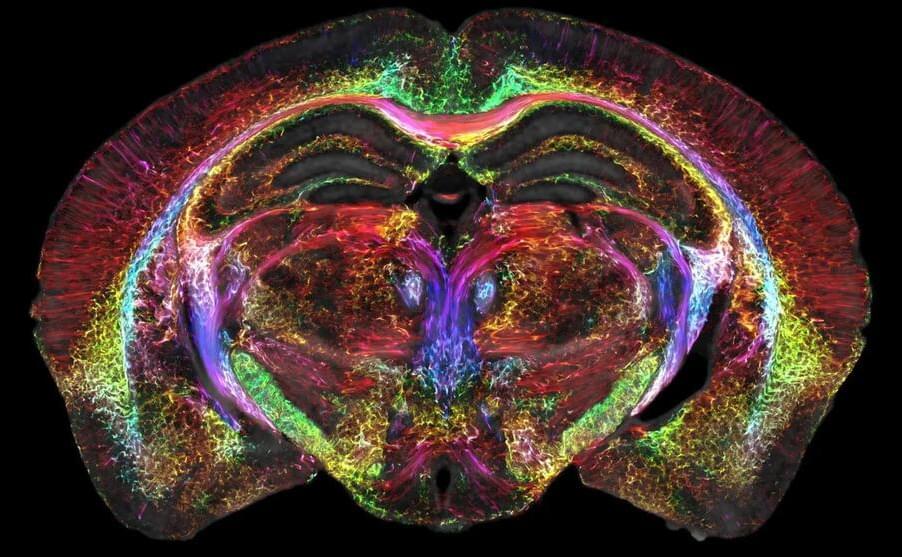
Magnetic resonance imaging (MRI) is how we visualize soft, watery tissue that is hard to image with X-rays. But while an MRI provides good enough resolution to spot a brain tumor, it needs to be a lot sharper to visualize microscopic details within the brain that reveal its organization.

In a decades-long technical tour de force led by Duke’s Center for In Vivo Microscopy with colleagues at the University of Tennessee Health Science Center, University of Pennsylvania, University of Pittsburgh and Indiana University, researchers took up the gauntlet and improved the resolution of MRI leading to the sharpest images ever captured of a mouse .

Coinciding with the 50th anniversary of the first MRI, the researchers generated scans of a that are dramatically crisper than a typical clinical MRI for humans, the scientific equivalent of going from a pixelated 8-bit graphic to the hyper-realistic detail of a Chuck Close painting.

THE CHALLENGE First trailer EN

THE CHALLENGE, FIRST FEATURE FILM SHOT IN SPACE: Thoracic surgeon Evgenia Belyaeva has one month to prepare for a flight to the International Space Station, where she must operate on a crew member. Will she be up for the challenge? Can she overcome her fears and insecurities? Will she be able to perform the complicated surgery in zero gravity, and give the cosmonaut a chance to return to Earth alive?

The Russians have long been at the forefront of scientific and technological innovation. With the historic launch of Yuri Gagarin into space in 1961, they made history by becoming the first country to send a human being into orbit. Decades later, they have once again made headlines by being the first in the world to develop a COVID-19 vaccine, a remarkable achievement in the face of a global pandemic. And now, they have again beaten everyone else by shooting the first-ever movie in space.

Watch the trailer:

#TheChallenge #FirstMovieShotinSpace

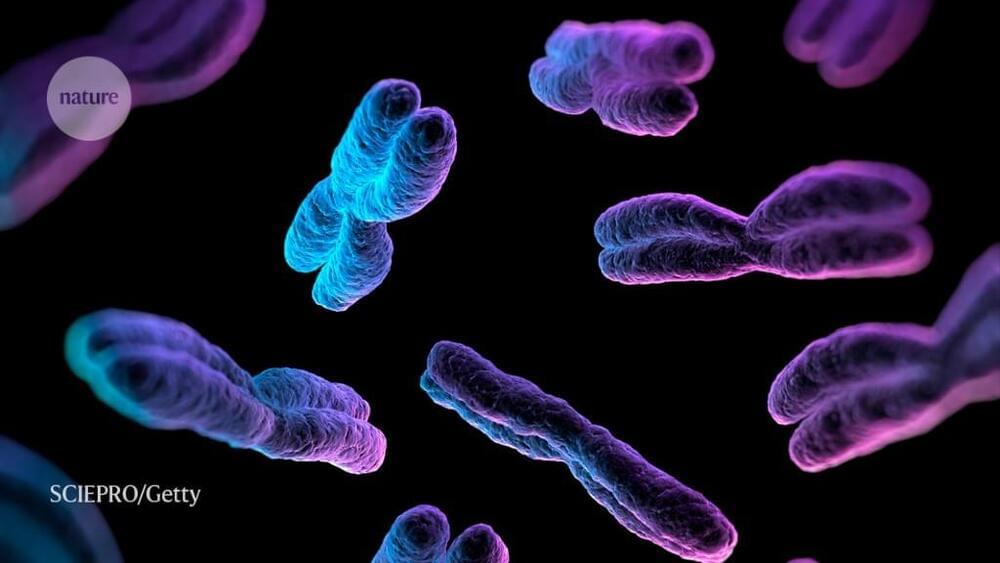
A Brief But Spectacular take on the future of CRISPR

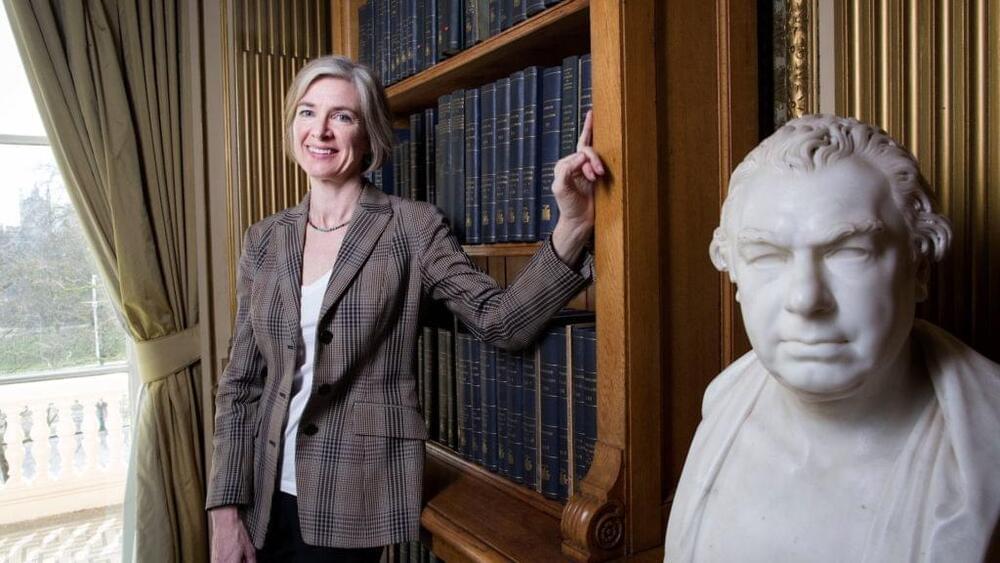
Jennifer Doudna:

Nobel Laureate Biochemist: Early in my work on CRISPR, I had a dream one night about a colleague of mine asking me to explain CRISPR to a friend of his. And the friend turned out to be Hitler. And it was Hitler with a pig face and a horrifying look that made me imagine some of the worst aspects of what genome editing could bring about if it were used irresponsibly.

And I woke up from that dream thinking that it was so critical that we as scientists think together about how we use our technologies responsibly.

Spontaneous Regression of Cancer with Fasting

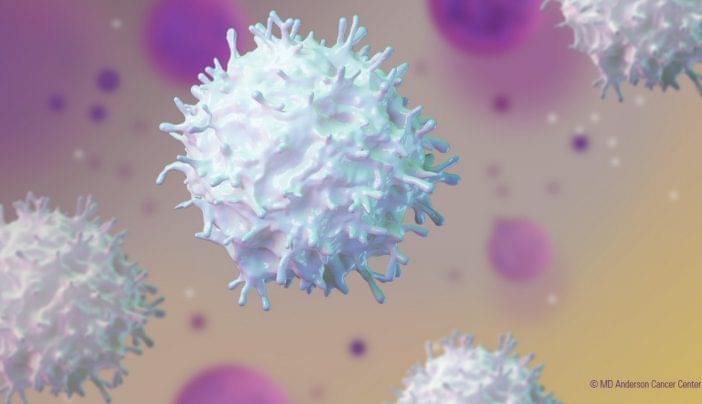
How can we increase natural killer cell activity naturally? Exercise can do it, unless, apparently, you’re eating a high-fat diet. Those randomized to undergo an exercise training program on a high-fat diet actually suffered a decline in natural killer cell activity, suggesting training on a high-fat diet is detrimental to the immune system. Eating lots of contaminated fatty fish may also adversely affect natural killer cell levels. But put people on a low-fat diet, and you can dramatically increase natural killer cell activity within a matter of months by about 50 percent, suggesting that dietary fat might increase the formation of cancer by depressing the tumor surveillance capacity of the immune system.

The bottom line in terms of fasting is that, at present, long-term fasting in cancer treatment is supported only by some case reports; so, more research is desperately needed. Sadly, there is currently no clinical research evaluating the effects of water-only fasting and a whole food, plant-based diet on follicular lymphoma in humans. Long-term fasting is certainly not without risk. In this case, a guy opted to try a 60-day fast instead of chemotherapy for non-Hodgkin lymphoma, ending up hospitalized in a coma and respiratory failure because of Wernicke encephalopathy, a life-threatening neurological emergency caused by thiamine deficiency. But starting on a healthier diet seems like a win-win no-brainer. Just putting people on a plant-based, whole foods, sugar-oil-salt-free diet, with or without fasting, is sometimes sufficient to induce an intense healing response.

Please consider volunteering to help out on the site.

/* */