Toggle light / dark theme

Get the latest international news and world events from around the world.

Log in for authorized contributors

The Virtual Biotech: A Multi-Agent AI Framework for Therapeutic Discovery and Development

Drug discovery and development requires integrating diverse evidence across biological scales and data modalities. However, relevant data, tools, and expertise remain fragmented across teams and organizations, making integration difficult. To address these challenges, we introduce the Virtual Biotech, a coordinated team of AI agents that mirrors the structure of human therapeutic research organizations to support end-to-end computational discovery. The Virtual Biotech is led by a Chief Scientific Officer agent that receives scientific queries, delegates them to domain-specialized scientist agents, and integrates their outputs through data-driven reasoning. Scientist agents leverage complementary tools and knowledge sources spanning statistical genetics, functional genomics, pathways and interactions, chemoinformatics, disease biology, and clinical data. We showcase the Virtual Biotech across three translational applications. First, the agents autonomously annotated and analyzed outcomes from 55,984 clinical trials to identify genomic features of drug targets associated with trial success. More than 37,000 clinical-trialist agents curated structured trial outcomes and linked targets to multi-omic annotations, including cell-type-specific features derived by the agents from single-cell RNA-sequencing atlases. The agents discovered that drugs targeting cell-type-specific genes were 40% more likely to progress from Phase I to Phase II and 48% more likely to reach market (Phase IV), while exhibiting 32% lower adverse event rates. Second, the Virtual Biotech evaluated B7-H3 as a lung cancer target, integrating statistical genetics, single-cell, spatial, and clinicogenomic evidence to propose an antibody–drug conjugate strategy while identifying key liabilities and differentiation opportunities. Third, the platform analyzed a terminated ulcerative colitis trial targeting OSMR β to infer potential failure mechanisms and proposed biomarker-guided enrollment strategies to address precision-medicine gaps. Together, these results illustrate how the Virtual Biotech can enable more transparent, efficient, and comprehensive multi-scale therapeutic analyses, helping to accelerate early-stage drug discovery workflows while keeping human scientists in the loop.

The authors have declared no competing interest.

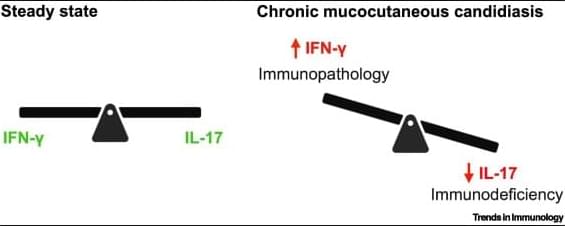
Balancing IL-17–mediated protection and IFN-γ–driven pathology at mucocutaneous barriers

Controlling mucocutaneous barriers by cytokines.

Impaired IL-17 leads to mucocutaneous bacterial and fungal infections, whereas enhanced IL-17 promotes psoriasis and periodontitis.

Interferon (IFN)-γ deficiency causes infections by intracellular pathogens, whereas exacerbated mucosal IFN-γ activity promotes oral candidiasis, even when IL-17 responses are intact.

JAK inhibition in autoimmune polyendocrinopathy-candidiasis-ectodermal dystrophy remits oral candidiasis and multiorgan autoimmunity.

IFN-γ drives Candida auris skin infection by impairing the epithelial barrier. Excess IFN-γ, tumor necrosis factor, and types I/III IFN activities contribute to pathology during bacterial and protozoan skin infections and pulmonary viral, bacterial, mycobacterial, and fungal infections.

Although immune deficiency causes mucosal infection, epithelial disruption by immunopathology represents a novel and underappreciated mechanism of infection susceptibility at barrier sites. sciencenewshighlights ScienceMission https://sciencemission.com/Balancing-IL-17


Steroid-Refractory Pembrolizumab-Induced Haemophagocytic Lymphohistiocytosis (HLH) Successfully Treated With Anakinra: A Case Report

This stage IV lung cancer patient developed: persistent fever thrombocytopenia multiorgan dysfunction steroid-refractory course.

A high H-score led to the diagnosis: ICI-associated HLH. She improved rapidly with anakinra after failing steroids.

Takeaway: In immunotherapy patients, extreme hyperferritinaemia should trigger HLH evaluation early.

Would you have escalated to anakinra…or tried second-line steroids first?

Read more here.


Immune checkpoint inhibitors (ICIs) are increasingly used in advanced malignancies but can cause rare, severe immune-related adverse events (irAEs). Haemophagocytic lymphohistiocytosis (HLH) is a life-threatening hyperinflammatory syndrome infrequently reported with ICIs and often challenging to diagnose. We report a case of a woman in her 60s with stage IV lung adenocarcinoma treated with pembrolizumab-based chemoimmunotherapy who developed recurrent, steroid-refractory immune-related hepatitis and pneumonitis. Twenty-four weeks after starting pembrolizumab, she presented with persistent fever, thrombocytopenia, extreme hyperferritinaemia (ferritin >33,500 µg/L), and progressive multiorgan dysfunction. Despite overlap with other irAEs and infection, a high H-score prompted evaluation for HLH, confirmed on bone marrow biopsy with haemophagocytosis.

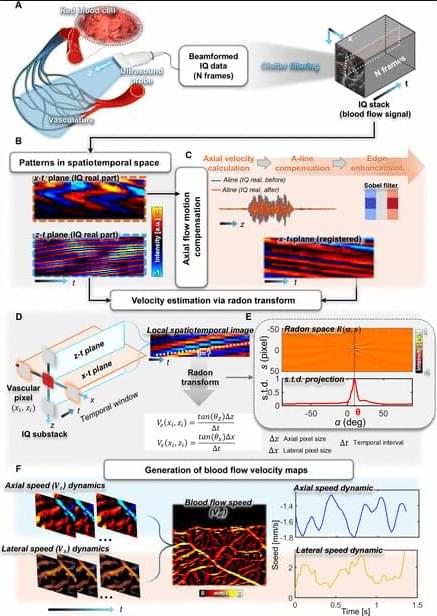
Mapping Microvascular Flow via Radon Transform Ultrasound: Technical Advances and Pilot Application

Objective: This study aims to develop a contrast-free, high-sensitivity ultrasound method, denoted as Radon transform-based flow measurement (R-Flow), for in vivo mapping of microvascular flow vectors and for establishing R-Flow-derived vector-field metrics to noninvasively quantify microcirculatory patterns in liver cirrhosis. Impact Statement: R-Flow enables robust, contrast-free imaging of microvascular dynamics and demonstrates translational feasibility in the human liver. Its direction-aware indices offer pilot in vivo quantification of flow redistribution and remodeling, providing unique insights into hepatic flow dynamics. Introduction: Microvascular dysfunction is a hallmark of many diseases, yet noninvasive visualization and quantitative assessment of abnormal microcirculation remain limited.

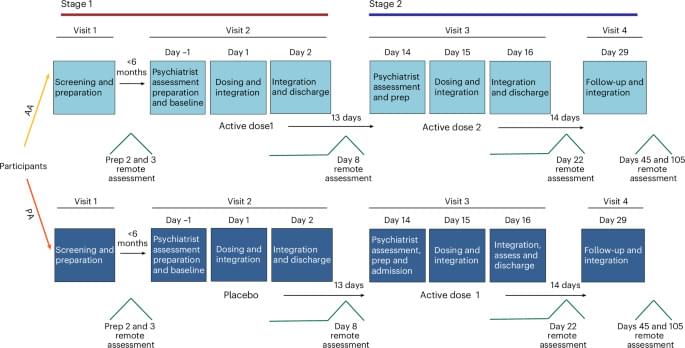
A short-acting psychedelic intervention for major depressive disorder: a phase IIa randomized placebo-controlled trial

A single intravenous dose of the psychedelic dimethyltryptamine, combined with psychological support, produces rapid and lasting reductions in depressive symptoms in adults with major depressive disorder.

Pharmacists, Medications, and Contingency Management for Smoking in HIV Clinics

RCT: Among people with HIV who smoke, clinical pharmacist-delivered nicotine replacement with contingency management improved tobacco-related outcomes, providing evidence-based strategies for smoking reduction in HIV clinics.


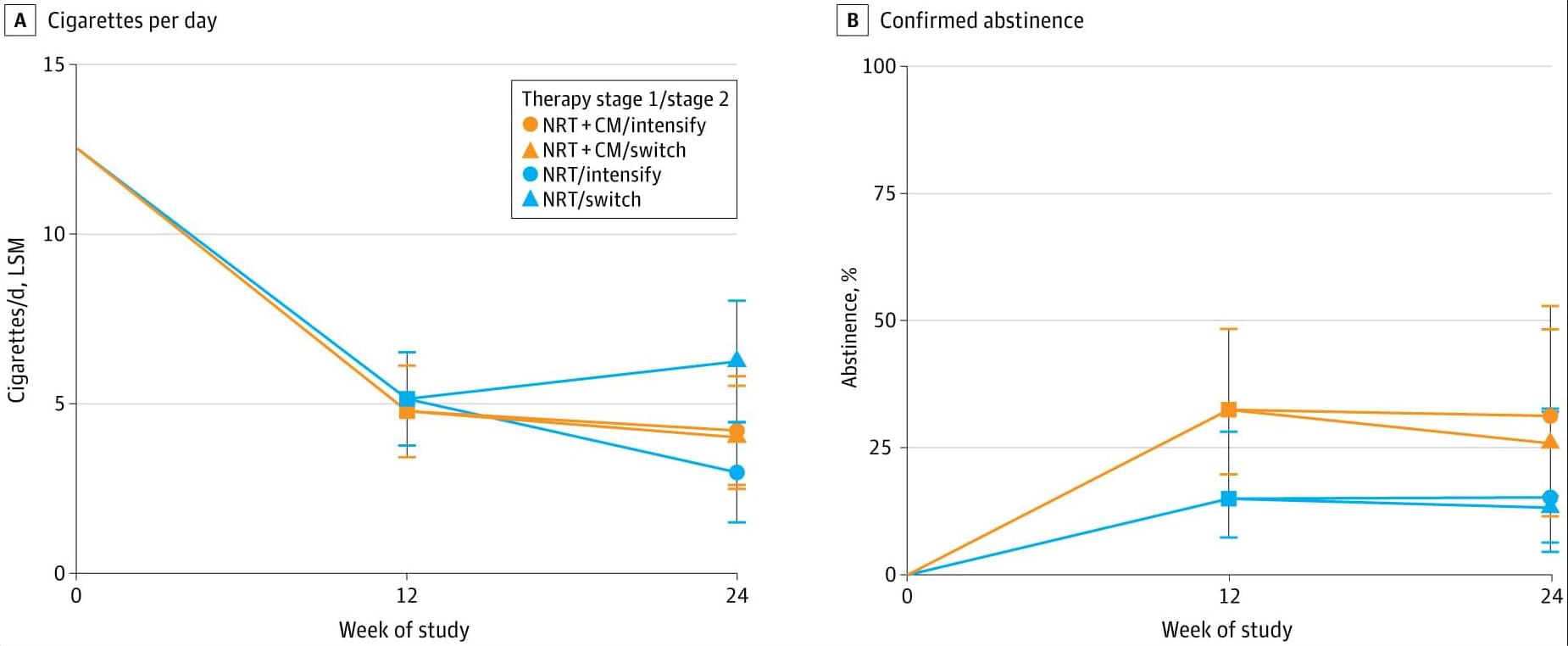
Question What are optimal clinical pharmacist–delivered treatment strategies for promoting cigarette smoking reduction among people with HIV?

Findings In this randomized clinical trial involving 323 participants, those receiving nicotine replacement therapy (NRT) with or without contingency management (CM) had similar reductions in cigarettes per day (CPD) at 12 weeks. Among participants who started with NRT alone and did not achieve week 12 abstinence, adding CM led to lower CPD than switching to oral medications. Participants who started with NRT and then added CM achieved lowest CPD at week 24.

Meaning Study findings, indicating that CM is an effective adjunct to clinical pharmacist–delivered NRT for improving tobacco-related outcomes, provide HIV clinics with guidance on strategies for addressing cigarette smoking reduction among people with HIV.

Study suggests protein made in the liver is a key factor in men’s bone health

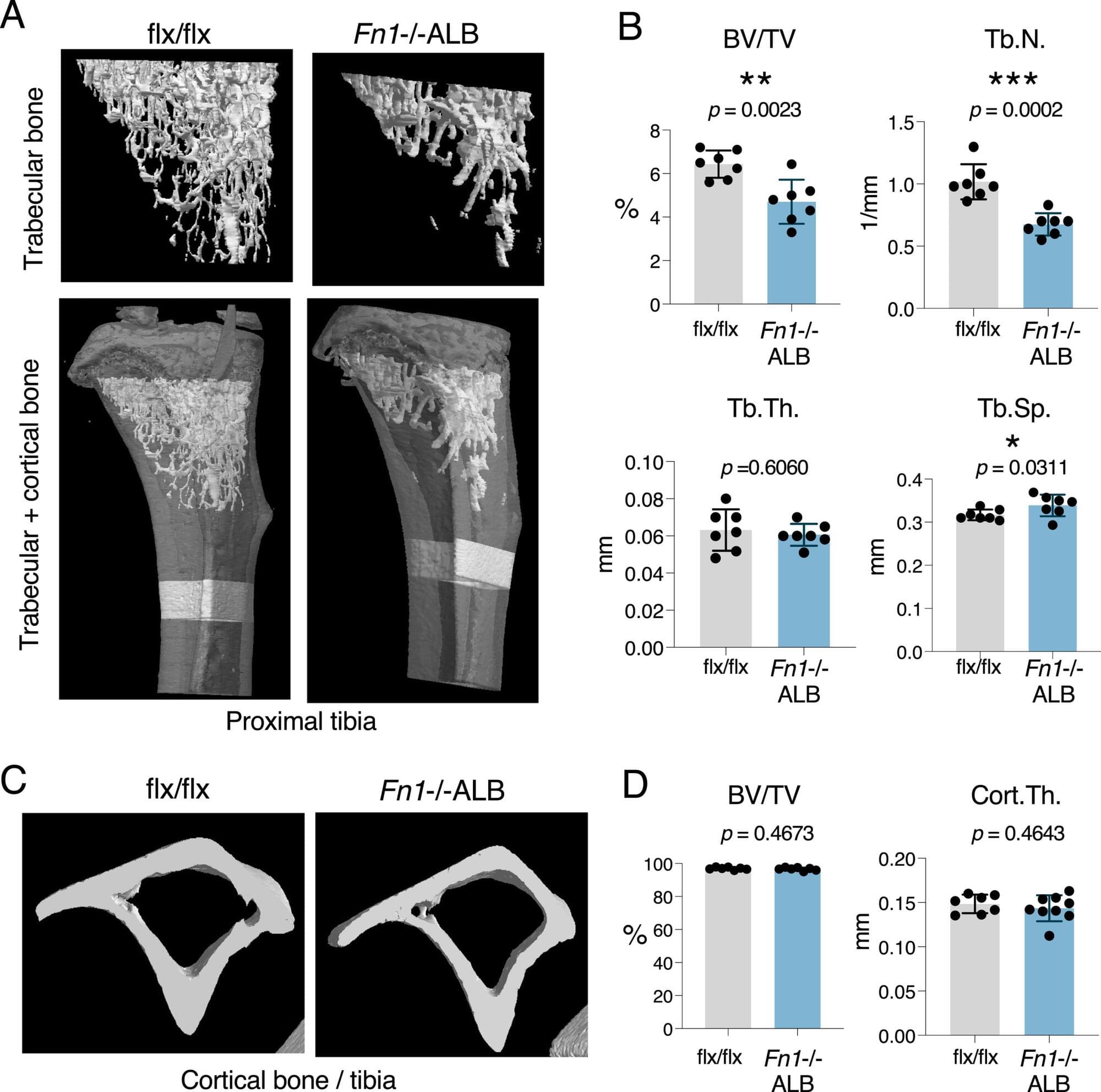
New research suggests the liver plays a previously unrecognized role in bone health, but only in males. A McGill University-led study published in Matrix Biology found that a protein made in the liver helps regulate bone growth in male mice, but not in females. The findings may help explain why men with liver disease are more likely to experience bone loss.

The protein, known as plasma fibronectin, is naturally present in blood at higher levels in men than in women, declines when the liver is damaged and builds up in bone to modulate bone formation. This suggests men rely more heavily on the protein to maintain bone strength than do women.

“About 60% of osteoporosis cases in men are secondary to other underlying health conditions,” said senior author Mari Tuulia Kaartinen, Associate Professor in McGill’s Faculty of Dental Medicine and Oral Health Sciences. “Our findings suggest this protein may be one of the biological links connecting liver disease to bone loss.”

/* */