Toggle light / dark theme

Get the latest international news and world events from around the world.

Log in for authorized contributors

The AI Tsunami is Here & Society Isn’t Ready | Dario Amodei x Nikhil Kamath | People by WTF

I sat down with Dario Amodei in Bangalore. He built Claude, but he started as a biologist looking for a tool to cure disease. Today, he’s at the helm of an AI revolution that he compares to a tsunami society is actively ignoring. We got into the heavy stuff: why Anthropic secretly withheld a working model before ChatGPT existed, whether AI is on the verge of consciousness, and if outsourcing our thinking is going to make humans measurably stupider. Dario makes the case that coding is a dying skill, critical thinking is our last real edge, and the absurd concentration of power in AI right now is a massive problem, even though he’s one of the people holding it.

00:00 Introduction.
06:13 Scaling laws explained simply.
13:27 Trust, humility, and corporate motives.
22:44 Using Claude personally, AI knowing you.
31:03 Rich people criticizing their own system.
37:05 India’s role and IT partnerships.
44:15 Will AI surpass humans at everything.
50:17 Career advice for young Indians.
56:38 Open source vs closed AI models.
1:02:40 Biotech as the next big bet.

#NikhilKamath Co-founder of Zerodha and Gruhas.
Host of ‘WTF is’ & ‘People By WTF’ Podcast.
Twitter: https://twitter.com/nikhilkamathcio/
Instagram: / nikhilkamathcio.
LinkedIn: https://www.linkedin.com/in/nikhilkam / nikhilkamathcio #Darioamodei LinkedIN– / dario-amodei X — https://twitter.com/DarioAmodei Instagram — / dario.amodei Watch ‘WTF is’ Podcast on Spotify https://tinyurl.com/4nsm4ezn Watch ‘People by WTF’ Podcast on Spotify https://tinyurl.com/yme92c59 Watch ‘WTF Online’ on Spotify https://tinyurl.com/4tjua4th #WTFiswithnikhilkamath #PeopleByWTF #WTFOnline.
Facebook: / nikhilkamathcio.

#Darioamodei.
LinkedIN-/ dario-amodei.
X — https://twitter.com/DarioAmodei.
Instagram — / dario.amodei.

Watch ‘WTF is’ Podcast on Spotify.
https://tinyurl.com/4nsm4ezn.

Watch ‘People by WTF’ Podcast on Spotify.

One of the biggest stars in the universe might be getting ready to explode

One of the largest known stars in the universe underwent a dramatic transformation in 2014, new research shows, and may be preparing to explode. A study led by Gonzalo Muñoz-Sanchez at the National Observatory of Athens, published in Nature Astronomy today, argues that the enormous star WOH G64 has transitioned from a red supergiant to a rare yellow hypergiant—in what may be evidence of an impending supernova.

The evidence suggests we may be witnessing, in real time, a massive star shedding its outer layers, shrinking as it heats up, and moving closer to the end of its short life.

Chemists thought phosphorus had shown all its cards—until it surprised them with a new move

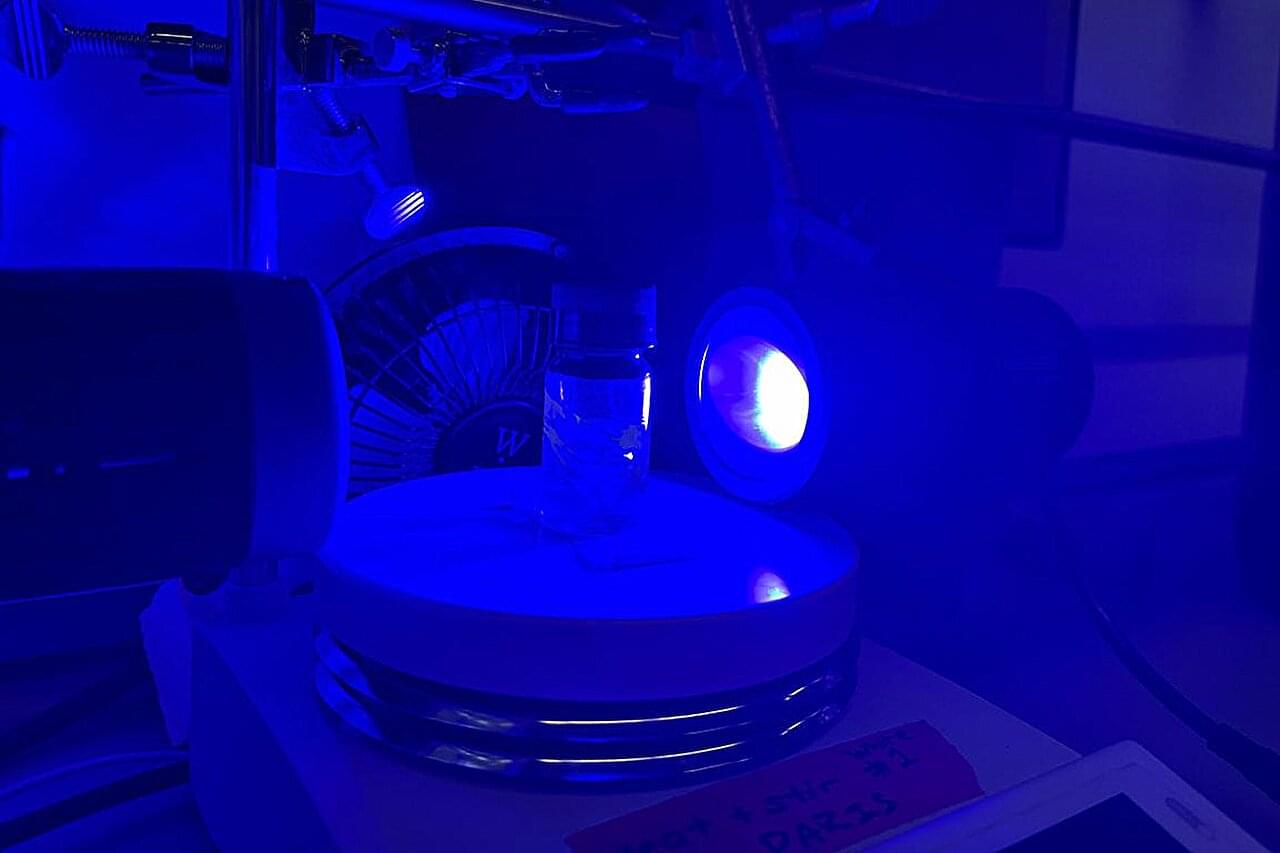
A discovery by UCLA organic chemists may one day put catalytic converter thieves out of business. In new research, they’ve used abundant, inexpensive phosphorus as a catalyst in chemical reactions that usually require precious metals like platinum, one of the metals targeted in theft of the automotive components that convert chemicals in vehicle exhaust into less harmful forms.

This advance, however, will likely be more useful in the pharmaceutical industry and could one day help bring down the price of some drugs.

Common anti-seizure drug prevents Alzheimer’s plaques from forming

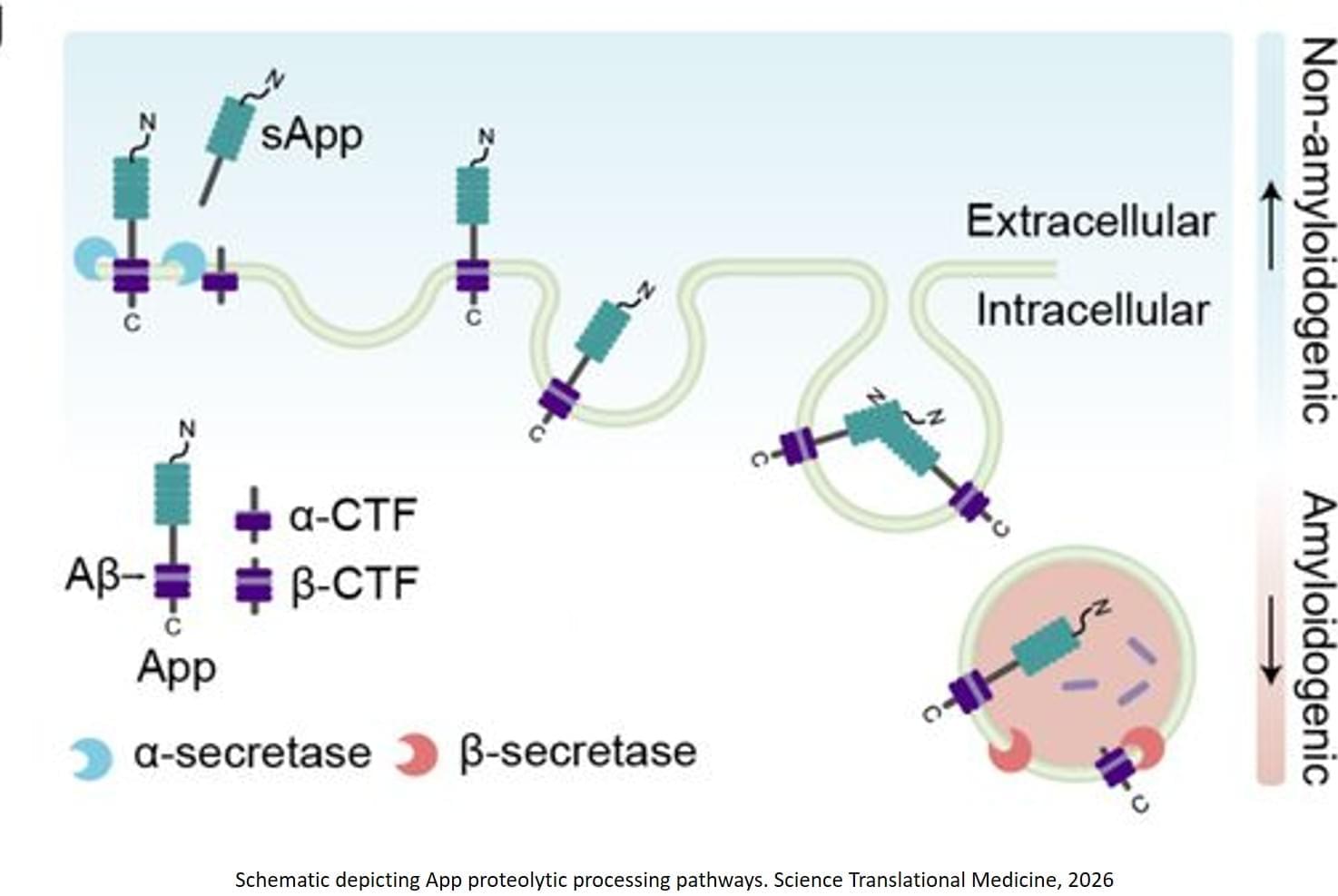
At the heart of the new discovery is amyloid precursor protein (APP), a protein that plays important roles in brain development and synaptic formation. Abnormal processing of APP can lead to the production of amyloid‑beta peptides, which play a central role in the development of Alzheimer’s disease. The scientists found that how APP is trafficked also controls whether a neuron forms amyloid-beta 42.

During the synaptic vesicle cycle — a fundamental process that underlies every thought, movement, memory or sensation — levetiracetam binds to a protein called SV2A. This interaction slows down a step in which neurons recycle synaptic vesicle components from the cell’s surface. By pausing this recycling process, the drug enables APP to remain on the cell’s surface longer, diverting it away from the pathway that produces toxic amyloid‑beta 42 proteins.

“In our 30s, 40s and 50s, our brains are generally able to steer proteins away from harmful pathways,” the author said. “As we age, that protective ability gradually weakens. This is not a statement of disease; this is just a part of aging. But in brains developing Alzheimer’s, too many neurons go astray, and that’s when you get amyloid-beta 42 production. And then it’s tau (or ‘tangles’), and then it’s dead cells, then dementia, then neuroinflammation — and then it’s too late.”

To effectively prevent Alzheimer’s symptoms, high-risk individuals would need to begin taking levetiracetam “very, very early,” the author said, possibly up to 20 years before the new FDA-approved Alzheimer’s disease test would even capture mildly elevated levels of amyloid-beta 42.

“You couldn’t take this when you already have dementia because the brain has already undergone a number of irreversible changes and a lot of cell death,” the author said.

Leveraging its status as an FDA-approved and widely used drug, the team mined existing human clinical data to investigate whether Alzheimer’s patients who took levetiracetam experienced slowed cognitive decline. They obtained clinical data from the National Alzheimer’s Coordinating Center and conducted a correlative analysis, finding that Alzheimer’s patients who took levetiracetam were associated with a significant delay from the diagnosis of cognitive decline to death compared to those taking lorazepam or no/other anti-epileptic drugs. ScienceMission sciencenewshighlights.


Physicists watch light drift in quantized steps for the first time

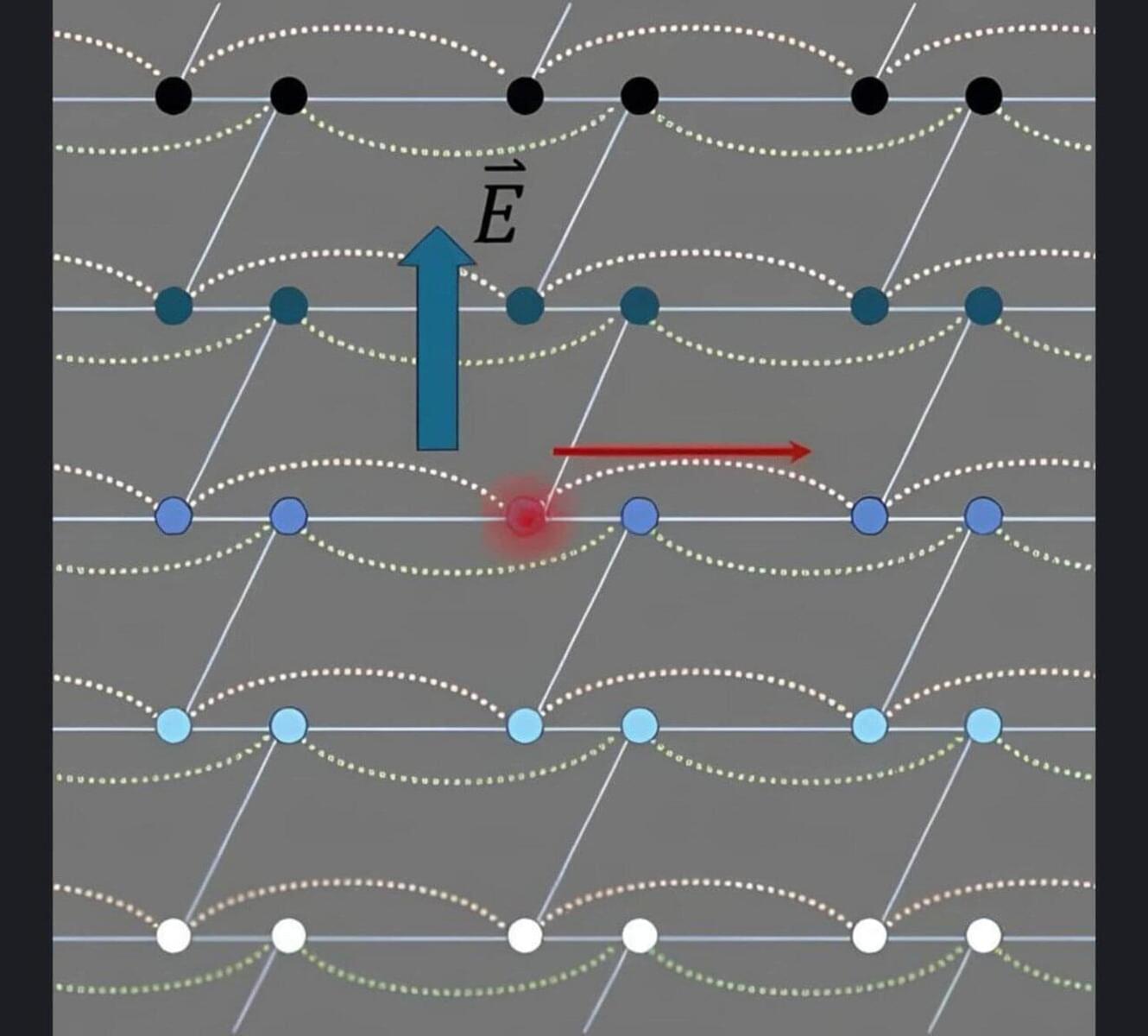
In physics, the classical “Hall effect,” discovered in the late 19th century, describes how a transverse voltage is generated when an electric current is exposed to a perpendicular magnetic field. Simply put, the magnetic field causes the electrons, which are negatively charged, to drift sideways, creating a negative charge on one edge of the conducting strip and a positive charge on the opposite side.

For decades, this voltage difference has been used as a diagnostic tool to measure magnetic fields with precision and characterize material doping levels, that is, the addition of a tiny, controlled amount of impurity to a pure material to change how it conducts electricity.

In the 1980s, experiments at ultra-low temperatures with ultra-thin conductors—imagine a sheet of paper—revealed that under intense magnetic fields, this voltage difference increases not in a straight line but in perfectly defined steps.

This Research Article uncovers an unexpected function of iron regulatory protein 1 in metabolic regulation

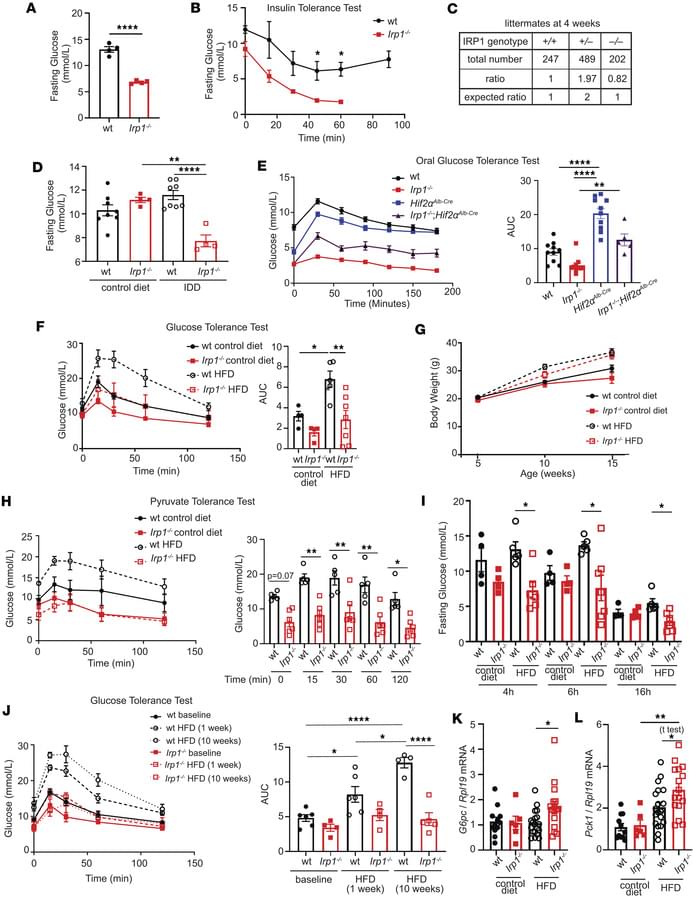
Kostas Pantopoulos & team find mice that lack IRP1 have altered energy metabolism and are protected against metabolic syndrome pathologies:

The figure shows liver in Irp1-/- mice fed a high-fat diet have reduced fat content; stained with oil red O. MetabolicSyndrome.


1Lady Davis Institute for Medical Research, Jewish General Hospital and Department of Medicine, McGill University, Montreal, Quebec, Canada.

2Department of Biochemistry, Microbiology & Immunology, University of Ottawa, Ottawa, Ontario, Canada.

3Institute for Research in Immunology and Cancer, University of Montreal, Montreal, Quebec, Canada.

Norway unveiled a new underwater reconnaissance system for depths of up to 6 km

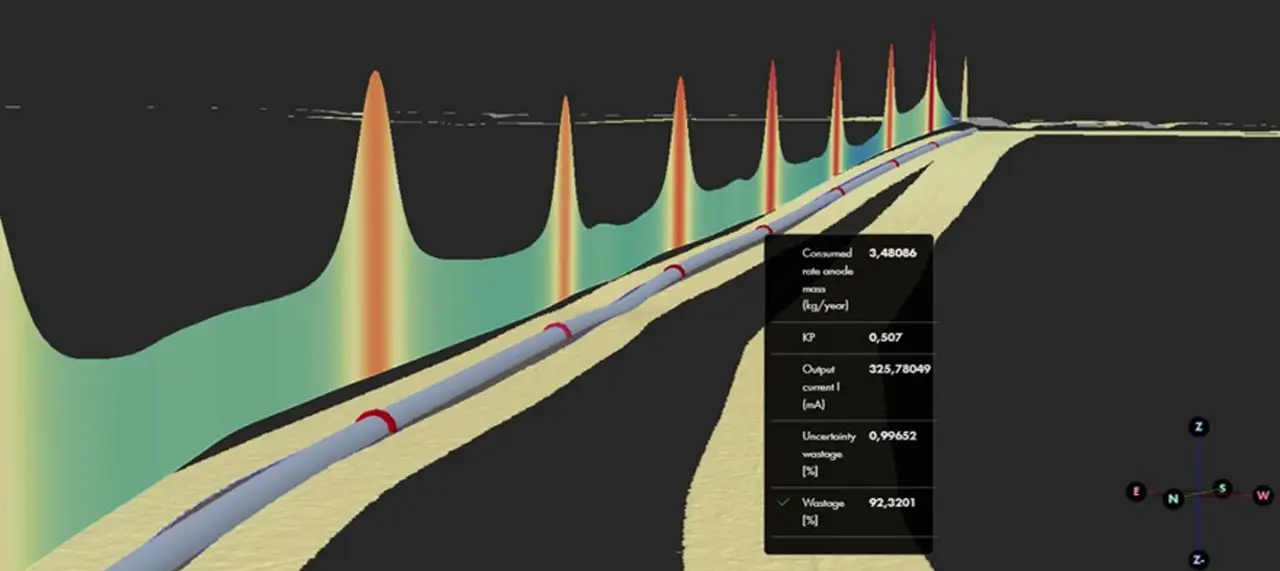
Norway is implementing technologies to improve underwater sensing. Specifically, a development by the Norwegian company Kongsberg is cited as an example. Kongsberg claims to have created a device that “changes the way the Navy collects intelligence in the underwater environment.”

This is an upgrade to the Argeo Listen platform. The upgrade consists of an enhanced passive electromagnetic sensing system. This reportedly allows for more efficient detection of underwater objects with more precise measurements, followed by mapping.

Cryosphere Chat — Tomorrow Bio’s Big Announcement, Biostasis Summit Updates

In this epsiode of the Cryosphere Chat we discuss:
● The themes of this year’s Biostasis Summit.
● Our thoughts on Tomorrw Bio’s big announcement about longevity experts.
● Greg Fahy’s paper on ultrastructure preservation in vitrified brains.

Links:
Buy tickets for the Biostasis days at Vitalist Bay: https://vitalistbay.com/ (use code CRYOSPHERE20 for 20% off)
Biostasis Summit needs based discount application: https://forms.gle/4pR3r4uvXprc4mH99
Biostasis Summit pitch application: https://forms.gle/FQsqx9thLvryKteq8
Join the Biostasis Summit mailing list: https://www.globalcryonicssummit.com/
Survey of cryonicists: https://cryospherepress.substack.com/p/the-cryonics-survey-of-2022-part.
Cryonics Subreddit: https://www.reddit.com/r/cryonics/
Cryosphere Discord: https://discord.gg/ndshSfQwqz.
Cryosphere Substack: https://cryospherepress.substack.com/

Jupiter’s Moons May Have Held Life’s Ingredients at Birth

Dr. Olivier Mousis: “Our findings suggest that Jupiter’s moons did not form as chemically pristine worlds. Instead, they may have accreted, or accumulated, a significant inventory of COMs at birth, providing a chemical foundation that could later interact with the liquid water in their interiors.” [ https://www.labroots.com/trending/space/30236/jupiter-s-moon…ts-birth-2](https://www.labroots.com/trending/space/30236/jupiter-s-moon…ts-birth-2)


When did Jupiter’s Galilean moons first contain the ingredients for life? This is what complementary studies published in The Planetary Science Journal and Monthly Notices of the Royal Astronomical Society hopes to address as an international team of scientists investigated potential timescales for when three of Jupiter’s Galilean moons, Io, Europa, Ganymede, and Callisto, could have first formed the ingredients for life. This study has the potential to help scientists better understand the formation and evolution of the Galilean moons and what this could mean in the search for life beyond Earth.

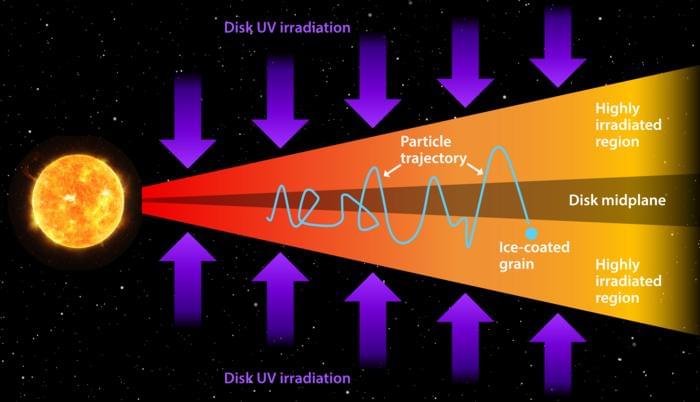
For the studies, the researchers explored the formation of complex organic molecules (COMs) within Jupiter’s original disk of gas, dust, and ice, also called the circumplanetary disk, along with modeling how COMs could be delivered to the Jupiter system from the protoplanetary disk that formed the Sun and planets. They examined how interaction with ultraviolet radiation from the Sun could influence COM formation. The overarching goal of both studies was to ascertain both how and when Jupiter’s Galilean moons received the ingredients for life, specifically focusing on icy grains that currently comprise Europa, Ganymede, and Callisto.

In the end, the researchers found that icy grains could have obtained COMs and delivered them to Jupiter’s moons both within Jupiter’s circumplanetary disk and from the solar system’s protoplanetary disk. Additionally, the models showed that approximately half of the simulated icy grains could have formed within the solar system’s protoplanetary disk and were delivered to Jupiter’s moons. Finally, the researchers estimated these processes occurred billions of years ago during the early formation of the solar system.

Sleep loss induces cholesterol-associated myelin dysfunction

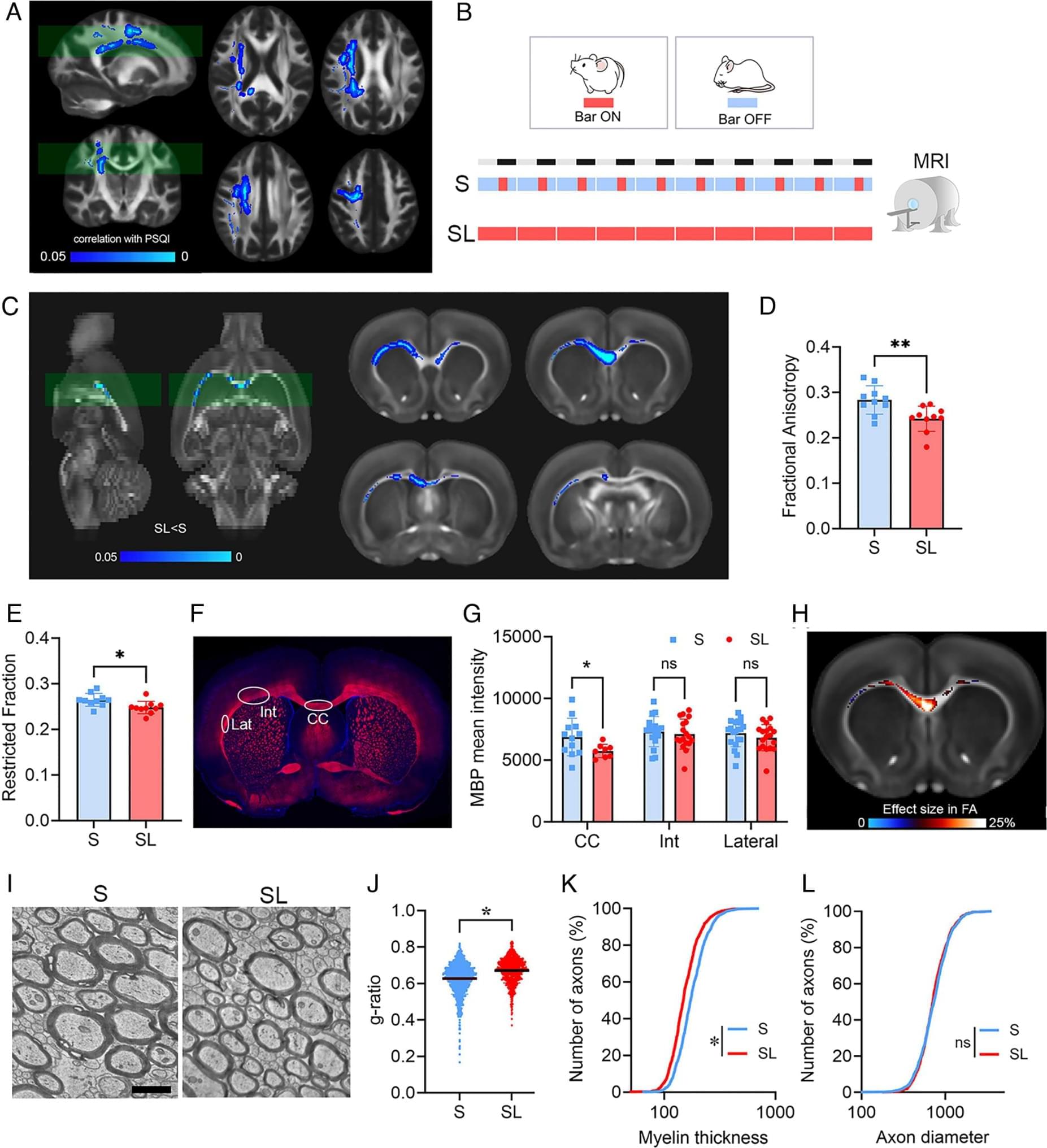
The increasing prevalence of sleep deprivation poses a public health challenge in modern society. Manifestations of reduced alertness, such as slowed reaction times and increased errors, are well-documented behavioral indicators of sleep loss (SL). Yet, the biological consequences of sleep deprivation and their role in behavioral impairment remain elusive. Our study reveals significant effects of sleep deprivation on myelin integrity. As a result, we identify increased conduction delays in nerve signal propagation, hindered interhemispheric synchronization, and impaired cognitive and motor performance associated with SL. By profiling oligodendrocyte transcriptome and lipidome, we observe SL-induced endoplasmic reticulum stress and lipid metabolism dysregulation, particularly affecting cholesterol homeostasis.

/* */