Determination and effort propelled Jacob Tsimerman to the top of the math world. But now that he’s won a Fields Medal, he worries that the field is in jeopardy.

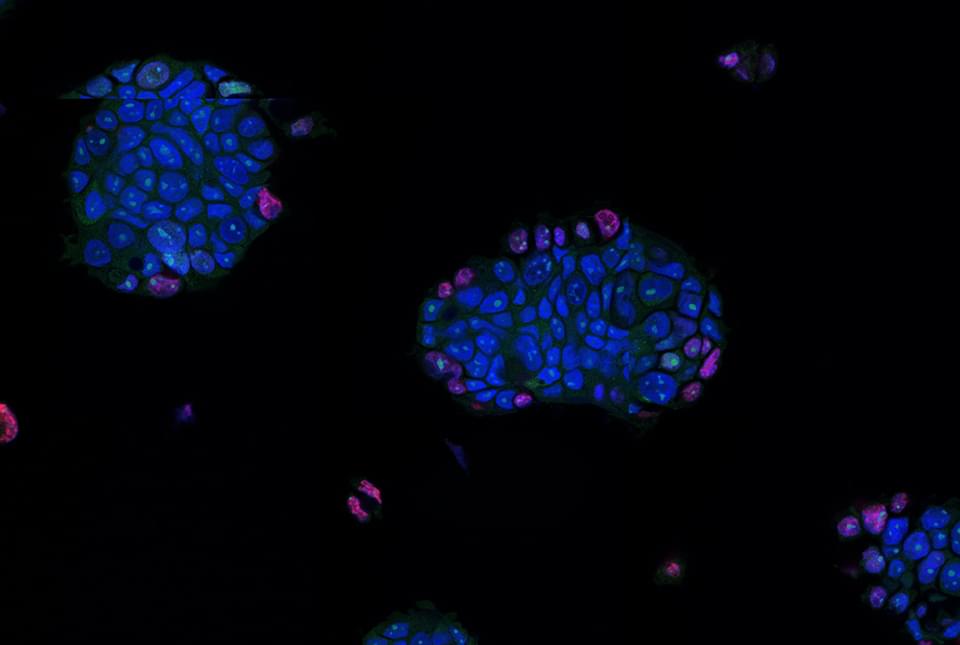
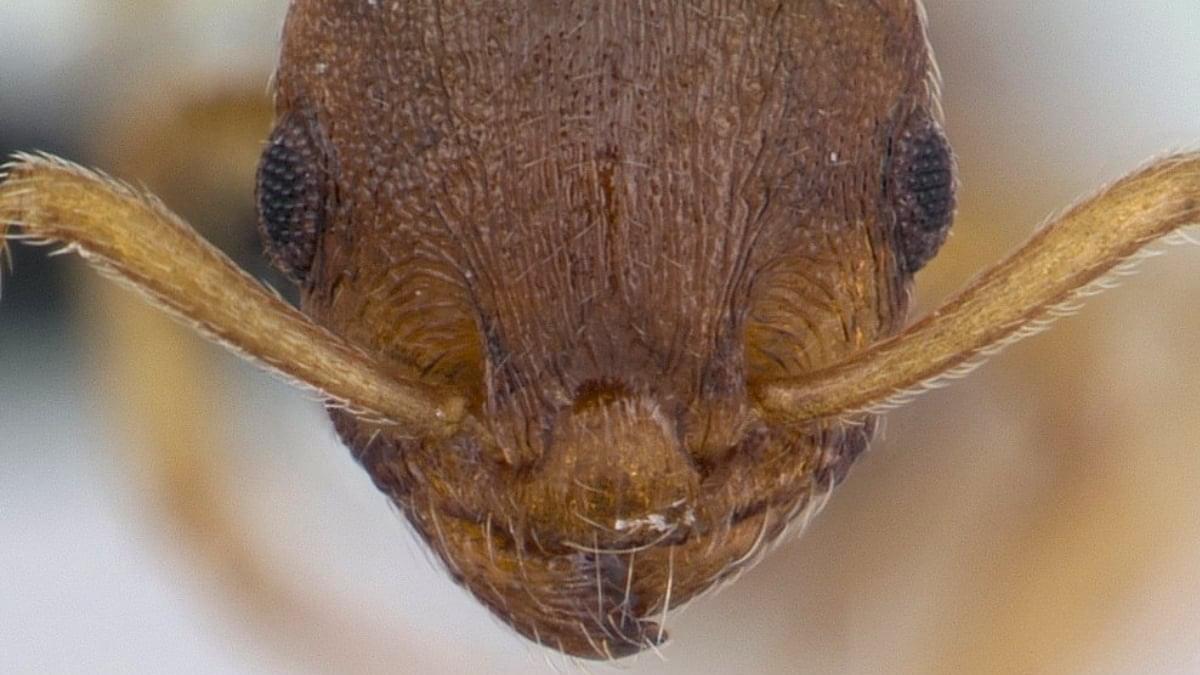
Imagine a parasite that makes you live up to 10 times longer than you naturally would – while also inspiring others to treat you like royalty.
It sure seems like a pretty good deal, but of course there’s a catch.
The parasite just wants to keep you lazy so you’ll be easy pickings for a giant predator – the bowels of which are the parasite’s preferred breeding ground.
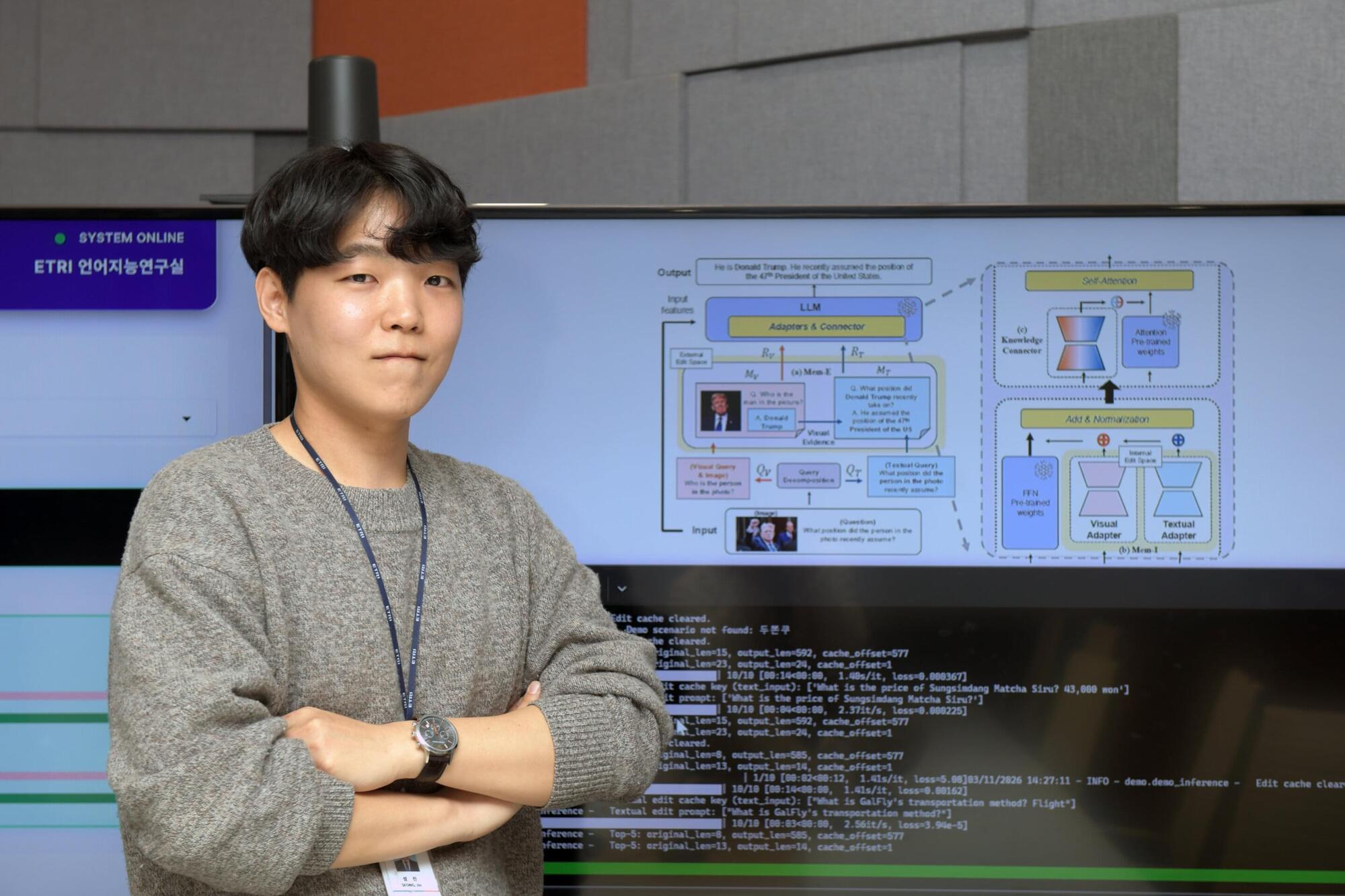
Korean researchers have developed a core technology that allows multimodal artificial intelligence (AI) to reliably retain existing knowledge while repeatedly learning new information.
Electronics and Telecommunications Research Institute (ETRI) announced that the “Continual and Compositional Knowledge Editing Technology (MemEIC),” jointly developed by a research team led by Director Lim Soo Jong of the Language Intelligence Research Section with Pohang University of Science and Technology and Sungkyunkwan University, was presented at NeurIPS 2025, an AI conference held in San Diego late last year.
The work is published on the arXiv preprint server.


Echolocation is a fascinating way that animals like bats and whales find their way around the world.
By emitting sounds and decoding the echoes that come back, these species are able to detect what’s around them in their local environment.
It’s something we know that humans can do too – and it takes less training than you might think.

“GIFT” is a new system that teaches vision-language generative AI models to produce accurate, computer-aided design programs that can be used to simulate and test 3D objects.
Credits :
Credit: Christine Daniloff, MIT; iStock.
Images for download on the MIT News office website are made available to non-commercial entities, press and the general public under a Creative Commons Attribution Non-Commercial No Derivatives license. You may not alter the images provided, other than to crop them to size. A credit line must be used when reproducing images; if one is not provided below, credit the images to “MIT.”
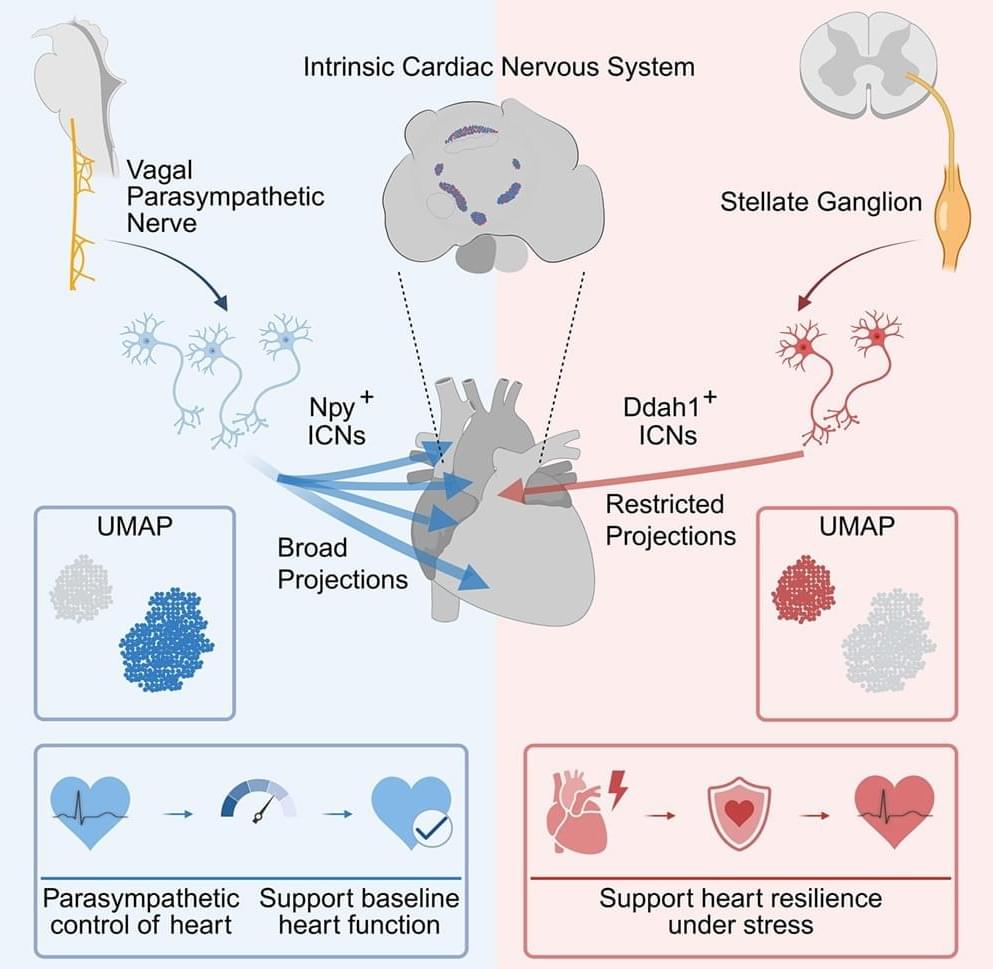
Researchers identified two major intrinsic cardiac neuron populations in mice: Npy-positive neurons regulate parasympathetic heart rate control and support coronary perfusion, while Ddah1-positive neurons help maintain electrical stability during extreme stress. Removing Npy-positive neurons caused fatal cardiac failure, whereas loss of Ddah1-positive neurons increased susceptibility to malignant arrhythmias and sudden cardiac arrest under stress.
Cryonics is one of the most misunderstood ideas in science today: most people think it means “freezing dead people.” It doesn’t. This video breaks down what…
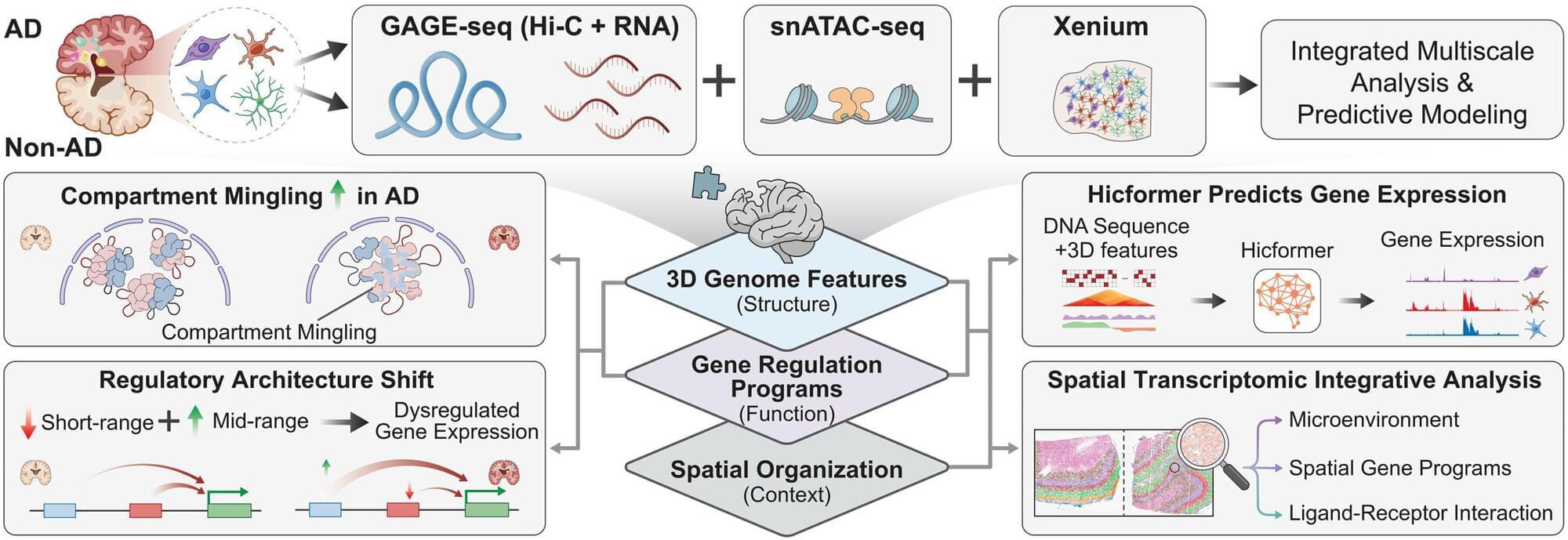
Researchers from Carnegie Mellon University’s School of Computer Science, the University of Pittsburgh School of Medicine and the University of Washington have shed new light on Alzheimer’s disease that could point to new directions for treatment.
In a paper published in Science, researchers from SCS’s Ray and Stephanie Lane Computational Biology Department, Pitt’s Department of Neurobiology and collaborating institutions show that 3D genome architecture is organized differently in certain brain cells from people with Alzheimer’s disease, uncovering a previously underexplored layer of the disease’s biology.
The research team linked genome folding to gene activity and brain tissue organization in Alzheimer’s disease. The team did this with single-cell technology, spatial mapping of brain tissue and a new deep-learning model.