BrainSpace, a medtech focused on neurological injuries and illnesses, received

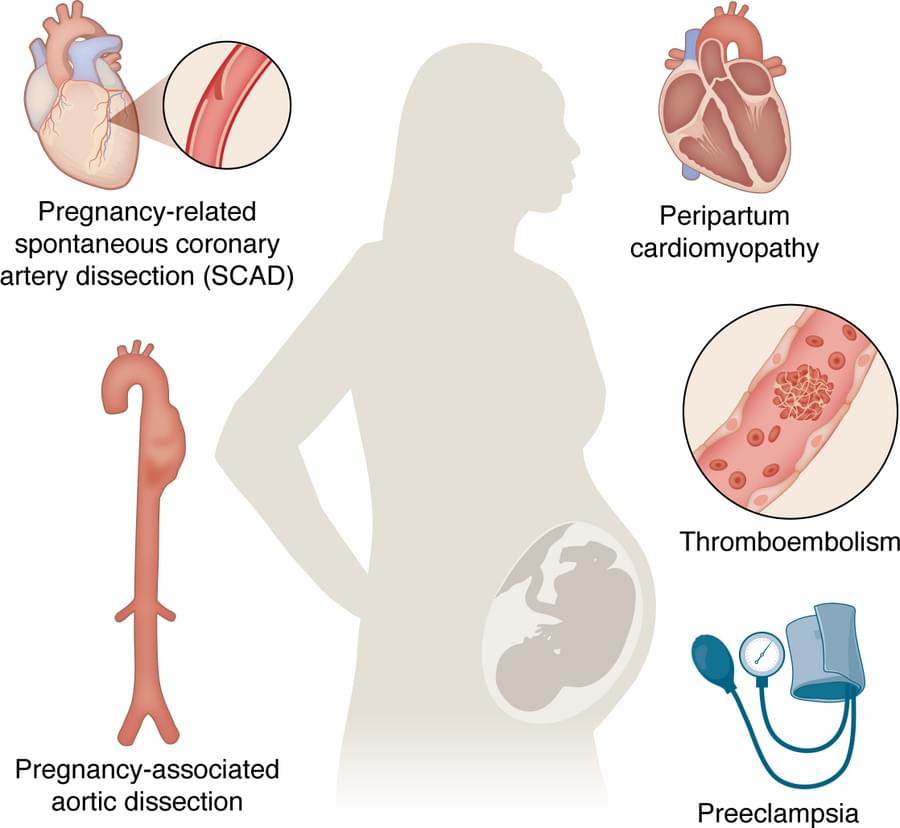
Yijun Yang, Jennifer Lewey & Zoltan Arany explore pregnancy-related cardiovascular adaptations and complications, along with the mechanisms, animal models, and racial and ethnic disparities tied to these conditions.
1Cardiovascular Institute, and.
2Division of Cardiology, University of Pennsylvania Perelman School of Medicine, Philadelphia, Pennsylvania, USA.
Address correspondence to: Zoltan Arany, 11th floor Smilow Translational Research Center, 34th and Civic Center Blvd, Philadelphia, Pennsylvania 19,014, USA. Email: [email protected].
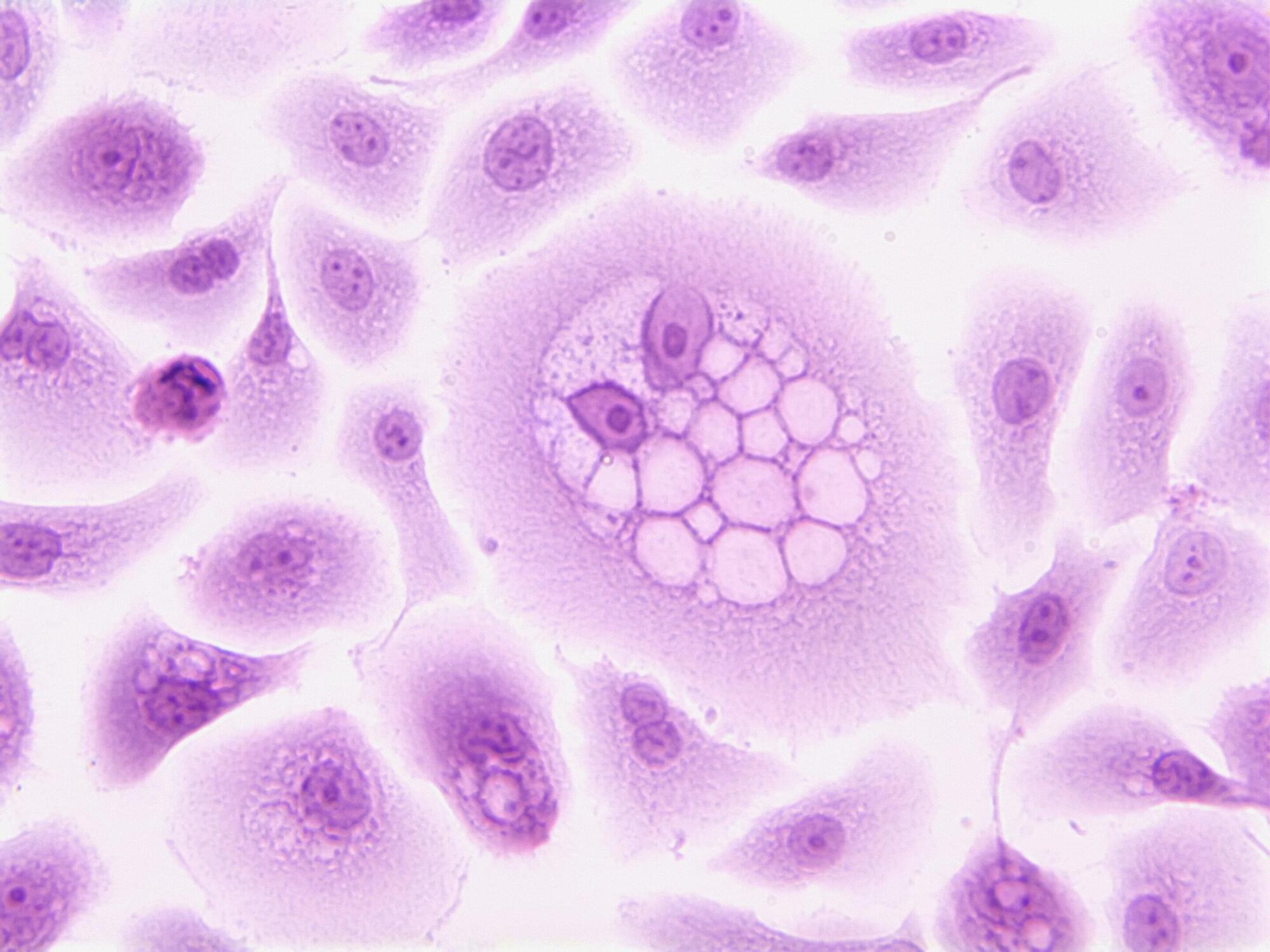
Cells have a remarkable housekeeping system: Proteins that are no longer needed, defective, or potentially harmful are labeled with a molecular “tag” and dismantled in the cellular recycling machinery. This process, known as the ubiquitin-proteasome system, is crucial for health and survival.
Now, an international team of scientists led by CeMM, AITHYRA and the Max Planck Institute of Molecular Physiology in Dortmund has identified a new class of small molecules that harness this natural system to accelerate the removal of an immune-modulating enzyme called IDO1.
The findings, published in Nature Chemistry, introduce a new concept in drug discovery that could transform how we target difficult proteins in cancer and beyond.
Introducing a second-generation transformer model for Super Resolution and 6X Dynamic Multi Frame Generation support.
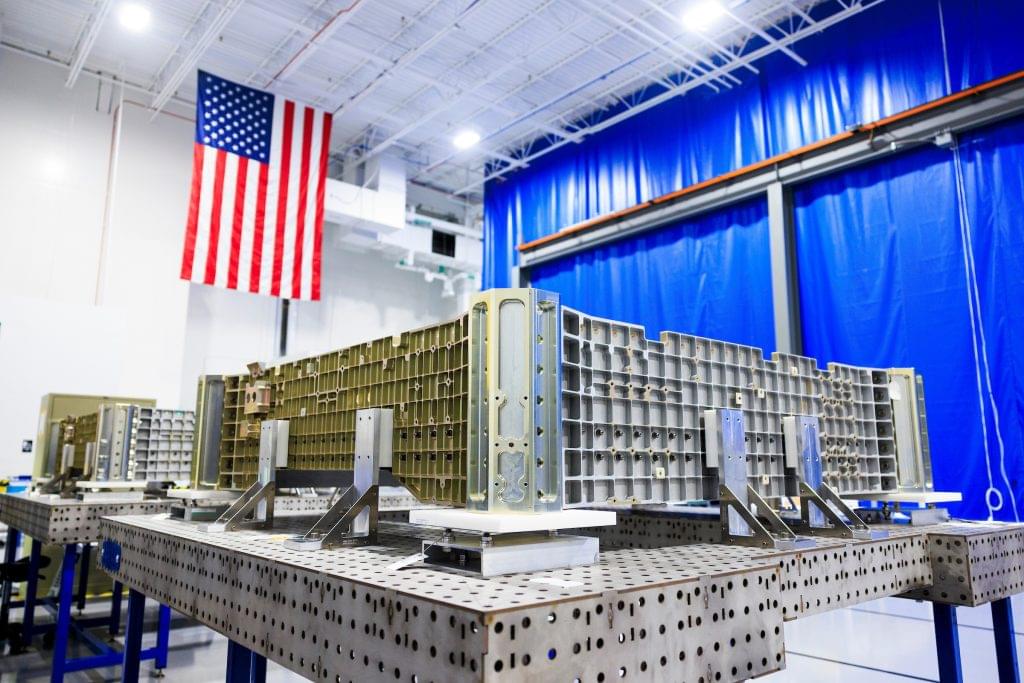
Milestone accelerates progress toward delivering advanced missile tracking capabilities for the Proliferated Warfighter Space Architecture.
LOUISVILLE, Colo. – January 6, 2026 – Sierra Space, a proven defense-tech company delivering solutions for the nation’s most critical missions and advancing the future of security in space, announced today the completion of the first nine satellite structures, Plane 1 of the 18 total satellites Sierra Space is contracted to deliver for the Space Development Agency’s (SDA) Tranche 2 Tracking Layer (T2TRK) program. Achieved three months ahead of schedule, this milestone underscores Sierra Space’s ability to meet key program milestones with efficiency and precision, helping to ensure that the T2TRK program remains on track for delivery and launch readiness.
“We stood up our high-rate manufacturing facility, Victory Works, to meet the demanding requirements of our customer,” said Erik Daehler, Senior Vice President of Sierra Space Defense. “To go from a successful Critical Design Review to completing the Plane 1 satellite structures—three months ahead of schedule—is a powerful validation of our investment in scalable infrastructure. Our team is energized as we move into the next phase of Plane 1 development, focusing on assembly, integration, and testing, while also beginning the satellite structure build for Plane 2, the remaining nine satellites of the 18-satellite constellation for SDA.”


Questions to inspire discussion.
Development & Deployment.
A: Alpameo offers open model weights, open-source inference scripts, simulation tools for edge case testing, and open datasets for training, enabling developers to adapt it into smaller runtime models or build reasoning-based evaluators and autolabeling systems.
Technical Architecture.
🧠 Q: What model architecture powers Alpamayo’s autonomous driving capabilities?
A: Alpameo uses 10B parameter models across five specialized functions: vision, language, action, reasoning, and trajectory generation, forming an integrated reasoning system for autonomous vehicles.
Despite NVIDIA’s advancements in self-driving technology, Tesla’s current lead in autonomous driving, production, and cost advantages are likely to keep it ahead of competitors, including NVIDIA, in the short term Questions to inspire discussion.
Platform Architecture & Business Model 🔧 Q: What type of product is Nvidia’s AI Pameo platform? A: Nvidia’s AI Pameo is a hardware and software toolset for OEMs requiring millions in non-recurring engineering fees and 70% gross margins on chips per vehicle, not a complete consumer solution like Tesla’s FSD. 🏭 Q: What does OEM implementation of Nvidia’s platform require? A: OEMs must have in-house AI talent to integrate, customize, certify, and handle warranty and liability for their specific vehicle models, as Nvidia provides the stack but not per-model engineering. 💰 Q: How does Tesla’s chip economics compare to Nvidia’s approach?
Questions to inspire discussion.
Commercial Availability & Pricing.
A: Unitree is reportedly eyeing a $7 billion IPO, reflecting growing investor confidence in humanoid robotics as a serious commercial category with clear trajectory toward public, industrial, and commercial space operations.
Technical Specifications & Capabilities.
🤸 Q: What physical capabilities does the Unitree H2 demonstrate and how is it engineered?
A: The H2 humanoid performs flying kicks, backflips, and sandbag strikes using 31 degrees of freedom (12 in shoulders, 6 per arm, 3 in torso, 7 per leg), showcasing agility for potential real-world applications.