Raman spectroscopy can be used to predict cellular physiology and proteome composition in E. coli.
The musk blueprint: navigating the supersonic tsunami to hyperabundance when exponential curves multiply: understanding the triple acceleration.
On January 22, 2026, Elon Musk sat down with BlackRock CEO Larry Fink at the World Economic Forum in Davos and delivered what may be the most important articulation of humanity’s near-term trajectory since the invention of the internet.
Not because Musk said anything fundamentally new—his companies have been demonstrating this reality for years—but because he connected the dots in a way that makes the path to hyperabundance undeniable.
[Watch Elon Musk’s full WEF interview]
This is not visionary speculation.
This is engineering analysis from someone building the physical infrastructure of abundance in real-time.
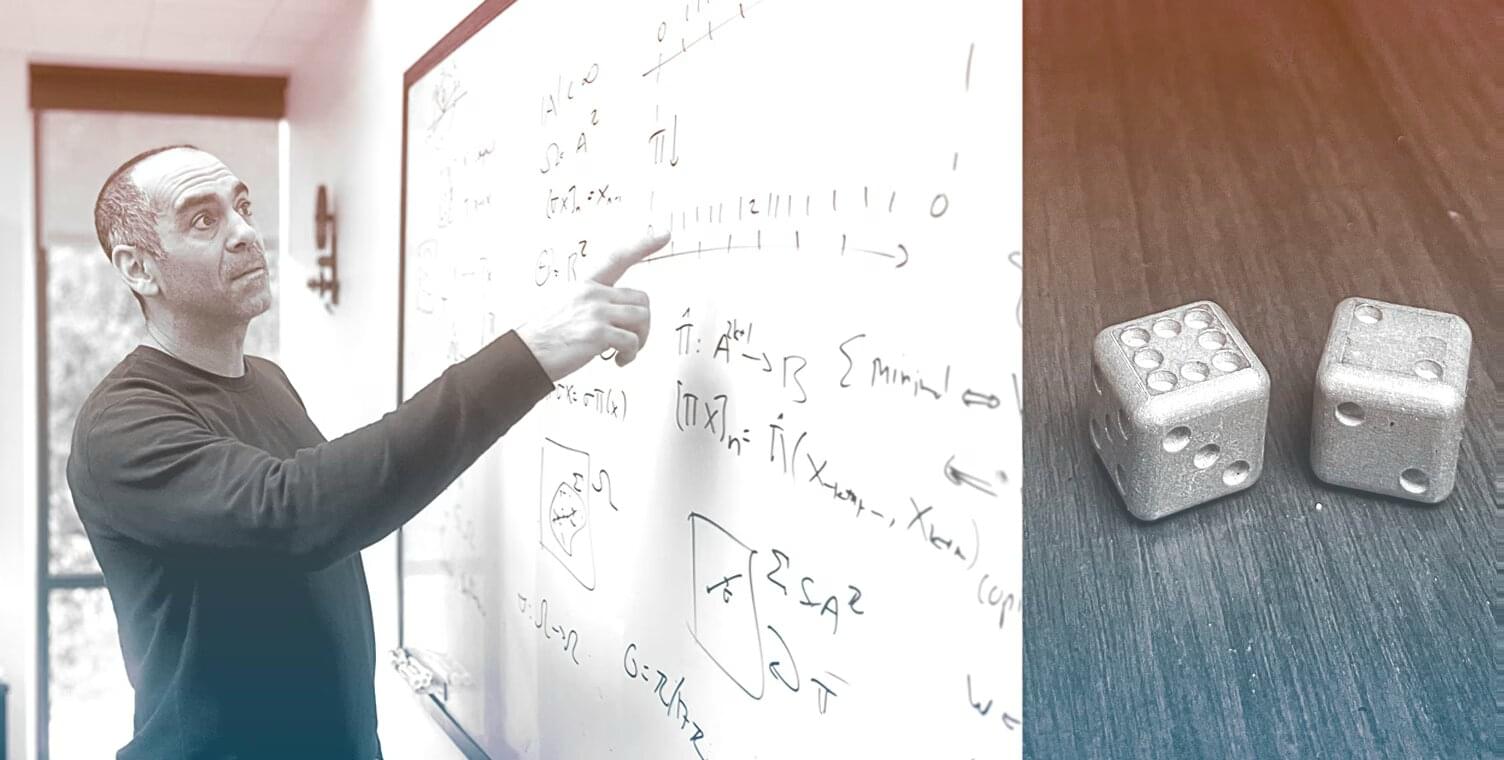
A new computational model of the brain based closely on its biology and physiology not only learned a simple visual category learning task exactly as well as lab animals, but even enabled the discovery of counterintuitive activity by a group of neurons that researchers working with animals to perform the same task had not noticed in their data before, says a team of scientists at Dartmouth College, MIT, and the State University of New York at Stony Brook.
Notably, the model produced these achievements without ever being trained on any data from animal experiments. Instead, it was built from scratch to faithfully represent how neurons connect into circuits and then communicate electrically and chemically across broader brain regions to produce cognition and behavior. Then, when the research team asked the model to perform the same task that they had previously performed with the animals (looking at patterns of dots and deciding which of two broader categories they fit), it produced highly similar neural activity and behavioral results, acquiring the skill with almost exactly the same erratic progress.
“It’s just producing new simulated plots of brain activity that then only afterward are being compared to the lab animals. The fact that they match up as strikingly as they do is kind of shocking,” says Richard Granger, a professor of psychological and brain sciences at Dartmouth and senior author of a new study in Nature Communications that describes the model.
The diagnostic and therapeutic potential of neutrophil extracellular traps (NETs) in liver fibrosis (LF) has not been fully explored. We aim to screen and verify NETs-related liver fibrosis biomarkers through machine learning.
In order to obtain NETs-related differentially expressed genes (NETs-DEGs), differential analysis and WGCNA analysis were performed on the GEO dataset (GSE84044, GSE49541) and the NETs dataset. Enrichment analysis and protein interaction analysis were used to reveal the candidate genes and potential mechanisms of NETs-related liver fibrosis. Biomarkers were screened using SVM-RFE and Boruta machine learning algorithms, followed by immune infiltration analysis. A multi-stage model of fibrosis in mice was constructed, and neutrophil infiltration, NETs accumulation and NETs-related biomarkers were characterized by immunohistochemistry, immunofluorescence, flow cytometry and qPCR. Finally, the molecular regulatory network and potential drugs of biomarkers were predicted.
A total of 166 NETs-DEGs were identified. Through enrichment analysis, these genes were mainly enriched in chemokine signaling pathway and cytokine-cytokine receptor interaction pathway. Machine learning screened CCL2 as a NETs-related liver fibrosis biomarker, involved in ribosome-related processes, cell cycle regulation and allograft rejection pathways. Immune infiltration analysis showed that there were significant differences in 22 immune cell subtypes between fibrotic samples and healthy samples, including neutrophils mainly related to NETs production. The results of in vivo experiments showed that neutrophil infiltration, NETs accumulation and CCL2 level were up-regulated during fibrosis. A total of 5 miRNAs, 2 lncRNAs, 20 function-related genes and 6 potential drugs were identified based on CCL2.
In the pursuit of sustainable agricultural practices, researchers are increasingly turning to innovative approaches that blend technology and environmental consciousness. A recent study led by M.R. Salvadori, published in Discover Agriculture, delves into the promising world of green nanotechnology in agrochemicals. This research investigates how nanoscale materials can enhance the effectiveness of agrochemicals while minimizing their environmental footprint. The findings suggest that this novel approach may revolutionize crop protection and nutrient delivery systems.
Nanotechnology involves manipulating materials at the nanoscale, typically between 1 and 100 nanometers. At this scale, materials exhibit unique properties that differ significantly from their bulk counterparts. These properties can be harnessed to improve the delivery and efficacy of agrochemicals. For instance, nanosized fertilizers can increase the availability of nutrients to plants, enhancing growth and reducing waste. This targeted approach is essential in combating soil nutrient depletion and ensuring food security in an era of burgeoning global population.
Traditional agrochemicals often come with the burden of negative environmental impacts, including soil and water contamination. The introduction of green nanotechnology aims to address these concerns by developing more biodegradable and environmentally friendly agrochemicals. By using nanomaterials derived from natural sources, researchers hope to create a symbiotic relationship between agricultural practices and ecological health. This paradigm shift could pave the way for a new era of environmentally responsible farming.
Colton Casto, Evelina Fedorenko & colleagues Neuron.
Casto et al. systematically examine language-responsive regions of the cerebellum with precision fMRI. They find one region that closely resembles the neocortical language network in its selectivity for language and response to linguistic manipulations. They also find three mixed-selective regions that respond to language but also to non-linguistic inputs.
A former professor at the University of California, Los Angeles, Horvath is now principal investigator of the U.K. research arm of Altos Labs, a longevity biotech company that says it is developing therapies that could reverse age-related diseases and disabilities.
Having precise and meaningful ways to measure aging could make it possible for drug developers like Altos Labs to test longevity treatments in people, Horvath says: “It’s a quintessential tool to find interventions for rejuvenation.”
As part of TIME’s series interviewing longevity leaders and influencers, we spoke to Horvath about his pioneering invention and what he thinks might be possible for human life extension.