Toggle light / dark theme

Get the latest international news and world events from around the world.

Log in for authorized contributors

X-ray four-wave mixing captures elusive electron interactions inside atoms and molecules

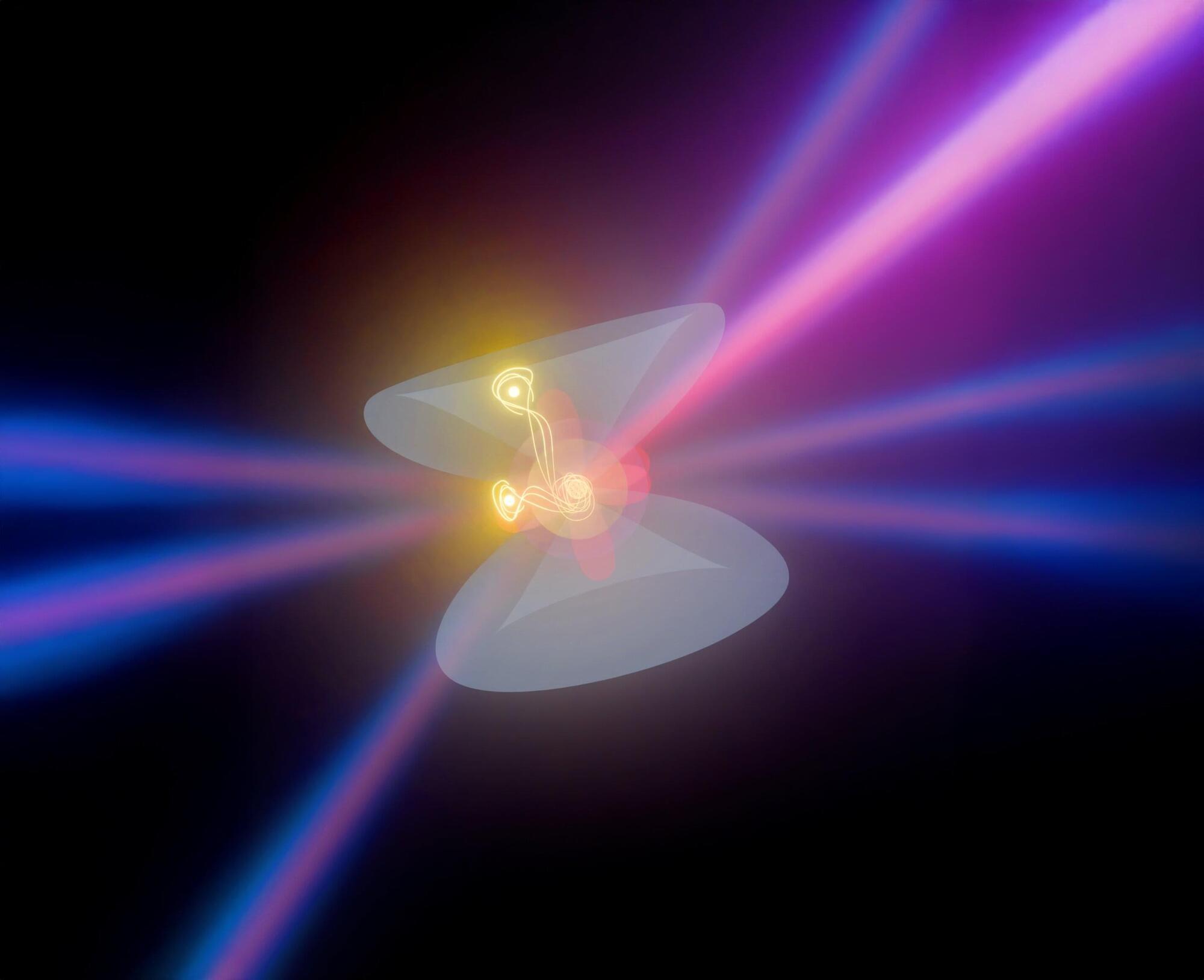
Scientists at the X-ray free-electron laser SwissFEL have realized a long-pursued experimental goal in physics: to show how electrons dance together. The technique, known as X-ray four-wave mixing, opens a new way to see how energy and information flow within atoms and molecules. In the future, it could illuminate how quantum information is stored and lost, eventually aiding the design of more error-tolerant quantum devices. The findings are reported in Nature.

Much of the behavior of matter arises not from electrons acting alone, but from the ways they influence each other. From chemical systems to advanced materials, their interactions shape how molecules rearrange, how materials conduct or insulate and how energy flows.

In many quantum technologies —not least quantum computing—information is stored in delicate patterns of these interactions, known as coherences. When these coherences are lost, information disappears—a process known as decoherence. Learning how to understand and ultimately control such fleeting states is one of the major challenges facing quantum technologies today.


A Strange State of Matter Behaves Very Differently Under Even Weak Magnetism

An Auburn University study finds that magnetic fields can guide electrons in plasma much like traffic signals, giving researchers new ways to control how dust particles form. Picture a glowing cloud that looks like a neon sign, except it holds countless microscopic dust particles suspended in spa

A Nearby Galaxy Is Being Torn Apart by Its Own Supermassive Black Hole

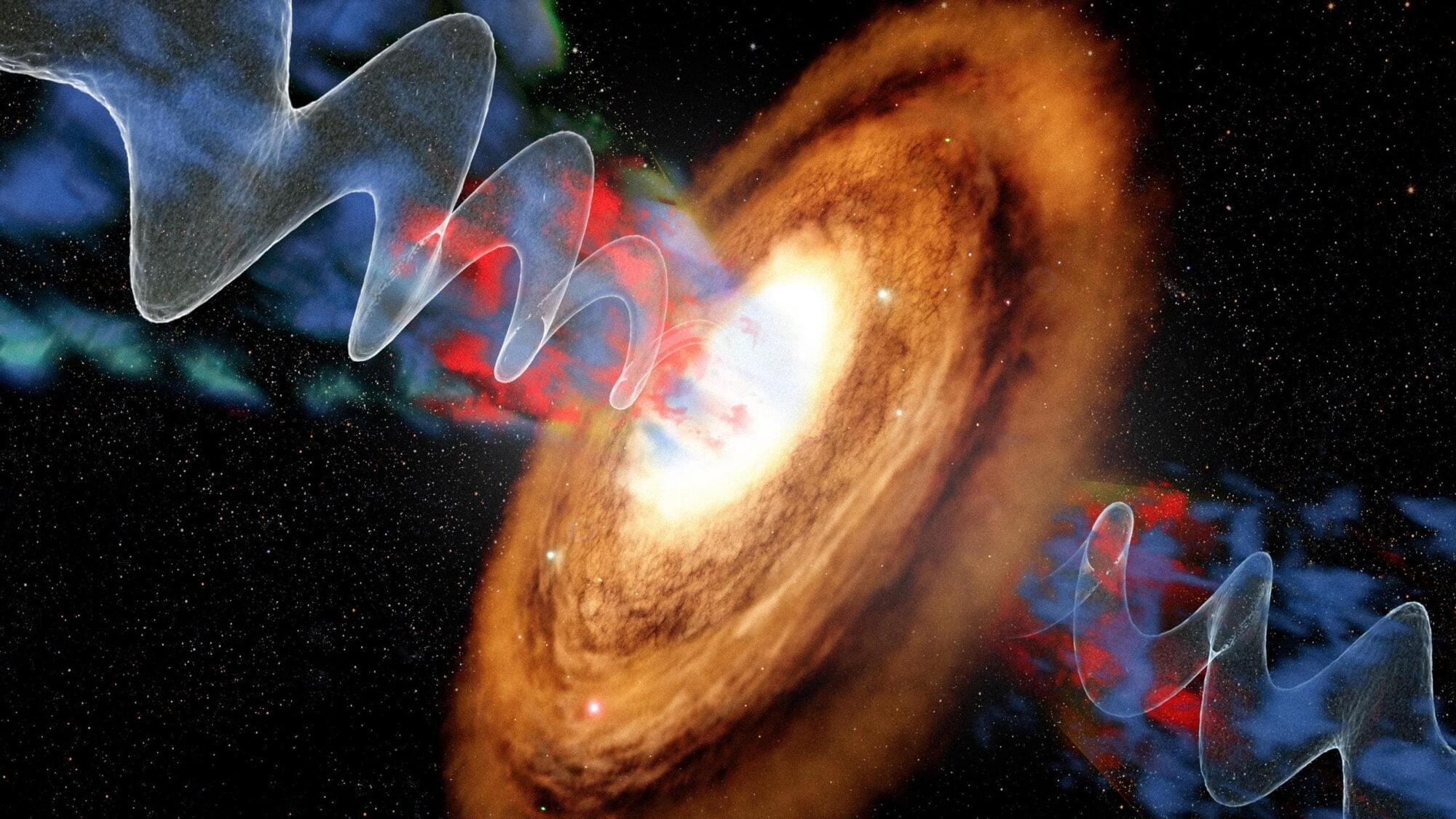
A nearby galaxy is launching an enormous stream of super-heated gas, driven by a precessing jet from its central black hole. University of California, Irvine astronomers report that they have identified the largest known stream of super heated gas ever seen flowing out of a galaxy. The outflow is c

A Simple Silver Fix May Finally Stop Solid-State Batteries From Cracking

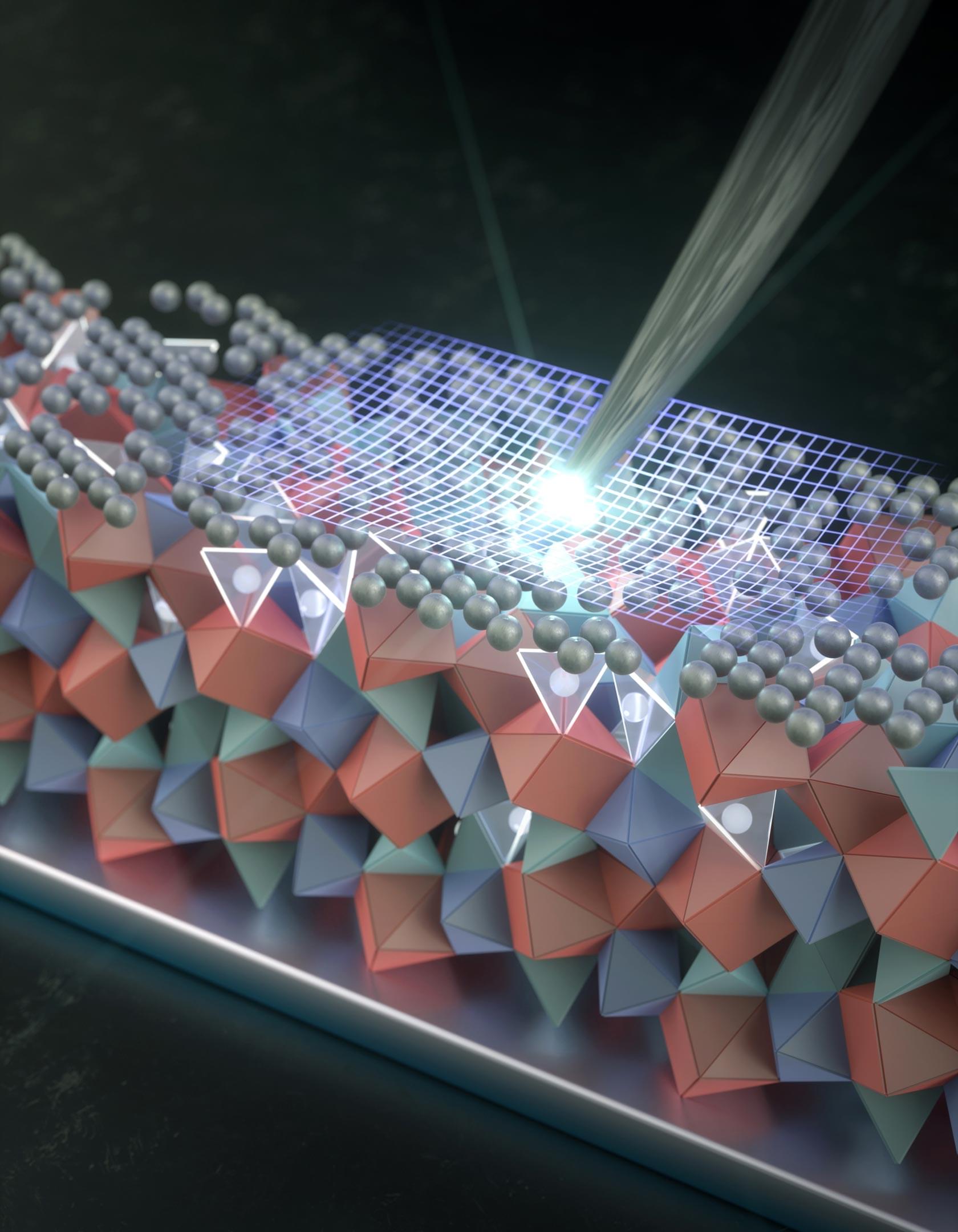
A nanoscale silver coating could be the key to making ultra-powerful solid-state batteries finally work.

Replacing the liquid electrolyte inside today’s batteries with a solid one could unlock a new generation of rechargeable lithium metal batteries. In theory, these batteries would be safer, store far more energy, and recharge much faster than the lithium-ion batteries now in widespread use. Scientists and engineers have been chasing this goal for decades, but progress has been slowed by a persistent flaw. Solid, crystal-based electrolytes tend to develop microscopic cracks that gradually spread during repeated charging and use, eventually causing the battery to fail.

A thin silver layer with a big impact.

LOTUSLITE Backdoor Targets U.S. Policy Entities Using Venezuela-Themed Spear Phishing

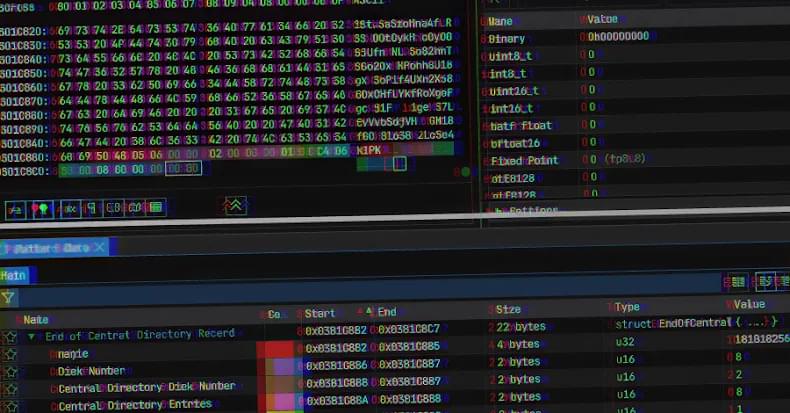
Security experts have disclosed details of a new campaign that has targeted U.S. government and policy entities using politically themed lures to deliver a backdoor known as LOTUSLITE.

The targeted malware campaign leverages decoys related to the recent geopolitical developments between the U.S. and Venezuela to distribute a ZIP archive (“US now deciding what’s next for Venezuela.zip”) containing a malicious DLL that’s launched using DLL side-loading techniques. It’s not known if the campaign managed to successfully compromise any of the targets.

The activity has been attributed with moderate confidence to a Chinese state-sponsored group known as Mustang Panda (aka Earth Pret, HoneyMyte, and Twill Typhoon), citing tactical and infrastructure patterns. It’s worth noting that the threat actor is known for extensively relying on DLL side-loading to launch its backdoors, including TONESHELL.

/* */