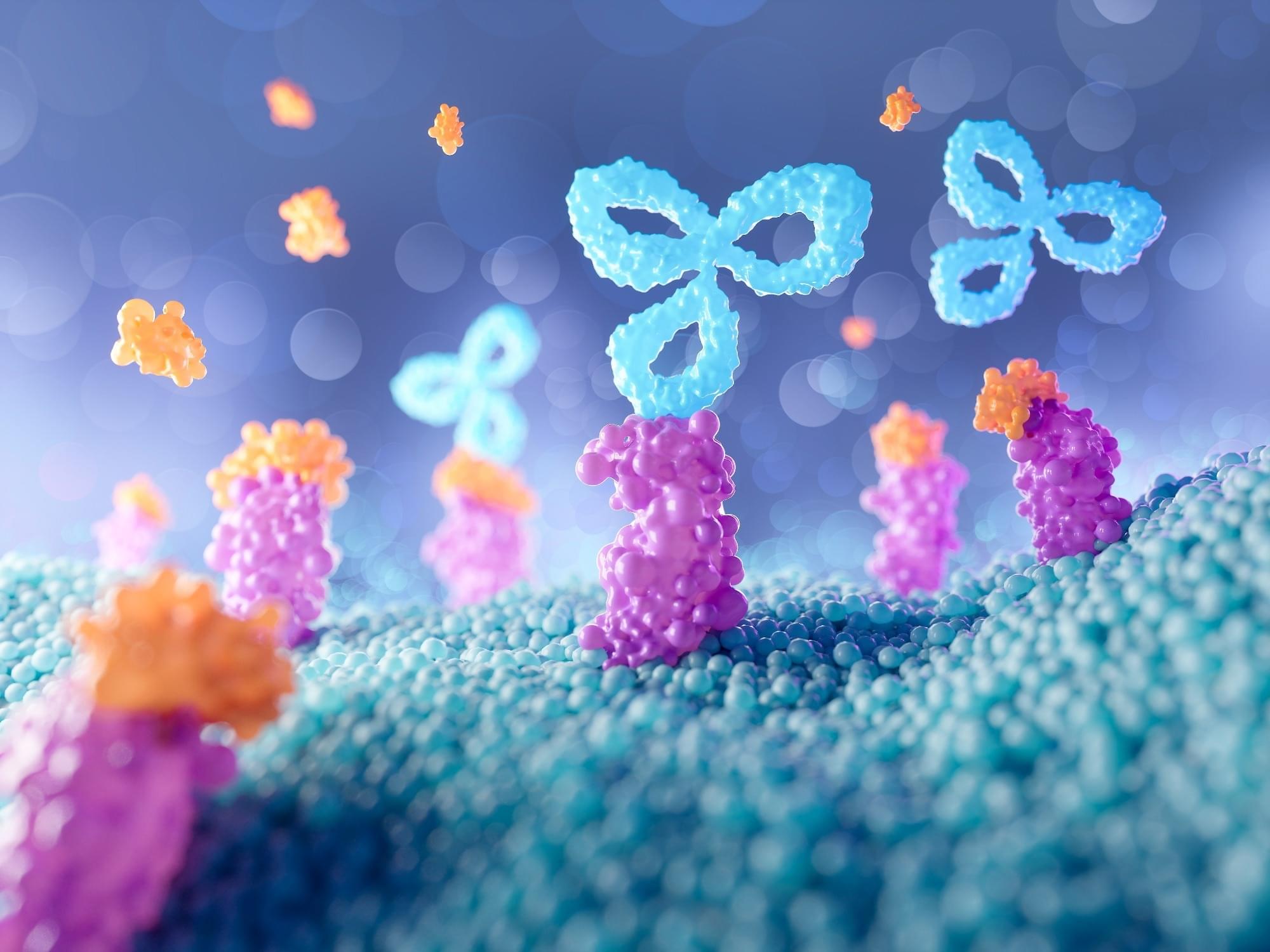
Using single-cell epigenomic profiling of immune cells from 110 individuals, researchers show that genetic variation and environmental exposures shape the human immune system through distinct DNA methylation mechanisms. Genetic effects concentrate within gene bodies of memory cells, while environmental exposures primarily remodel regulatory regions in naive immune cells.
AI companies are looking to spend trillions of dollars on data centers to power their increasingly resource-intensive AI models — an astronomical amount of money that could threaten the entire economy if the bet doesn’t pay off.
As the race to spend as much money as possible on AI infrastructure rages on, companies have become increasingly desperate to keep the cash flowing. Firms like OpenAI, Anthropic, and Oracle are exhausting existing debt markets — including junk debt, private credit, and asset-backed loans — in increasingly desperate moves, as Bloomberg reports, that are raising concerns among investors.
“The numbers are like nothing any of us who have been in this business for 25 years have seen,” Bank of America managing head of global credit Matt McQueen told Bloomberg. “You have to turn over all avenues to make this work.”
In this Mind-Body Solution Colloquia, Michael Levin and Robert Chis-Ciure challenge one of neuroscience’s deepest assumptions: that cognition and intelligence are exclusive to brains and neurons.
Drawing on cutting-edge work in bioelectricity, developmental biology, and philosophy of mind, this conversation explores how cells, tissues, and living systems exhibit goal-directed behavior, memory, and problem-solving — long before neurons ever appear.
We explore: • Cognition without neurons. • Bioelectric networks as control systems. • Memory and learning beyond synapses. • Morphogenesis as collective intelligence. • Implications for AI, consciousness, and ethics.
This episode pushes neuroscience beyond the neuron, toward a deeper understanding of mind, life, and intelligence as continuous across scales.
Allowing AI to talk to itself helps it learn faster and adapt more easily. This inner speech, combined with working memory, lets AI generalize skills using far less data.
A group of researchers has built a computer chip in a flexible fiber thinner than an average human hair. The team from Fudan University in Shanghai says that their Fiber Integrated Circuit (FIC) design can process information like a computer, yet is durable enough to be “stretched, twisted, and woven into everyday clothing.” Use cases touted by the authors of the paper include advancements in the fields of brain-computer interfaces, VR devices, and smart textiles. This cutting-edge FIC design was apparently inspired by the construction of the humble sushi roll.
Flexible electronics have come a long way in recent years, with malleable components for power, sensing, and display readily available. However, so-called flexible electronic devices and the wearables made from them still usually contain components fabricated from rigid silicon wafers, limiting their applications and comfort. The Fudan team says that their FIC can remove the last vestiges of electronic rigidity “by creating a fiber integrated circuit (FIC) with unprecedented microdevice density and multimodal processing capacity.”
AI is predicted by experts to wipe out humanity. Here may be our best chance to prevent that from happening. Explore with special guest Alex Lightman how humanity can survive and thrive as AI surpasses our own intelligence.
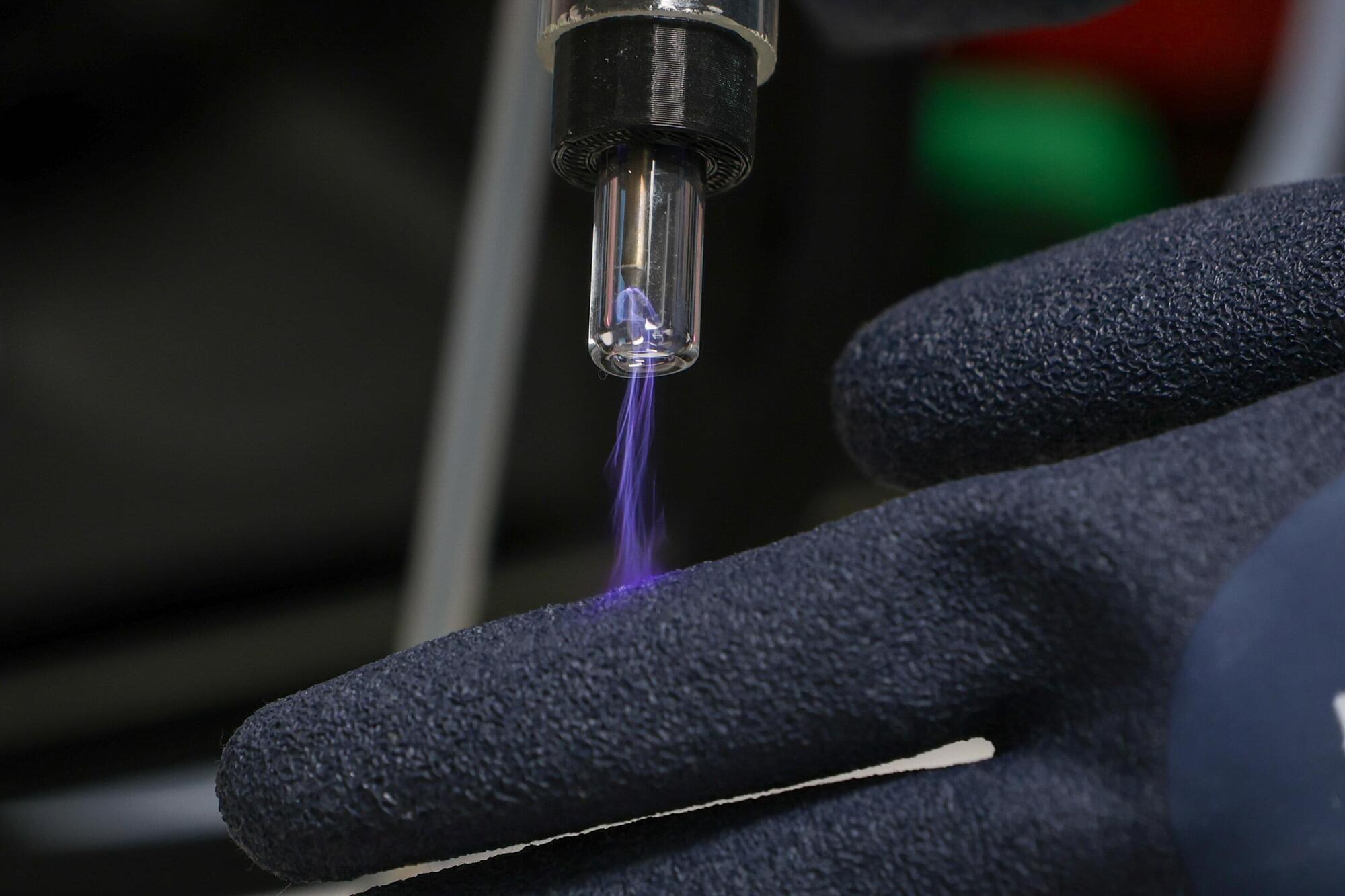
Australian researchers have developed a high‑performance coating made from peppermint essential oil that can be applied to the surfaces of many commonly used medical devices, offering a safer way to protect patients from infection and inflammation.
Matthew Flinders Professor and senior author of the new study, Professor Krasimir Vasilev, says the idea emerged after noticing that eating peppermint leaves from his drink significantly relieved his sore throat, inspiring him to explore whether its bioactivity could be converted into a durable coating using plasma technology—something he has been researching for more than two decades.
The team from Flinders’s Biomedical Nanoengineering Laboratory—including Professor Vasilev (Director), Associate Professor Vi‑Khanh Truong, Dr. Andrew Hayes, and Ph.D. candidates Trong Quan Luu and Tuyet Pham—created a nanoscale peppermint‑oil coating that protects against infection, inflammation and oxidative stress, while remaining compatible with human tissue and suitable for medical materials.
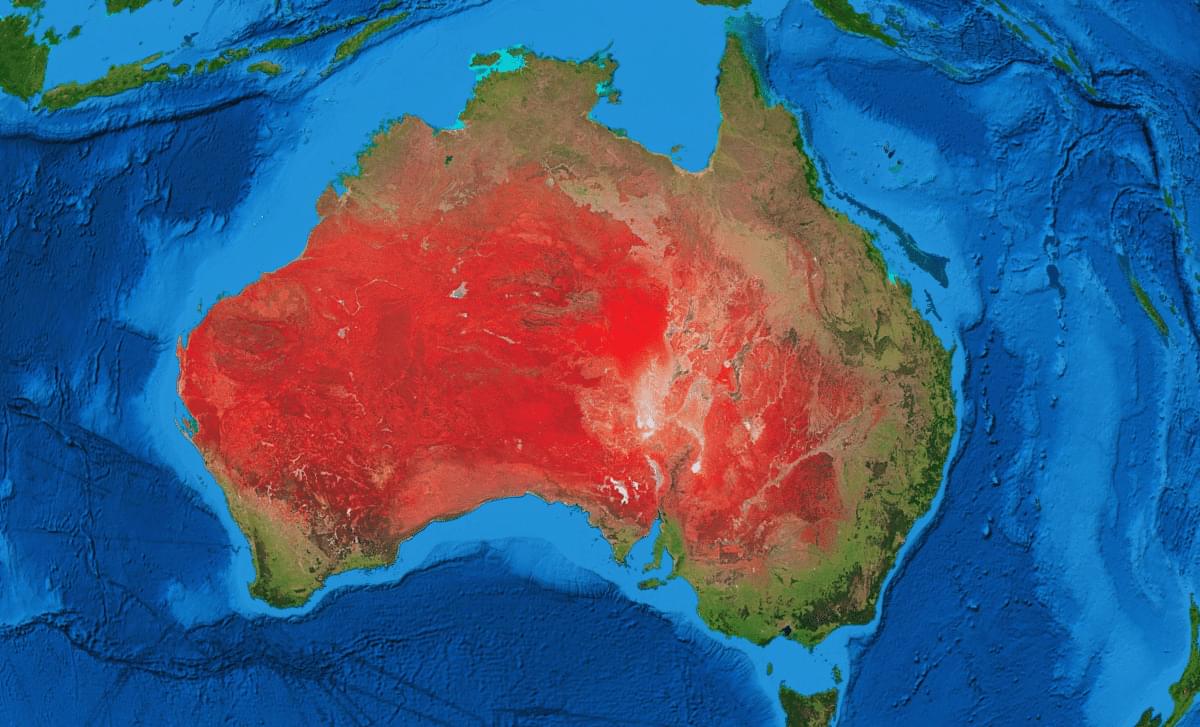
The discovery of a magnetic anomaly beneath Australia’s Northern Territory is reshaping our understanding of the region’s geological history and could lead to exciting new opportunities for resource exploration.