Toggle light / dark theme

Get the latest international news and world events from around the world.

Log in for authorized contributors

Better reporting is better science: Community-defined minimal reporting requirements for light microscopy

Accessible minimal requirements for reproducible light microscopy. This viewpoint from Paula Montero Llopis, Chloë van Oostende-Triplet, the QUAREP-LiMi consortium and colleagues presents a community-endorsed checklist defining minimal light microscopy metadata to improve rigor, reproducibility, and transparency in research.


This website uses a security service to protect against malicious bots. This page is displayed while the website verifies you are not a bot.

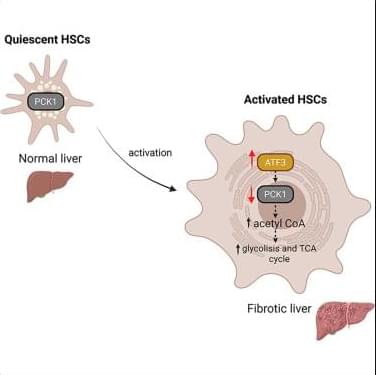
Lack of PCK1 in hepatic stellate cells causes liver fibrosis by fueling tricarboxylic acid cycle and increasing glycolysis

Online now: This study shows that a key metabolic enzyme, PCK1, protects the liver from scarring by keeping fibrogenic cells in a quiescent state. When PCK1 is reduced, these cells undergo metabolic reprogramming characterized by increased glycolysis, become aberrantly activated, and promote liver fibrosis in mice.

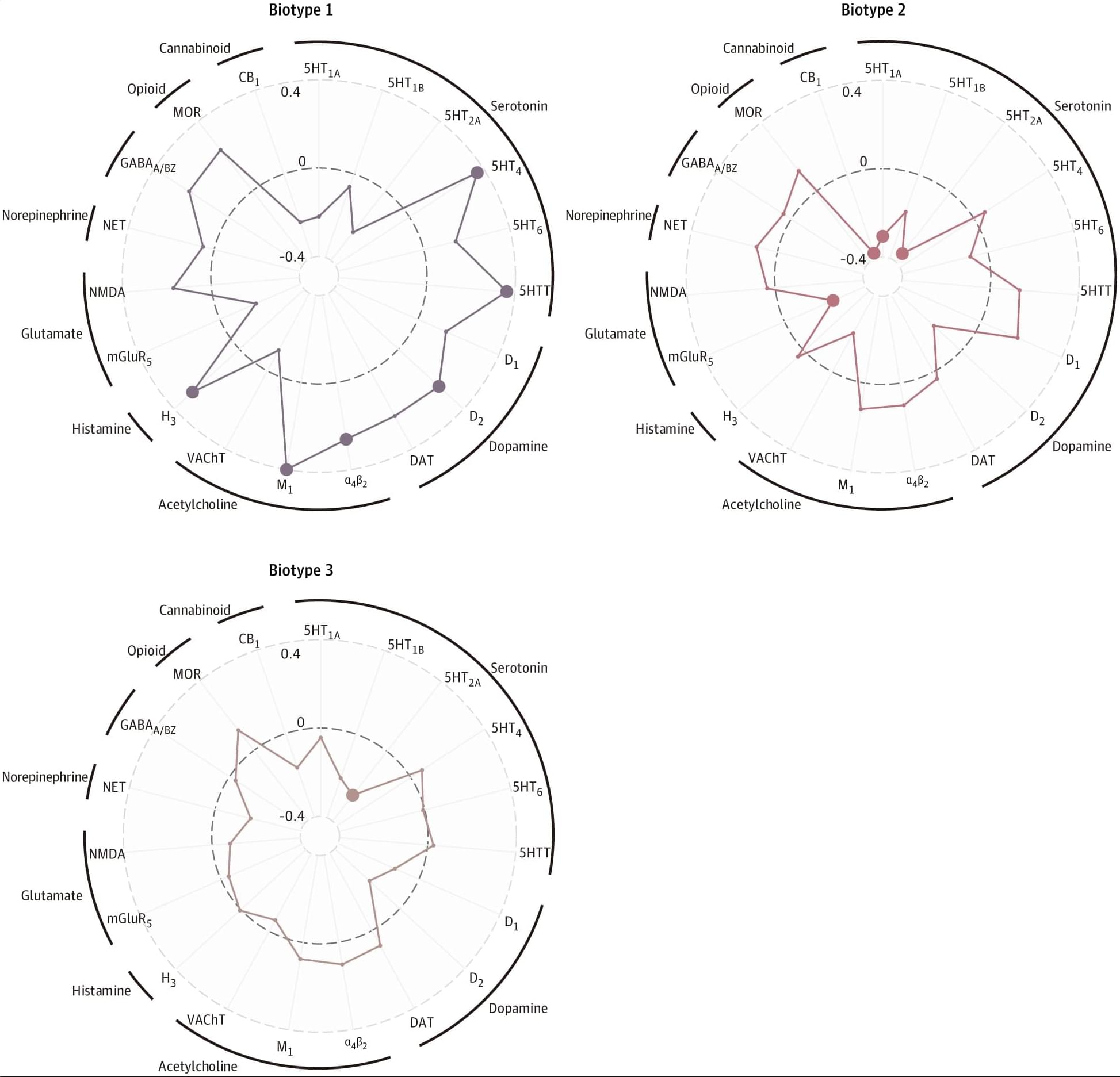
Mapping ADHD Heterogeneity and Biotypes by Topological Deviations in Morphometric Similarity Networks

Normative modeling of morphometric similarity networks in ADHD identified three distinct biotypes with unique clinical-neural profiles, supporting more neurobiologically informed stratification for ADHD management.


Question Can normative modeling of topological properties derived from brain morphometric similarity networks yield robust stratification biomarkers for pediatric populations with attention-deficit/hyperactivity disorder (ADHD)?

Findings This multisite case-control study included 1,154 participants, characterizing ADHD heterogeneity through hub-centric topological deviations derived from morphometric similarity networks. Three distinct biotypes emerged, each exhibiting unique clinical-neural profiles with characteristic neurochemical and functional correlates, validated in an independent transdiagnostic cohort of 554 ADHD cases.

Meaning The integration of normative modeling with heterogeneity through discriminative analysis (HYDRA) clustering yielded both dimensional and categorical insights into ADHD heterogeneity, thereby enhancing our understanding of the ADHD’s neurobiological complexity.

Nanoparticles for Targeted Drug Delivery to Cancer Stem Cells: A Review of Recent Advances

Cancer stem cells (CSCs) are a subpopulation of cells that can initiate, self-renew, and sustain tumor growth. CSCs are responsible for tumor metastasis, recurrence, and drug resistance in cancer therapy. CSCs reside within a niche maintained by multiple unique factors in the microenvironment. These factors include hypoxia, excessive levels of angiogenesis, a change of mitochondrial activity from aerobic aspiration to aerobic glycolysis, an upregulated expression of CSC biomarkers and stem cell signaling, and an elevated synthesis of the cytochromes P450 family of enzymes responsible for drug clearance. Antibodies and ligands targeting the unique factors that maintain the niche are utilized for the delivery of anticancer therapeutics to CSCs. In this regard, nanomaterials, specifically nanoparticles (NPs), are extremely useful as carriers for the delivery of anticancer agents to CSCs.

Signaling pathways in the regulation of cancer stem cells and associated targeted therapy

The concept of stem cells dates back to the 18th century when scientists tried to elucidate how lower organisms developed tissues and organs. 1 These stem cells produce daughter cells that later undergo different biological processes, either continuous self‐renewal division, or differentiation into specialized cells with a limited lifespan. Normal tissue stem cells provide a life‐long source of cells for self‐renewal of tissues, which leads us to speculate that whether stem cells are capable of deriving a malignant cell population, and this lies the foundation of cancer stem cells (CSCs) theory. CSCs are defined as a subpopulation of malignant tumor cells with selective capacities for tumor initiation, self‐renewal, metastasis, and unlimited growth into bulks. 2

Despite decades of research on cancer treatment, it has been proved extremely challenging to achieve complete remission (CR) in cancer patients. Tumor relapse may be explained by the fact that antitumor therapeutics mainly target proliferative cancer cells but remain ineffective in quiescent CSCs. The role of CSC in tumor initiation was first identified in acute myeloid leukemia (AML). Since its isolation from a number of solid tumors and hematological malignancies, the CSC is believed to form the clonogenic core of these tumors. 3 Growing evidence now suggests that CSCs are responsible for multiple progressive tumor phenotypes, including recurrence, metastasis, and treatment failure. 4, 5 The intrinsic treatment resistance of tumors has partially attributed to the presence of the CSC subpopulation, 6, 7 and may also be induced by extrinsic factors, such as treatments and environments. 8, 9

Major signaling pathways are involved in the maintenance of stem cell properties and survival of CSCs, such as the Notch, Wnt, and Hedgehog (HH) pathways. 10 There is also intricate interplay network between these signal cascades and other oncogenic pathways. 11, 12, 13 Thus, targeting pathway molecules that regulate CSCs provides a new option for the treatment of therapy‐resistant or ‐refractory tumors. This review aims to provide an overview of the regulating networks and their immune interactions involved in CSC development. We also summarized the update on the development of CSC‐directed therapeutics, with a special focus on those with application approval or under clinical evaluation.

Electromotility can be disassociated from gating charge movement in outer hair cells of conditional alpha2 spectrin knockout mice

New in JBC press| Scientists examine the effects of conditional knockouts of alpha2 spectrin in postnatal outer hair cells.

asbmbJBC.


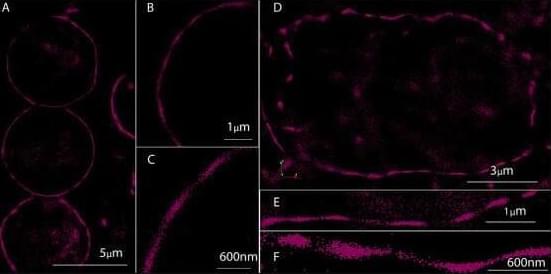
Electromotility in mammalian outer hair cells (OHC) is the mechanism underlying cochlear amplification. It is brought about by the piezoelectric-like property of the membrane protein prestin (Slc26a5) that lies in the OHCs lateral plasma membrane. Prestin connects to an underlying cytoskeletal network of circumferential actin filaments that bridge longitudinal spectrin filaments. This network, in turn, lies between the plasma membrane and a closely apposed ER-like tubular array of subsurface cisternae (SSC).

THE ARTEMIS TRAP — Why We’re Designing for Failure

NASA’s Lunar program is destined to fail if BIG changes aren’t made fast. Especially the plans for Artemis II to land humans on the moon.

Tired of toxins in your consumer products? https://switchwithgreg.com/

GoldBacks from Galactic/Green Greg’s affiliate link:
https://www.defythegrid.com/goldbacks… coupon code GreenGregs for 1% off.

/* */