Toggle light / dark theme

Get the latest international news and world events from around the world.

Log in for authorized contributors

Frontline Osimertinib Combo Prolongs Survival in Advanced EGFR+ NSCLC

Among patients with central nervous system (CNS) metastases at baseline, the 36-month OS rate was 57% (95% CI, 48%-66%) with osimertinib/chemotherapy and 40% (95% CI, 31%-49%) with osimertinib alone. The 36-month OS rates among patients without CNS metastases were 67% (95% CI, 59%-74%) vs 58% (95% CI, 50%-65%) in each respective arm. Additionally, the 36-month rates were 54% (95% CI, 44%-63%) vs 42% (95% CI, 32%-51%) among patients with EGFR L858R mutations and 69% (95% CI, 61%-75%) vs 57% (95% CI, 49%-64%) among those with EGFR exon 19 deletions.

When considering patients who discontinued frontline osimertinib following disease progression, 69% (n = 88/127) of patients in the combination therapy arm and 77% (n = 143/185) in the monotherapy arm received subsequent therapy. The most common types of first subsequent therapy in the combination arm included platinum-based chemotherapy (44%) and non–platinum-based chemotherapy (30%). Among patients who received osimertinib monotherapy, the most common kind of subsequent treatment was platinum-containing chemotherapy (72%).

“The combination therapy used in this trial was associated with a higher incidence of grade 3 or higher adverse events and of [AEs] leading to the discontinuation of treatment than osimertinib monotherapy. Most high-grade toxic effects associated with the combination therapy were related to myelosuppressive effects, which are generally dose-related and reversible, with supportive interventions available to ameliorate such effects,” lead study author Pasi A. Jänne, MD, PhD, senior vice president of Translational Medicine and professor in the Department of Medical Oncology at Lowe Center for Thoracic Oncology of Dana–Farber Cancer Institute, wrote with coauthors in the publication.1 “Results from this trial provide evidence that first-line treatment with osimertinib plus platinum/pemetrexed led to significantly longer [OS] than osimertinib monotherapy among patients with EGFR-mutated advanced NSCLC.”
A Genetic Risk Adoption Design for Psychiatric and Substance Use Disorders

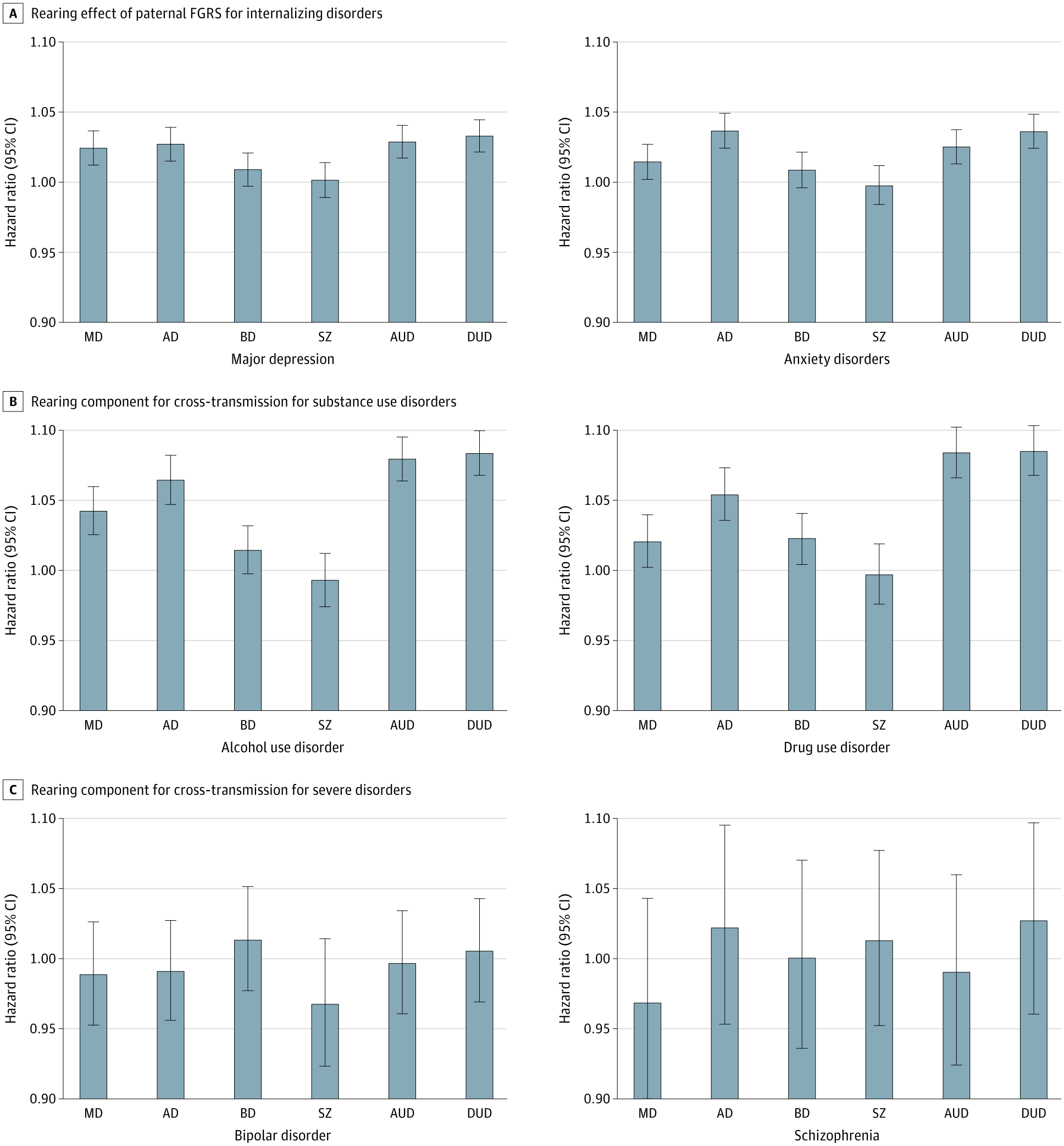
Paternal genetic risk is a robust predictor of offspring psychiatric disorders, with additional “indirect genetic effects” observed for internalizing and substance use conditions in adoptive and stepfather relationships. Rearing effects were most pronounced for substance use disorders.


Question In an adoption study of major psychiatric illness, what results would be obtained if offspring risk were predicted not from the phenotype of the parents but from their genetic risk?

Findings In this cohort study, paternal genetic risk was associated with offspring risk of illness for all disorders in genetically related father-offspring pairs. In an indirect pathway, genetic risk in adoptive and stepfathers predicted risk in their offspring for internalizing and substance use disorders but not for schizophrenia or bipolar disorder.

Meaning Indirect genetic effects from the father may have an impact on offspring risk of internalizing and substance use disorders.

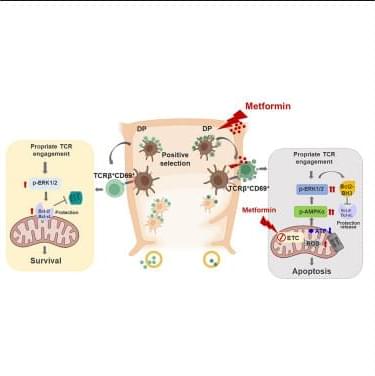
Metformin hijacks AMPK-ERK1/2 signaling to trigger a pathogenic “selection trap” and thymic atrophy

Qin et al. reveal that the diabetes drug metformin sets a “selection trap” in the thymus. It pushes developing immune cells toward maturation while simultaneously triggering their apoptosis via a metabolic stress-induced pathway, challenging the drug’s safety in non-diabetic contexts.

Dual therapy shows promise for childhood brain cancer

Researchers at the Children’s Cancer Institute and UNSW Sydney have tested a new way of treating childhood brain cancer by combining two medicines in lab studies. They found using the two treatments together may work better than using either on its own. The research is published in the journal Science Translational Medicine.

In the new study, Children’s Cancer Institute and UNSW Sydney researchers lab-tested a combined therapy approach on a group of difficult-to-treat brain tumors: diffuse midline gliomas (DMG). This group includes diffuse intrinsic pontine glioma (DIPG), a rare but fatal childhood brain cancer. Children diagnosed with DIPG usually survive for about 12 months.

UNSW Conjoint Professor David Ziegler and UNSW Conjoint Associate Professor Maria Tsoli led the study. They have been working for many years to find better treatments for DIPG.

Chiral nanowires can actively change electron spin direction

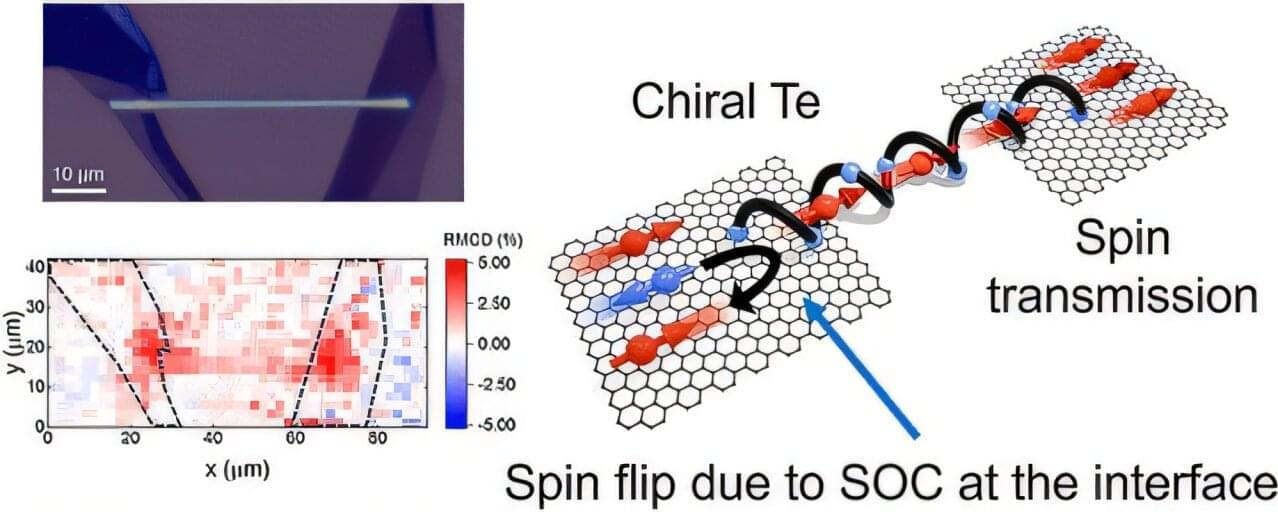
The phenomenon where electron spins align in a specific direction after passing through chiral materials is a cornerstone for future spin-based electronics. Yet, the precise process behind this effect has remained a mystery—until now.

An international team of researchers, affiliated with UNIST, has directly observed how electron spins behave in real space, providing a fresh understanding of this complex interaction. The findings were published in ACS Nano.

Professors Noejung Park and Seon Namgung from the Department of Physics at UNIST, in collaboration with Professor Binghai Yan from Pennsylvania State University, conducted the study. Their work confirms that chiral materials actively change the spin orientation of electrons, overturning the long-held belief that these materials simply filter spins without affecting their direction.

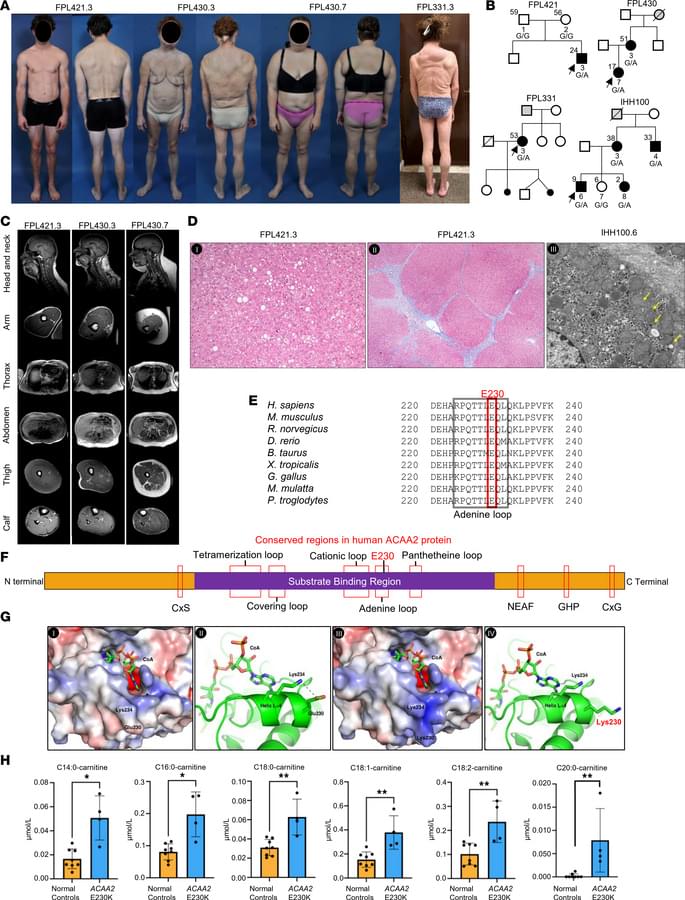
Clinical features, pedigrees, MRI, and liver pathology of patients carrying heterozygous p.Glu230Lys

This Research Letter describes a new molecular basis for lipodystrophy syndromes.

Abhimanyu Garg & team report on a variant in ACAA2 that causes hepatitis and hypoglycemia during infancy and lipodystrophy during adulthood accompanied by elevated plasma long chain acylcarnitines.


Address correspondence to: Abhimanyu Garg, 5,323 Harry Hines Boulevard, Dallas, Texas 75,390, USA. Phone: 214.648.2895; Email: [email protected].

Find articles by Simha, V. in: | Google Scholar

1Mayo Clinic, Rochester, Minnesota, USA.

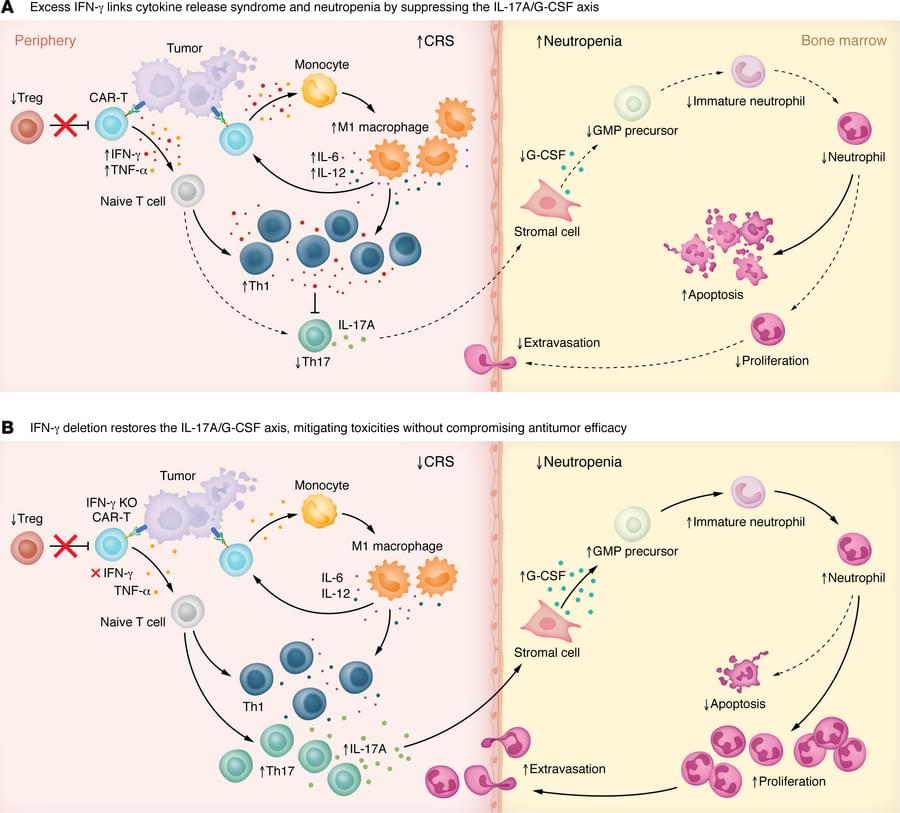
Abstract: Fanning the flames: IFN-γ fuels CAR-T inflammation and cytopenia:

A Commentary by Stefanie R. Bailey & Marcela V. Maus on Payal Goala et al.: https://doi.org/10.1172/JCI194631


1Division of Pediatric Hematology/Oncology, Department of Pediatrics, Department of Microbiology, Immunology and Cancer Biology, University of Virginia, Charlottesville, Virginia, USA.

2Cellular Immunotherapy Program, Mass General Cancer Center, Krantz Family Center for Cancer Research, Massachusetts General Hospital, Department of Medicine, Harvard Medical School, Boston, Masschusetts, USA.

Address correspondence to: Marcela V. Maus, 149 13th Street, Room 3.216, Charlestown, Massachusetts, 2,129, USA. Email: [email protected].

An IL-12 partial agonist sustains intratumoral lymphocyte activation and detoxifies systemic IL-12 therapy

IL-12 is a promising tumor immunotherapy, but its therapeutic use is limited by acute NK cell-associated toxicity. Koliesnik et al. report the discovery of STK-026, an IL-12-Fc partial agonist that preferentially drives effector function in T cells, which express high levels of IL-12 receptors, and avoids NK cell-associated toxicity.

Aivela Takes a Different Spin on the Health-Tracking Smart Ring

Smart rings are no longer novel. A few hidden superpowers, however, might make them interesting again.

Most devices are increasingly focused on biometric tracking. The Aivela Ring Pro aims to stand out with stealth gesture and touch controls. With a stealth flick, swipe or slide of the finger, you can control music playback, adjust volume, trigger the camera, advance slide decks, scroll and more on your phone.

Launched at CES 2026, the Ring Pro resembles many of its competitors, including the Oura Ring and Samsung’s Galaxy Ring. There’s only so much you can do with ring design after all. It has the familiar metallic (scratch-resistant) finish, a slightly thicker top profile and sensors lining the interior. The primary visual cue indicating something different is a small diamond-shaped engraving at the center, which signals the location of the touchpad.

/* */