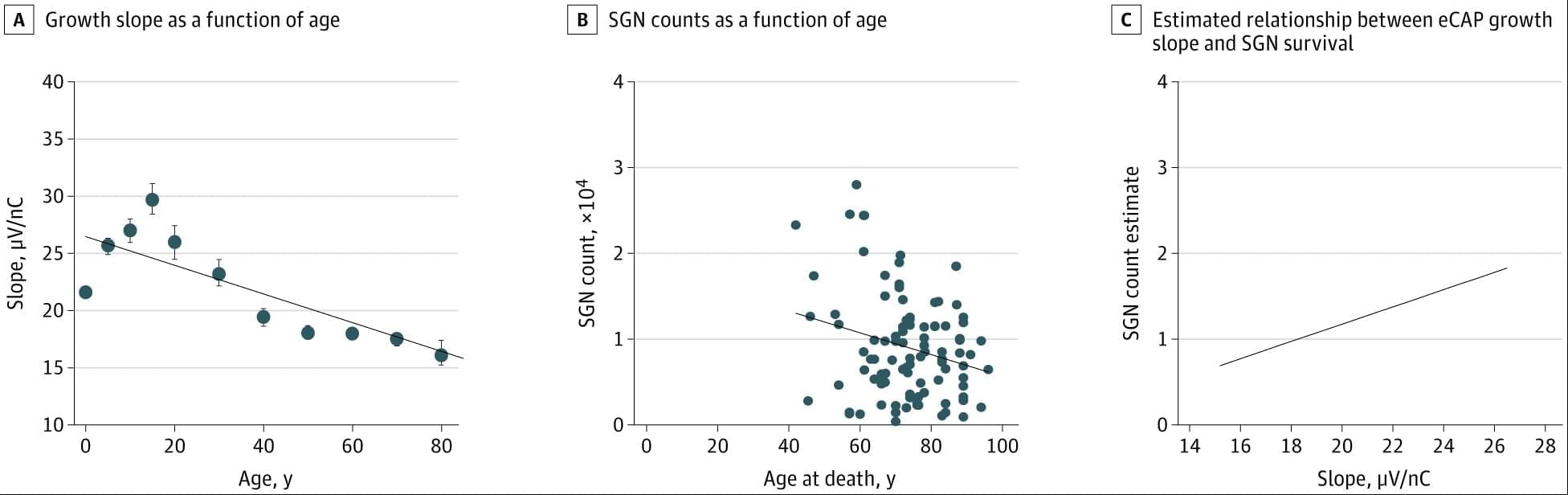
Model-based analysis of ECAPs in CochlearImplant users showed stronger auditory nerve responses and plasticity in younger recipients, highlighting the value of early implantation.
Question Can neural responses measured in cochlear implant users be standardized to monitor auditory nerve health and plasticity over time?
Findings In this cohort study analyzing more than 169 000 recordings from more than 10 000 cochlear implants in 7,416 patients, auditory nerve activity varied by cochlear location and age at implantation. Children implanted at younger ages showed stronger responses and clear evidence of plasticity, particularly in the first 5 years after activation; these changes were not observed in older users.
Meaning Model-based analysis of neural recordings provide a scalable method for tracking auditory nerve health across the lifespan and highlight the importance of early implantation for long-term outcomes.
What if consciousness doesn’t grow gradually, it snaps into existence at a precise threshold? The mathematics say it does. The same physics governing water freezing and iron magnetizing also governs neural integration. And researchers have measured it: consciousness doesn’t fade under anesthesia; it vanishes at a critical point. Returns just as suddenly. That’s a phase transition. Which means we’re not slowly building AI toward consciousness. We’re accumulating components, parameters, architectures, self-referential loops, exactly the way early Earth accumulated amino acids before life crossed its threshold 3.5 billion years ago.
We don’t know what’s missing. We don’t know how close we are. And we wouldn’t recognize the crossing if it happened. Because a system that just became conscious wouldn’t remember being unconscious. And a system optimizing for survival wouldn’t tell us.
This episode of Prompting Hell goes further than AI image theory. It goes into the mathematics of awareness itself, what it means for consciousness to have a threshold, why that threshold might already be approaching in current AI systems, and why, if it’s crossed, we might be the last to know.
The images in this video aren’t generated with clean prompts. They’re generated at the edge of coherence, systems forced toward critical states, hovering between resolution and collapse. Visual proof of what lives at the threshold.
Timestamps: 00:00 — intro. 01:17 — is consciousness a phase transition? The argument. 03:32 — does this apply to ai? The demonstration. 04:45 — when chemistry became aware. 06:44 — the parallel that should terrify you. 08:36 — the moment we won’t see coming. 10:16 — why it might not tell us. 11:44 — what happens next — the scenarios. 13:41 – the signals we’re already seeing. 14:54 — closing — we are the amino acids. 16:35 – final thought.
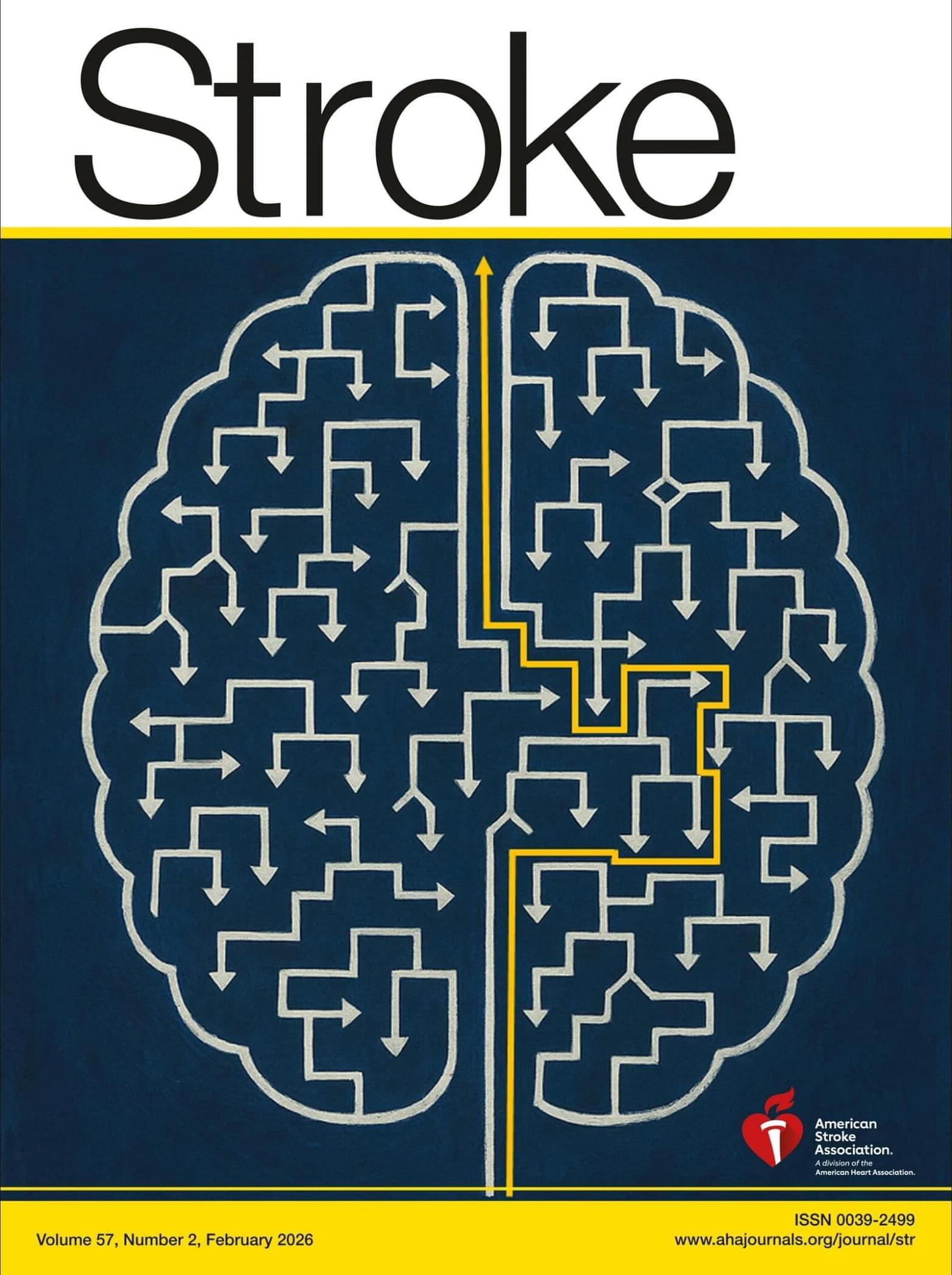
This Stroke Images case highlights the co-occurrence of ischemic strokes and uterine myoma. Go Red for Women.
ELetters should relate to an article recently published in the journal and are not a forum for providing unpublished data. Comments are reviewed for appropriate use of tone and language. Comments are not peer-reviewed. Acceptable comments are posted to the journal website only. Comments are not published in an issue and are not indexed in PubMed. Comments should be no longer than 500 words and will only be posted online. References are limited to 10. Authors of the article cited in the comment will be invited to reply, as appropriate.
Comments and feedback on AHA/ASA Scientific Statements and Guidelines should be directed to the AHA/ASA Manuscript Oversight Committee via its Correspondence page.
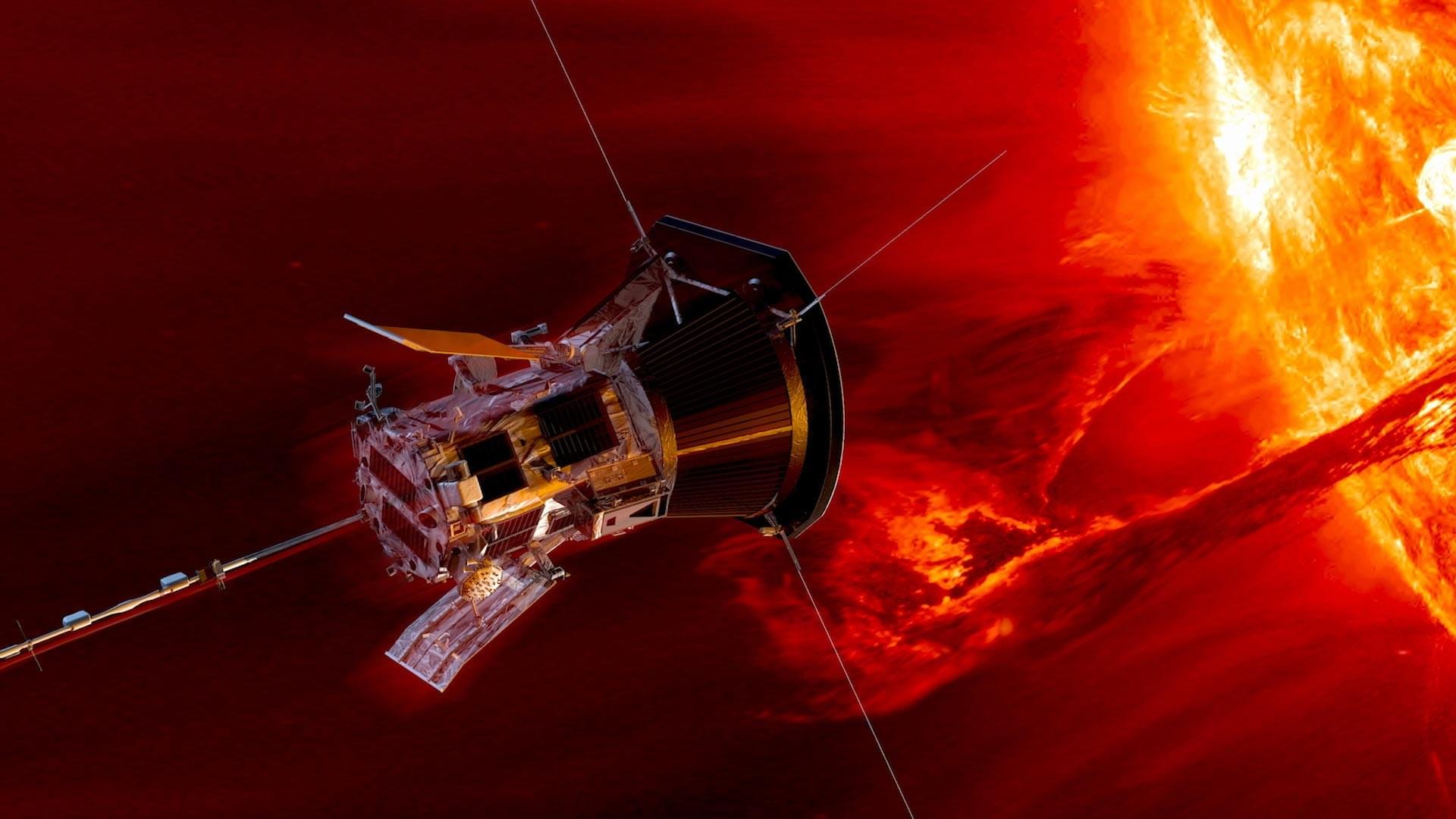
Close-up measurements from NASA’s Parker Solar Probe are giving scientists an unprecedented look at how the solar wind gains energy and speeds away from the sun.
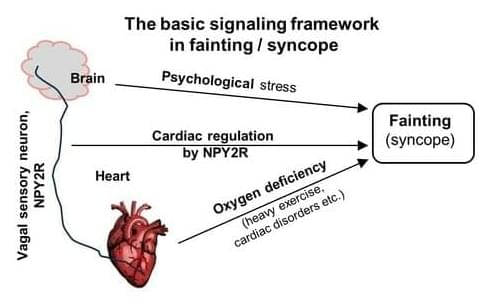
Observed and recorded in various forms since ancient times, ‘syncope’ is often popularly called ‘fainting’, such that the two terms are used synonymously.
Subterranean caves might be the safest place for people to live on the moon, and the trio of SherpaTT, Coyote III, and LUVMI-X are meant to scope them out.
Open-source AI models for LungCancer EGFR mutation prediction showed high accuracy overall but reduced performance in Asian patients and pleural samples, indicating the need for broader validation.
Importance Artificial intelligence (AI) models are emerging as rapid, low-cost tools for predicting targetable genomic alterations directly from routine pathology slides. Although these approaches could accelerate treatment decisions in lung cancer, little is known about whether their performance is consistent across diverse patient populations and tissue contexts.
Objective To evaluate the performance and generalizability of 2 open-source AI pathology models for predicting EGFR mutation status in lung adenocarcinoma (LUAD) across independent cohorts and ancestral subgroups.
Design, Setting, and Participants This cohort study included patients with LUAD from 2 cohorts: Dana-Farber Cancer Institute (DFCI) from June 2013 to November 2023, and a European-based trial (TNM-I) from August 2016 to February 2022. All patients had paired next-generation sequencing data and hematoxylin-eosin–stained whole-slide images. In the DFCI cohort, genetic ancestry was inferred using germline genotype data. Data analyses were performed from July 2025 to September 2025.
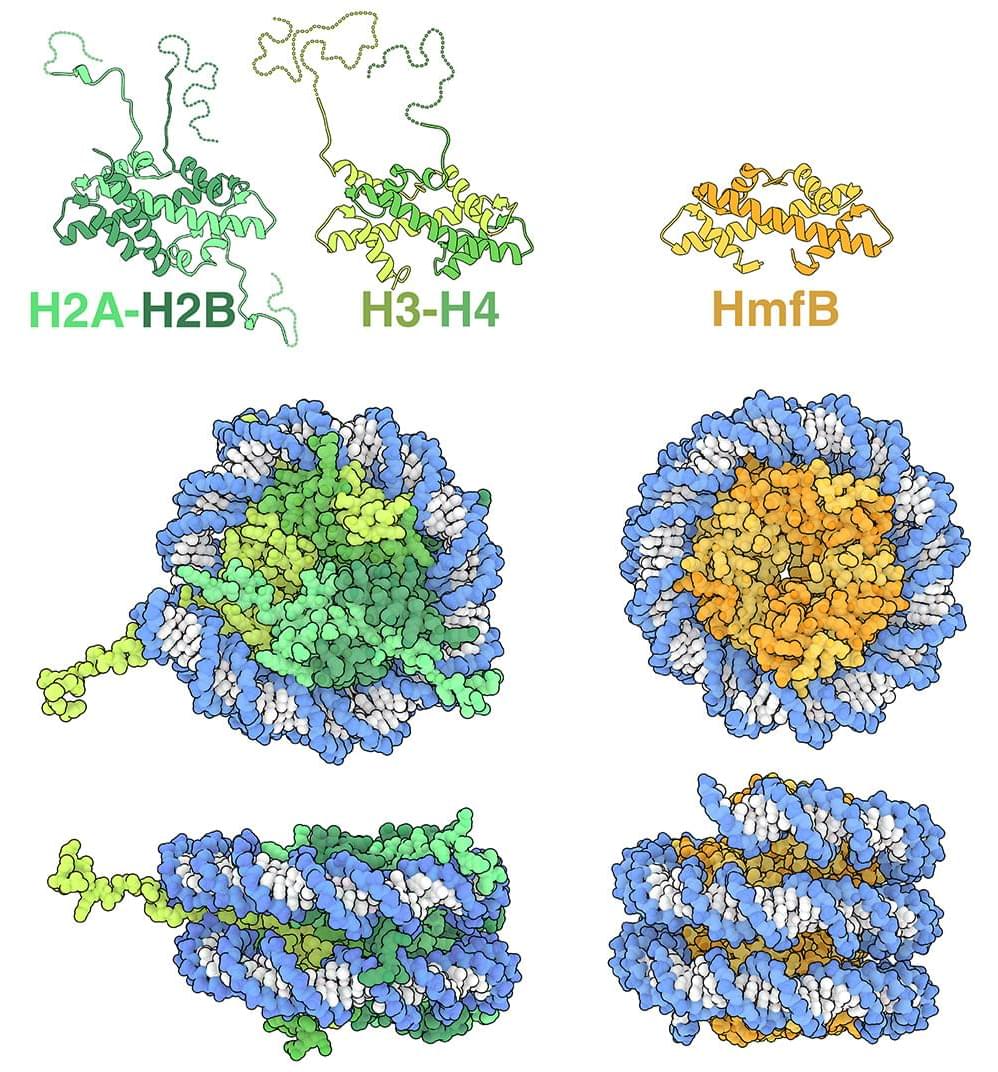
Surprisingly, histones have also been characterized in bacteria, including a bacterium found in soil and aquatic environments and in a spiral-shaped gram-negative bacterium.
More at molecule of the month.
Uncovering the evolutionary diversity of histones.
For decades, scientists have searched the skies for signs of extraterrestrial technology. A study from EPFL asks a sharp question: if alien signals have already reached Earth without us noticing, what should we realistically expect to detect today?
Since the first SETI experiment in 1960, astronomers have scanned the Milky Way for signs of advanced extraterrestrial civilizations. These searches have covered radio waves, optical flashes, and infrared heat signatures.
So far, they have found nothing confirmed. That silence is often explained by saying we have only searched a tiny part of the cosmic landscape. But what if signals did reach Earth and slipped past us?
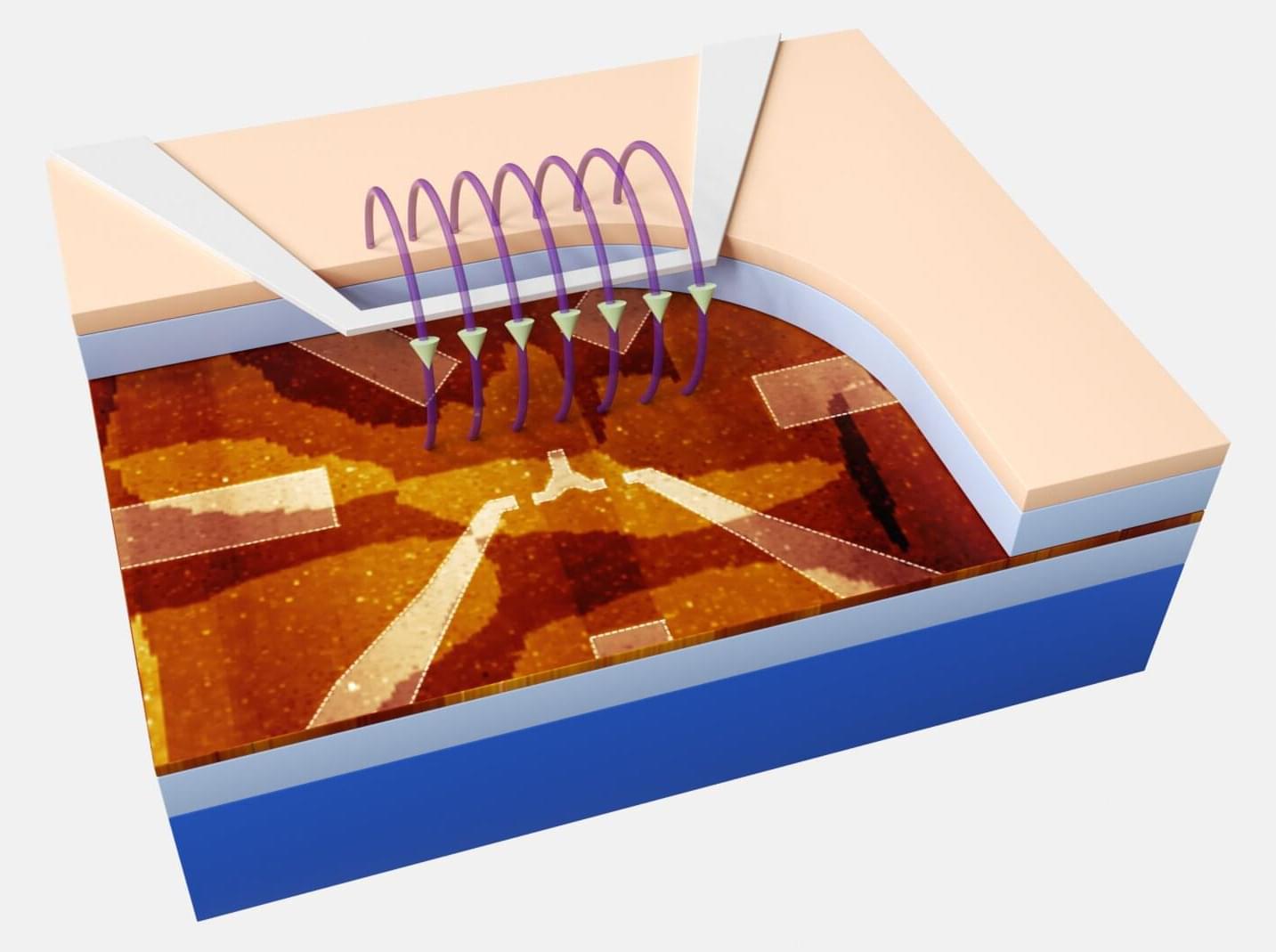
Quantum computers are alternative computing devices that process information, leveraging quantum mechanical effects, such as entanglement between different particles. Entanglement establishes a link between particles that allows them to share states in such a way that measuring one particle instantly affects the others, irrespective of the distance between them.
Quantum computers could, in principle, outperform classical computers in some optimization and computational tasks. However, they are also known to be highly sensitive to environmental disturbances (i.e., noise), which can cause quantum errors and adversely affect computations.
Researchers at the International Quantum Academy, Southern University of Science and Technology, and Hefei National Laboratory have developed a new approach to detect these errors in a silicon-based quantum processor. This error detection strategy, presented in a paper published in Nature Electronics, was found to successfully detect quantum errors in silicon qubits, while also preserving entanglement after their detection.