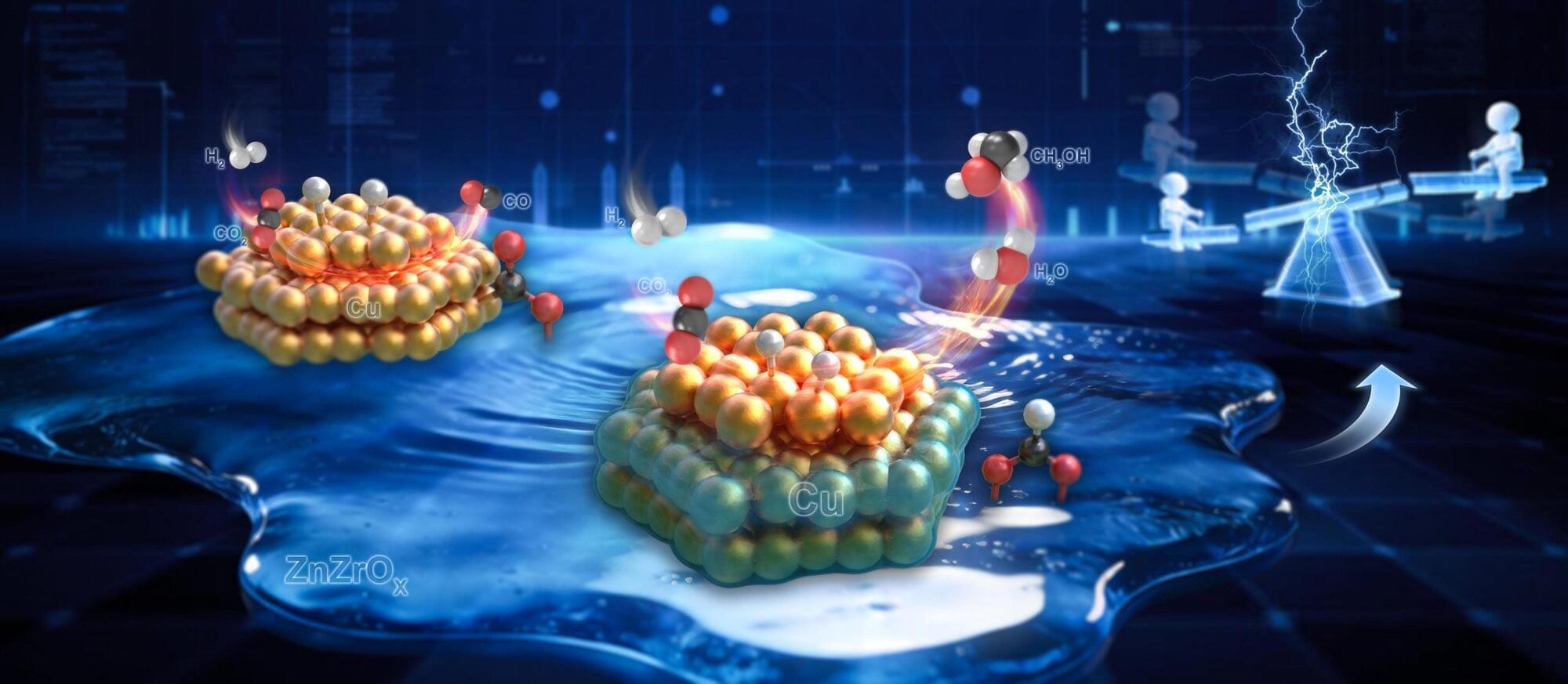
Researchers have revisited a long-known material and uncovered a way to dramatically enhance its performance by altering its structure at the nanoscale.

Astronomers have spotted two giant planets forming around a young star—offering a stunning glimpse of how our Solar System may have begun.

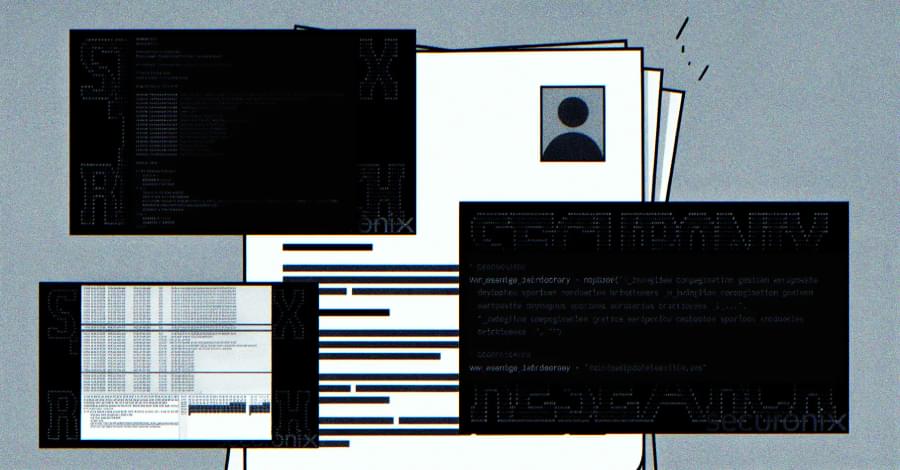

PTC Inc. is warning of a critical vulnerability in Windchill and FlexPLM, widely used product lifecycle management (PLM) solutions, that could allow remote code execution.
The security issue, identified as CVE-2026–4681, could be leveraged through the deserialization of trusted data.
Its severity has prompted emergency action from German authorities, with the federal police (BKA) reportedly sending agents to affected companies to alert them to the cybersecurity risk.

Mozilla released Firefox 149 with added privacy protection through a built-in VPN tool offering up to 50GB of monthly traffic.
The feature uses a secure proxy server to route only traffic from the browser, unlike the company’s commercial Mozilla VPN, which covers system-wide traffic.
“Whether you’re using public Wi-Fi while traveling, searching for sensitive health information, or shopping for something personal, this feature gives you a simple way to stay protected,” Mozilla says.


Scientists have found a clever way to supercharge ultra-thin semiconductors by reshaping the space beneath them rather than altering the material itself. By placing a single-atom-thick layer of tungsten disulfide over tiny air cavities carved into a crystal, they created miniature “light traps” that dramatically boost brightness and optical effects—up to 20 times stronger emission and 25 times stronger nonlinear signals. These hollow structures, called Mie voids, concentrate light exactly where the material sits, overcoming a major limitation of atomically thin devices.