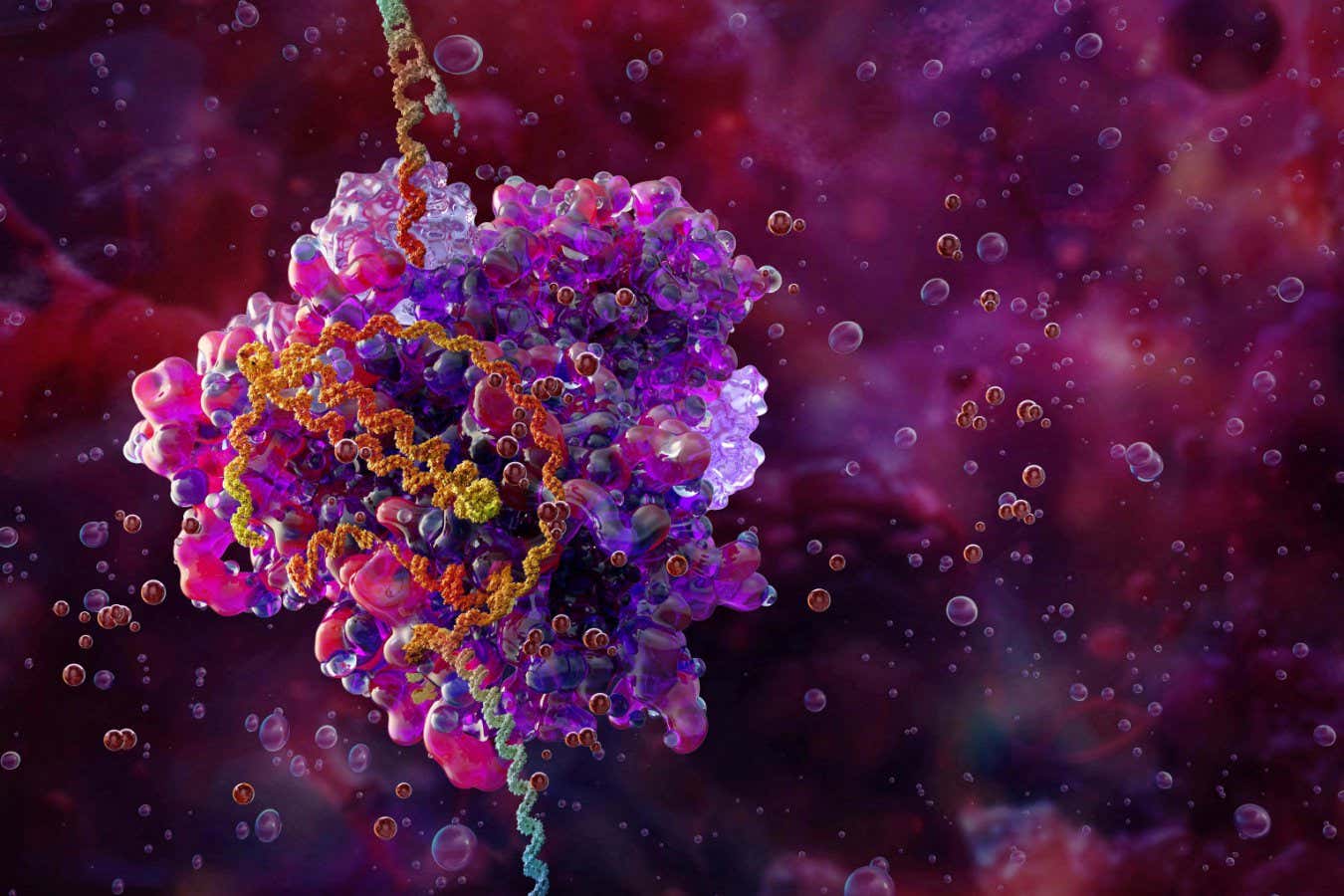
The idea of self-amplifying gene editing is to get cells to pass on packages of CRISPR machinery to their neighbours, boosting the effect
The research of artificial intelligence is undergoing a paradigm shift from prioritizing model innovations over benchmark scores towards emphasizing problem definition and rigorous real-world evaluation. As the field enters the “second half,” the central challenge becomes real utility in long-horizon, dynamic, and user-dependent environments, where agents face context explosion and must continuously accumulate, manage, and selectively reuse large volumes of information across extended interactions. Memory, with hundreds of papers released this year, therefore emerges as the critical solution to fill the utility gap. In this survey, we provide a unified view of foundation agent memory along three dimensions: memory substrate (internal and external), cognitive mechanism (episodic, semantic, sensory, working, and procedural), and memory subject (agent- and user-centric). We then analyze how memory is instantiated and operated under different agent topologies and highlight learning policies over memory operations. Finally, we review evaluation benchmarks and metrics for assessing memory utility, and outline various open challenges and future directions.
New in the RedJournal: replanned TROG 12.01 unilateral cases to define guidelines for unilateral RT planning with maximal midline and contralateral sparing. @TROGfightcancer RadOnc HNcsm.
Unilateral radiotherapy (URT) is an effective treatment strategy in selected patients with lateralized tonsil cancer. However, there is a lack of established planning guidelines for URT treatment leading to suboptimal optimization of contralateral and midline organs at risk (OARs). This study aimed to re-optimize URT plans to maximize sparing of midline and contralateral OAR’s while maintaining target coverage, providing dosimetric guidelines for URT planning.
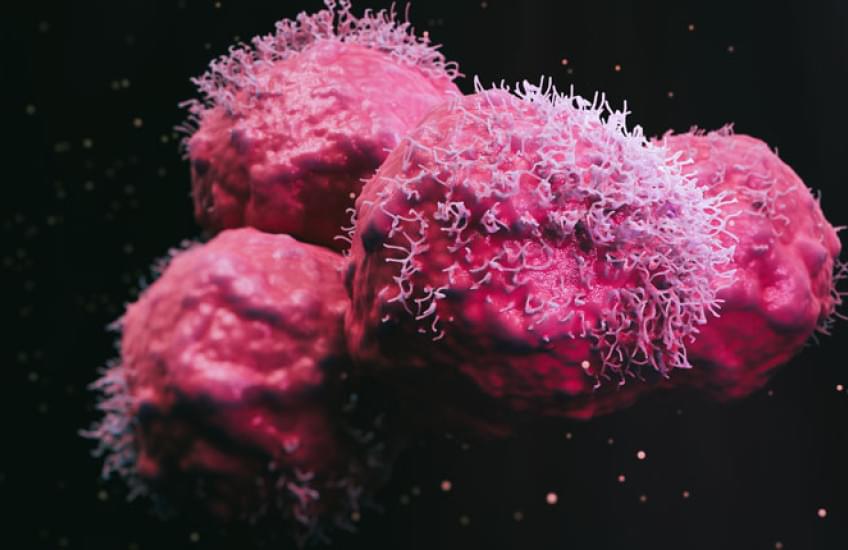
Neutrophils are known as first responders to threatening infections and feature prominently in the microenvironment of tumors to resist cancer progression. Though neutrophils have been linked to the growth of multiple cancers, such as lung and breast, these cells can assume multiple functional states.
In a new study published in Cancer Cell titled, “ CCL3 is produced by aged neutrophils across cancers and promotes tumor growth,” researchers from Ludwig Institute for Cancer Research in Lausanne have discovered a gene expression program executed by tumor-associated neutrophils (TANs) and a corresponding biomarker that uniformly support cancer cell survival and tumor progression across human and murine tumors.
Results demonstrate that TANs characterized by this conserved genetic program are a central variable of the tumor microenvironment (TME) linked to cancer progression. The authors also identify an associated marker, CCL3, as key to supporting cancer growth.
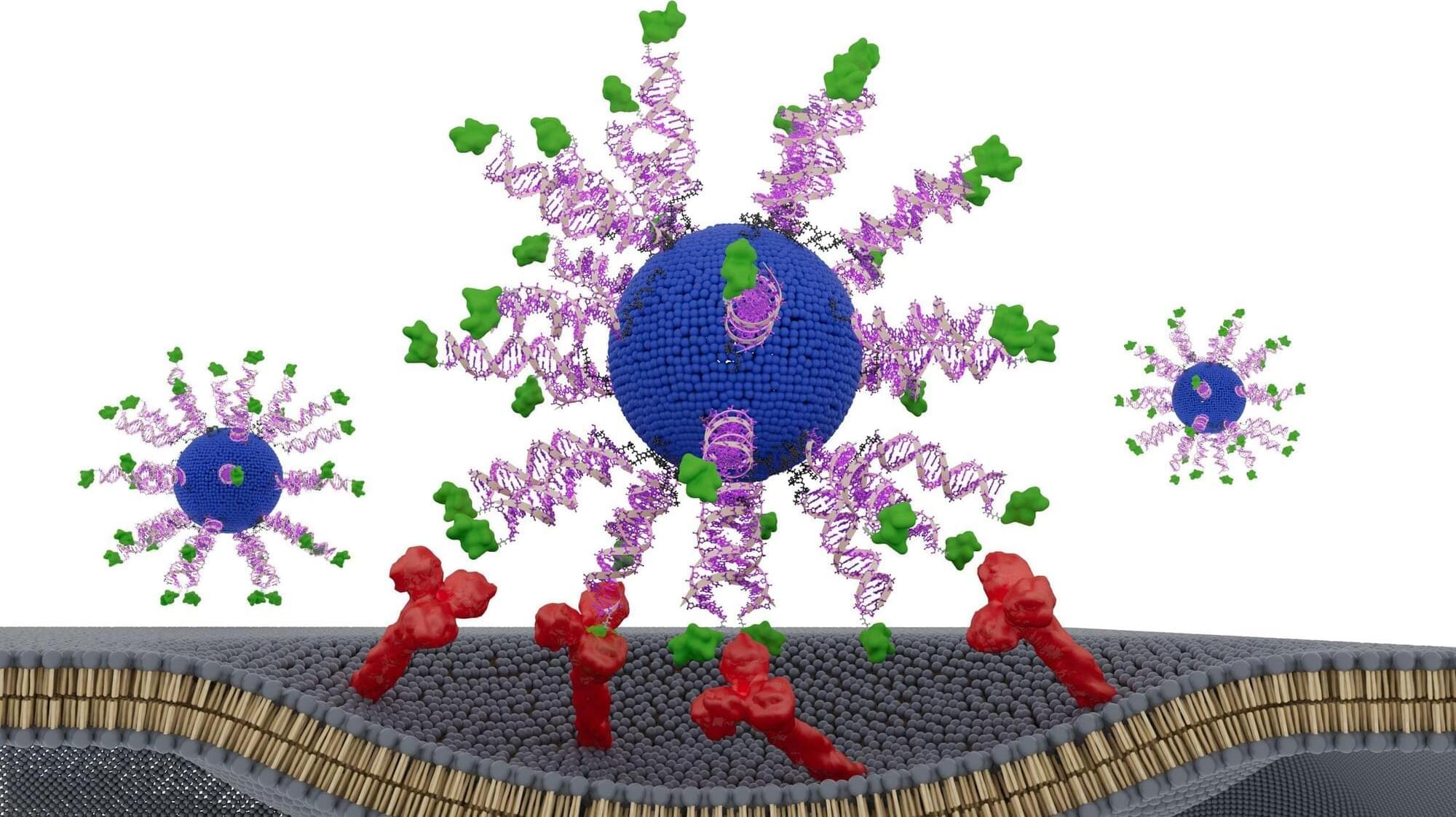
A vaccine designed to fight HPV-driven head and neck cancers has shown promising results in a lab study in human tissues and mice.
If proven effective in humans, the therapeutic shot could complement standard cancer therapies, and its design may help scientists build better vaccines for other diseases.
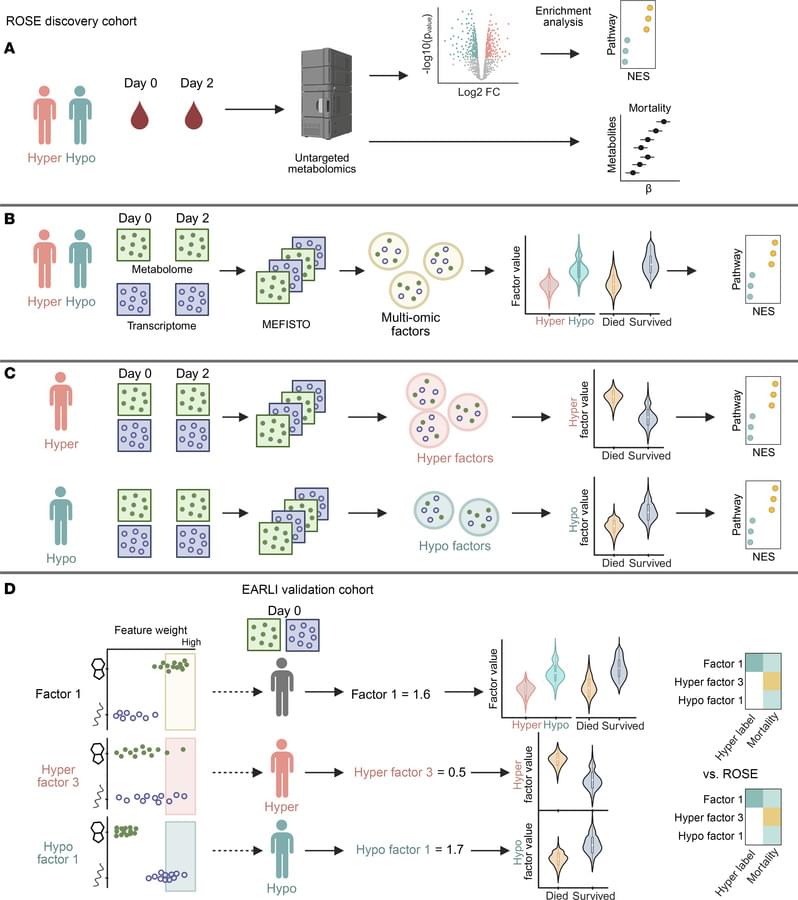
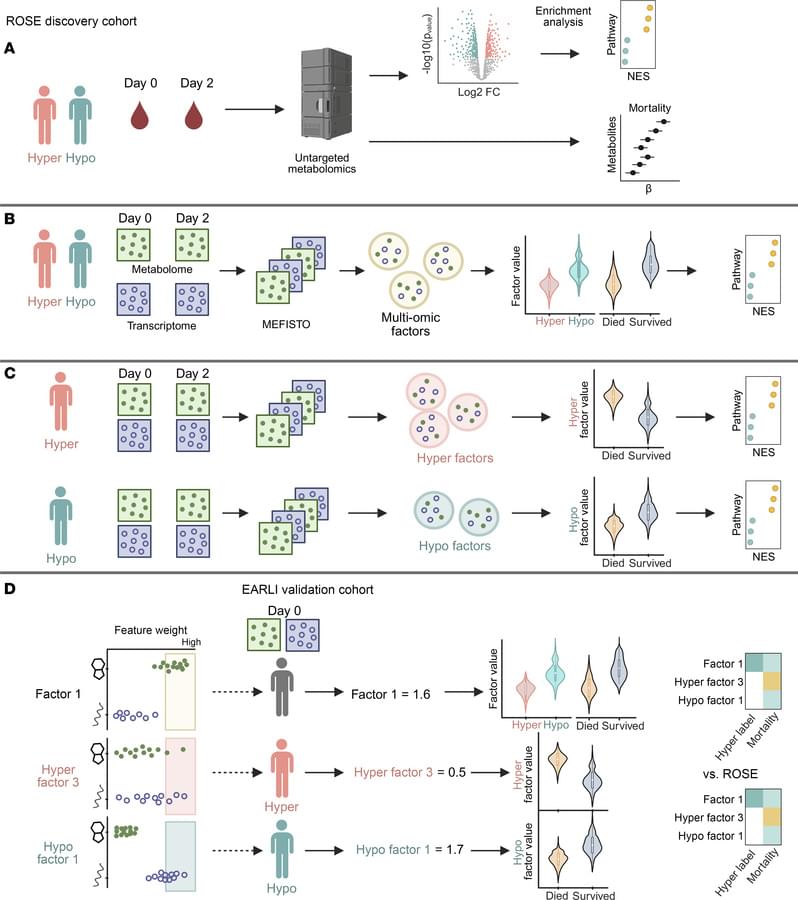
Narges Alipanah-Lechner & team perform multi-omics analysis of patients with ARDS, revealing 4 molecular signatures associated with death, all characterized by mitochondrial dysfunction.
1Division of Pulmonary, Critical Care, Allergy, and Sleep Medicine, Department of Medicine, UCSF, San Francisco, California, USA.
2Division of Clinical and Translational Research, Department of Anesthesia, Washington University School of Medicine, St. Louis, Missouri, USA.
3Cardiovascular Research Institute, UCSF, San Francisco, California, USA.
Vold et al. studied two SNAP-25 variants with different clinical severity. Variants destabilize the SNARE complex and reduce binding to the Munc18-1:VAMP2:syntaxin-1 acceptor complex, with correlated effects on neurotransmitter release. Effects of co-expression of variant and wild-type SNAP-25 were modeled by assuming the co-existence of both species in a ring of SNARE complexes.

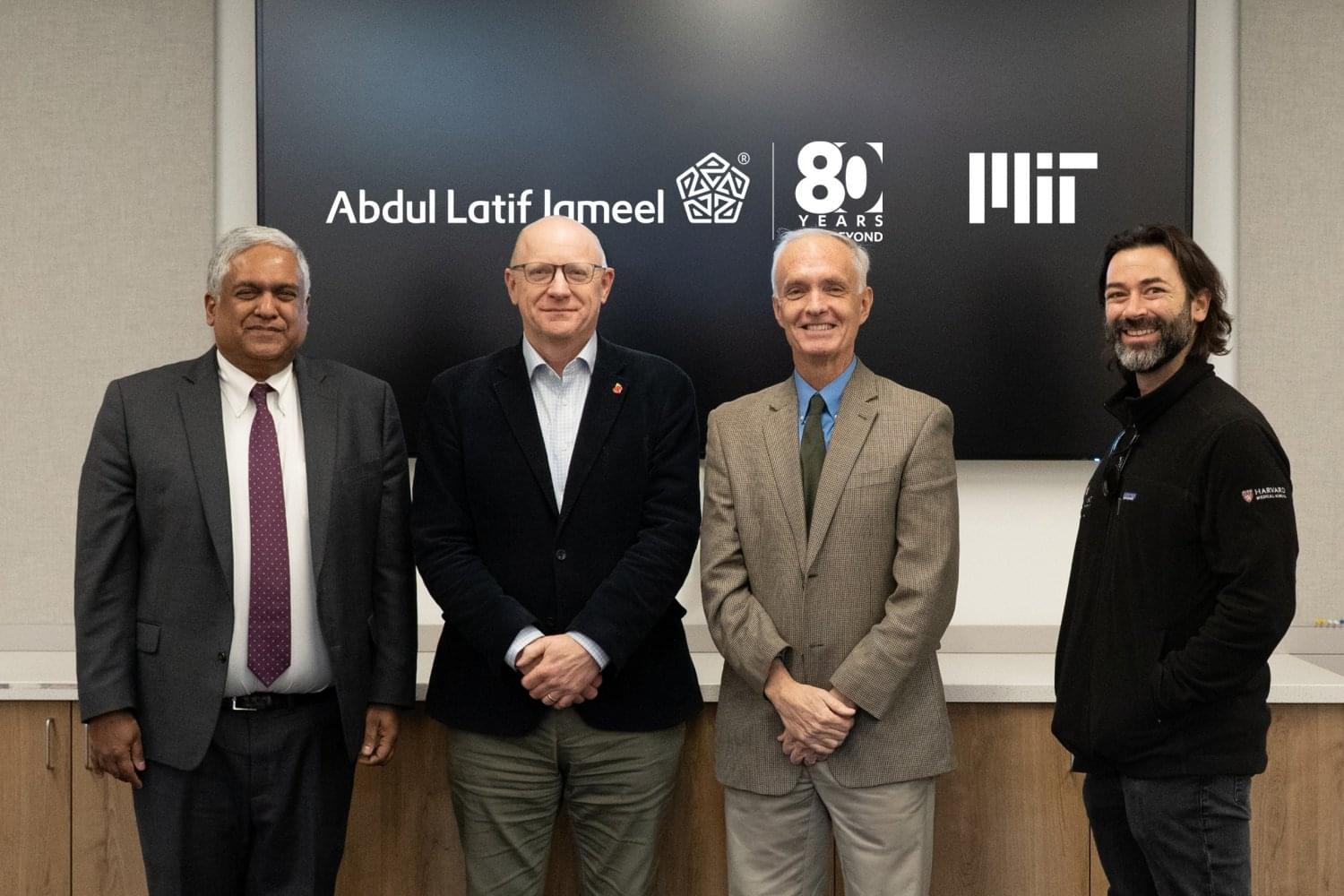
James J. Collins, the Termeer Professor of Medical Engineering and Science at MIT and faculty co-lead of the Abdul Latif Jameel Clinic for Machine Learning in Health, is embarking on a multidisciplinary research project that applies synthetic biology and generative artificial intelligence to the growing global threat of antimicrobial resistance (AMR).
The research project is sponsored by Jameel Research, part of the Abdul Latif Jameel International network. The initial three-year, $3 million research project in MIT’s Department of Biological Engineering and Institute of Medical Engineering and Science focuses on developing and validating programmable antibacterials against key pathogens.
AMR — driven by the overuse and misuse of antibiotics — has accelerated the rise of drug-resistant infections, while the development of new antibacterial tools has slowed. The impact is felt worldwide, especially in low-and middle-income countries, where limited diagnostic infrastructure causes delays or ineffective treatment.
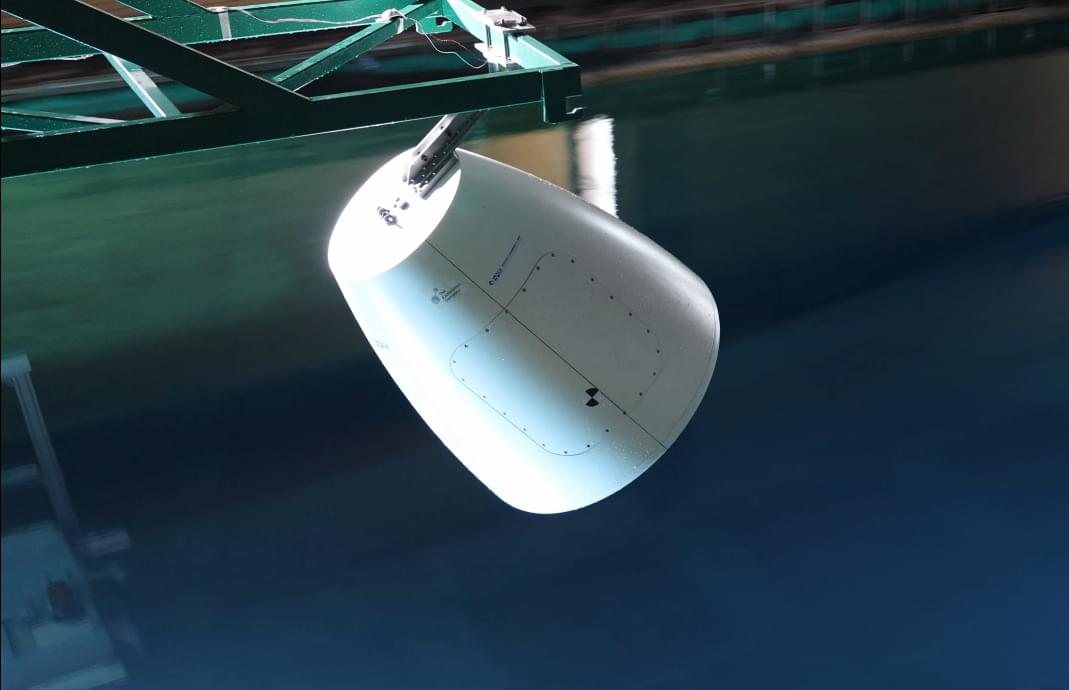
MILAN — The French-German aerospace company The Exploration Company completed mock splashdown tests for its Nyx space capsule, a modular, reusable spacecraft designed to transport cargo and eventually crew to low Earth orbit and beyond. The company conducted water-impact tests on a mock capsule from Jan. 13 through 28.
The testing campaign was not a full splashdown test, but a model-validation exercise carried out at the “Umberto Pugliese” towing tank facility in Italy. The company used a 135-kilogram, 1:4-scale mock-up in a 13.5-meter by 6.5-meter tank to characterize Nyx’s water-impact behavior and validate its numerical models. The testing is intended as a step toward future certification activities and subsequent splashdown activities.
“The primary objective was validation of the numerical splashdown model,” a company spokesperson told SpaceNews. “To do that, we varied release heights and velocities in a controlled way to reproduce multiple impact conditions with high repeatability.”