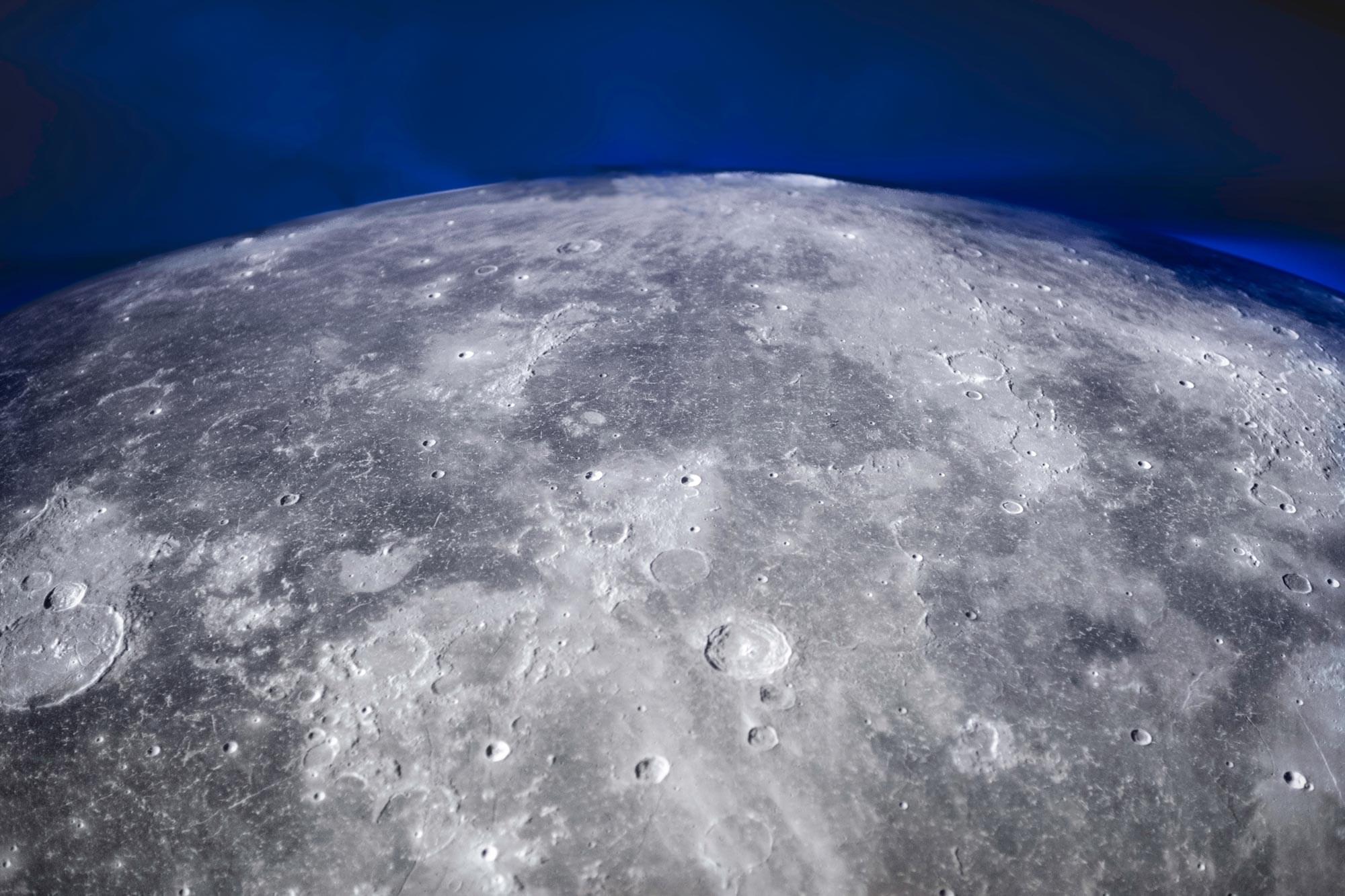
Scientists studying lunar samples have finally resolved a decades-long debate about the Moon’s ancient magnetic field.
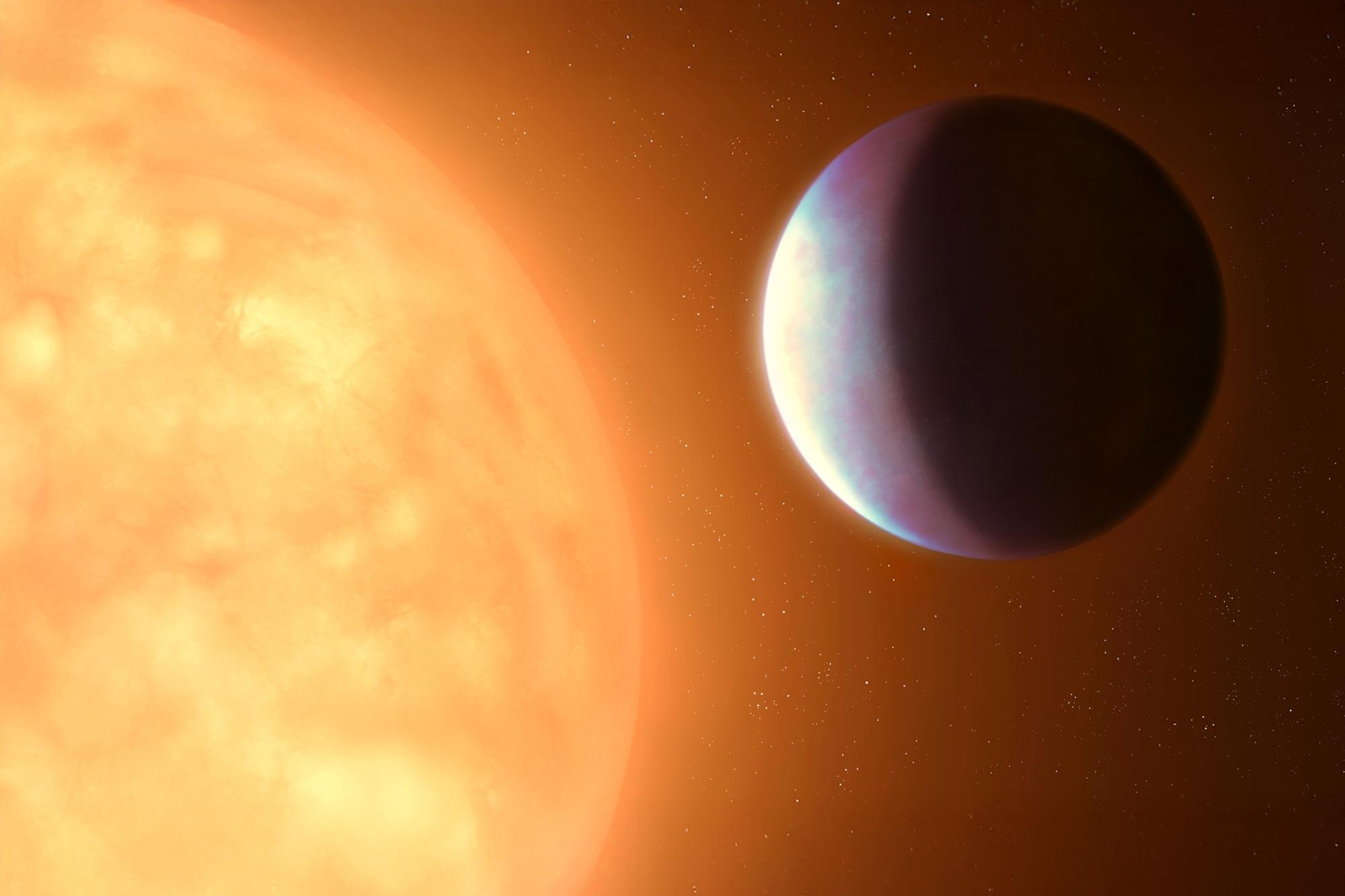
A new study challenges the traditional boundaries of the habitable zone, showing that liquid water could exist on the dark sides of tidally locked planets or beneath thick ice on distant worlds.
For decades, the search for alien life has been guided by a simple idea: find planets in the “habitable zone,” the region around a star where liquid water can remain on the surface. In our solar system, that familiar band stretches roughly from Earth’s orbit toward Mars.


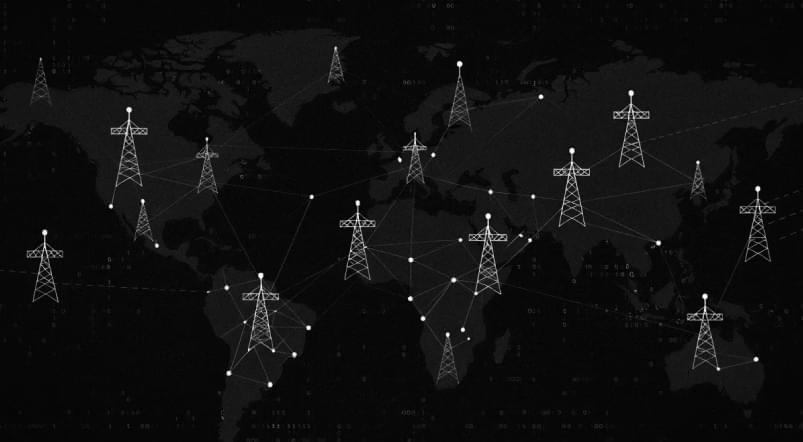
The Pakistan-aligned threat actor known as Transparent Tribe has become the latest hacking group to embrace artificial intelligence (AI)-powered coding tools to strike targets with various implants.
The activity is designed to produce a “high-volume, mediocre mass of implants” that are developed using lesser-known programming languages like Nim, Zig, and Crystal and rely on trusted services like Slack, Discord, Supabase, and Google Sheets to fly under the radar, according to new findings from Bitdefender.
“Rather than a breakthrough in technical sophistication, we are seeing a transition toward AI-assisted malware industrialization that allows the actor to flood target environments with disposable, polyglot binaries,” security researchers Radu Tudorica, Adrian Schipor, Victor Vrabie, Marius Baciu, and Martin Zugec said in a technical breakdown of the campaign.

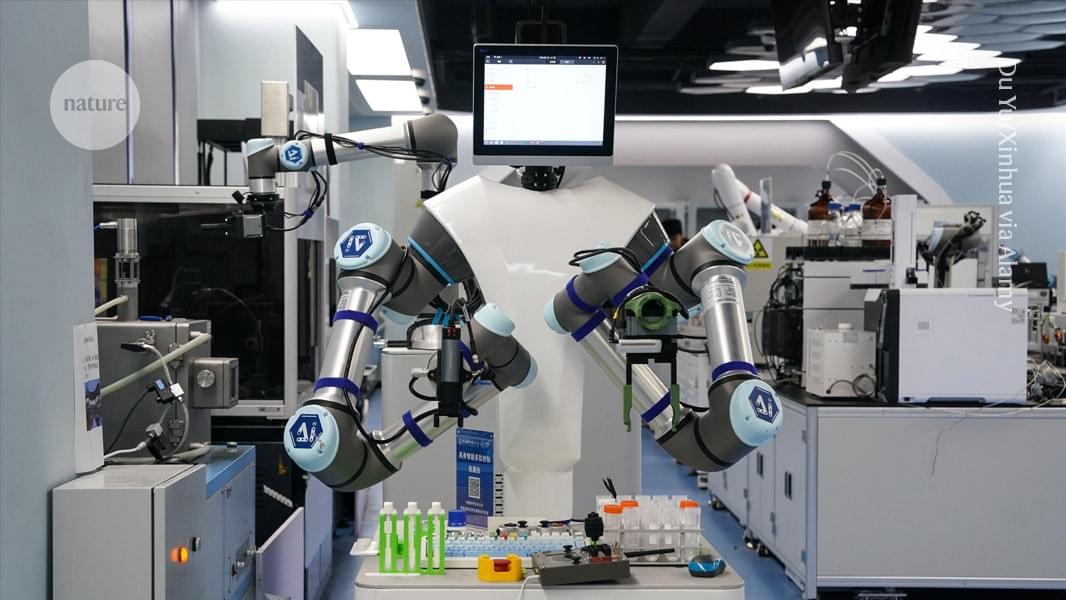
I’d certainly like to see more experiments automated, yet I wonder if widespread automation would result in less resources directed to novel experimental designs (or new tools) that fall outside of automated workflows. Hopefully a balance can be attained!
AI-driven autonomous robots are coming to biology laboratories, but researchers insist that human skills remain essential.
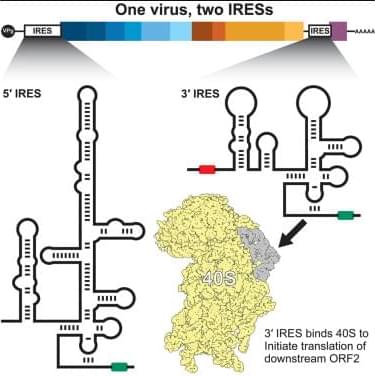
Sherlock et al. examine an IRES RNA that initiates translation of a small downstream coding region within a viral genome. The structure, function, and mechanism of this IRES are interrogated experimentally. Differential translation efficiencies between two IRESs within one viral genome exemplify RNA-structure-based tuning of gene expression.
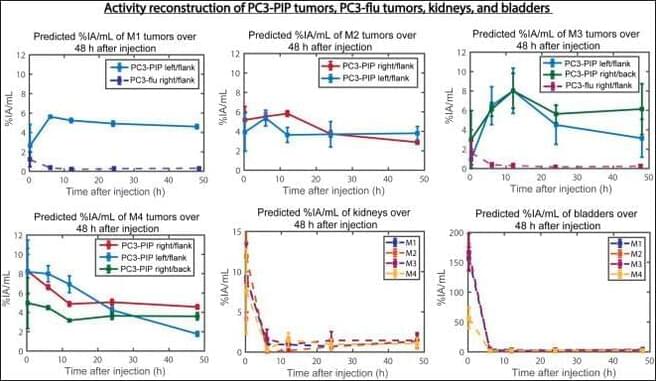
This RedJournal article presents a first step towards continuous dosimetry in targeted radiopharmaceutical therapy by developing a sparse sensor system to reconstruct continuous time-activity curves in preclinical 177Lu-based therapies, demonstrating high accuracy with short scan times.
177Lu-based radiopharmaceutical therapy (RPT) has shown increasing promise in the treatment of neuroendocrine and metastatic prostate cancer. Delivering optimal radiation dose to tumors while minimizing dose to organs-at-risk (OAR) remains an unmet need due to significant patient-to-patient heterogeneity in treatment response, necessitating multiple snapshots of the in vivo activity distribution. Towards this goal, here we present a high temporal-resolution activity reconstruction method demonstrated on preclinical prostate cancer models.