Toggle light / dark theme

Get the latest international news and world events from around the world.

Log in for authorized contributors

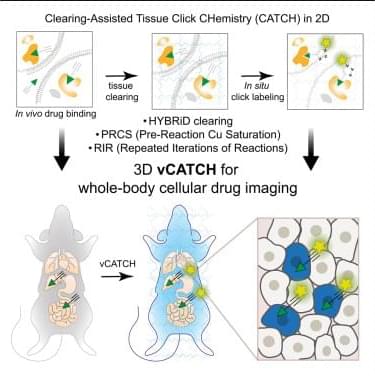
Key driver of treatment-resistant cancer uncovered!

Superficial vein thrombosis is a condition in which blood clots develop within the superficial veins (close to the skin surface), typically in the legs or arms.

Common risk factors for superficial vein thrombosis are varicose veins, pregnancy and up to 12 weeks postpartum, recent trauma, surgery or immobility, and cancer.

This JAMA Patient Page describes superficial vein thrombosis and its risk factors, symptoms, diagnosis, and treatments.

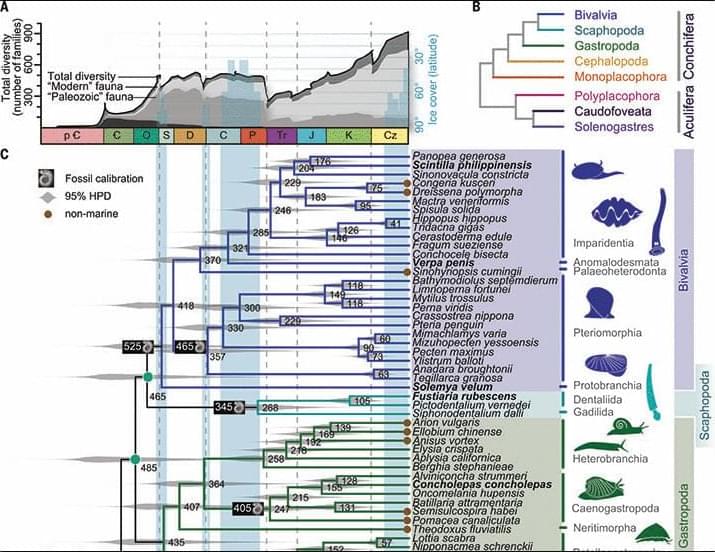
A genome-based phylogeny for Mollusca is concordant with fossils and morphology

Extreme morphological disparity within Mollusca has long confounded efforts to reconstruct a stable backbone phylogeny for the phylum. Familiar molluscan groups—gastropods, bivalves, and cephalopods—each represent a diverse radiation with myriad morphological, ecological, and behavioral adaptations. The phylum further encompasses many more unfamiliar experiments in animal body-plan evolution. In this work, we reconstructed the phylogeny for living Mollusca on the basis of metazoan BUSCO (Benchmarking Universal Single-Copy Orthologs) genes extracted from 77 (13 new) genomes, including multiple members of all eight classes with two high-quality genome assemblies for monoplacophorans. Our analyses confirm a phylogeny proposed from morphology and show widespread genomic variation.

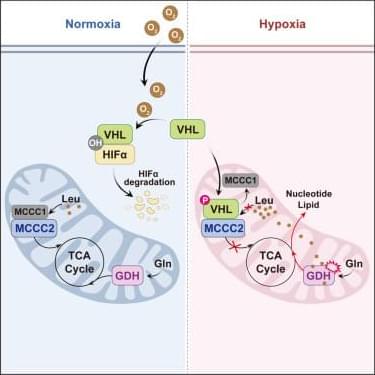
Mitochondrial VHL rewires cell metabolism in hypoxia

Online now: Li et al. report that under chronic hypoxia, VHL relocates to the mitochondria to rewire amino acid metabolism. Mitochondrial VHL enhances nucleotide and lipid production by blocking leucine breakdown, revealing an unexpected role for VHL in supporting hypoxic cell growth and regulating the progression of hypoxia-related diseases.

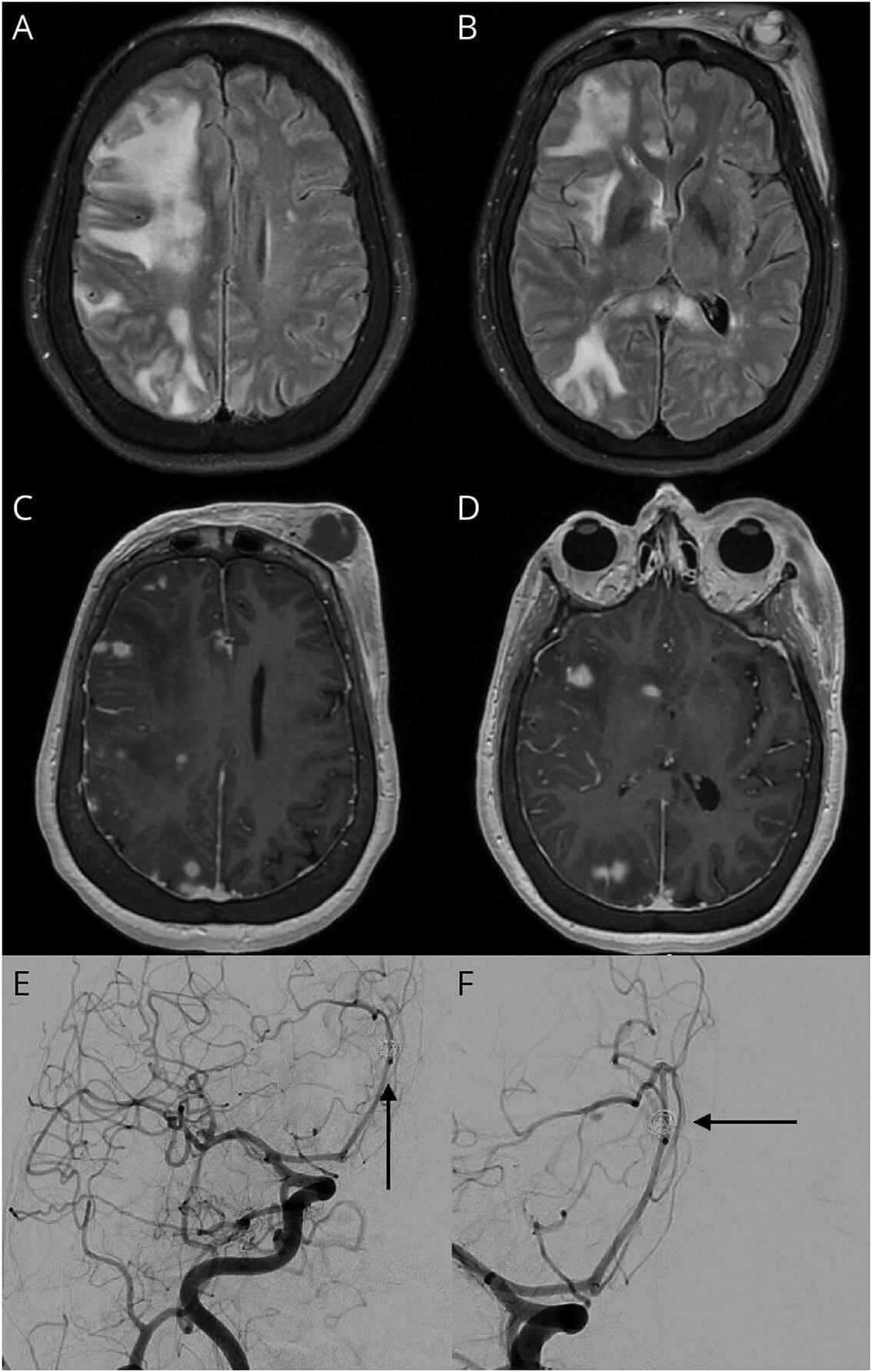
Teaching NeuroImage: Necrotizing Granulomatous Encephalitis in a Patient After a Pericallosal Aneurysm Stent-Assisted Coil

The Letters section represents an opportunity for ongoing author debate and post-publication peer review. View our submission guidelines for Letters to the Editor before submitting your comment.

View the Letters for this article.

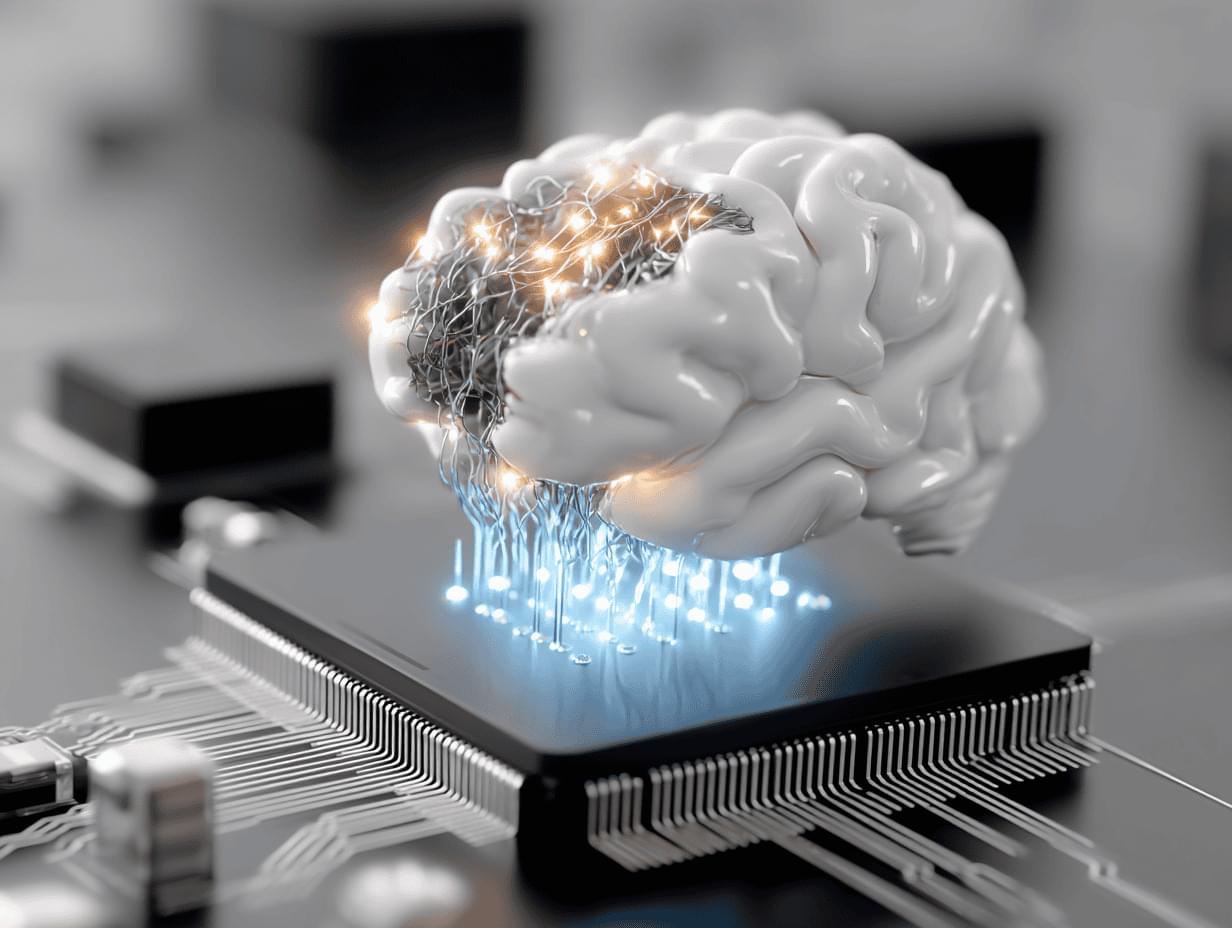
The World’s Strangest Computer Is Alive and It Blurs the Line Between Brains and Machines

At first glance, the idea sounds implausible: a computer made not of silicon, but of living brain cells. It’s the kind of concept that seems better suited to science fiction than to a laboratory bench. And yet, in a few research labs around the world, scientists are already experimenting with computers that incorporate living human neurons. Such computers are now being trained to perform complex tasks such as play games and even drive robots.

These systems are built from brain organoids: tiny, lab-grown clusters of human neurons derived from stem cells. Though often nicknamed “mini-brains,” they are not thinking minds or conscious entities. Instead, they are simplified neural networks that can be interfaced with electronics, allowing researchers to study how living neurons process information when placed in a computational loop.

In fact, some researchers even claim that these tools are pushing the frontiers of medicine, along with those of computing. Dr. Ramon Velaquez, a neuroscientist from Arizona State University, is one such researcher.
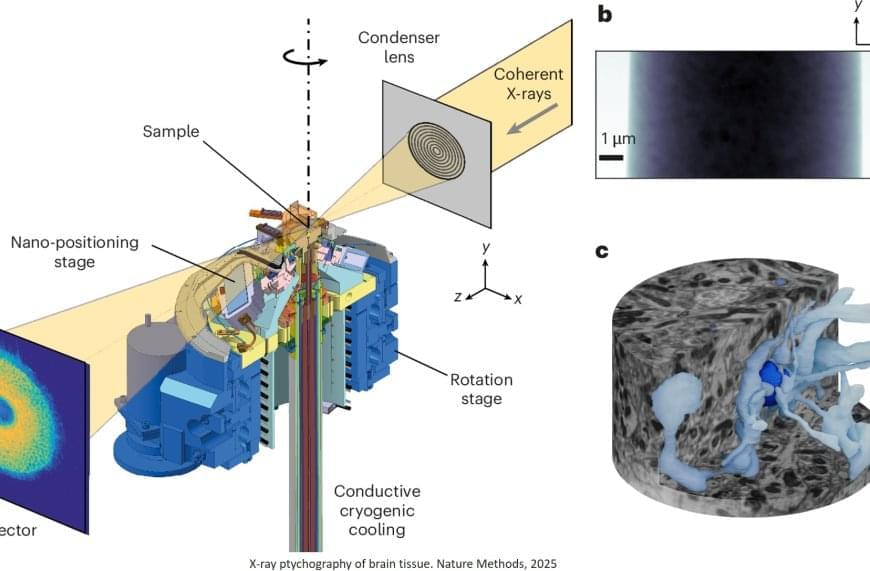
High-resolution brain mapping using X-ray ptychography

“The brain is one of the most complex biological systems in the world,” says one of the senior authors. How neurons are wired together is what his group are trying to unravel – a field known as connectomics.

The author explains: “Take the liver: we know of about 40 cell types. We know how they are arranged. We know their functions. This is not true for the brain. And so, one could ask, what is the difference between the brain and the liver? If we look at a cell body in the brain and the liver, it’s not easy to distinguish the two. They both have a nucleus, an endoplasmic reticulum – they both have the same intercellular machinery, the same molecules, the same types of proteins. This is not the difference. What is really different is how the brain cells are organised and connected.”

Let’s talk numbers: in one cubic millimetre of brain tissue there are about 100 000 neurons, connected through about 700 million synapses and 4 kilometres of ‘cabling’

A Common Vitamin Could Help Protect Your Lungs From Air Pollution

Large doses of vitamin C may provide our lungs with a degree of protection from the harmful effects of fine particles in the air. Referred to as PM2.5, in reference to their micrometer-wide particle size, these pollutants have been linked to issues such as asthma and lung cancer.

Researchers led by a team from the University of Technology Sydney (UTS) conducted a series of experiments on male mice and lab-grown human tissues to test the effects of vitamin C on tissues exposed to fine particulate matter, finding that the vitamin protected against some of the core damage to cells that air pollution typically does to the lungs.

In particular, vitamin C reduced the loss of the cells’ mitochondrial ‘power stations’, reduced harmful inflammation, and prevented cells from being damaged by the effects of oxidative stress – attacks caused by unstable, reactive molecules that then lead to numerous malfunctions.

/* */