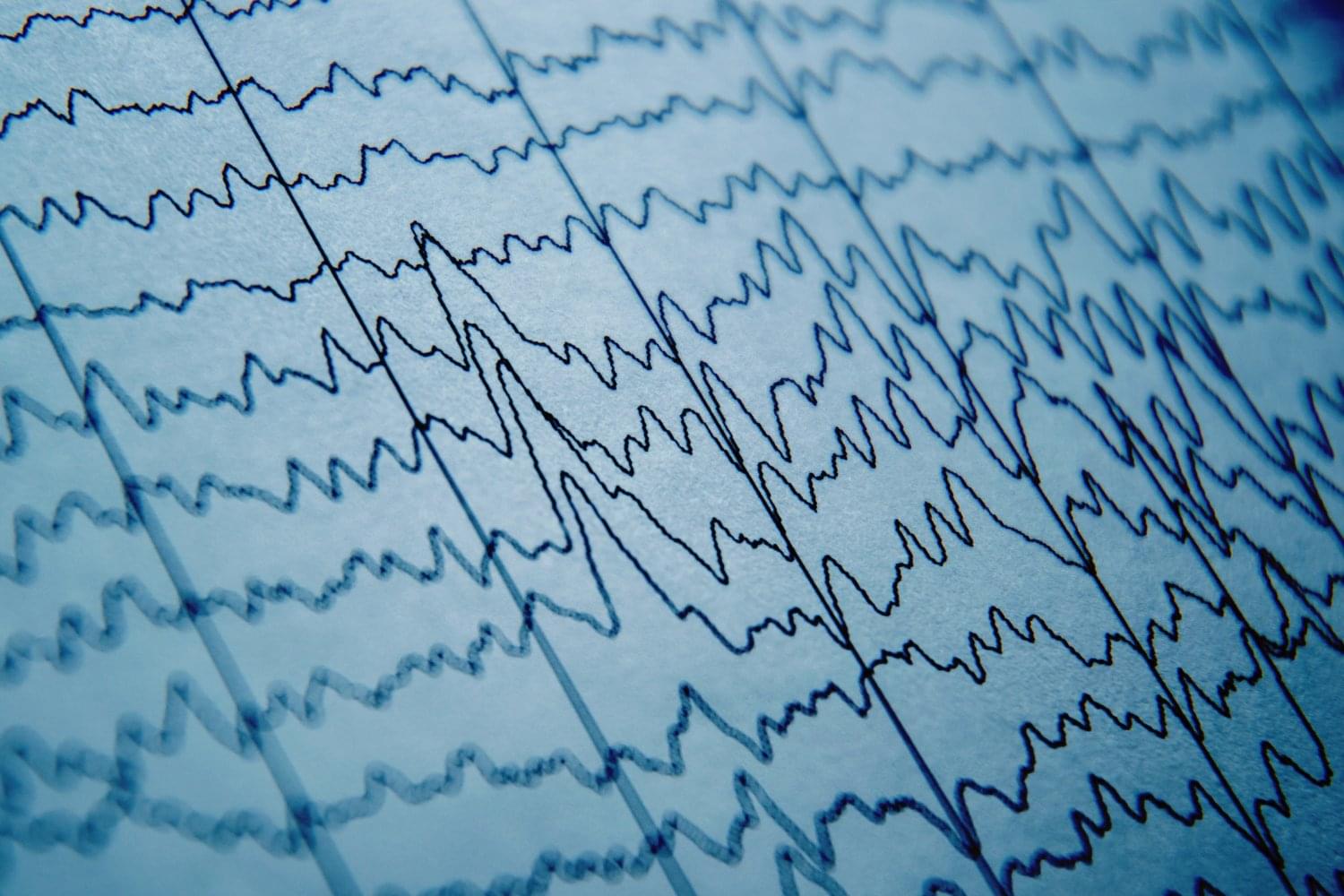
A new study from MIT's Picower Institute adds evidence that electric fields in the brain help to organize and shape underlying neural activity via “ephaptic coupling.”
Hypergraphs.
We experience only one small slice of the ruliad. What’s the ruliad? Physicist Stephen Wolfram explains.
❍ Subscribe to The Well on YouTube: https://bit.ly/welcometothewell.
❍ Watch Wolfram’s full interview here: • Physics doesn’t explain the universe. Comp…
Is it time for a new ‘theory of everything’?
World-renowned physicist Stephen Wolfram explains his theory that the universe may be built from simple computational rules. He describes space as a giant network made of tiny “atoms of space,” constantly updating in ways that create time, gravity, quantum mechanics, and the laws of physics. He also introduces the ruliad: the space of all possible computations. Ultimately, Wolfram argues that reality may be far more complex than we can see, shaped by both the universe and how we observe it.
Read the full video transcript: https://bigthink.com/videos/objective…

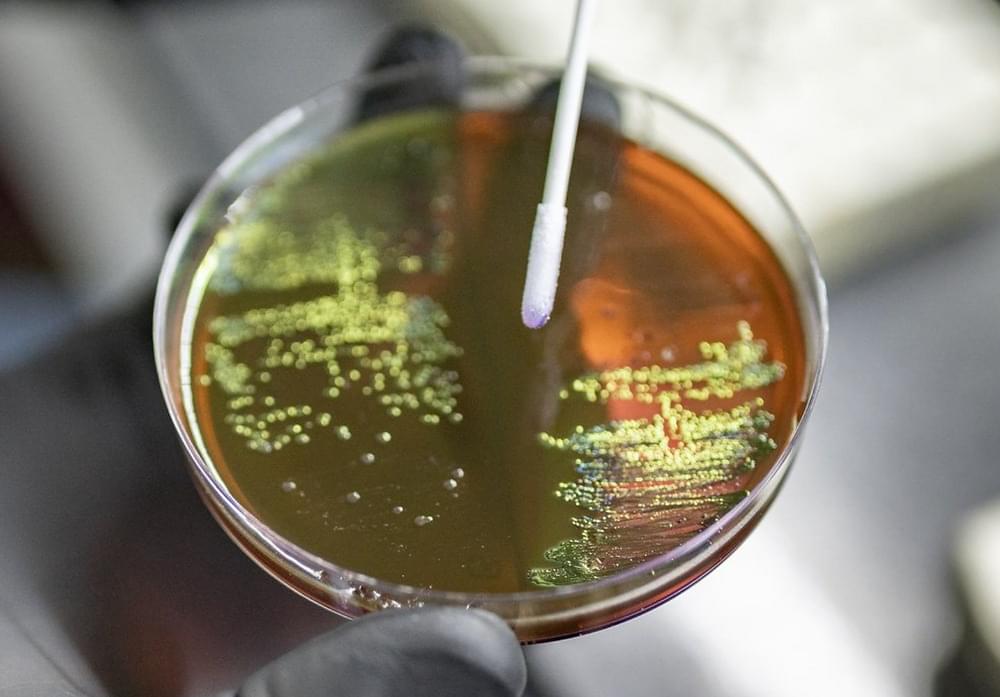
A little know fact is that mushrooms are a natural food to prevent disease especially in superbugs that keep getting stronger. This simple fact allows for better cheaper forms of natural defenses against viruses that can be almost out of control in some areas. Also they are cheaper to make than even antiviral medicines.
Mushrooms have long been celebrated for their culinary and medicinal properties. Species such as Ganoderma lucidum (Reishi) and Lentinula edodes (Shiitake) have been extensively used in traditional medicine for their immune-boosting and anti-inflammatory properties. Despite their well-documented nutritional and health benefits, the antimicrobial potential of mushrooms remains underexplored. Recent studies have shown that compounds like polysaccharides and phenolics found in mushrooms can effectively inhibit the growth of drug-resistant pathogens, including Methicillin-resistant Staphylococcus aureus (MRSA) and Candida albicans. For instance, Lentinula edodes extracts have demonstrated antibacterial activity against E. coli and antifungal properties against Candida species, highlighting their potential as a source of novel antimicrobial agents.

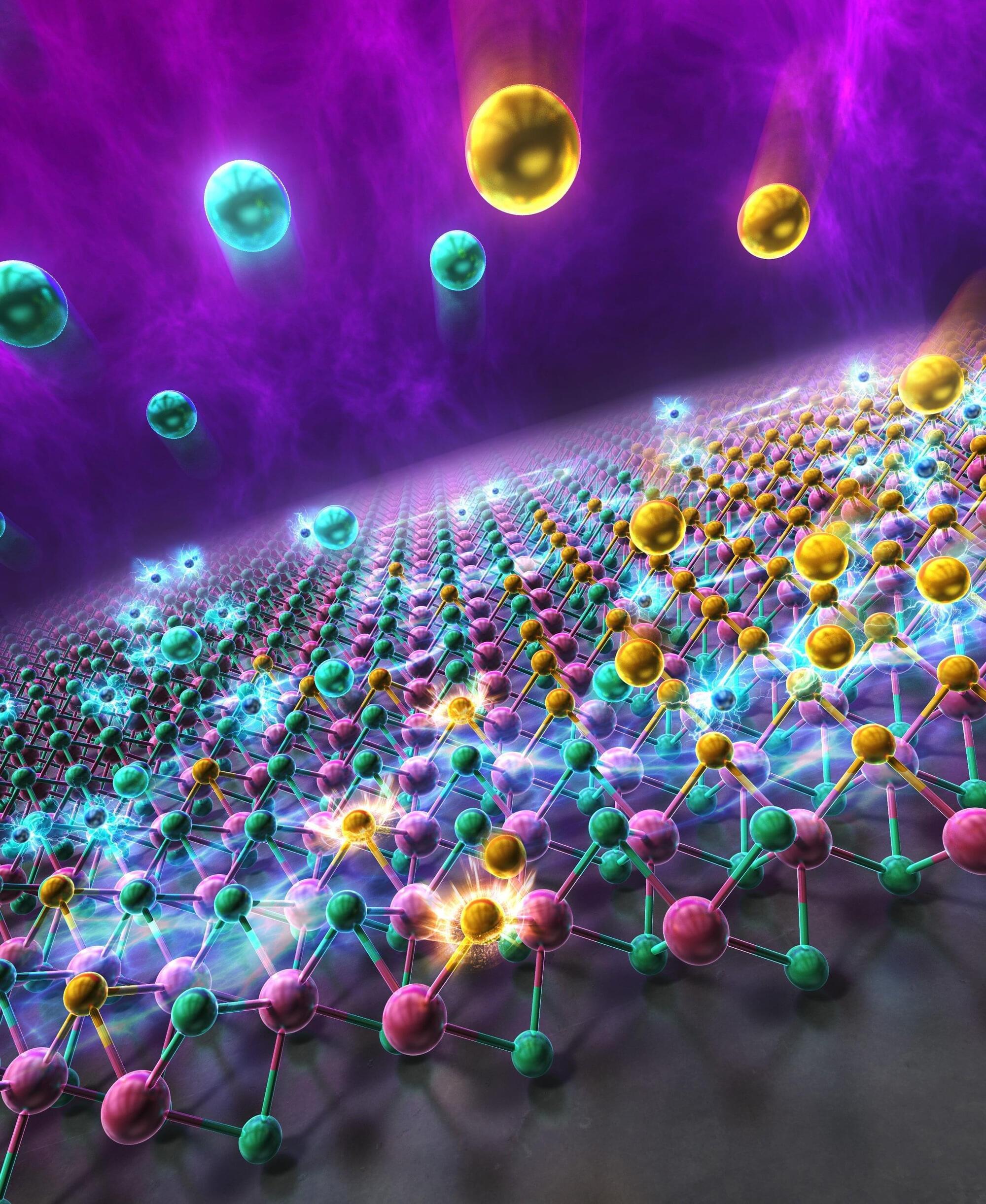
Researchers from North Carolina State University and Rice University have created a nontoxic, stretchable battery that operates by extracting moisture from the ambient environment—even in climates as dry as the desert. The batteries could be useful in Internet of Things (IoT) applications ranging from wearables to advanced surveillance monitors with built-in kill switches. The study is published in the journal Science Advances.
Emerging technologies like wearable monitors, miniature robotics and other IoT devices require lightweight, flexible power sources. Conventional batteries, which represent the best power source options, are often too rigid and heavy to be useful, and they contain toxic materials that can leak. Energy harvesters, so called because they capture energy from the surrounding environment and convert it into electrical power, are lighter, but their performance is limited.
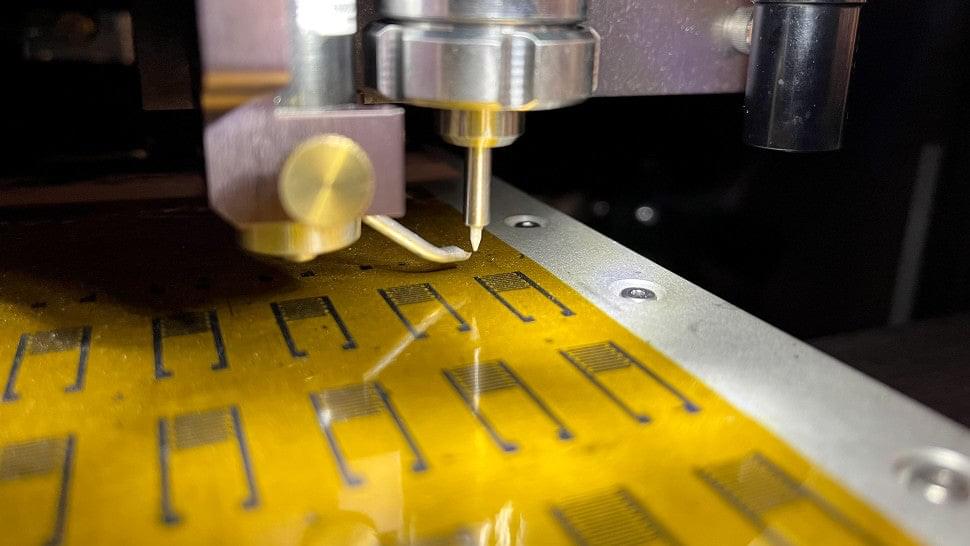
Running on moisture and salt The new moisture-activated battery (MAB) includes a magnesium anode and a silver/silver chloride cathode, with a cellulose membrane loaded with lithium chloride salts that serves as a separator. The separator harvests moisture from ambient air, which dissolves the salts and creates the electrolyte, allowing charge to flow through the battery.
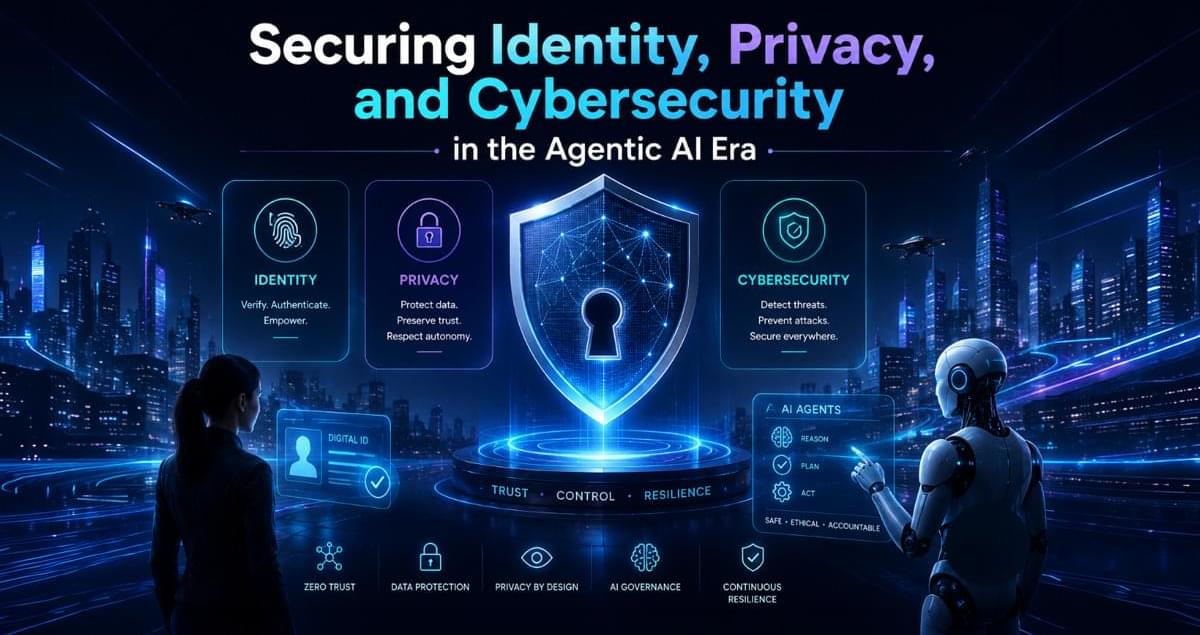
It is evident everywhere that artificial intelligence is certainly evolving. We are rapidly moving from chatbots and copilots to AI agents that can make decisions, execute transactions, generate software, analyze intelligence, negotiate with other systems, and perform tasks that previously required human discernment.
This development is one of the biggest computing advances since the Internet. It’s also one of the biggest cybersecurity challenges for businesses. As I have stressed in my writings and speeches for years that each technology advance expands opportunity and attacks the surface. AI agents demonstrate this.
Unlike traditional software, AI agents are autonomous. They remember, reason, use apps, access secret data, perform APIs, and adapt to changing conditions. They are now active enterprise participants. That changes all cybersecurity. AI Agents Are New Digital Identities. The cybersecurity industry has protected people, devices, apps, and networks for decades. Now we must protect digital workers.