Toggle light / dark theme

Tesla is considering a significant expansion of its Fremont Factory

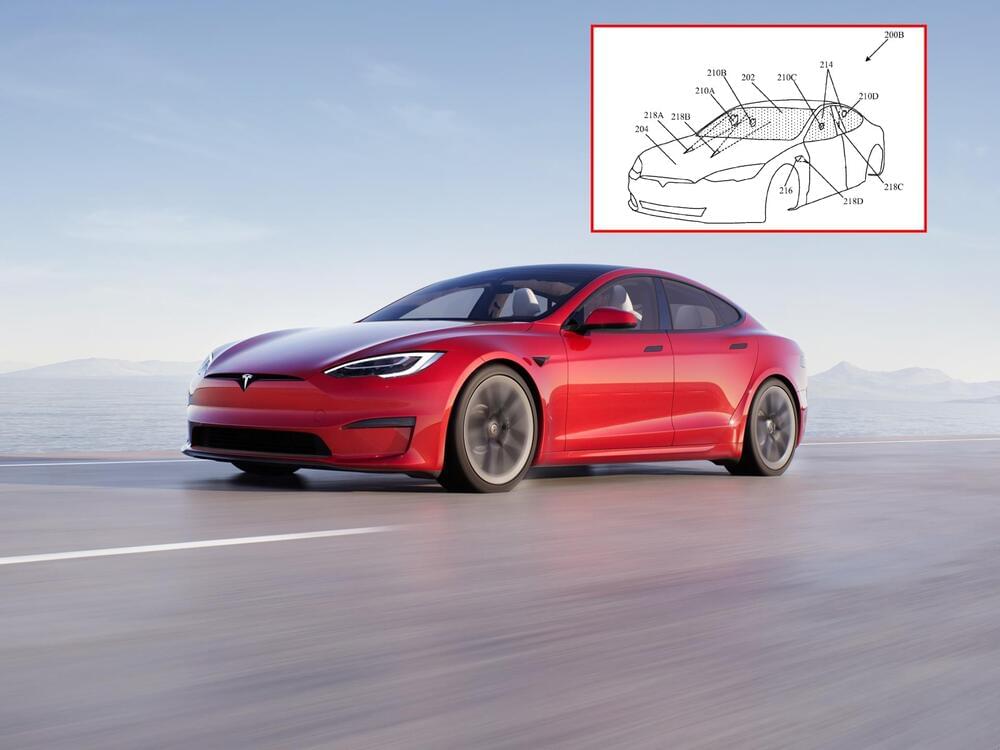
Tesla’s Fremont Factory could have its production capacity increased, according to CEO Elon Musk. Tesla is “considering expanding [Fremont] significantly,” Musk said in a Tweet last night.

Following Musk’s heavily publicized jab at President Joe Biden on Tuesday night for not mentioning Tesla in the State of the Union Speech with the likes of Ford and GM, who received Biden’s praise for electric vehicle projects resulting in employment opportunities. While Biden commended Ford for $11 billion invested and 11,000 new jobs and GM for $7 billion and 4,000 new employment opportunities in Michigan, Musk hit back with a valid point.

“Tesla has created over 50,000 US jobs building electric vehicles & is investing more than double GM + Ford combined,” he said, alerting “the person running this account” to give Tesla more credit.

Ford creates business unit for electric cars

Ford this morning said it’s separating its electric vehicle and internal combustion businesses into separate units. Why it matters: The creation of distinct business lines — called “Model e” and “Ford Blue” — underscores how auto giants are reorienting around EV development. Get market news worthy of your time with Axios Markets. Subscribe for free. How it works: Ford said the two units would be “strategically interdependent” and share relevant tech. Together with the Ford Pro commercial services line launched last year, Ford said the three units will begin to separately report profits and losses in 2023.

Clues to better batteries emerge from tracking lithium

Pure lithium metal is a promising replacement for the graphite-based anodes currently used in electric vehicle batteries. It could tremendously reduce battery weights and dramatically extend the driving range of electric vehicles relative to existing technologies. But before lithium metal batteries can be used in cars, scientists must first figure out how to extend their lifetimes.

A new study led by Peter Khalifah—a chemist at the U.S. Department of Energy’s (DOE) Brookhaven National Laboratory and Stony Brook University—tracked lithium deposition and removal from a while it was cycling to find clues as to how failure occurs. The work is published in a special issue of the Journal of the Electrochemical Society honoring the contributions of Nobel Prize-winning battery researcher John Goodenough, who like Khalifah is a member of the Battery 500 Consortium research team.

“In a good battery, the rate of lithium plating (deposition) and stripping (removal) will be the same at all positions on the surface of electrodes,” Khalifah said. “Our results show that it’s harder to remove lithium at certain places, which means there are problems there. By identifying the cause of the problems, we can figure out how to get rid of them and make better batteries with higher capacities and longer lifetimes.”

✓ Completed a communications end-to-end test

✓ Replaced an engine controller.

We’re continuing to conduct integrated tests inside the Vehicle Assembly Building ahead of the Artemis I launch! The team will work to complete all remaining Space Launch System pre-flight diagnostic tests and hardware closeouts in advance of a mid-February rollout for a wet dress rehearsal in late February. NASA will set a target launch date after a successful wet dress rehearsal test.

/* */