Category: space – Page 1,167
An algae that survived two years in outer space may hold the secret to growing food on Mars
Humans won’t survive on Mars for very long if they don’t learn to grow their own food. That’s why we need to answer the question: What, if anything, can grow on the red planet?
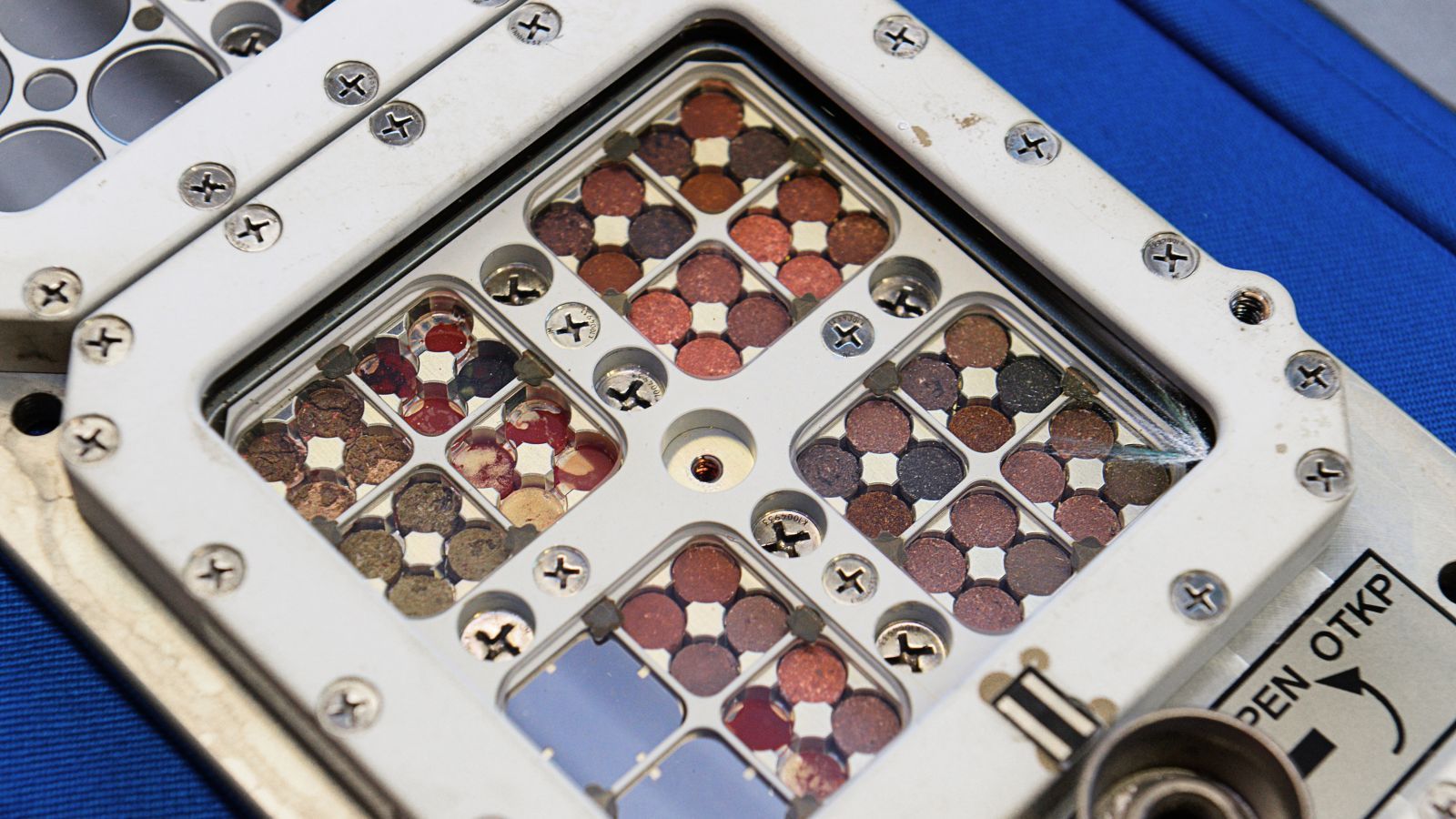
A two-year experiment on the International Space Station (ISS) gives us some hints. A species of green algae and photosynthesizing bacteria have survived their 450-day stay in outer space. All but one of the algae samples started growing after being returned to Earth.
The experiment was part of the Biology and Mars Experiment (BIOMEX) to understand to what extent terrestrial life can survive in space. It involved a series of pockets where hundreds of specimens of bacteria, fungi, lichens, algae, and mosses were exposed to conditions of near vacuum, temperatures between −4 °F (−20 °C) and 116 °F (47 °C), and a continuous blast of ultraviolet radiation.
Resource Prospector
(RP) is an in-situ resource utilization (ISRU) technology demonstration mission which will test extraction of oxygen, water and other volatiles from lunar soil (regolith). It will also measure mineralogical content such as silicon and light metals, like aluminum and titanium, from lunar regolith. Expanding human presence beyond low-Earth orbit to asteroids and Mars will require the maximum possible use of local materials, so-called in-situ resources, and the moon presents a unique destination to conduct robotic investigations that advance ISRU capabilities, as well as providing significant exploration and science value.
NASA and MIT Collaborate to develop space-based quantum-dot spectrometer
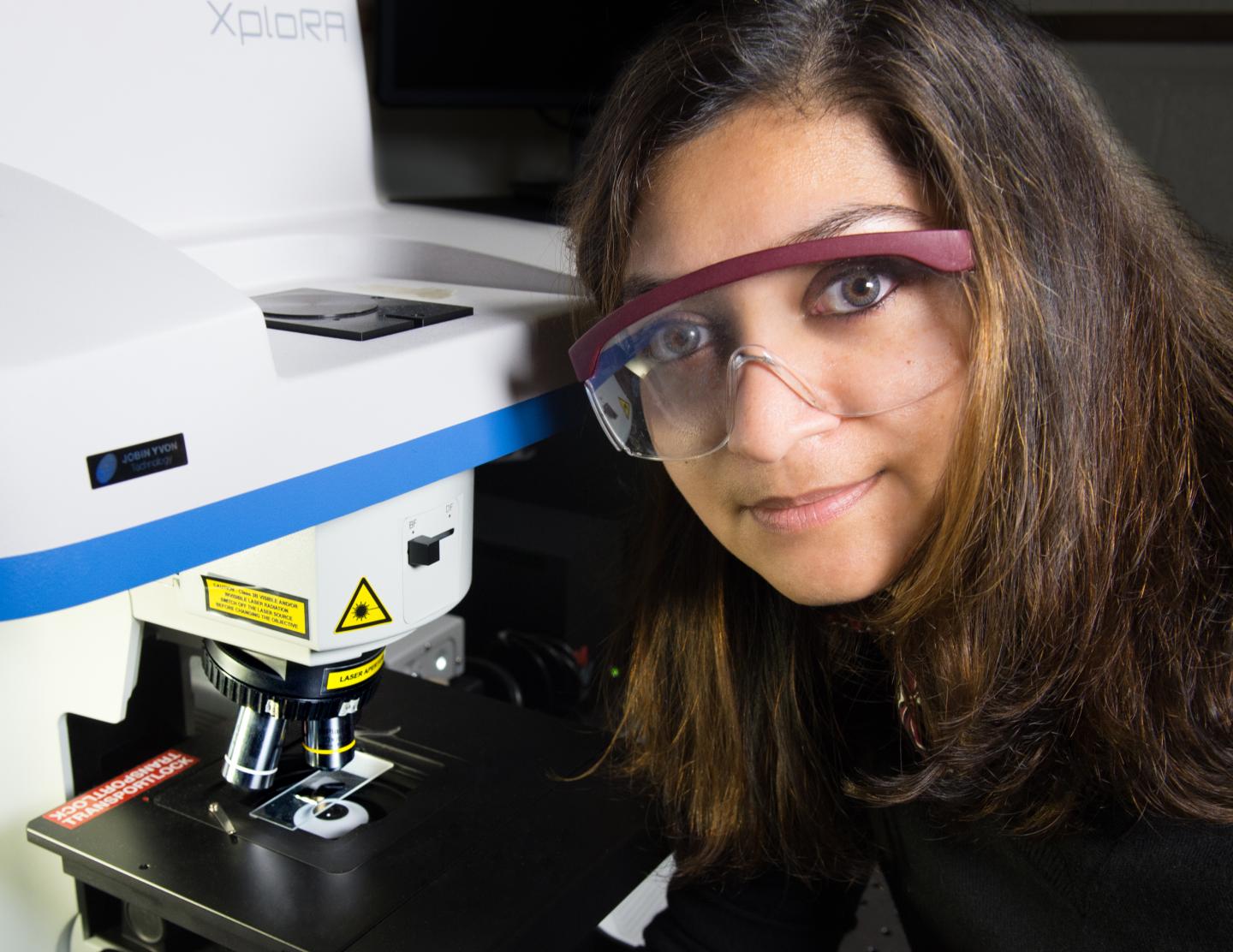
A NASA technologist has teamed with the inventor of a new nanotechnology that could transform the way space scientists build spectrometers, the all-important device used by virtually all scientific disciplines to measure the properties of light emanating from astronomical objects, including Earth itself.
Mahmooda Sultana, a research engineer at NASA’s Goddard Space Flight Center in Greenbelt, Maryland, now is collaborating with Moungi Bawendi, a chemistry professor at the Cambridge-based Massachusetts Institute of Technology, or MIT, to develop a prototype imaging spectrometer based on the emerging quantum-dot technology that Bawendi’s group pioneered.

The Island of Dr. Moreau For Real
By Drs. David Niesel and Norbert Herzog, Medical Discovery News
H.G. Wells was a writer of fantastic science fiction during the 1890s. He is considered one of the fathers of science fiction and wrote novels whose stories remain popular today. He wrote about time travel in “The Time Machine”, about interplanetary conflict originally made popular by the Orson Wells’ “The War of the Worlds” and in “The Island of Dr. Moreau” he described beings that were part human and part animal. Two of the three remain pure science fiction but one is on the verge of becoming a reality. Do you know which one?
In August, 2016, the National Institutes of Health announced that it was lifting its ban on research that introduces stem cells from humans into animal embryos. Stem cells have the ability to evolve into any human cell and can grow into any human tissue. The goal of this type of research is to grow human tissues and eventually human replacement organs in animals. What an innovative way to improve upon transplantation medicine! But to realize this potential, we would create an organism that is part animal and part human! These hybrids are the stuff of ancient mythology. These mixtures of different animals are called chimeras after the mythical ancient Greek creature that was part lion, snake and goat. One goal of today’s research is to produce tissues and organs for experimentation that will improve our understanding of human disease. An alternative and longer term goal would be to produce organs directly for human transplantation.
Colonizing Mars could spark a new kind of frightening human evolution
Humans on Earth might not be allowed to meet Martians.
Elon Musk envisions human colonies ‘beyond Mars’, skyrocketing unemployment on Earth
SpaceX founder Elon Musk has laid out predictions for a near-future where humans live among the stars and a dystopian-like employment crisis hits parts the world, because of advanced robot technology.
A Vision to Bootstrap the Solar System Economy
Early probes are one thing, but can we build a continuing presence among the stars, human or robotic? An evolutionary treatment of starflight sees it growing from a steadily expanding presence right here in our Solar System, the kind of infrastructure Alex Tolley examines in the essay below. How we get to a system-wide infrastructure is the challenge, one analyzed by a paper that sees artificial intelligence and 3D printing as key drivers leading to a rapidly expanding space economy. The subject is a natural for Tolley, who is co-author (with Brian McConnell) of A Design for a Reusable Water-Based Spacecraft Known as the Spacecoach (Springer, 2016). An ingenious solution to cheap transportation among the planets, the Spacecoach could readily be part of the equation as we bring assets available off-planet into our economy and deploy them for even deeper explorations. Alex is a lecturer in biology at the University of California, and has been a Centauri Dreams regular for as long as I can remember, one whose insights are often a touchstone for my own thinking.
By Alex Tolley
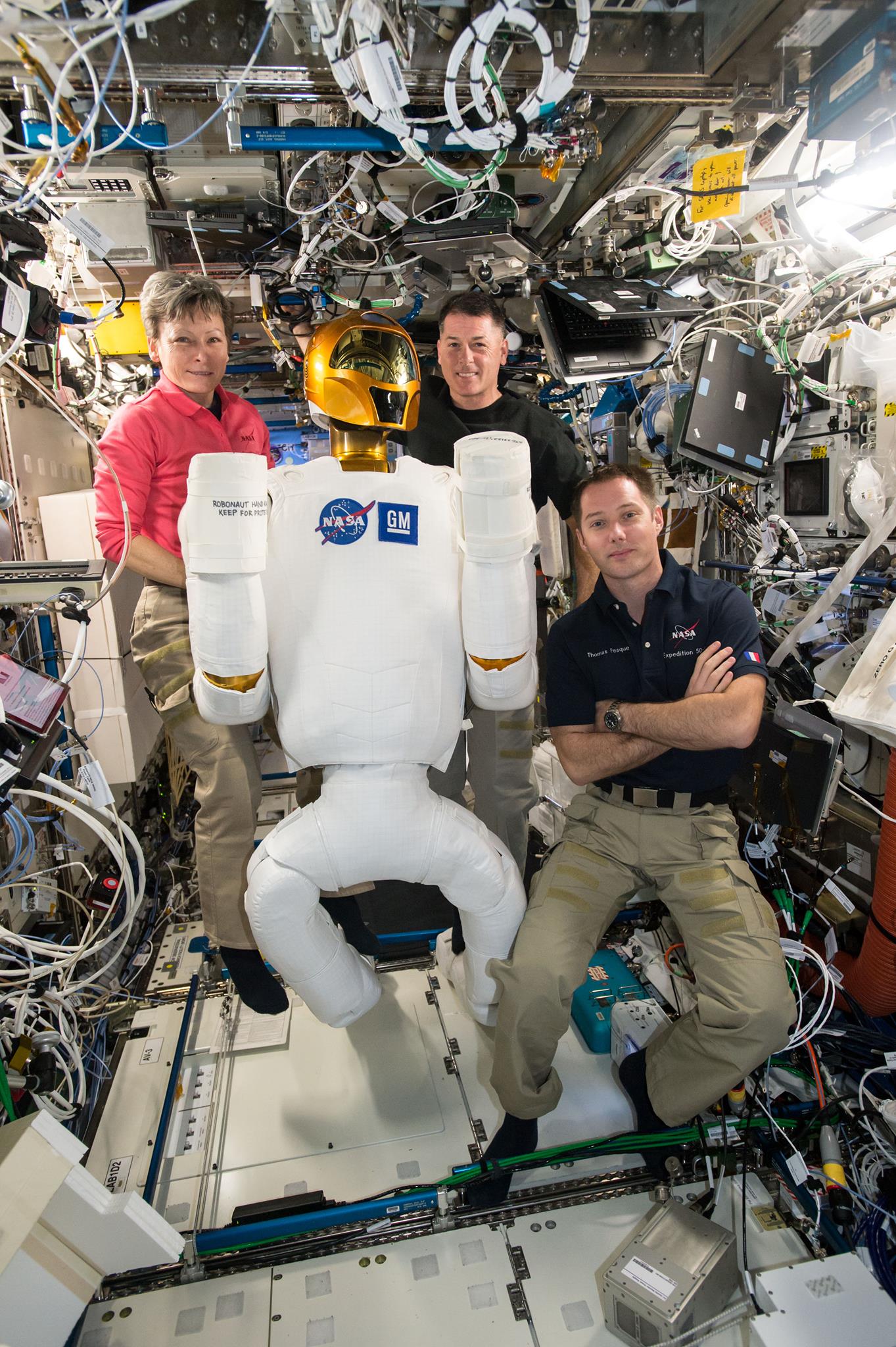
Astronauts aboard the International Space Station remotely controlled robots on Earth this week
Such research could lead to methods of controlling advance-scouting rovers on asteroids, moons, or planets from nearby orbit. All this and more in a recap of science on the Space Station. Details: http://go.nasa.gov/2lBDZrq