Toggle light / dark theme

Some agentic AI browsers may come with major cybersecurity risks

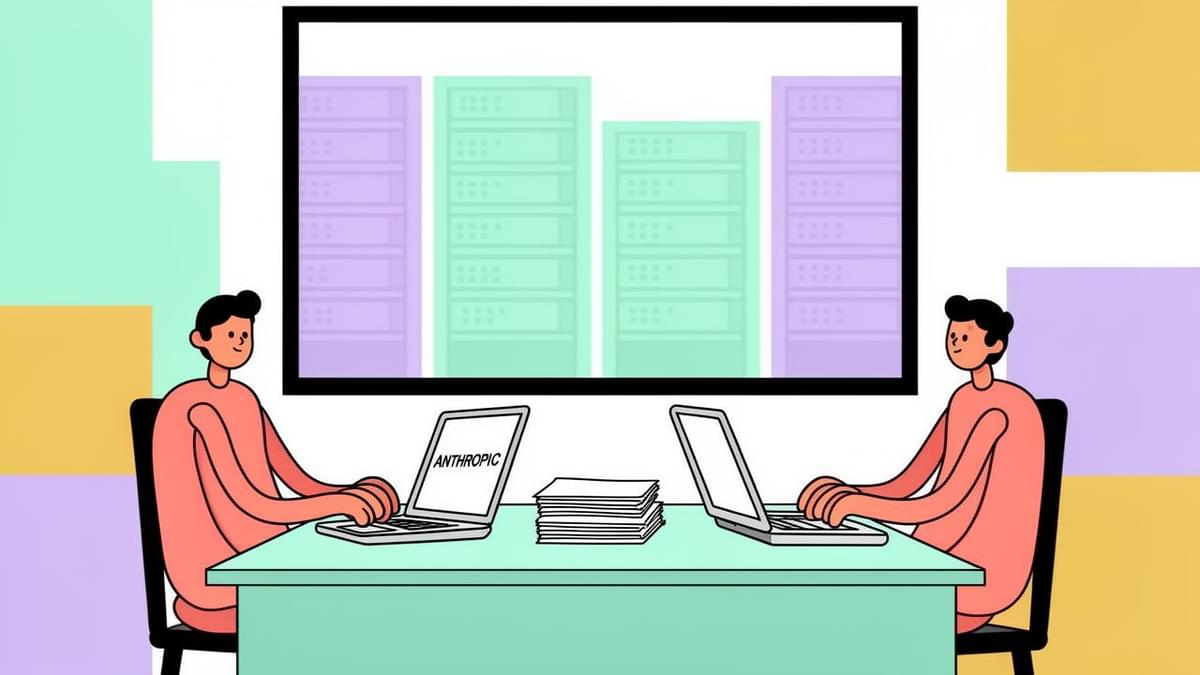
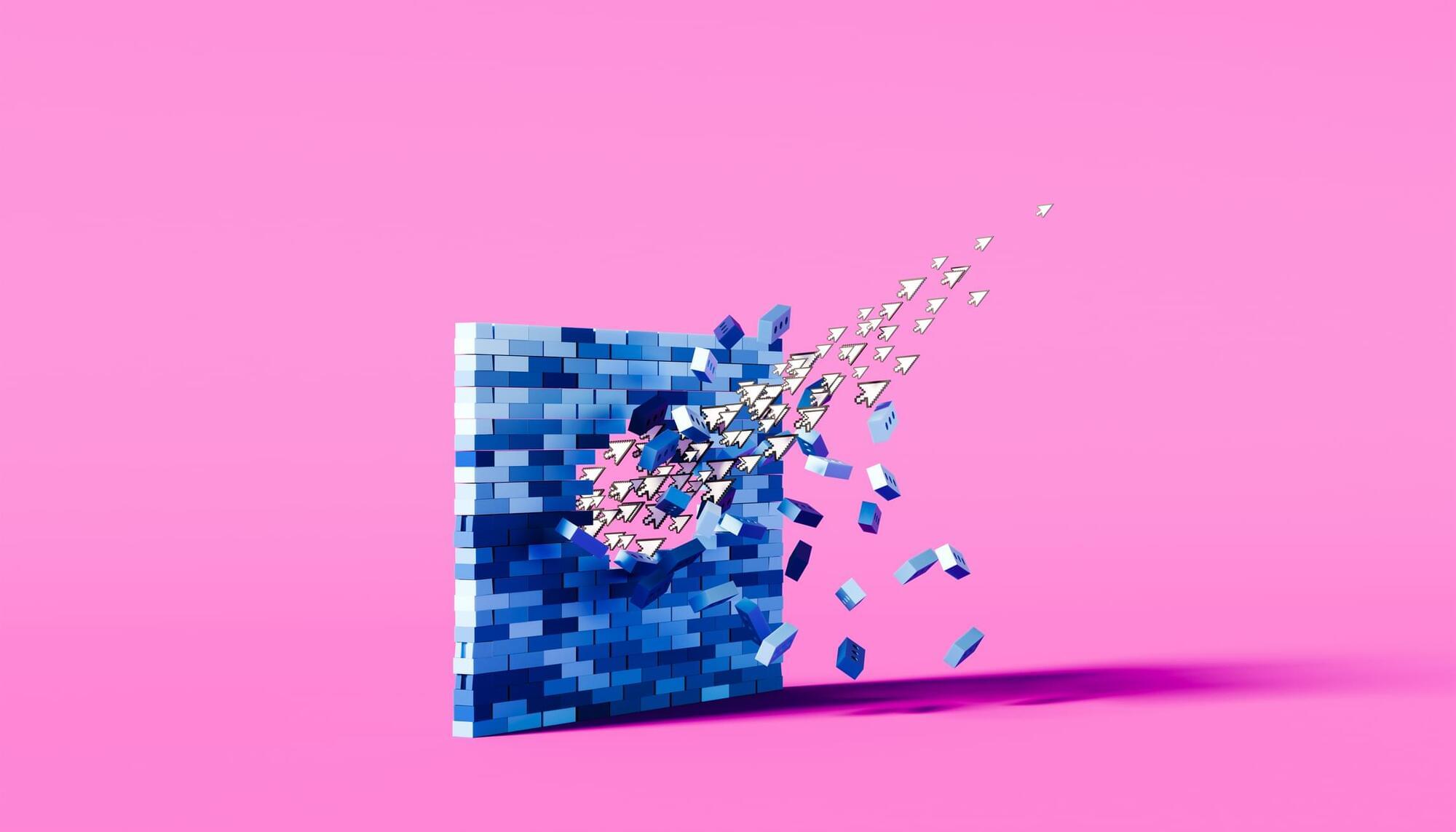
In the last year or so, artificial intelligence companies have rolled out a spate of web browsers equipped with AI agents. A user might ask one of these agents to plan a vacation, and it will open browser tabs to research routes and restaurants, then make reservations and add events to the user’s calendar. How well it does any of this varies.

New research from the University of Washington found that the most powerful of these browsers also open users up to significant cybersecurity risks. A UW team studied seven popular agentic browsers and found that four create ways for malicious actors to bypass a fundamental cybersecurity protocol called the “same-origin policy,” which makes websites that are open in a browser unable to interact with each other’s information.

Researchers ran a successful proof-of-concept cyberattack on one browser, ChatGPT Atlas. They had a website steal information from another site embedded within it—as if an ad on an email site could snatch sensitive information from the user’s emails. Researchers also found the right conditions for similar attacks in three other browsers: Chrome with Gemini, Claude for Chrome and Perplexity Comet. The browsers that gave agents fewer permissions were generally safer.

AI tool improves DNA-DNA predictions

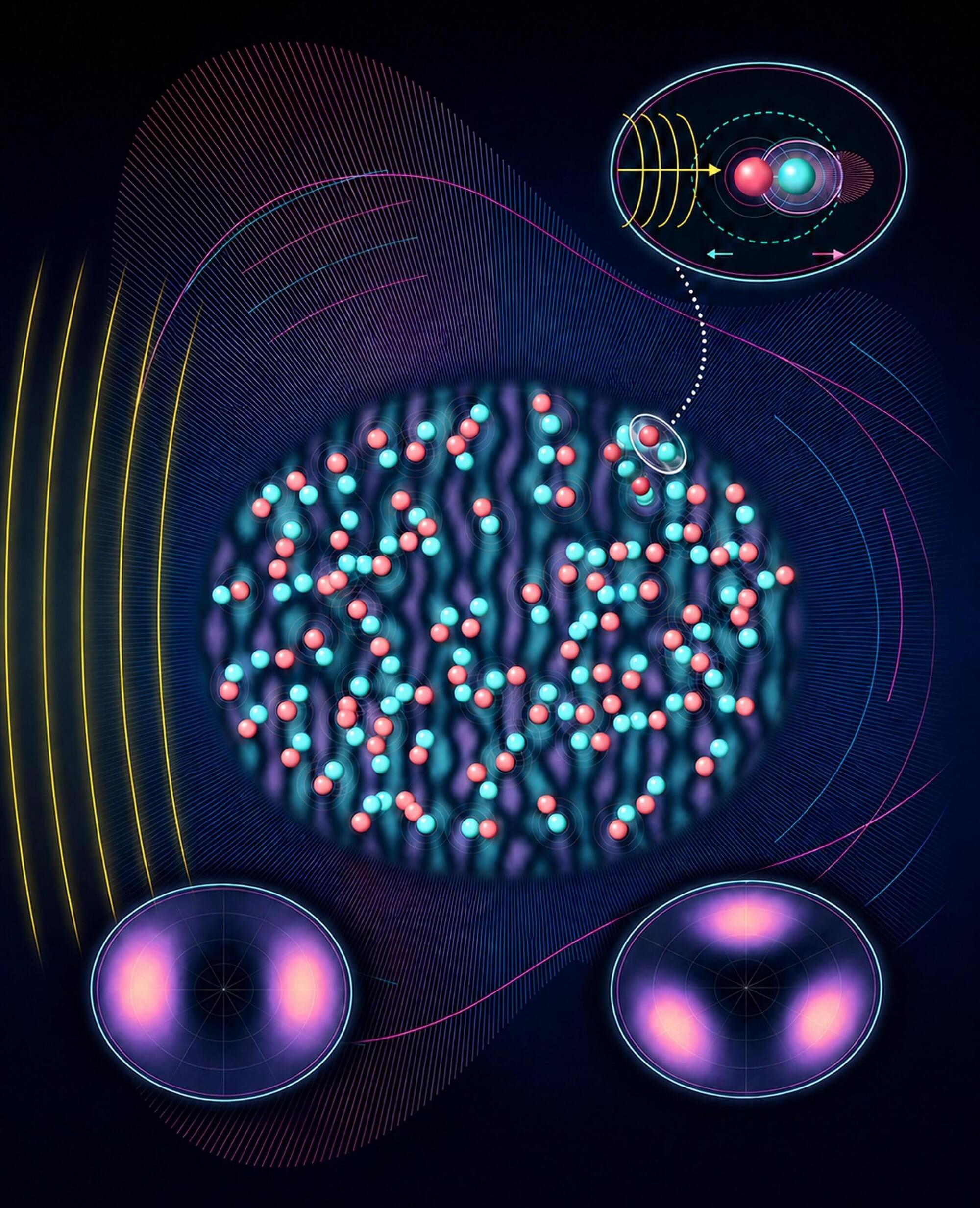
Researchers have demonstrated a novel AI model that can predict which DNA molecules bind with which other DNA molecules. Providing a more thorough understanding of these hypercomplex binding relationships has utility in applications ranging from biomedical diagnostic tools to DNA computing.

“We often think about binding as a very simple relationship – Molecule A binds to Molecule B,” says the co-corresponding author of the study. “But in biological systems, it’s far from simple. Molecule A may bind to dozens of other molecules, to varying degrees.

Capturing that hypercomplexity is a significant challenge, but it is critical if we want to better understand natural genetic systems, says the author. And capturing that hypercomplexity is also critical if we want to develop tools that make full use of biomolecules, such as diagnostic tools that are sensitive to genetic differences or DNA computing systems that rely on DNA to store and retrieve data.

Out today in @sciencemagazine

Out today in @sciencemagazine, Doudna lab researchers Petr Skopintsev, Isabel Esain Garcia, and alum Evan DeTurk describe a new #AI-assisted method for designing genome editors beyond those found in nature, with the potential for designing custom editors with specific properties. They tested close to 2,000 of the AI-generated variants in lab, with many showing similar or improved editing ability relative to conventional #CRISPR enzymes, across bacterial, plant, and human cells. 💡… #biotech #innovation #GenomeEditing @ucberkeleyofficial

Arena AI: The Official AI Ranking & LLM Leaderboard

The era of “growth at all costs” in AI is ending. If the market is demanding efficiency and sustainable margins, a model that delivers elite intelligence at a fraction of the price is exactly what will stabilize developer workflows. It’s no longer just about who has the biggest model—it’s about who has the best intelligence-per-dollar ratio.


Chat, compare, vote for the world’s best AI models. Join the community shaping the public leaderboard for LLMs, image, and code models through real-world evaluation.

🔬 The Lab of the Future Should Feel Like a Data Center — Andy Beam & Rafa Gómez-Bombarelli, Lila Sciences

Lila is betting that science, not the internet, is the last untapped source of training data. We went to find out what that actually looks like in a room full of robots.

17 Definitions of the Technological Singularity

Everyone talks about the #Singularity. Almost nobody agrees on what it actually means.

Fourteen years ago, I stopped and collected the definitions. Not two or three. Seventeen of them. Turing. Von Neumann. I.J. Good. Vinge. Kurzweil. Bostrom. Plus a few names most people have never heard.

I expected them to line up. They didn’t. Some contradict each other outright. The one word we’ve built entire movements, companies, and fortunes on turns out to mean wildly different things depending on who is holding it.

And I wrote this before ChatGPT. Before the current #AI gold rush. Before “superintelligence” became a line in quarterly earnings calls.

Read all seventeen, then tell me which one you would bet your future on. Or give me an eighteenth.

(https://snglrty.co/48Oypf4)


/* */