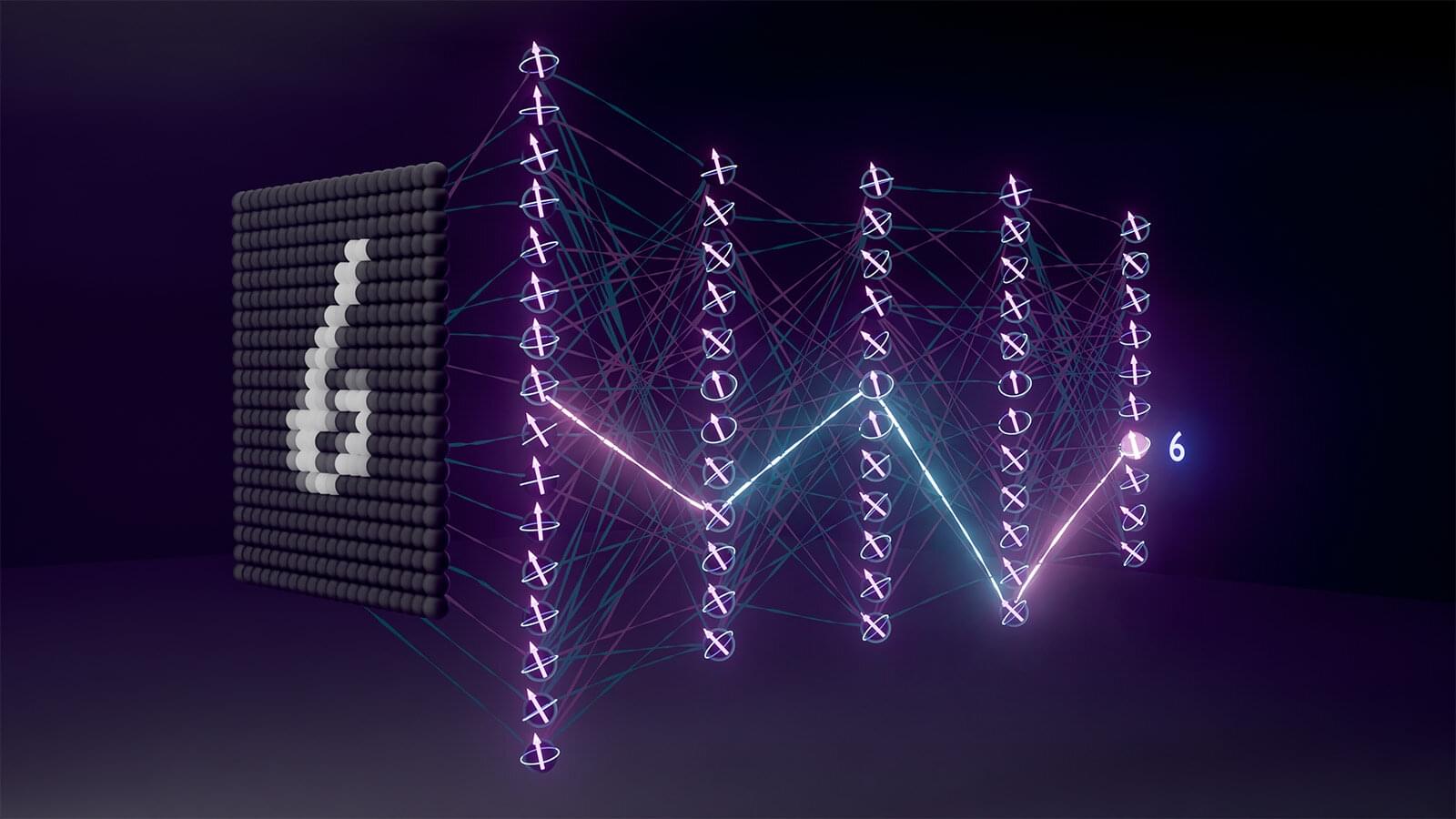
Quantum computing and AI are among the most rapidly developing modern technologies. AI, in the form of machine learning, has been deployed for decades to recommend movies and TV shows and make it easier to search for images. Over the past several years, large language models have permeated even more facets of daily life, from writing emails to producing images, videos and songs in response to requests expressed in a few written lines.
Quantum computers, on the other hand, have remained almost exclusively in labs at universities and a handful of companies. Nevertheless, many researchers and engineers developing them are already looking for the earliest applications and predict a bright future in which quantum computers excel at certain tasks, like drug development and enabling new cryptographic techniques.
Despite machine learning and quantum computing both being heralded as revolutionary technologies, neither is a magic solution to every problem. They are each the products of a long line of research advances and are both still under active study.