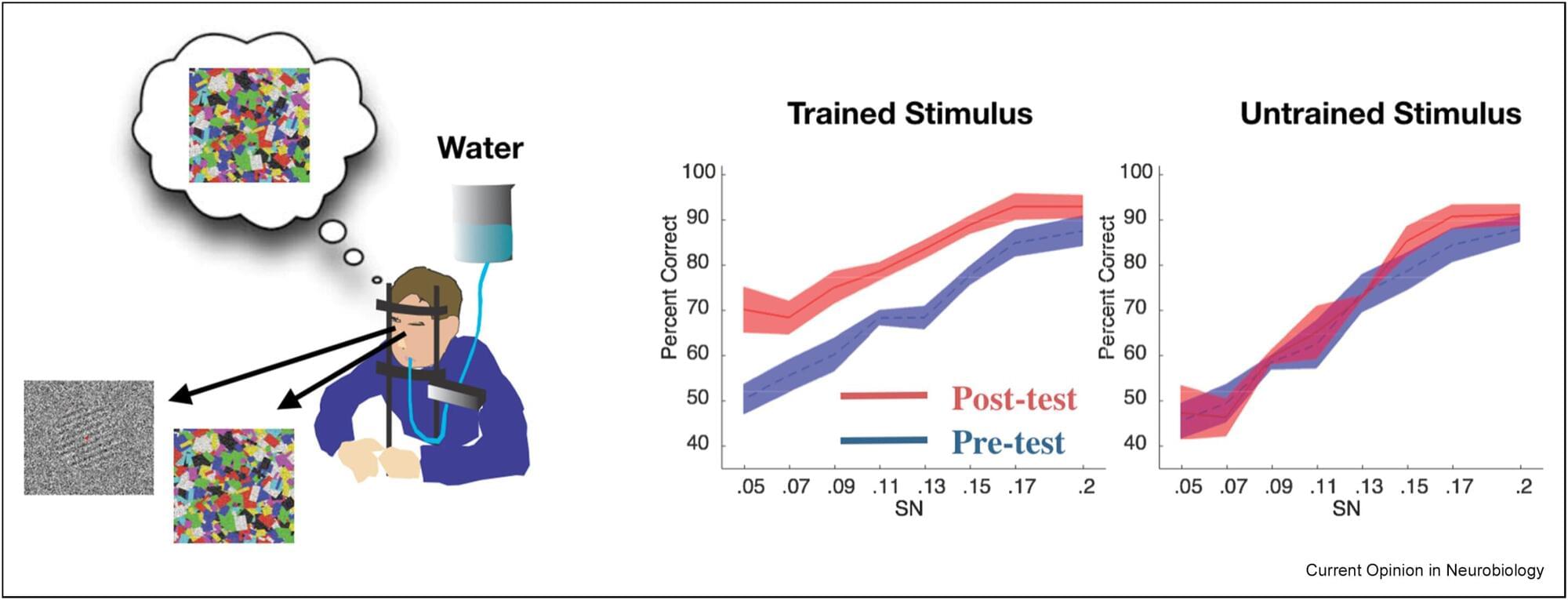
You’re not bad at math. You’ve just not been zapped enough.
Our metabolic processes differ depending on the time of day and many of them are more active in the morning than in the evening. Although studies show that eating late in the day is associated with an increased risk of obesity and cardiovascular diseases, little is known about how the time we eat affects glucose metabolism and to what extent this is genetically defined.
Prof. Olga Ramich from the German Institute of Human Nutrition Potsdam-Rehbrücke (DIfE) and her team recently investigated this using data from a twin cohort from 2009-10. Their article was published in the journal eBioMedicine.
The circadian system is a hierarchically structured 24-hour time control system in the body that regulates behavior and metabolism via a central clock in the brain and peripheral clocks in organs such as the liver or pancreas. As a result, our metabolic processes differ depending on the time when we eat, which leads to diurnal fluctuations in glucose metabolism and the release of hormones after a meal.
Technologies such as biomedical imaging and spectroscopy could be enhanced by a discovery in research that involved several institutions, including the University of Glasgow. Scientists have found that two-photon processes, which have applications in the study of Alzheimer’s disease and other nervous system disorders, can be strengthened by quantum light at far higher levels than previously thought possible.
The processes normally require high-intensity light but this can cause samples to be damaged or bleached.
It was suggested many years ago—and has since been demonstrated—that entangled photon pairs could overcome this limitation. However, it has been widely believed that this quantum enhancement only survives for very faint light, raising doubts about the usefulness of the approach.
Nothing means anything without our brains. Not science, not theology, not politics, not love.
Donate to Closer To Truth and help us keep our content free and without paywalls: https://shorturl.at/OnyRq.
For all of our video interviews please visit us at: www.closertotruth.com
The brain doesn’t merely register time—it structures it, according to new research from the Kavli Institute for Systems Neuroscience published in Science.
The research team led by NTNU’s Nobel Laureates May-Britt and Edvard Moser, from the Kavli Institute for Systems Neuroscience, is already known for their discovery of the brain’s sense of place.
Now they have shown that the brain also weaves a tapestry of time: The brain segments and organizes events into experiences, placing unique bookmarks on them so that our lives don’t become a blurry stream, but rather a series of meaningful moments and memories we can revisit and learn from.
A collaborative study led by Professor Vittoria Raffa at the University of Pisa and Assistant Professor Fabian Raudzus (Department of Clinical Application) has unveiled a novel approach that uses magnetically guided mechanical forces to direct axonal growth, aiming to enhance the effectiveness of stem cell-based therapies for Parkinson’s disease (PD) and other neurological conditions.
Parkinson’s disease is characterized by the progressive degeneration of dopaminergic neurons in the substantia nigra (SN), which project to the striatum (ST) via the nigrostriatal pathway. The loss of these connections leads to dopamine deficiency and the onset of motor symptoms.
While cell replacement therapies using human stem cell-derived dopaminergic progenitors have shown encouraging results in clinical trials, a key limitation remains: the inability to guide the axons of transplanted cells over long distances to their appropriate targets in the adult brain.
Though it’s now clear humans continue to grow new brain cells throughout their entire lives, debate persists over whether this applies to specific areas involved with memory.
Previous studies have made the case for and against the existence of neurogenesis in hippocampus beyond childhood. A new study now offers some of the clearest evidence yet that this crucial memory-forming region does form fresh neurons well into adulthood.
The study is the work of researchers from the Karolinska Institute and the Chalmers University of Technology in Sweden, and looks specifically at the dentate gyrus section of the hippocampus, the part of the brain that acts as a key control center for emotions, learning, and storing episodic memories.