Toggle light / dark theme

Microsoft Will Treat Cancer Like Computer Virus, Vows To ‘Solve’ Cance Within 10 Years?

Microsoft has announced to solve’ cancer within the next decade by ‘reprogramming’ diseased cells like computer virus.

Researchers were able to prevent the death of neurons that causes ALS by introducing a genetic mutation to prevent the SOD1 protein from clumping.

The growing resistance of Gonorrhea, alarmed the researchers.

Breaking Taboo: Swedish Scientist Modifies DNA in Human Embryos –“Ignores Ethical Boundaries of Science”

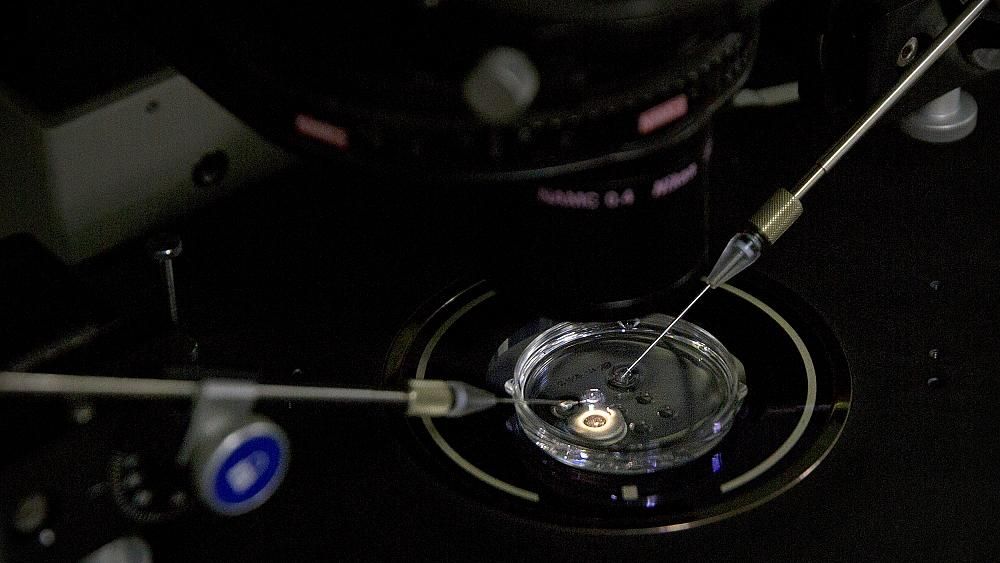
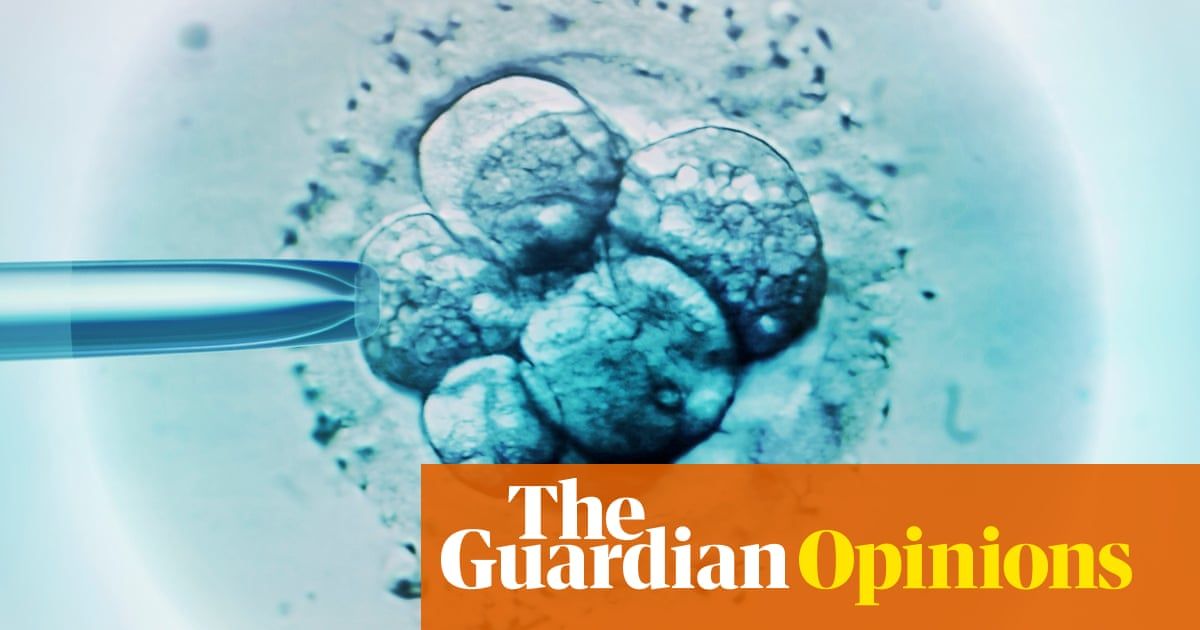
In a recent experiment, a Swedish scientist, Fredrik Lanner, a developmental biologist at the Karolinska Institute in Stockholm, attempted to modify the genes of a human embryos injecting a gene-editing tool known as CRISPR-Cas9 into carefully thawed five human embryos donated by couples who had gone through in vitro fertilization (IVF). One did not survive the cooling and thawing process, while another one was severely damaged while being injected. The remaining three embryos, which were two-days old when they were injected, survived in good shape, with one of them dividing immediately after being injected.

Scientists have viewed modifying a human embryo as over the line for safety and ethical concerns. The fear is that Lanner’s work could open the door to others attempting to use genetically modified embryos to make babies. One mistake could introduce a new disease in the human gene pool that can be inherited by future generations. Scientists are also concerned on the possibility of “designer babies,” where parents could choose traits they want for their babies.

Fredrik Lanner (right) of the Karolinska Institute in Stockholm and his student Alvaro Plaza Reyes examine a magnified image of an human embryo that they used to attempt to create genetically modified healthy human embryos. (Credit: Rob Stein/NPR)

Bioquark Inc. Announces Commercial Cosmetology Relationship with Forest Organics LLC & I-Beauty Charm LLC

Bioquark, Inc., (http://www.bioquark.com) a life sciences company focused on the development of novel, natural bio-products for health, wellness and rejuvenation, has entered a collaboration whereby Forest Organics LLC & I-Beauty Charm LLC, a unique, integrated facial and body cosmetology facility, and their state-licensed, highly skilled skin care specialists, will be utilizing novel, natural Bioquantine™ extract complexes as part of their spa procedures, as well as providing consumer access to a range of proprietary skin care products (http://www.forestorganics.life).

“We are very excited about this first company collaboration in the area of beauty care and cosmetology,” said Ira S. Pastor, CEO, Bioquark Inc. “It is another step forward towards the wide applicability of our natural combinatorial bio-products, across a broad range of health and wellness segments, as well as future franchise opportunities.”

The integrated Forest Organics LLC & I-Beauty Charm LLC model was conceived by local Tampa business women, Nadia Goetzinger and Tatyana Reshetnikova, to offer a new generation of products and services related to skin beautification and rejuvenation.

“We look forward to working closely with Bioquark Inc. on this initiative and providing an exclusive range of services and products to customers throughout the greater Tampa metropolitan area,” said Ms. Goetzinger”

bioquarklogo

About Bioquark, Inc.

Bioquark Inc. is focused on the development of natural biologic based products, services, and technologies, with the goal of curing a wide range of diseases, as well as effecting complex regeneration. Bioquark is developing both biopharmaceutical candidates, as well as non-Rx products for the global consumer health and wellness market segments.

About Forest Organics LLC & I-Beauty Charm LLC

Forest Organics LLC & I-Beauty Charm LLC operate a unique, integrated facial and body cosmetology facility providing novel rejuvenative spa and cosmetology services and products.

‘Radiation shield’ found hidden in water bear genome

Tardigrades, tiny aquatic creatures found in habitats from backyard ponds to Antarctic glaciers, are tough enough to survive the radiation-fraught perils of space. But for a long time, scientists couldn’t agree on why the animals—also known as water bears—are so hardy. Now, researchers have identified a gene that protects the tardigrades’ DNA from radiation, BBC reports. The gene, called Dsup, showed its importance when researchers inserted it into human DNA strands and blasted them with x-rays. The modified genetic material suffered significantly less damage, they report today in. Scientists hope this finding will help them one day protect another animal—us—against radiation.

Researcher calls for animal-human embryo research to proceed, but with strong animal protections

In a World View opinion column published in Nature, a Case Western Reserve University School of Medicine researcher calls for animal-human embryo research to proceed — but only with strong animal protections in place. So-called “chimera” research raises the hope of producing human organs in genetically modified large animals, such as pigs and sheep, offering a potential solution to the persistent shortage of human organs for transplantation.

Insoo Hyun, PhD, associate professor of bioethics, urges such research to proceed only after “knowing the right and wrong ways to treat sentient beings according to complexities of their attributes.”

Hyun’s recommendations appear in the journal’s September 15th issue and come a week after the National Institutes of Health closed a month-long public comment period on proposed new regulations, widely expected to be adopted, that would lift a moratorium that currently forbids federal funding for chimera embryo research.

CRISPR Could Usher in a New Era of Delicious GMO Foods

That brought a lot of media attention, and Giorgio got skittish. “They didn’t want to have the perception from customers that their company was developing genetically modified organisms,” says Yang. Yang is still working to perfect the anti-browning in his academic lab, but he has no immediate plans to commercialize it.

The anti-browning trait might also just be a tough sell to customers: When a Canadian apple wanted to sell a GM apple that doesn’t brown—genetically altered through conventional means—it had to battle assumptions that growers just wanted to hide bruised produce. Which is, well, true. Produce that doesn’t brown when handled does also mean less waste for stores and growers.

In Sweden, Jansson is no stranger to unease over genetic engineering. His colleagues recently returned from a conference where activists flung cow dung and eggs at scientists. The CRISPR-edited cabbage he grew he actually got from researchers outside Sweden, who did not want their names or even their country revealed, fearing backlash from environmental activists. Jansson did his cabbage stunt because he wanted people to start thinking about what CRISPR could mean for food.

Elon Musk: These Are the 5 Most Important Problems We Need to Solve

In a new interview, Elon Musk identifies genetics, AI, and brain bandwidth as three areas in which today’s youth can have the biggest impact on the future. However, he doesn’t think an idea needs to be revolutionary to be worthwhile.

While many 2o-something-year-olds are just finding their way in the world, young Elon Musk was already looking for ways to change it way back in 1995 (when he was that age).

In a well-known 2015 discussion with Neil deGrasse Tyson for the physicist’s StarTalk Radio podcast, Musk lists the five things he thought would most affect the future of humanity (the internet, sustainable energy, space exploration, artificial intelligence, and rewriting human genetics).

CRISPR: What Does Gene Editing Mean for the Future of Primal Living?

By now, you’ve no doubt heard of CRISPR, the latest gene-editing tool sweeping research labs across the globe. It was first discovered in certain strains of bacteria, who use it as an important weapon against dangerous viruses. In bacteria, CRISPR identifies a virus that poses a threat, records the virus’ genetic data and imprints it onto RNA molecules. An immune enzyme called Cas9 grabs one of the RNA molecules and goes exploring. When Cas9 encounters a virus that matches the data on the RNA molecule, it latches on and slices the virus in half to prevent it from replicating and posing any threat.

Researchers have co-opted the CRISPR/Cas9 mechanism to edit genes. Instead of copying dangerous viral DNA sequences onto the RNA molecules, they can copy over any sequence they want to edit. And instead of Cas9 destroying viruses, it makes precise cuts and removes specific bits of genetic data from the designated sequence. This allows researchers to target and edit specific gene sequences with genetic data of their choosing.

Programmable Biology Has Begun

Scientists have completed reprogramming DNA on the largest scale ever, making the concept of superhumans a reality while advancing Singularity.


Cloned embryo.

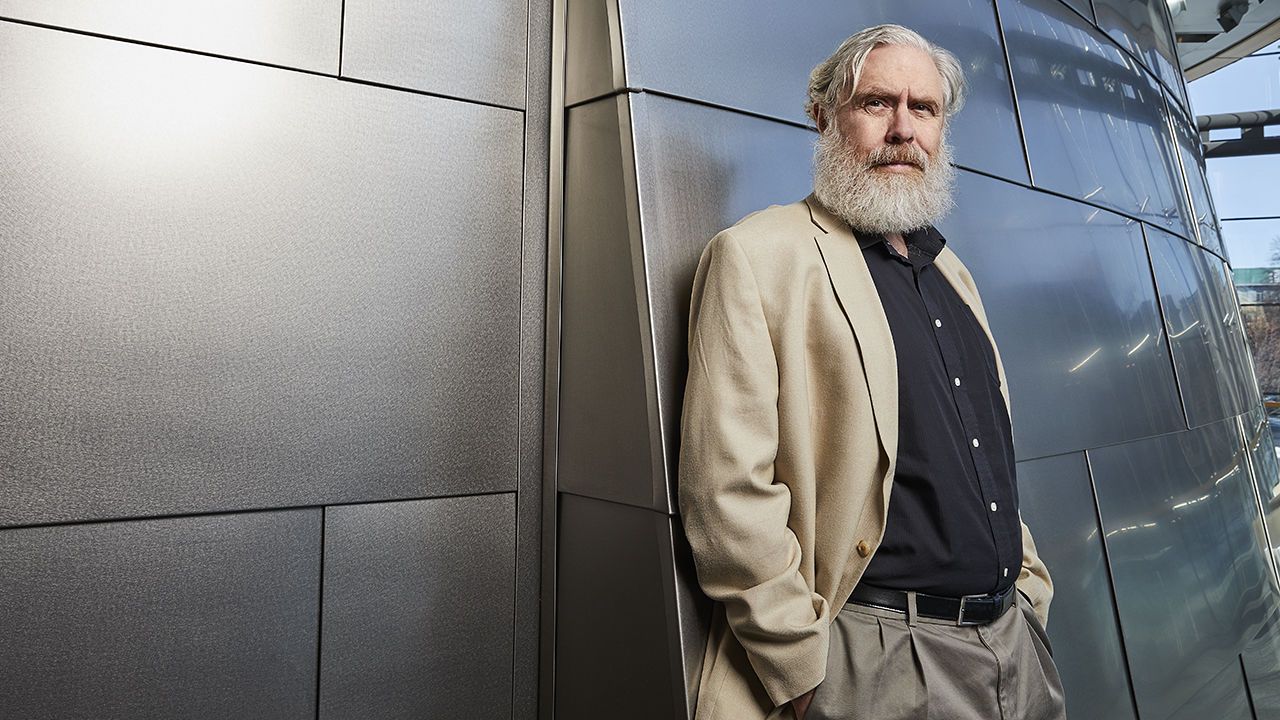
Most of us like the idea of superpowers. Though we may never have the strength of Superman, we could be made stronger, faster, and even better-looking, with total control over our genome, or genetic makeup. What about becoming disease-resistant, weight gain resistant, and even slowing down the aging process? This might be possible in decades to come, as geneticists are now getting ever closer to, not just removing and replacing genes, but rewriting entire genomes. It sounds like the realm of science fiction. Yet, consider that geneticists at Harvard recently recoded the genome of a synthetic E. coli bacteria. Prof. George Church and colleagues conducted the study.

Researchers replaced 62,214 base pairs of DNA. What they have done is recreate the DNA from scratch, though they haven’t actually brought the bacteria to life, yet. What was once thought impossible is no longer. This is the first synthetic genome ever assembled, and is being hailed as the most complex feat of genetic engineering, thus far.

/* */