Toggle light / dark theme

Researchers Recreate DNA Of Man Who Died In 1827 Despite Having No Body To Work With

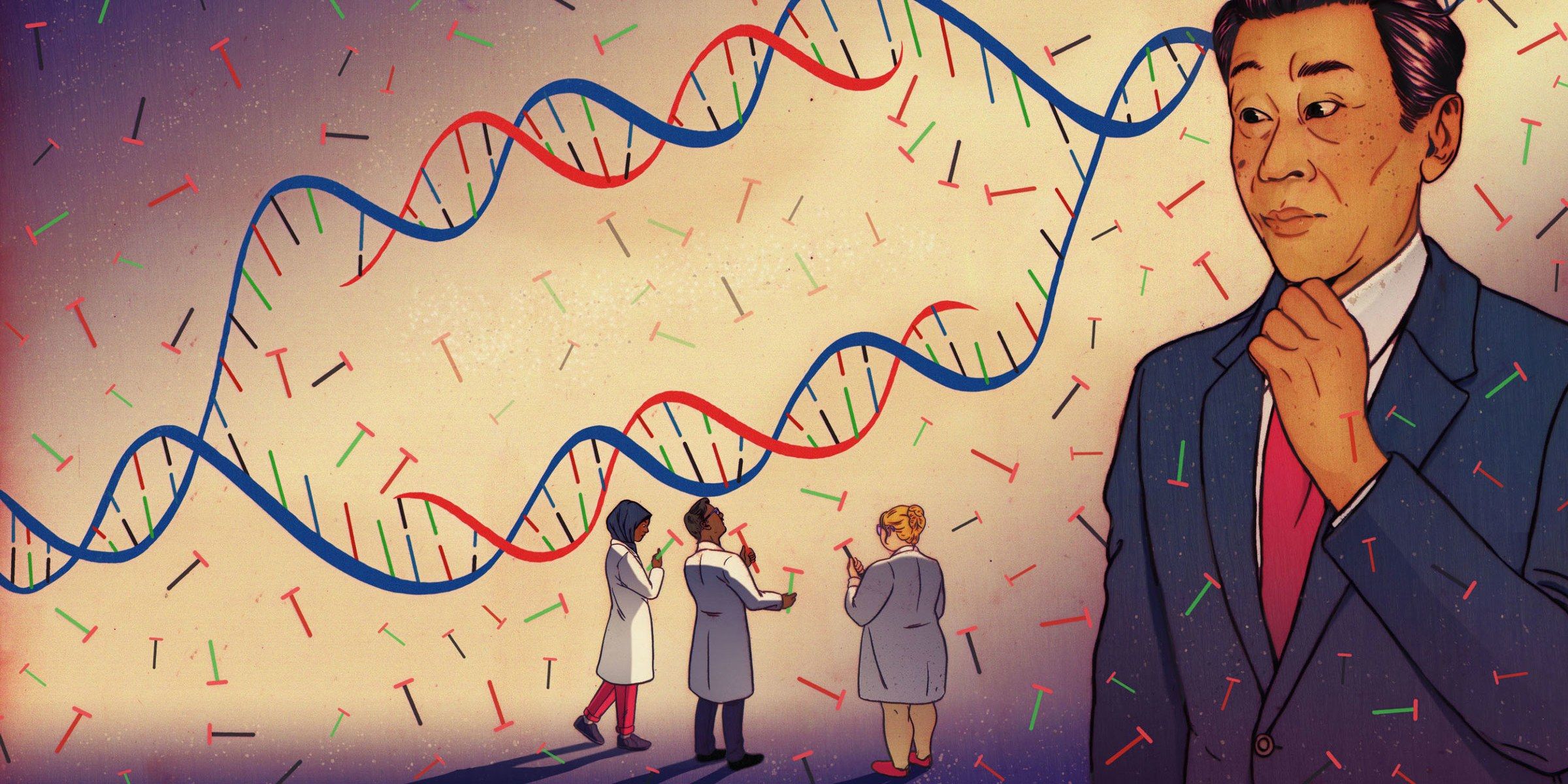
An international team of researchers led by a group with deCODE Genetics, a biopharmaceutical company in Iceland, has partly recreated the DNA of a man who died in 1827, despite having no body to take tissue samples from. In their paper published in the journal Nature Genetics, the team describes reconstructing “a sizable portion” of the original DNA of the man by studying DNA samples from his descendants.

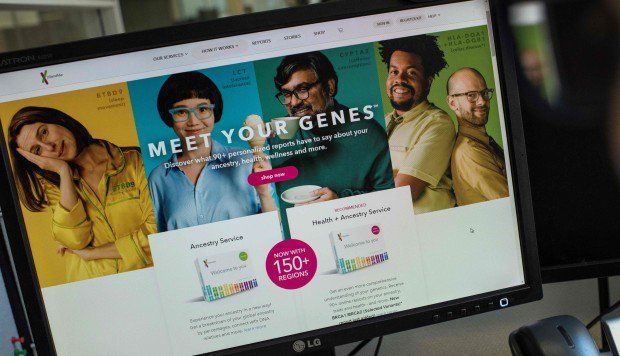
In a unique and interesting project, the team worked with genetic information from people living in Iceland to recreate the DNA of a man well known in that country due to his unique story. He was an escaped black slave who made his way to Iceland—a place where there were no other people of African descent. That made his DNA extremely unique. More importantly, the man, Hans Jonatan, was, as the story goes, “welcomed with open arms,” which meant he was able to marry a local woman and have children. Those children produced children of their own, who inherited part of Jonatan’s DNAdding to the story, Iceland just happens to have one of the most extensive genealogical databases in the world today—it includes data on over a third of the entire population of the country.

In this new effort, the researchers took advantage of the unique situation to find Jonatan’s descendants by narrowing an original pool of 788 descendants down to a manageable 182—each one of whom held one small piece of the puzzle in their genes. After much work, the team reports that they were able to use the pieces they found to recreate a large part of Jonatan’s DNA without using any tissue from him at all—the first time such a feat has ever been achieved. They were also able to trace some of Jonatan’s ancestry starting with his mother, an African slave on a plantation in St. Croix, which at the time of Jonatan’s birth was a Danish colony. They believe his father was a white European.

Scientists turn skin cells into muscle cells, a potential boon for research

TUESDAY, Jan. 9, 2018 — In a potential advance for medical research, scientists say they’ve created the first functioning human muscle from skin cells.

The breakthrough could lead to better genetic or cell-based therapies, as well as furthering investigations into the causes and treatment of muscular disorders, the Duke University team said.

“The prospect of studying rare diseases is especially exciting for us,” Nenad Bursac, professor of biomedical engineering, said in a university news release.

Discussion of iTR Publication

AgeX, one of our supported startups aiming at turning basic research into actual rejuvenation therapies for human application, just published a breakthrough genetic discovery that could enable us to activate tissue regeneration capabilities in humans.

Dr. Mike West, CEO of AgeX, will also be presenting at undoing-aging.org

_______

More info on Forever Healthy: forever-healthy.org

You can join the FH community here: fb.com/groups/foreverhealthy.org

#foreverhealthy #undoingaging

How Robots Will Break Politics

At the moment, it is easy and comforting to imagine that the machines will mostly be complementary to human workers, whose common sense and human touch will still be necessary. But over the next half-century, AI will get better faster than humans can learn new skills. While we are probably still a very long way away from an AI with humanlike general intelligence, we are much closer to a world where particular machines can perform specific tasks as well as humans and at far less cost—precisely the kind of change that reshaped nations 150 years ago. Long before we find ourselves dealing with malevolent AIs or genetically engineered superhumans, and perhaps just 10 to 20 years from now, we will have to deal with the threat technology poses to our social order—and to our politics.


Automation is dramatically reshaping the workforce, but we’ve barely begun to grapple with how it will reshape society.

/* */