From portable genome sequencers until genetic tests revealing distant relations with Thomas Jefferson, genomics represents a fascinatingly innovative area of healthcare. As the price of genome sequencing has been in free fall for years, the start-up scene is bursting from transformative power. Let’s look at some of the most amazing ventures in genomics!
Category: genetics – Page 556
Journal Club May 30th 13:00 EST/18:00 UK
Our Journal Club goes live at 13:00 EST/18:00 UK. Come and watch the live stream on our page where we discuss the latest research. Todays topic is the recent reversal of Epigenetic changes in a living animal via partial cellular programming.
Journal Club live stream to our Facebook page May 30th 13:00 EST/18:00 UK. Join us here live to listen to LEAF and Ocean level Patrons discuss epigenetics and how it relates to aging. It will also be available later to view on Youtube.
This the first of our Monthly Journal Club events hosted by Dr. Oliver Medvedik and guests where we discuss the latest research papers. Journal Club is part of a host of new activities and content this year and is a result of the support we have recieved from the Heroes Campaign currently running on Lifespan.io. If you would like to see more content like this consider becoming a Patron today on the link below:
https://www.lifespan.io/campaigns/join-us-become-a-lifespan-hero/
For The First Time Ever, CRISPR Gene Editing Was Used in Humans. So What’s Next?
- With Chinese scientists announcing that they have tested CRISPR on a human for the first time, the U.S. must decide soon whether it will be a leader or a follower in advancing the tech.
- While gene editing technology could be used in nefarious ways, it could also cure diseases and improve millions of lives, but we won’t know how effective it is until we begin human trials.
While the middle part of the 20th century saw the world’s superpowers racing to explore space, the first global competition of this century is being set in a much smaller arena: our DNA.
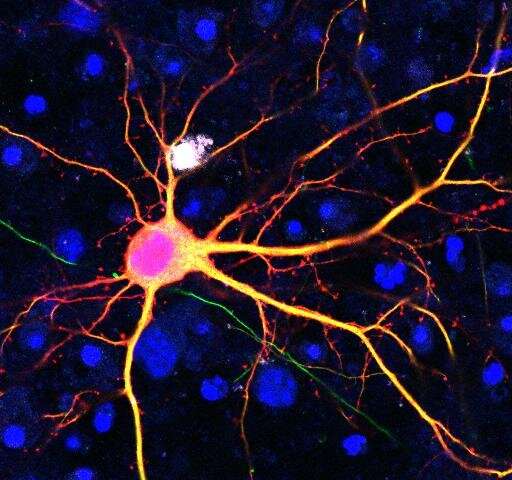
Scientists Surprised to Find No Two Neurons Are Genetically Alike
The genetic makeup of any given brain cell differs from all others. That realization may provide clues to a range of psychiatric diseases.
- By Simon Makin on May 3, 2017
Update bundle #4
News from the world of rejuvenation biotechs.
Gone are—for now—the golden days when I would publish a new post each week. So, for as long as my schedule is going to be this busy, I’ll have to be content with update bundles. I thought I’d let you know about a few news items and interesting things going on in anti-ageing community.
On June 30 LEAF will host their first Journal Club event, with dr Oliver Medvedik. The topic will be the implications of epigenetic alterations on aging and as a primary aging process.
The recurring crowdfunding campaign to support LEAF has reached $1110, thus surpassing the first goal of $1000. The next one is $2000, and it’d be great if you could help us reach it, and advertise the campaign so that others may help too.
New Research Points to a Genetic Switch That Can Let Our Bodies Talk to Electronics
- Our bodies are biologically based and therefore are not equipped to communicate with electronics efficiently. New research could make it possible to genetically engineer our cells to be able to communicate with electronics.
- The development has the potential to allow us to eventually build apps that autonomously detect and treat disease.
Microelectronics has transformed our lives. Cellphones, earbuds, pacemakers, defibrillators – all these and more rely on microelectronics’ very small electronic designs and components. Microelectronics has changed the way we collect, process and transmit information.
Bronze Age beaker culture invaded Britain 4,000 years ago
New research carried out one of the biggest ever studies of ancient genomes…
A Bronze Age ‘beaker culture’ invaded Britain 4,000 years ago: Intruders forced out ancient farmers that built famous relics such as Stonehenge.
- New research carried out one of the biggest ever studies of ancient genomes
- It found that beaker people forced prehistoric Neolithic farmers out of Britain
- DNA analyses found that Britain underwent a 90 per cent shift in its genetic make-up when the beaker folk arrived
Humans Can Now “Print” Genetic Code and Engineer Life
Scientists’ ability to create organisms through synthetic biology is getting easier and cheaper fueling the start of a new era in biology. Synthetic biology has already lead to some innovations such as lab-grown meat, advancement in medicine, and even helping to bring back extinct species.
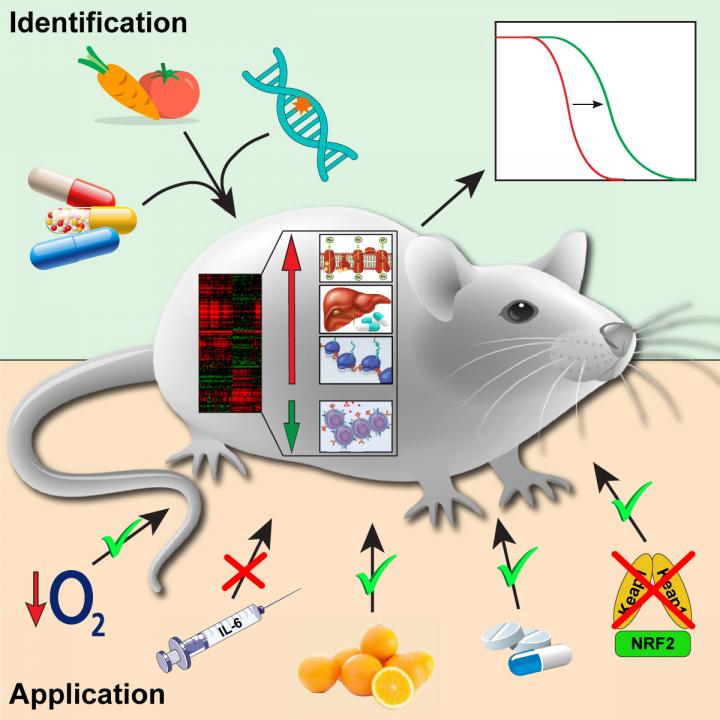
Scientists Uncover Genes That May Help Combat Aging and Disease
These specialized genes could help us prevent aging.
These Cells Are Engineered to Be Controlled by a Smartphone
To Dr. Mark Gomelsky, a professor at the University of Wyoming, genetically engineered therapeutic cells are like troops on a mission.
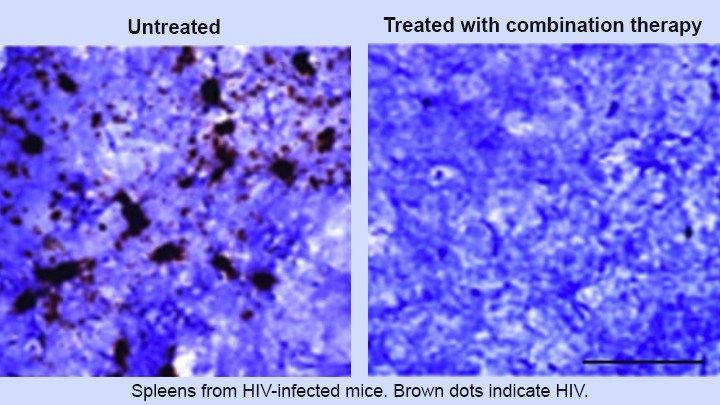
The first act is training. Using genetic editing tools such as CRISPR, scientists can “train” a patient’s own cells to specifically recognize and attack a variety of enemies, including rogue tumor soldiers and HIV terrorists.
Then comes the incursion. Engineered cells are surgically implanted to the target site, where they’re left to immediately carry out the mission. The problem, says Gomelsky, is adding a command center “that could coordinate their activities in real time according to the developing situation,” such as telling cells when to activate and when to stop.