Toggle light / dark theme

Eat less and live a long healthy life? Study shows ‘not in all cases’

An underlying assumption of research on aging holds that dietary restriction (and drugs that mimic its effects) will slow aging to extend both lifespan and healthspan jointly. While eating a Spartan diet has been shown to robustly extend lifespan and delay age-related diseases in many species, a genome-wide analysis of 160 genetically distinct strains of the fruit fly D. melanogaster shows that lifespan and healthspan are not linked under dietary restriction. Results are published in Current Biology.

Though on was extended and healthspan was increased, researchers from the Kapahi lab at the Buck Institute say the devil is in the details. In the study researchers measured nutrient-dependent changes in lifespan and tracked age-related changes in to measure healthspan. While 97 percent of strains showed some lifespan or healthspan extension in response to , only 50 percent of strains showed a significantly positive response to dietary restriction for both. Thirteen percent of the strains were more vigorous, yet died sooner with dietary restriction; 5 percent lived longer, but spent more time in poor health. The remaining 32 percent of the strains showed no benefits or detriments to lifespan or healthspan, or to both.

“Dietary restriction works, but may not be the panacea for those wanting to extend healthspan, delay age-related diseases, and extend lifespan,” said Pankaj Kapahi, Ph.D., Buck professor and senior author on the paper. “Our study is surprising and gives a glimpse into what’s likely going to happen in humans, because we’re all different and will likely respond differently to the effects of dietary restriction. Furthermore, our results question the idea that lifespan extension will always be accompanied by improvement of healthspan.”

Scientists aim gene-targeting breakthrough against COVID-19

A team of scientists from Stanford University is working with researchers at the Molecular Foundry, a nanoscience user facility located at the Department of Energy’s Lawrence Berkeley National Laboratory (Berkeley Lab), to develop a gene-targeting, antiviral agent against COVID-19.

Last year, Stanley Qi, an assistant professor in the departments of bioengineering, and chemical and at Stanford University and his team had begun working on a technique called PAC-MAN—or Prophylactic Antiviral CRISPR in —that uses the gene-editing tool CRISPR to fight influenza.

But that all changed in January, when news of the COVID-19 pandemic emerged. Qi and his team were suddenly confronted with a mysterious new virus for which no one had a clear solution. “So we thought, ‘Why don’t we try using our PAC-MAN technology to fight it?’” said Qi.

Natural Killer Cell-Based Therapies Targeting Cancer: Possible Strategies to Gain and Sustain Anti-Tumor Activity

Circa 2015


Natural killer (NK) cells were discovered 40 years ago, by their ability to recognize and kill tumor cells without the requirement of prior antigen exposure. Since then, NK cells have been seen as promising agents for cell-based cancer therapies. However, NK cells represent only a minor fraction of the human lymphocyte population. Their skewed phenotype and impaired functionality during cancer progression necessitates the development of clinical protocols to activate and expand to high numbers ex vivo to be able to infuse sufficient numbers of functional NK cells to the cancer patients. Initial NK cell-based clinical trials suggested that NK cell-infusion is safe and feasible with almost no NK cell-related toxicity, including graft-versus-host disease. Complete remission and increased disease-free survival is shown in a small number of patients with hematological malignances. Furthermore, successful adoptive NK cell-based therapies from haploidentical donors have been demonstrated. Disappointingly, only limited anti-tumor effects have been demonstrated following NK cell infusion in patients with solid tumors. While NK cells have great potential in targeting tumor cells, the efficiency of NK cell functions in the tumor microenvironment is yet unclear. The failure of immune surveillance may in part be due to sustained immunological pressure on tumor cells resulting in the development of tumor escape variants that are invisible to the immune system. Alternatively, this could be due to the complex network of immune-suppressive compartments in the tumor microenvironment, including myeloid-derived suppressor cells, tumor-associated macrophages, and regulatory T cells. Although the negative effect of the tumor microenvironment on NK cells can be transiently reverted by ex vivo expansion and long-term activation, the aforementioned NK cell/tumor microenvironment interactions upon reinfusion are not fully elucidated. Within this context, genetic modification of NK cells may provide new possibilities for developing effective cancer immunotherapies by improving NK cell responses and making them less susceptible to the tumor microenvironment. Within this review, we will discuss clinical trials using NK cells with a specific reflection on novel potential strategies, such as genetic modification of NK cells and complementary therapies aimed at improving the clinical outcome of NK cell-based immune therapies.

Keywords: natural killer cells, adoptive cell therapy, immunotherapy, cancer, clinical trials, expansion, tumor microenvironment, genetic modifications.

Natural killer (NK) cells are lymphocytes of the innate immune system. They are cytokine producing and have cytotoxic ability to kill both viral infected and tumor cells. Tumor-killing lymphocytes were first reported in 1968 by Hellström et al… Kiessling and colleagues, in parallel with Ronald Herberman’s research laboratory, defined a novel lymphocyte population named NK cells that are able to target tumor cells in 1975 (2–5). Unlike T cells and B cells, NK cell recognition is not governed by high-resolution antigen specificity. Target cell recognition is mediated by the signals delivered through several activating and inhibitory receptors. The balance between activating and inhibitory signals decides the response of NK cells.

Battling Parkinson’s disease

Who has heard of mitochondrial medicine?


“We know that increased rates of mtDNA mutation cause premature aging,” said Bruce Hay, Professor of biology and biological engineering at the California Institute of Technology. “This, coupled with the fact that mutant mtDNA accumulates in key tissues such as neurons and muscle that lose function as we age, suggests that if we could reduce the amount of mutant mtDNA, we could slow or reverse important aspects of aging.”

This brings us to the second major development relevant to mitochondria in disease — that genetic technology is now at a point where the targeted removal of the problem mitochondrial genes can become the basis for clinical intervention. This is the implication of research that Hay and colleagues both at Caltech and the University of California at Los Angeles described in a paper published in the journal Nature Communications.

Fixing body tissues by knocking out genes that prevent bad mitochondrial from being ousted in a timely fashion might sound like science fiction, but that’s where things are going and it’s part of a growing trend of what’s being described as mitochondrial medicine.

Evolution of coronavirus outlines path from animals to humans

Summary: Study reports SARS-CoV-2, the virus that causes COVID-19, was well suited to making the jump from animals to humans by shapeshifting as it gained the ability to infect human cells. The virus’s ability to infect humans occurred via exchanging gene fragments from a coronavirus that infected pangolins. The species-to-species transmission was a result of the ability of SARS-CoV-2 to bind to host cells through alterations to its genetic material.

Source: Duke University

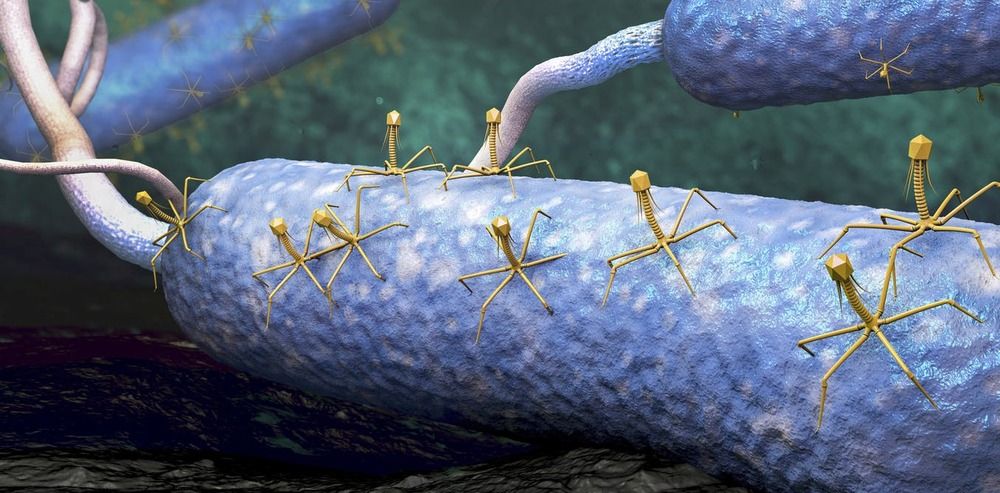
A team of scientists studying the origin of SARS-CoV-2, the virus that has caused the COVID-19 pandemic, found that it was especially well-suited to jump from animals to humans by shapeshifting as it gained the ability to infect human cells.

/* */