Category: futurism – Page 457
Thyroid Hormones (FT4, FT3): What’s Optimal?
Join us on Patreon! https://www.patreon.com/MichaelLustgartenPhDDiscount Links: NAD+ Quantification: https://www.jinfiniti.com/intracellular-nad-test/Use Cod…

Crows can count much in the same way as human toddlers, study finds
Crows can vocally count up to four. The intelligent birds recognize and react to numbers in a process similar to that of human cognition, according to a new study.
The Guy Who Made Chaotic Desktop Goose Turned Notepad into MS Paint
You can actually play his upcoming shooter in the app.
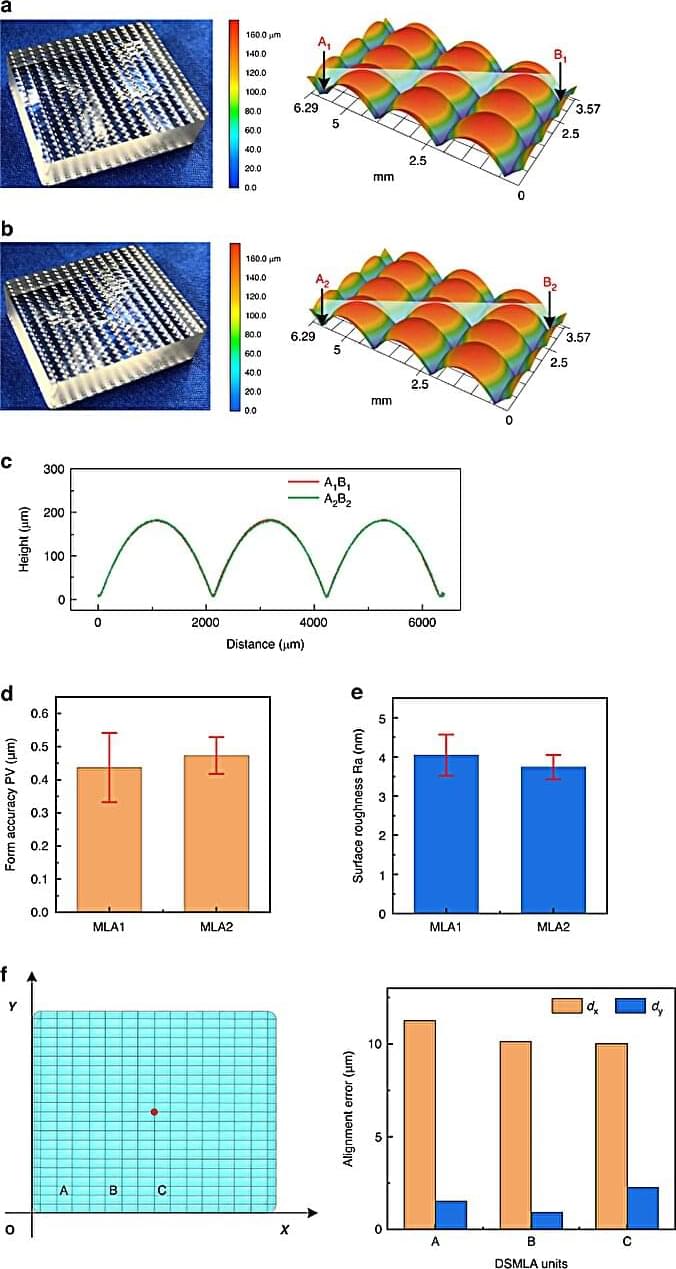
New method minimizes alignment errors in microlens array production
Double-sided microlens arrays (DSMLAs) play a crucial role in improving the performance of optical devices, supporting applications from advanced imaging systems to laser beam homogenization. However, traditional manufacturing methods often struggle with alignment errors that diminish the functionality and efficiency of these arrays.
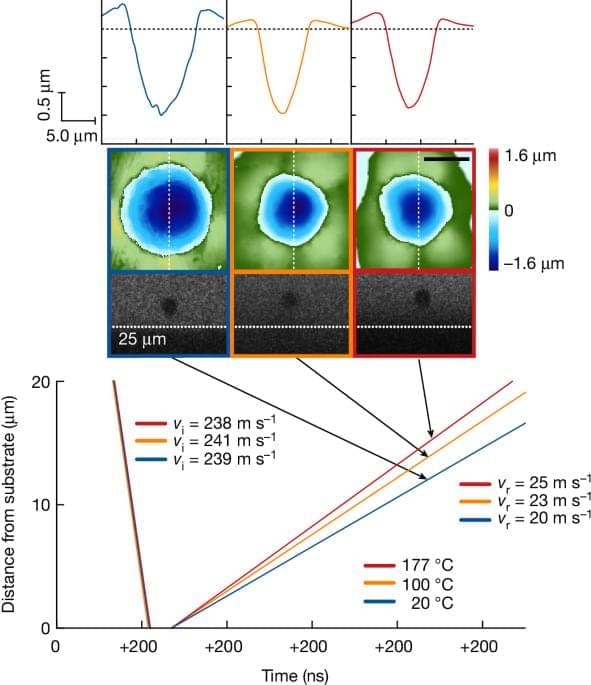
Metals strengthen with increasing temperature at extreme strain rates
Microballistic impact testing at strain rates greater than 106 s−1 shows that pure metals, including copper, gold and titanium, become stronger with increasing temperature.

Quora: Quora is a place to gain and share knowledge
It’s a platform to ask questions and connect with people who contribute unique insights and quality answers. This empowers people to learn from each other and to better understand the world.
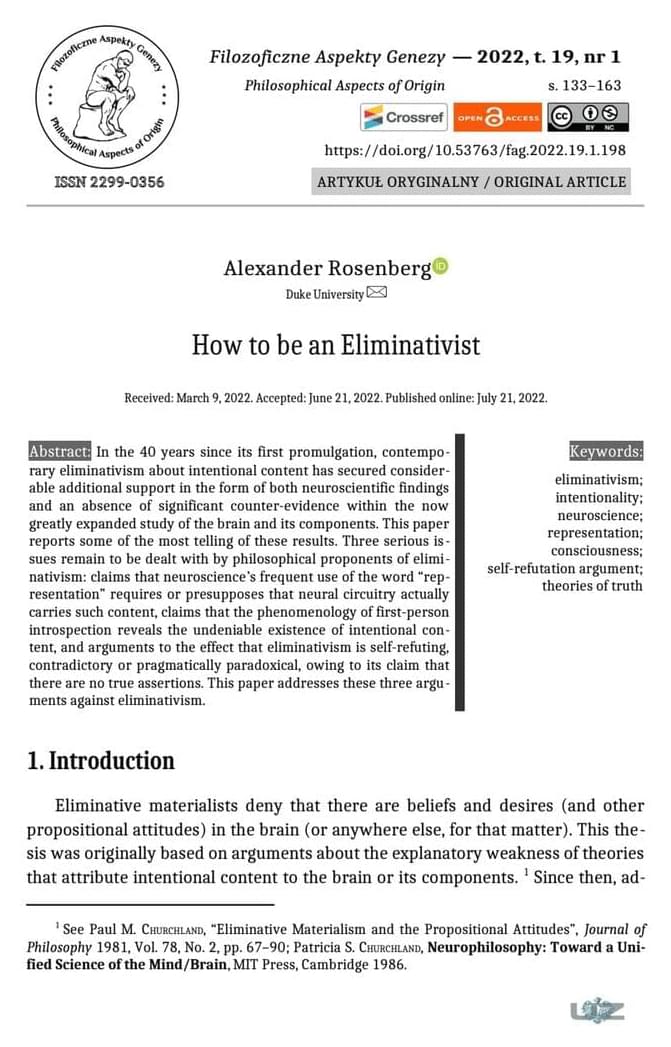
How_to_be_an_Eliminativist.pdf
How to be an Eliminativist by Alex rosenberg.
Shared with Dropbox.
Daniel Dennett
“Qualia” is an unfamiliar term for something that could not be more familiar to each of us: the ways things seem to us. As is so often the case with philosophical jargon, it is easier to give examples than to give a definition of the term. Look at a glass of milk at sunset; the way it looks to you —the particular, personal, subjective visual quality of the glass of milk is the quale of your visual experience at the moment. The way the milk tastes to you then is another, gustatory quale, and how it sounds to you as you swallow is an auditory quale; These various “properties of conscious experience” are prime examples of qualia. Nothing, it seems, could you know more intimately than your own qualia; let the entire universe be some vast illusion, some mere figment of Descartes’ evil demon, and yet what the figment is made of (for you) will be the qualia of your hallucinatory experiences. Descartes claimed to doubt everything that could be doubted, but he never doubted that his conscious experiences had qualia, the properties by which he knew or apprehended them.
The verb “to quine” is even more esoteric. It comes from The Philosophical Lexicon (Dennett 1978c, 8th edn., 1987), a satirical dictionary of eponyms: “quine, v. To deny resolutely the existence or importance of something real or significant.” At first blush it would be hard to imagine a more quixotic quest than trying to convince people that there are no such properties as qualia; hence the ironic title of this chapter. But I am not kidding.
My goal is subversive. I am out to overthrow an idea that, in one form or another, is “obvious” to most people—to scientists, philosophers, lay people. My quarry is frustratingly elusive; no sooner does it retreat in the face of one argument than “it” reappears, apparently innocent of all charges, in a new guise.