Buffalofish have surprisingly long life spans, a new study shows—and live their best lives into their 80s and 90s. What can humans learn from them?
The world’s biggest experimental nuclear fusion reactor in operation was inaugurated in Japan on Friday, a technology in its infancy but billed by some as the answer to humanity’s future energy needs.
Fusion differs from fission, the technique currently used in nuclear power plants, by fusing two atomic nuclei instead of splitting one.
The goal of the JT-60SA reactor is to investigate the feasibility of fusion as a safe, large-scale and carbon-free source of net energy—with more energy generated than is put into producing it.
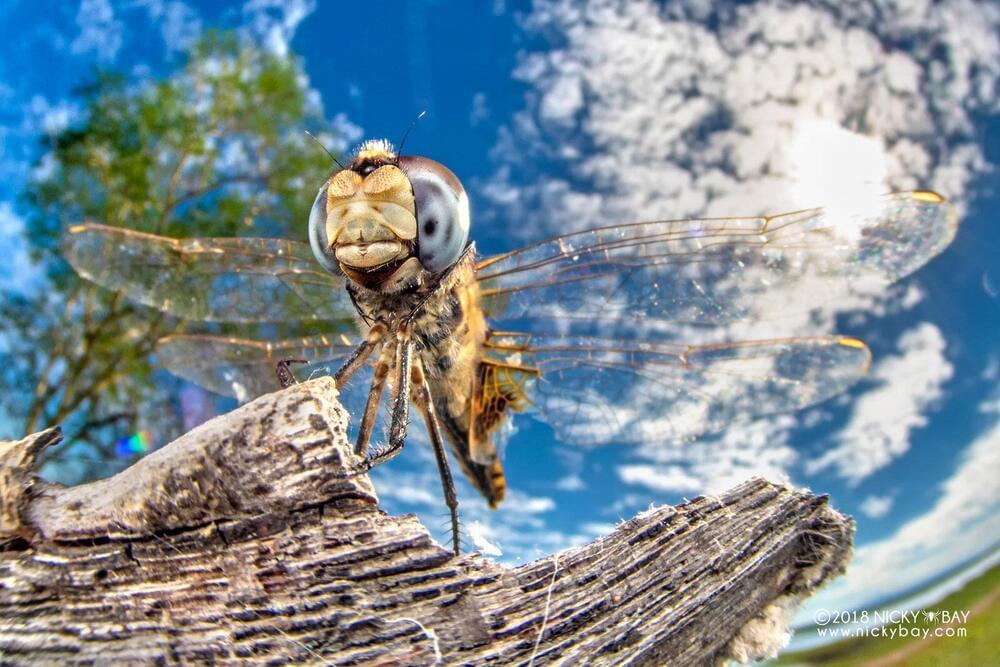
James Cook University researcher Matthew Connors has discovered two new praying mantis species with the help of citizen scientists. The finds have been published in Zootaxa.
One of these new mantises is not just a new species but an entirely new genus—the classification level above species—and was discovered thanks to citizen scientist Glenda Walter.
We have named the new species Inimia nat—I. nat for short—as it was discovered thanks to the citizen science platform iNaturalist—also iNat for short.
A lot of what we talk about with artificial intelligence and machine learning is what you might call “technical considerations” – which makes sense, because these are groundbreaking technologies.
But AI is going to be social, too – it’s going to have a social context. One way to explain that is that with ‘humans in the loop’ and assistive AI, the AI has to be able to interact with humans in particular ways.
So what about the social end of AI research?