Toggle light / dark theme

Meet EcoBOT: The Autonomous Lab Standardizing Plant-Microbe Research

To harness biological systems (plants and microbes) for next-generation energy production and advanced materials, researchers are looking to beneficial plant-microbe interactions. Because these are complex systems, it has proven difficult to reproducibly control exactly which microbes are present. And, subtle differences in materials, methods, or even the hands of the researchers themselves can lead to inconsistent results. This makes it difficult to replicate previous work, significantly slowing the leap from scientific discovery to practical application.

Researchers at Lawrence Berkeley National Laboratory (Berkeley Lab) are overcoming this bottleneck by addressing a multi-layered challenge: building reliable physical hardware, engineering accurate visual sensors, and developing predictive algorithms. Their solution, EcoBOT, stands out from typical plant phenotyping facilities by integrating these distinct components into a reliably automated workflow under strictly sterile conditions.

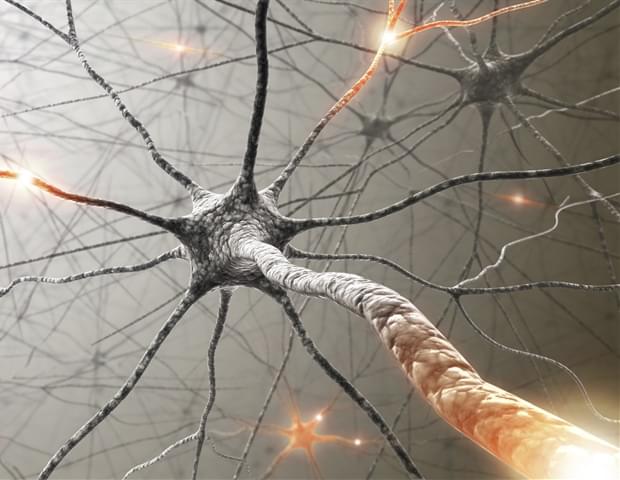
EcoBOT takes specialized growth chambers, called EcoFABs, and integrates them with machine-learning tools that autonomously guide the discovery cycle. This system uses advanced imaging to regularly scan the entire plant—from the tips of its leaves to the bottom of its roots. By using Gaussian Process models and AI analysis tools, it can quickly analyze and model this visual data to calculate the most informative next steps. This directs the automated hardware to determine exactly how plants adapt to environmental stressors, establishing the crucial microbe-free baseline needed to eventually study plant-microbe interactions and engineer better bioenergy crops.

AI Will Eat Social Media Alive

Social media is being consumed by AI from the inside out.

Over half of all new written content online is now AI-generated, and more than half of all internet traffic is bots.

Facebook’s most-viewed images are AI slop, YouTube recommends brainrot to new users, and global content farms churn out synthetic shock content for pennies.

The platforms aren’t fighting it because engagement is engagement, whether it comes from humans or machines.

Mark Zuckerberg is calling AI the \.

Scientists design a clay that can prevent fruits and vegetables from rotting too quickly

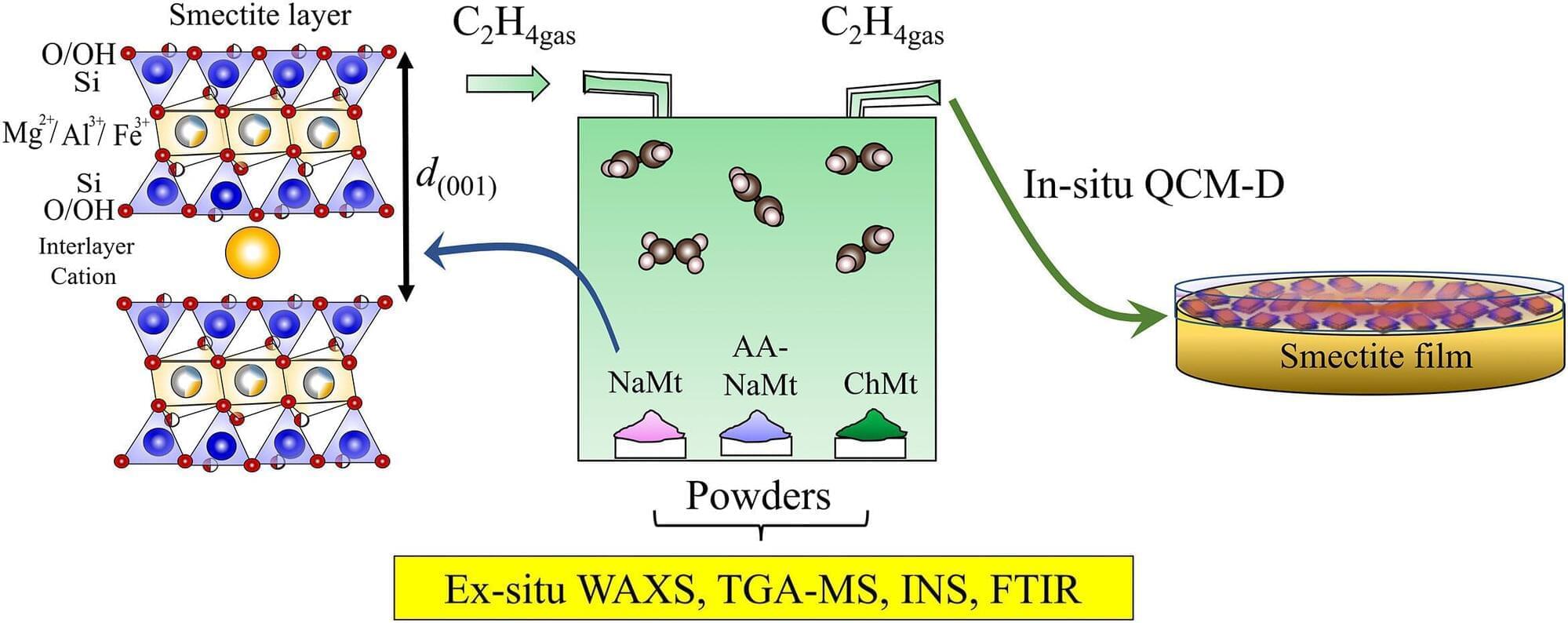
Avocados from Chile, bananas from Costa Rica, tomatoes from southern Spain, mangoes from Brazil. A large share of the fruit and vegetables we eat have traveled across the globe before they reach store shelves here at home. But many millions of tons are lost every year before they get that far.

One of the main reasons is ethylene—a natural gas that many fruits and vegetables produce and that controls their ripening. When fruits and vegetables are confined in closed packaging or containers during transport and storage, the concentration of ethylene in the air increases, accelerating the ripening process. As a result, a large share of the cargo ends up rotting before it reaches its final destination.

Scientists develop wearable robotic system to restore hand function

Researchers at the Medical University of Vienna, in collaboration with ETH Zurich, the Technical University of Munich and Medical Faculty Belgrade, have developed a wearable neurorobotic system that combines electrical neurostimulation with hand exoskeletons. In a clinical trial involving 14 patients with hand impairments caused by neurological injury, the technology supported finger mobility, tactile perception and grip control. The results demonstrate the potential of personalised assistive systems for people living with the consequences of spinal cord or brain injury. The study has recently been published in the journal Science Advances.

Hand movements and the sense of touch are essential for everyday activities such as grasping, eating, dressing or personal hygiene. However, after damage to the central nervous system, motor and sensory impairments of the hand often persist. Conventional rehabilitation can achieve improvements, but does not always lead to sufficient restoration of hand function. There is therefore a great need for assistive technologies suitable for everyday use.

A research team led by study director Stanisa Raspopovic from the Center for Medical Physics and Biomedical Engineering at MedUni Vienna has developed the “SensoExo” system for assisting people with hand sensorimotor impairements. It combines a wearable hand exoskeleton with a custom-fitted neurostimulation sleeve. The sleeve stimulates specific nerves and muscles in the forearm through the skin. Sensors on the fingers detect touch and gripping forces and translate this information into electrical stimulation, providing users with tactile feedback. In addition, functional electrical stimulation can assist users open and close their fingers more easily.

Trace additive unlocks faster bioplastic biodegradation without losing transparency or strength

Compostable plastics could be part of a solution to the world’s plastic waste problem. But currently these materials need industrial composting facilities to break down. In a step toward making a home-compostable plastic, researchers reporting in ACS Central Science have augmented polylactide (PLA)—a widely used biobased and compostable polymer—with a small amount of an additive. Tests show it helps the material degrade substantially faster without sacrificing critical qualities like strength or transparency.

“PLA can be made to degrade much more effectively under practical composting conditions without compromising the properties that make it useful in everyday applications,” says Marc Hillmyer, a corresponding author of the paper.

PLA is currently found in products such as food packaging, textiles and biomedical devices, and it accounts for roughly two-thirds of total bio-based and biodegradable plastics production worldwide. “Composting is considered one of the most effective end-of-life strategies for PLA products, especially food-contaminated single-use products, because it eliminates the need for additional sorting and washing processes,” says Hillmyer. This process converts organic waste into environmentally innocuous products such as small organic acids.

Scientists uncover hidden phosphorus reservoir vital for future food production

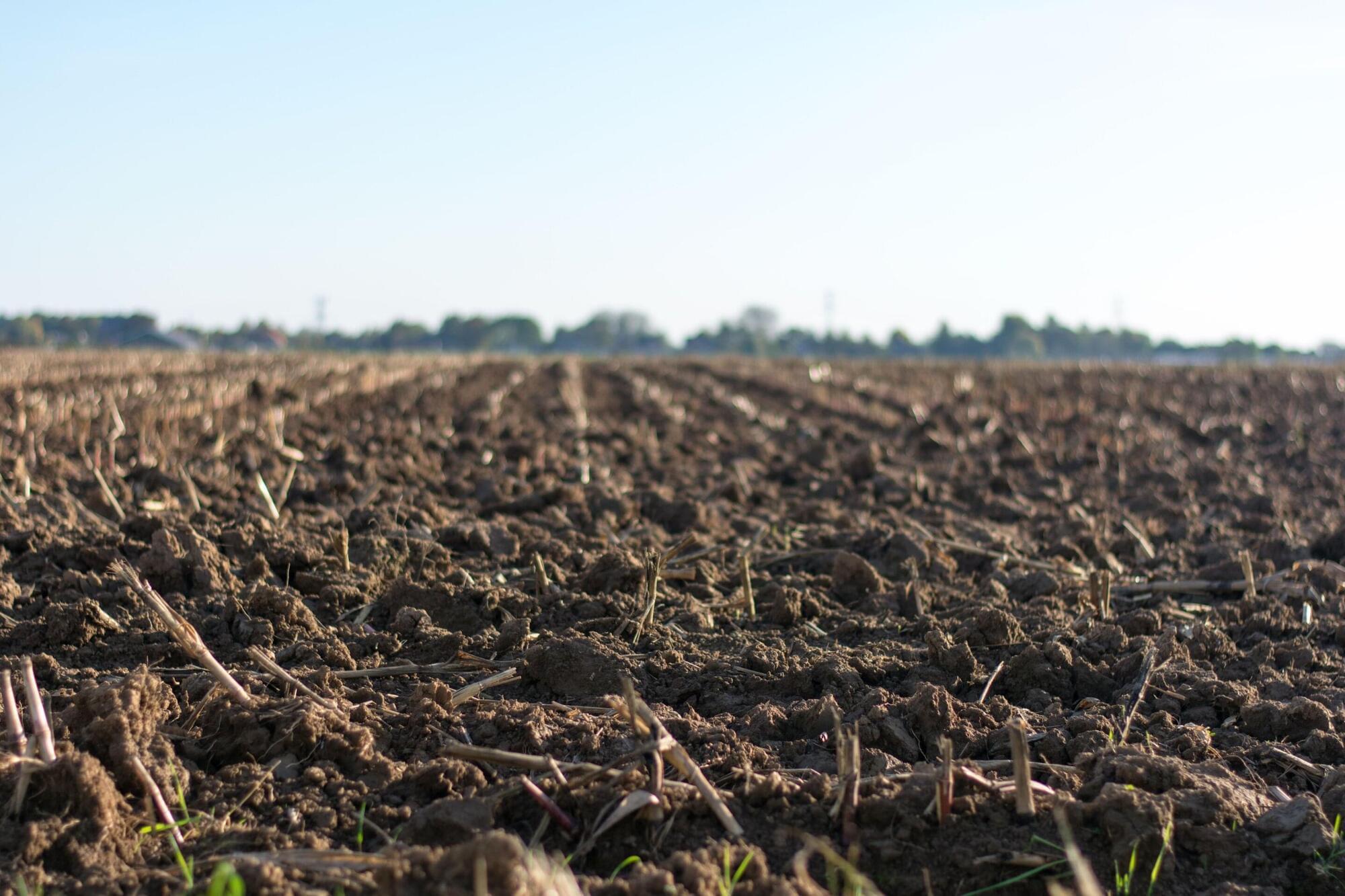
Researchers have developed a simpler, more cost-effective method to measure a biologically important form of phosphorus in soils, providing new insights into nutrient cycling that could help improve sustainable agricultural management.

Phosphorus is an essential nutrient for plant growth and global food production, yet its natural reserves are finite. Understanding how phosphorus is stored, transformed and made available in soils is critical for maintaining soil fertility while reducing environmental impacts.

In a study published in the Journal of Agricultural and Marine Sciences, an international research team, including scientists from Sultan Qaboos University, James Hutton Institute, the Environment Authority of Oman and others, optimized a laboratory method for measuring DNA-bound phosphorus (DNA-P) in soils. DNA-P is part of the organic phosphorus pool associated with living microorganisms and plays an important role in nutrient cycling.

Electric ‘nose’ can smell when your food’s gone bad

Most of us have used the sniff test to decide whether a slightly expired bottle of milk or a week-old box of takeout is still good to eat. But while the human nose can be quite astute, it doesn’t always catch everything. Each year, millions of people in the U.S. are sickened by food-borne pathogens that thrive in undercooked or spoiled food.

Luckily for our collective stomachs, a new “electronic nose” developed at UC Berkeley can detect the scents associated with spoiled food much more accurately than the human nose. It can also sniff out the presence of common food allergens, like walnuts and peanuts, which can be deadly for those with sensitivities. The nose is described in a new study published in the journal Science Advances.

“I think ‘smart’ fridges—which come with sensors that you can control on your phone—would be a great application for this kind of technology,” said study lead author Carla Bassil, a Ph.D. student in electrical engineering and computer sciences at Berkeley and a member of the Javey Research Group. “How great would it be if your fridge could tell you, ‘Hey, your broccoli’s going to go bad soon, so you should probably eat that,’ Or, ” Your chicken is on its last day’?”

Canada’s National Artificial Intelligence Strategy: AI for All

Message from the minister The Government’s vision: AI for All Key pillars of the strategy Priority sectors Pillar 1: Protecting Canadians and safeguarding democracy Pillar 2: Ensuring AI empowers Canadians Pillar 3: Powering AI adoption for shared prosperity Pillar 4: Building the Canadian sovereign AI foundation Pillar 5: Scaling Canadian champions Pillar 6: Building trusted partnerships and global alliances Conclusion

An innovative Canada is a stronger Canada. And AI is the major driver of innovation in Canada and around the world. But to understand the potential of Canadian AI, you have to see how it is already working to improve the lives of people. How a Canadian pediatric cardiologist in Halifax named Dr. Robert Chen is using the AI application he built to diagnose heart murmurs in newborns. His technology could cut down wait times by many months for anxious parents to see a specialist, saving our health care system tens of millions of dollars.

You have to see how a Canadian AI company called Croptimistic is helping farmers precisely map their soil. This technology allows them to use less fertilizer, while increasing crop yield, making our food system more resilient and more affordable.

/* */