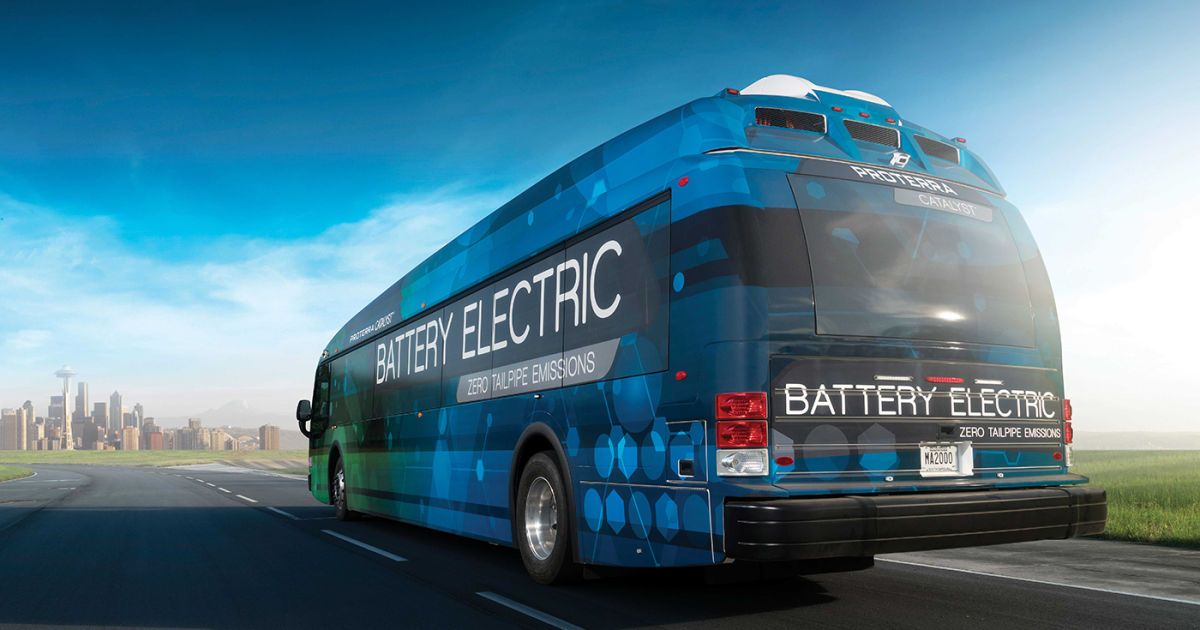
Sony is planning to commercialize lithium-sulfur batteries by 2020, and promising increases of up to 40% over conventional lithium-ion architectures. The devil is in the details, but a battery with 40% more specific energy at the same weight and cost as lithium-ion would enable EVs at lower price points.
Coal miners mine coal; diamond miners mine diamonds; gold miners mine gold; space miners (will) mine space—and anything in it that has precious metals or compounds that can be whisked into rocket fuel. But, just like the first three kinds of “resource extraction,” the celestial kind will face more than a few philosophical, financial, and regulatory complications.
How can a person see around a blind corner? One answer is to develop X-ray vision. A more mundane approach is to use a mirror. But if neither are an option, a group of scientists led by Genevieve Gariepy have developed a state-of-the-art detector which, with some clever data processing techniques, can turn walls and floors into a “virtual mirror”, giving the power to locate and track moving objects out of direct line of sight.
The shiny surface of a mirror works by reflecting scattered light from an object at a well-defined angle towards your eye. Because light scattered from different points on the object is reflected at the same angle, your eye sees a clear image of the object. In contrast, a non-reflective surface scatters light randomly in all directions, and creates no clear image.
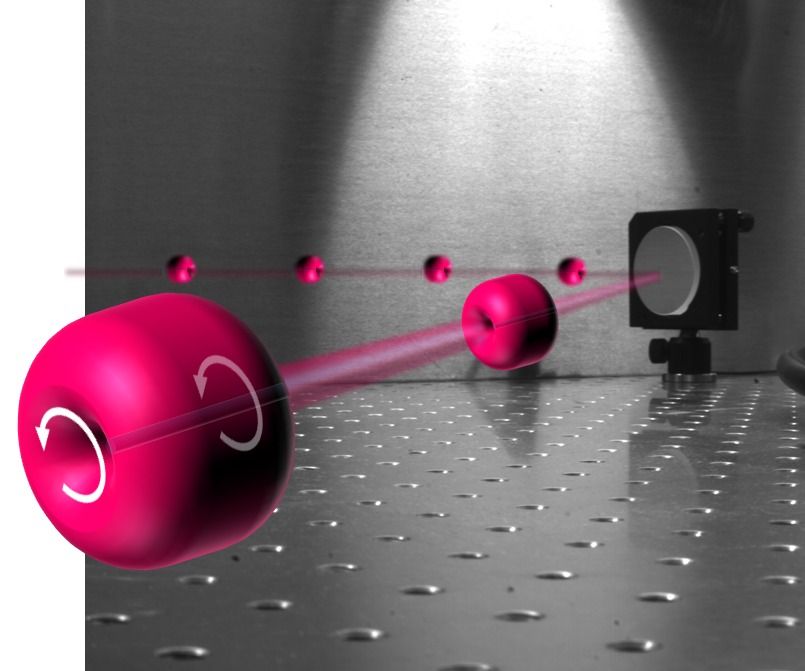
However, as the researchers at Heriot-Watt University and the University of Edinburgh recognised, there is a way to tease out information on the object even from apparently random scattered light. Their method, published in Nature Photonics, relies on laser range-finding technology, which measures the distance to an object based on the time it takes a pulse of light to travel to the object, scatter, and travel back to a detector.
Would you exercise for an hour every day if the workout powered your home for twenty-four hours?
People often complain about the high costs of energy and the fact that they “never have time to workout.” This invention certainly solves both conundrums.
And, most importantly, this free power invention has the potential to lift the 1.3 billion people who presently live without electricity out of poverty.