Toggle light / dark theme

Wash U scientist helps launch telescope from Antarctica to see bright objects in space

Just before the new year, a Washington University professor was among a group of scientists who launched a telescope from Antarctica that could observe bright, massive objects in space, like black holes.

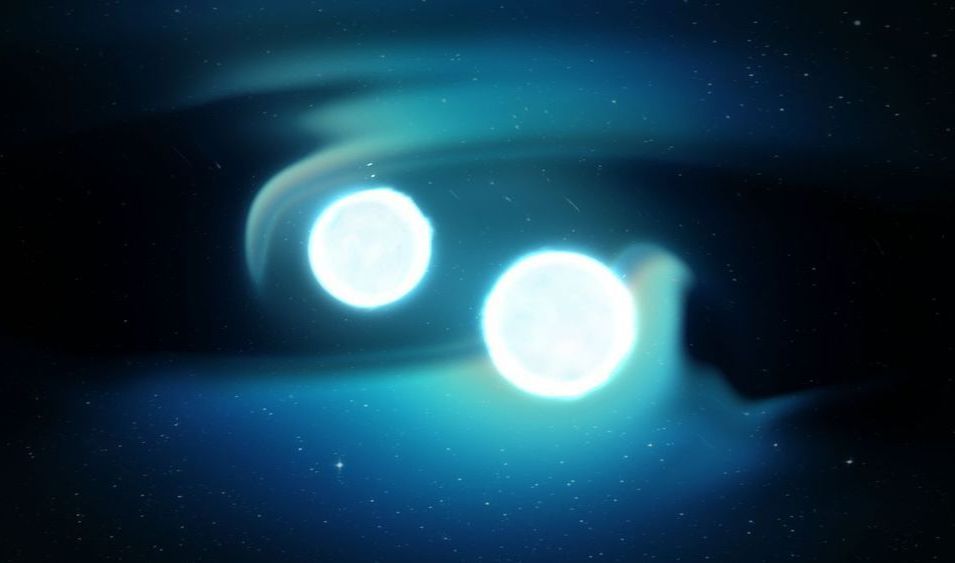
The international team of researchers, which included Wash U physics professor Henric Krawczynski, wanted to collect data on black holes and neutron stars, a very dense collapsed core of a giant star.

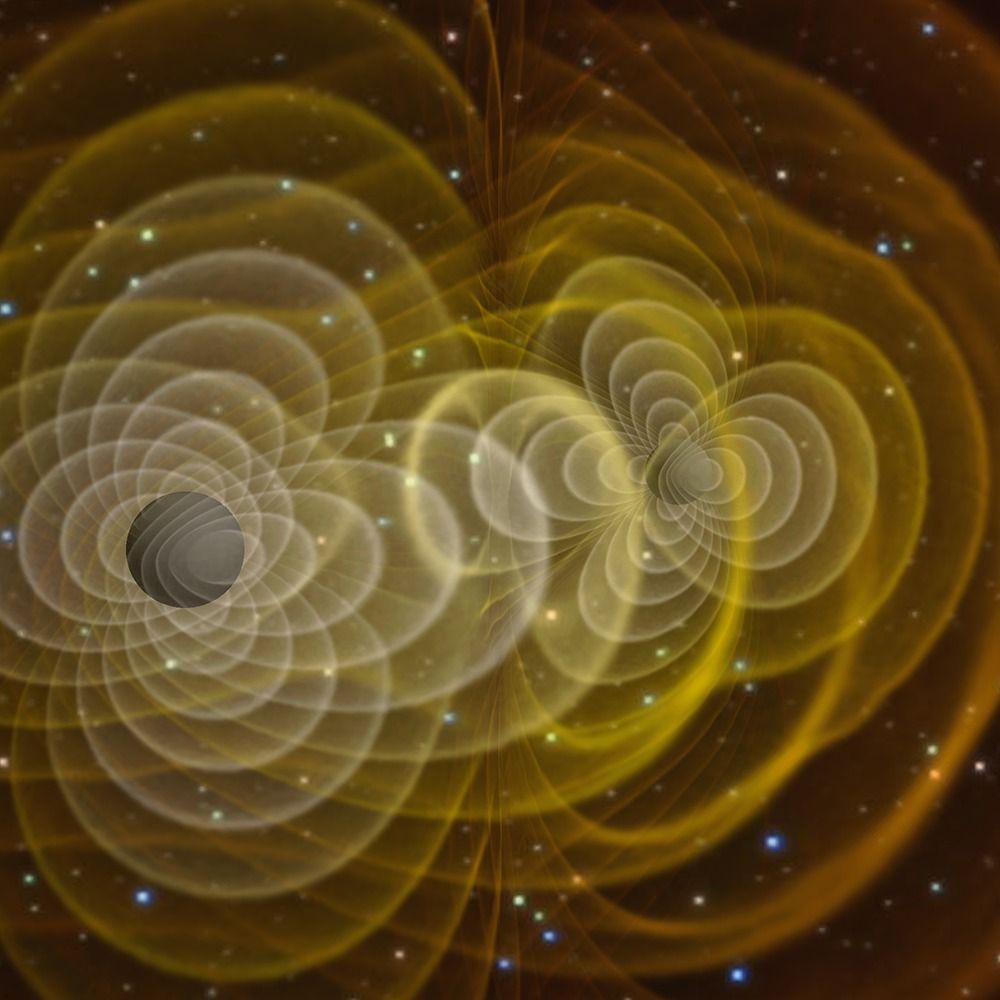
Studying such celestial phenomena helps astrophysicists test the fundamental laws of physics, Krawczynski said.

The science stories likely to make headlines in 2019

Scientists in Europe and the United States face an uncertain political landscape in the new year, which could affect funding and collaborations. The threat is most acute in the United Kingdom, which plans to exit the European Union in March but has not settled on the terms of its departure. Some big research findings could share the headlines, however, including the first clear images of the supermassive black hole at the heart of our galaxy, from astronomers in an international collaboration called the Event Horizon Telescope. Science’s news staff forecasts other areas of research and policy likely to make news this year.


Science’s news editors and writers predict this year’s biggest developments.

The 17th-Century Astronomer Who Made the First Atlas of the Moon

In the rare books collection of the Huntington Library in San Marino, California, a large tome tied with string sits in an ivory box that looks like it came from a bakery. At one point, the book belonged to Edwin Hubble, who revealed that galaxies exist beyond our own and that the universe is expanding, among other things, at nearby Mount Wilson Observatory. Between the well-worn leather cover boards, I find some of the first detailed maps of the lunar surface, illustrated and engraved in the 17th century. As I delicately place the volume back in the box, the covers leave a light brown residue on my fingertips—a small remnant of one man’s quest to tame the moon.

The book, titled Selenographia, was created by perhaps the most innovative Polish astronomer since Copernicus. But Johannes Hevelius, as we call him in the English-speaking world, has been somewhat more forgotten among history’s great scientists. Selenographia was the first book of lunar maps and diagrams, extensively covering the moon’s various phases. More than 300 years before humans stepped onto the moon’s surface, Hevelius was documenting every crater, slope and valley that he could see with his telescope. He conducted these observations, as well as others for a comprehensive star catalog, using his own equipment in a homemade rooftop observatory.

Published in 1647, Selenographia made Hevelius a celebrity of sorts. The Italian astronomer Niccolo Zucchi even showed a copy of the book to the pope. Of course, like Copernicus before him, Hevelius believed that that the Earth orbited the sun. And according to Johannes Hevelius and His Catalog of Stars, published by Brigham Young University Press, Pope Pius IX said Selenographia “would be a book without parallel, had it not been written by a heretic.”

/* */