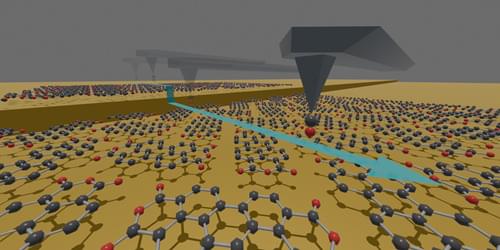
A new atomic force microscope captures the structures of individual molecules and their chemical bonds at record speeds.
Fusion at high temperatures powers the sun and, if harnessed, could provide a potential source of energy here on Earth. But controlling fusion reactions has other benefits. The process also generates subatomic particles called neutrons that are used in a range of applications spanning medicine, research and national security.
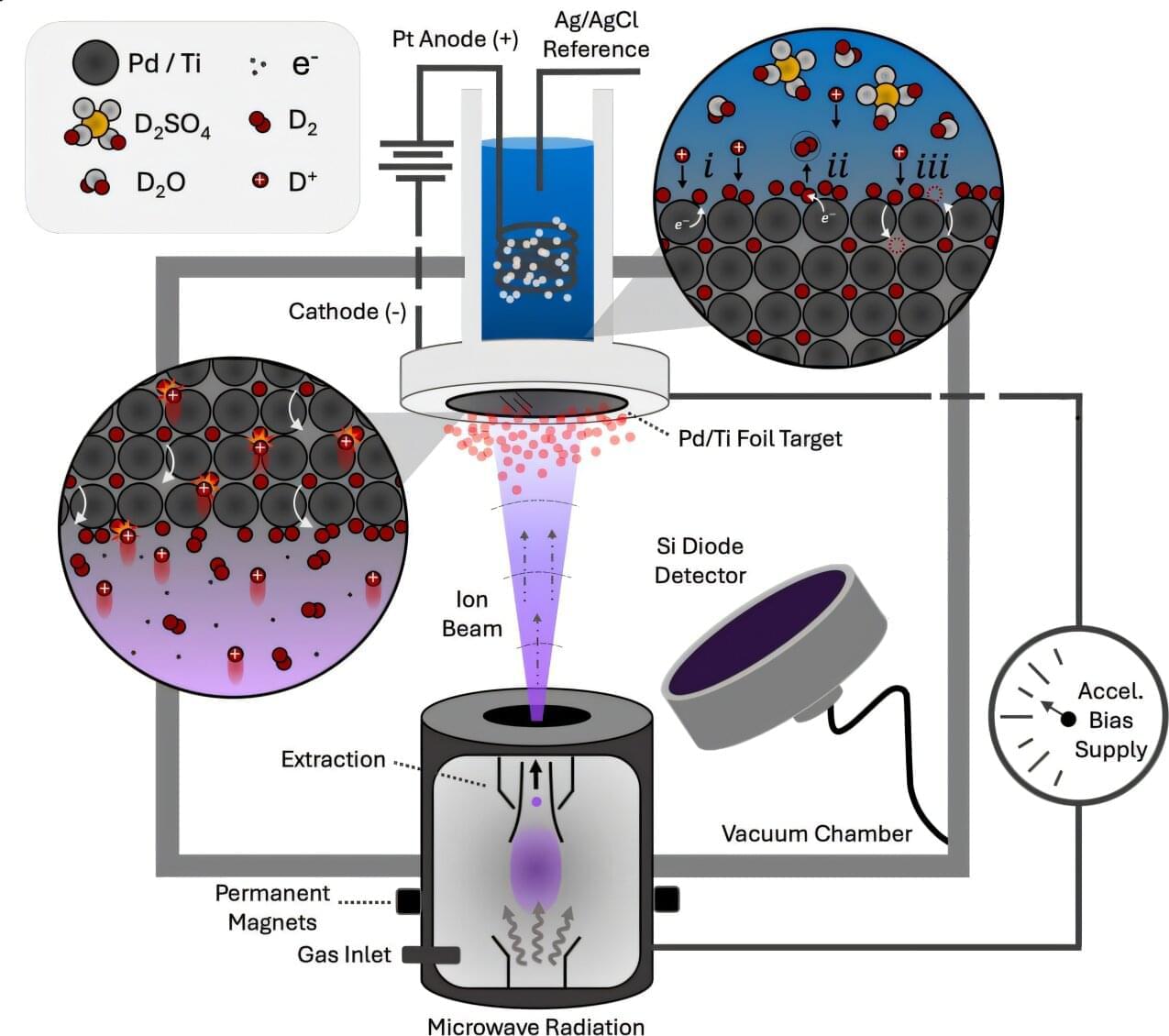
Scientists at the University of California, Davis, and the Department of Energy’s Lawrence Berkeley National Laboratory (Berkeley Lab) have found that the materials surrounding a fusion reaction can dramatically increase how often it occurs, particularly at low energies where fusion is rare. Their study is published in Nature Communications. The study’s first author is Micah Karahadian, a doctoral candidate in Munday’s lab at UC Davis.
Their approach establishes a way to study and engineer nuclear reactions within solid materials, opening a new field of “materials-driven fusion.” Instead of designing materials just to survive the harsh conditions of fusion, researchers might be able to design materials that boost the reaction under specific conditions, similar to the way catalysts speed up chemical processes.

A native of the Rocky Mountains, the beetle now occurs across the Northern Hemisphere, causing more than half a billion dollars of crop losses each year. It’s a master of resistance, making it hard to control. The pest was an early driver of research into chemical pesticides starting in the 1930s. Ever since, it has evolved immunity to one compound after another—now more than 50 pesticides, representing all major types of active ingredients.
“They were chewing through treated plants like it was nothing,” Andrei Alyokhin, an entomologist at the University of Maine, says of the moment, in 2001, when farmers in Maine noticed that a still-new class of pesticides, neonicotinoids, were no longer controlling the beetle. Finding additional tools has been “increasingly difficult,” he adds.
This year, however, U.S. farmers will have a new weapon against the pest, one that works in an entirely different way from traditional pesticides and that proponents say should be safer for people and the environment. Based on a mechanism called RNA interference (RNAi), the spray targets a vital gene in the Colorado potato beetle. The gene target is unique to the pest and its close relatives, which should prevent damage to pollinators and other species. “You can … hit the insect you want to kill with precision,” says Subba Reddy Palli, an entomologist at the University of Kentucky who published a review last year in Frontiers in Insect Science describing the development of RNA-based pesticides. “You cannot get anything better than this.”
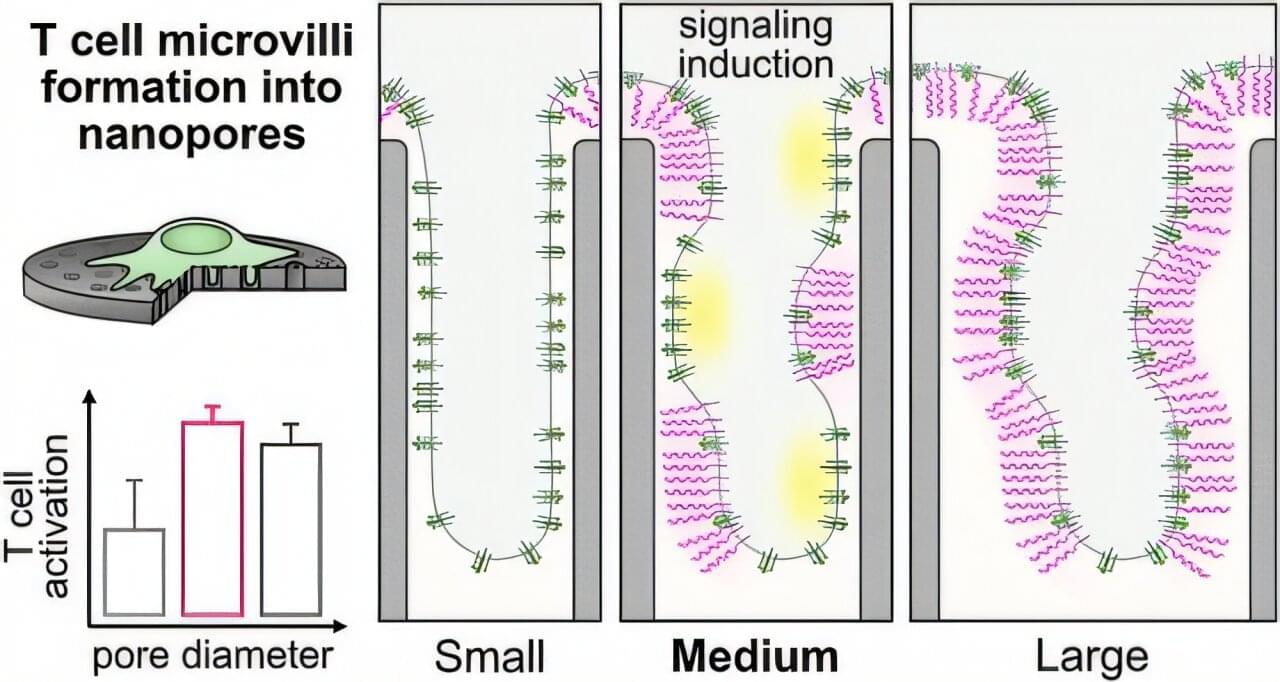
Immune cells protect and heal the human body. In medicine, they are specifically activated through biochemical reactions to treat certain diseases. Researchers at the Helmholtz-Zentrum Hereon, ETH Zurich, Humboldt University of Berlin, Charité Berlin and Inselspital Bern have now discovered that immune cells also respond to the surface structure of materials —without chemistry.
This finding opens up new possibilities for effective cancer and immunotherapies as well as implantology. The study is published in the journal ACS Nano.
T cells are important defense cells of the human immune system. They travel through the body, constantly scanning their environment like tiny sensors. On their surface, they have tiny protrusions with receptors—called microvilli—that allow them to identify harmful pathogens such as bacteria and viruses, foreign substances or even altered cells of the body’s own tissues.
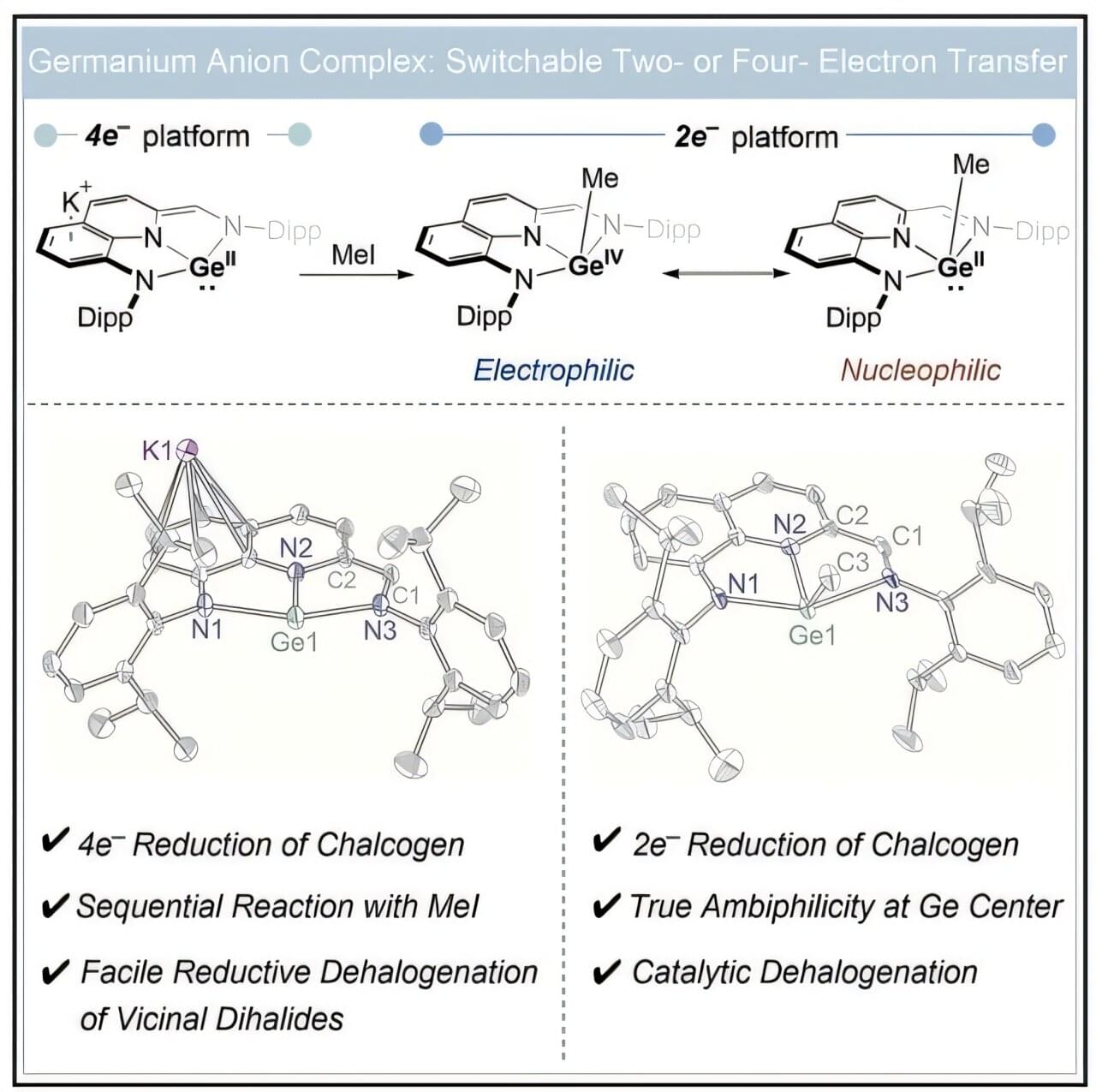
Controlling how oxygen reacts is important for improving technologies such as batteries, fuel cells and environmentally sustainable chemical processes. A research team led by professor Seung Jun Hwang from KAIST’s Department of Chemistry has developed a molecular system capable of directing oxygen activation along a selected electron-transfer pathway.
By combining germanium with a molecular framework that can store and transfer electrons, the team established a design principle for selectively switching oxygen activation between two-and four-electron pathways. The results were published in Chem.

Researchers have developed a reversible, vapor-controlled system capable of toggling the physical and optical traits of advanced fluids on demand.
Led by Nagoya University and Kyoto University in Japan, the study demonstrates a method to control the optical and physical properties of materials from the molecular level to the macroscopic scale.
At the core of the development is host–guest chemistry. It is a process where two distinct molecules lock together purely through physical forces, completely avoiding permanent chemical bonds.
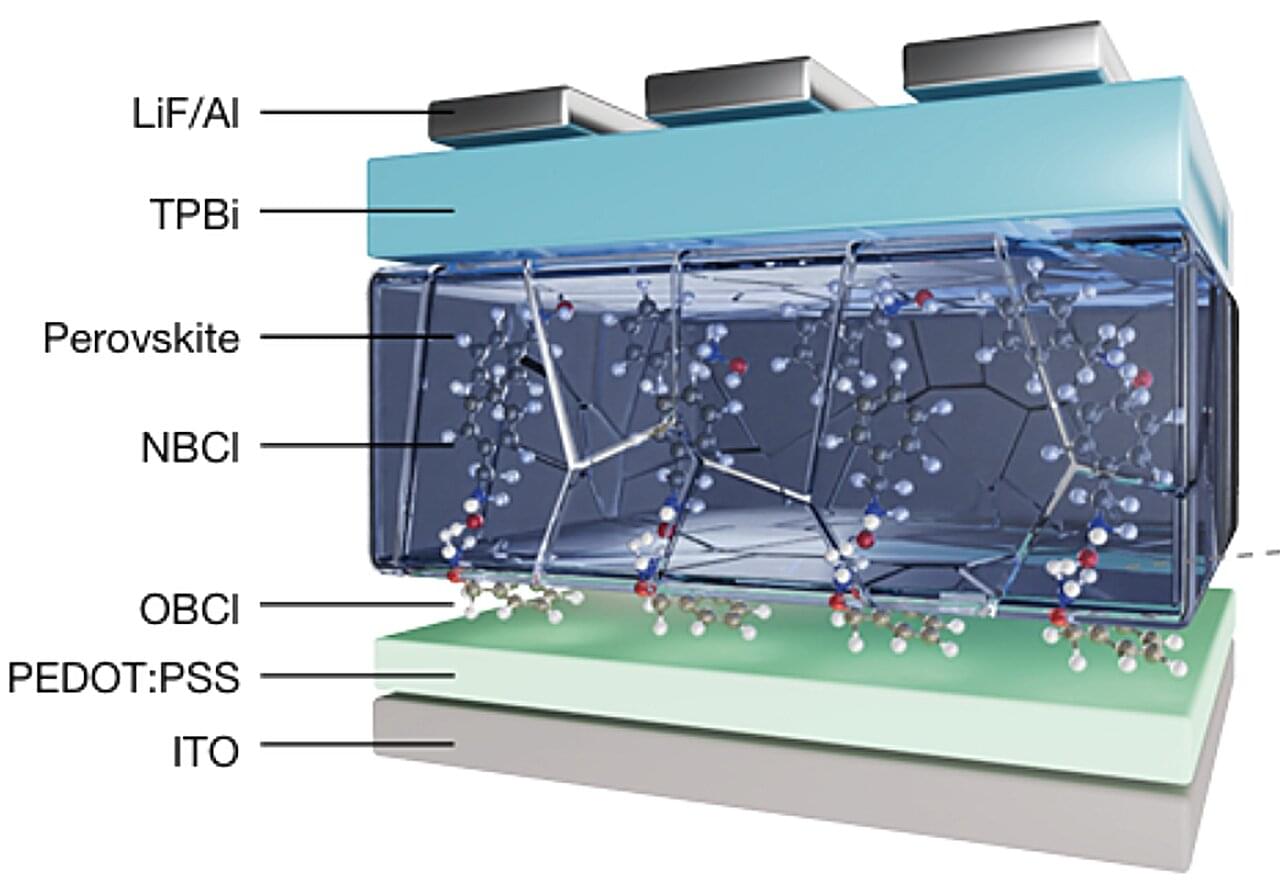
Over the past decade, perovskite LEDs have become increasingly vibrant and affordable to produce. With careful tweaks to their chemical composition, these crystal-based light emitters can be tuned across the visible spectrum—matching and sometimes even beating rival LED materials for producing red and green light. However, blue light has remained a holdout, keeping full-color perovskite displays out of reach.
Through new research published in Nature, a team led by Xuyong Yang at Shanghai University has found a way past this barrier, building perovskite LEDs that emit a vivid, saturated blue while also lasting longer than earlier attempts.
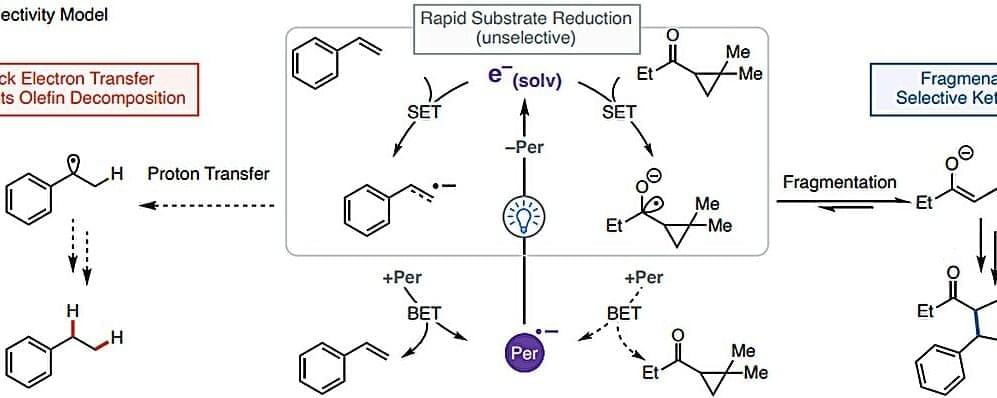
Chemists use single-electron transfers to synthesize complex, ring-shaped molecular structures found in many drug candidates and advanced materials, but current techniques still have limitations. A new study, accepted for publication in Nature, describes a technique that could steer these chemical reactions in ways that were previously limited by the redox potentials of the involved molecules.
Normally, in single-electron transfer (SET) reduction, the molecule that is easiest to reduce—according to its redox potential—grabs available electrons first. This ultimately blocks many useful reactions involving common but hard-to-reduce molecules, including many simple ketones. These ketones are useful in a wide range of applications, from making pharmaceuticals and agrochemicals to creating plastics and industrial solvents. Overcoming the limitations of competition for electrons based on redox potentials has been a goal for researchers looking for ways to streamline the synthesis of these useful chemicals.
Previous approaches to improve selectivity often relied on carefully matching reactants’ reduction potentials. Other methods used close catalyst-substrate interactions to alter selectivity, but these strategies were not broadly compatible with all reactants.
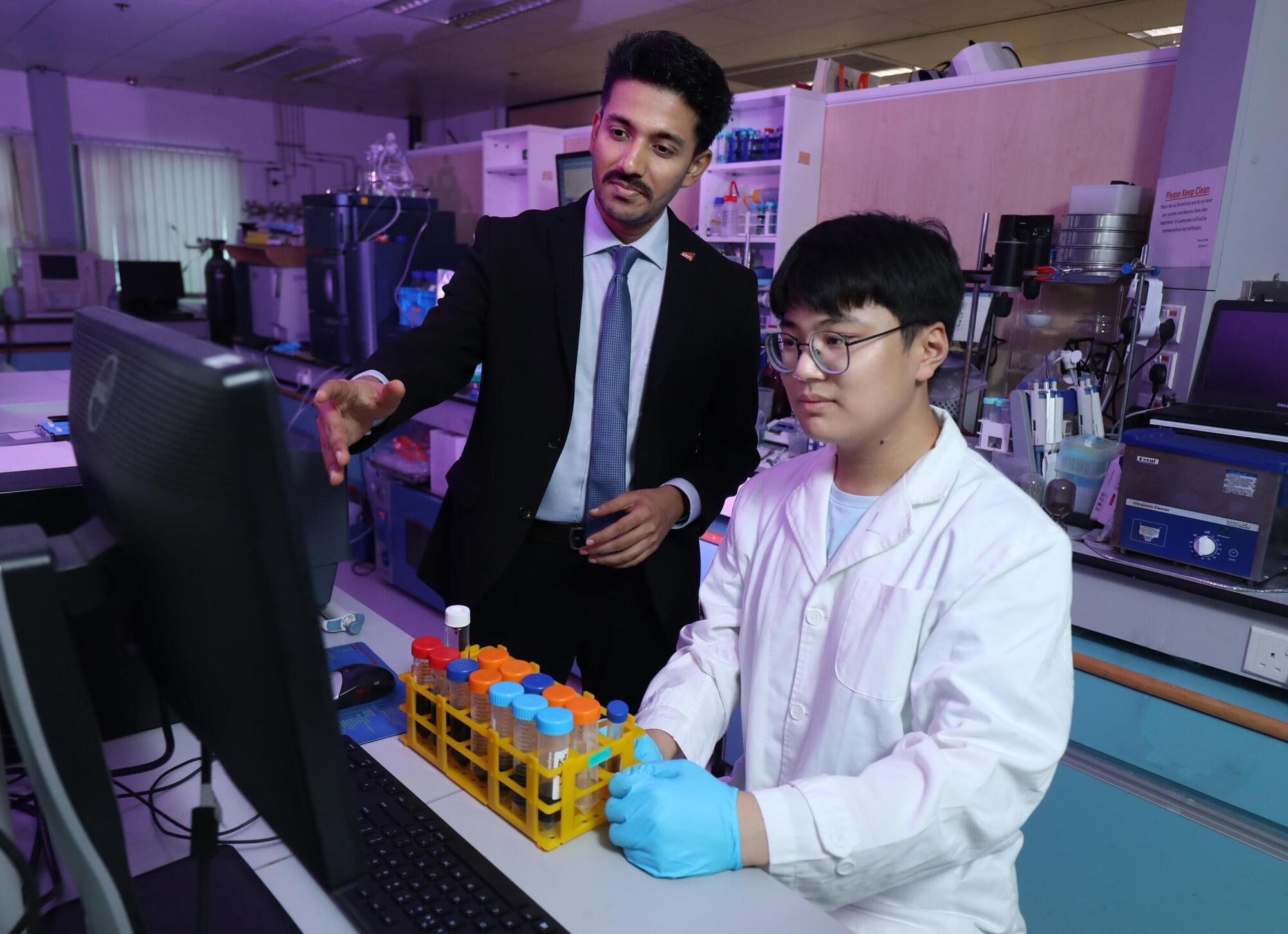
From ocean waves and flowing rivers to the systems used to transport and treat water, vibrations are everywhere. But can vibrations do more than just shake water? Can they split water or drive the production of useful chemicals from water? A research team led by Professor Sai Kishore Ravi from the School of Energy and Environment (SEE) at City University of Hong Kong (CityUHK) has successfully demonstrated how mechanical vibrations can be harnessed to drive the production of useful chemicals from water.
The team showcased these breakthroughs in two recent studies: one on vibration-driven hydrogen peroxide generation, published in Nature Communications under the title “Bulk polarization field and interfacial electron sink in MXene-modified iodine-doped Bi4Ti3O12 enhance piezocatalytic H2O2 generation”; and another on hydrogen production, published in Advanced Energy Materials under the title “Enhanced Lattice Polarization and Directed Charge Transport Toward Pt Surface Sites Accelerate the Volmer Step in Piezocatalytic H2 Evolution on Co-Doped BiFeO3.”
The studies contribute to the emerging field of piezosynthesis, where mechanical deformation in piezoelectric materials generates charges that can be directed to drive redox reactions in water. A key challenge is preventing the loss of these charges through recombination before they reach surface reaction sites.