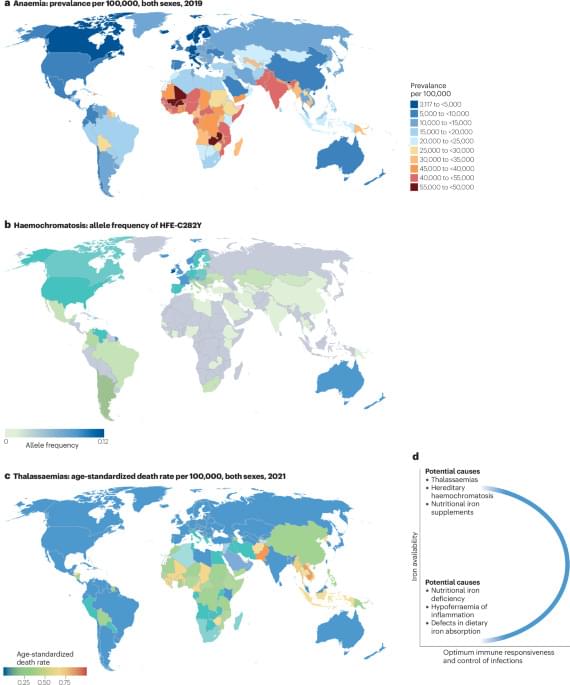
Iron is crucial for cellular metabolism, but its availability varies greatly within and between individuals and populations. This Review highlights how iron regulates innate and adaptive cellular and humoral responses affecting protection against infections, tumours and autoimmunity.
Category: biotech/medical – Page 796
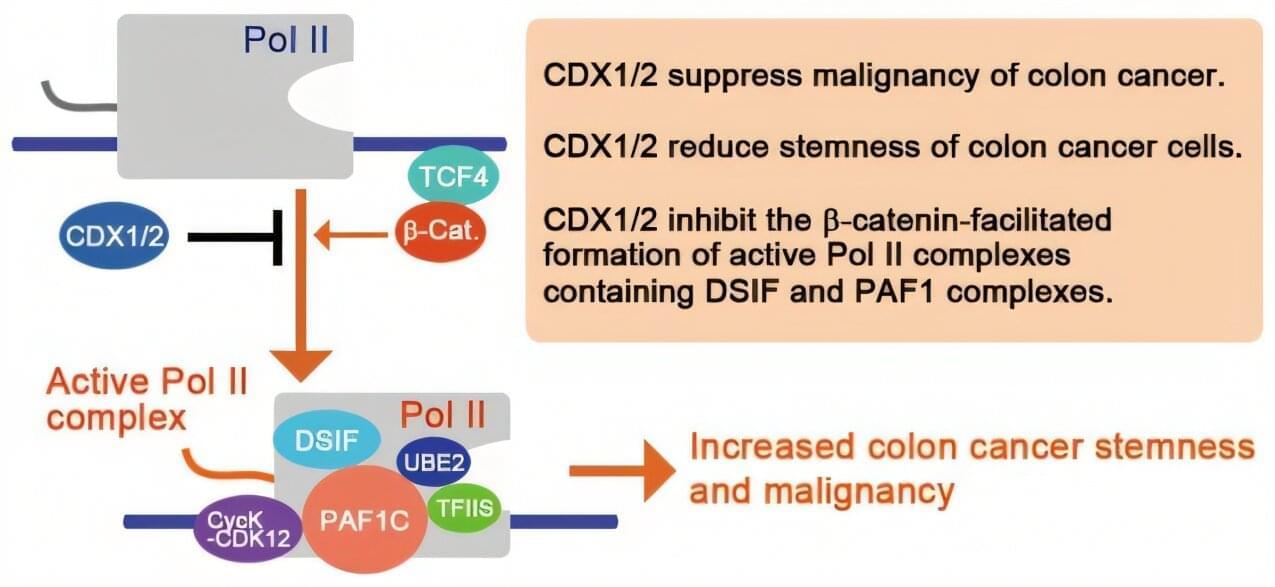
Suppressing tumor cell stemness might help colon cancer management
Colon cancer remains a major global health concern, ranking third among the most diagnosed cancers and the leading cause of cancer-related death worldwide. One critical factor that makes treating colon cancer challenging is the presence of cancer stem cells.
Though typically present in small populations, these powerful cells drive tumor growth, resist standard treatments, and often contribute to relapse. They achieve this through their “stemness,” a set of properties that enable these cells to self-renew and differentiate into other cell types. Thus, understanding how stemness might be controlled at the molecular level is essential for developing effective therapies for colon cancer.
Over the past two decades, researchers have identified several key molecules involved in both the development of the colon and the progression of colon cancer. Among them are CDX1 and CDX2, two homeobox transcription factors that help establish and maintain the identity of intestinal epithelial cells.
Brain Cell Transplant Slows Rare Neurodegenerative Disease
Early research shows replacing brain immune cells slows a rare brain disease, with potential implications for treating Alzheimer’s and other neurodegenerative disorders.

First-in-Human OCT-FLIm Structural-Molecular Imaging for High-Risk Plaque
This diagnostic feasibility study tests whether a novel dual-modal intracoronary imaging technique is a clinically feasible and safe diagnostic tool for identifying high-risk plaques in patients with coronary artery disease.
Scientists develop rapid, cell-free platform for assembling Nipah virus vaccine prototypes
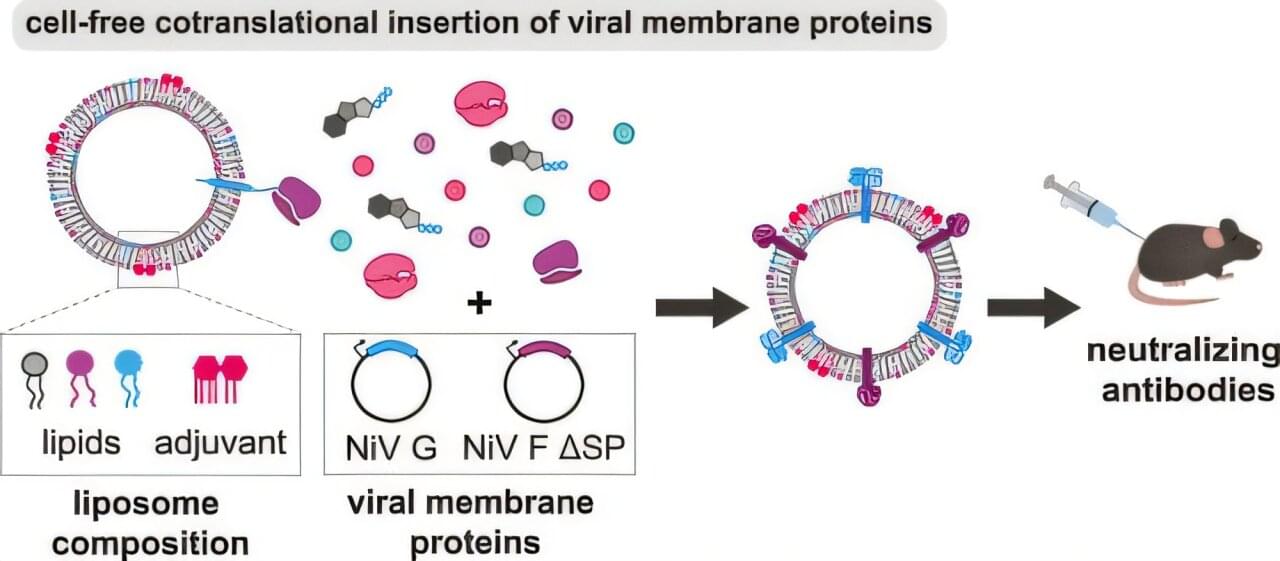
Researchers from Cornell and Northwestern universities have developed a rapid, cell-free method for building nanoparticle vaccines that mimic viruses at the molecular level, offering a powerful new tool for responding to emerging pandemics.
By producing and folding full-length viral membrane proteins directly into synthetic lipid bubbles called liposomes, the technique creates vaccine candidates in hours, rather than weeks or months, and could pave the way for faster, more adaptable immunization strategies against deadly viruses like Nipah.
The research, presented in the paper “Cell-Free Expression of Nipah Virus Transmembrane Proteins for Proteoliposome Vaccine Design,” was published in the journal ACS Nano.
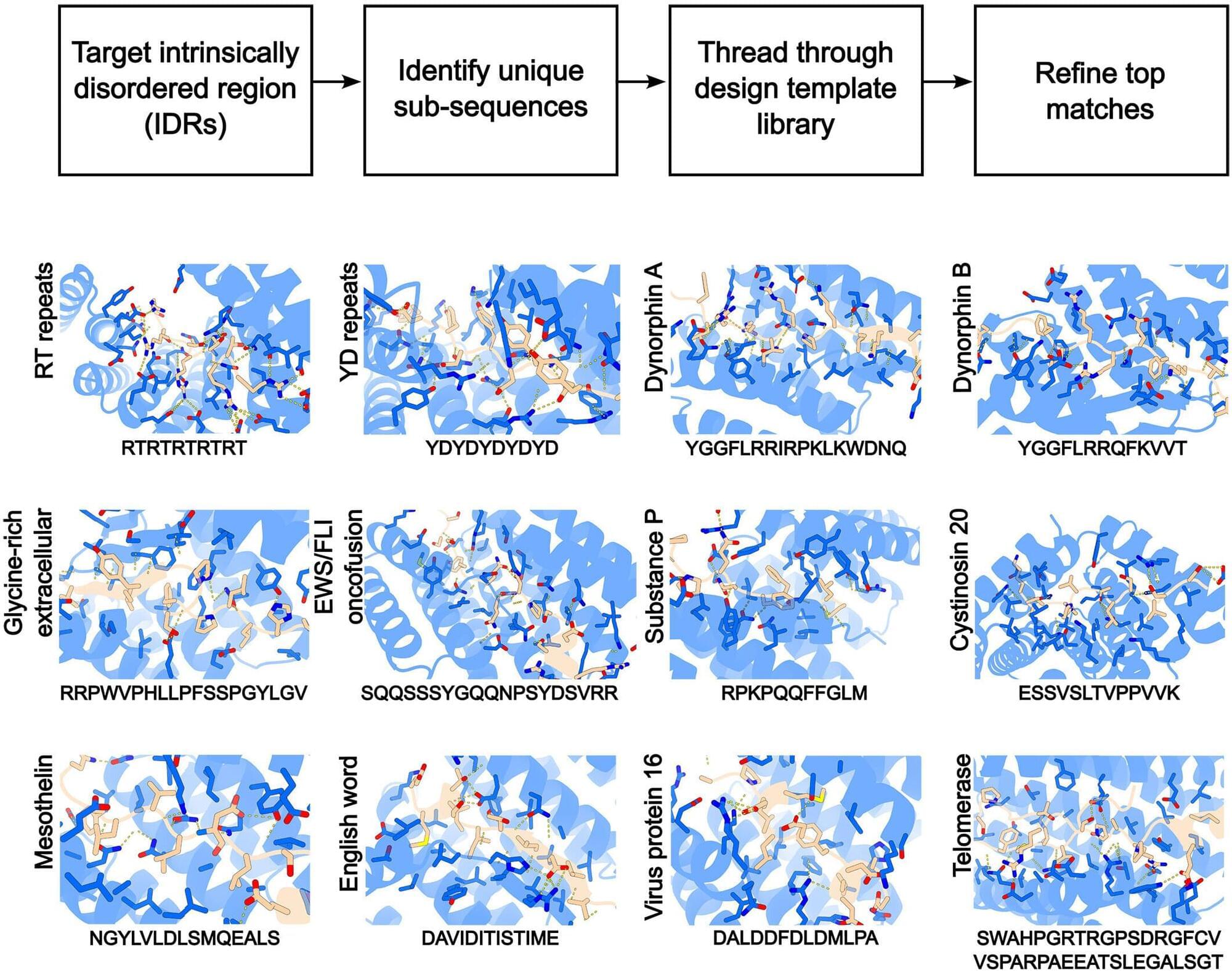
Novel method of targeting disordered proteins could herald a new era for medicine
Scientists have discovered a new way to advance drug discovery and diagnostics by targeting a part of the proteome (the complete set of proteins in an organism) that was previously thought inaccessible to drug development, often referred to as “undruggable” targets.

Music vs. Medication: Surprising Results from Dementia Ward Study
A new NHS study found that music therapy can be more effective than medication in soothing dementia patients in some cases, offering a gentler, more human approach to care.

MIT’s Tiny New Device Could Save Diabetics From Deadly Blood Sugar Crashes
The new implant contains a reservoir of glucagon that sits beneath the skin and can be activated in an emergency, with no need for injections. For individuals with Type 1 diabetes, the risk of hypoglycemia, dangerously low blood sugar, is a constant concern. When glucose levels drop too far, the

New tool predicts cardiovascular disease risk more accurately
A new risk prediction tool developed by the American Heart Association (AHA) estimated cardiovascular disease (CVD) risk in a diverse patient cohort more accurately than current models, according to a recent study published in Nature Medicine.
The tool, called the Predicting Risk of Cardiovascular Disease EVENTs (PREVENT) equations which was developed in 2023, could help health care providers more accurately identify patients who have higher CVD risk and enhance preventive care efforts, according to Sadiya Khan, the Magerstadt Professor of Cardiovascular Epidemiology and co-first author of the study.
“Evaluating the new PREVENT equations in a diverse sample of patients is critical to provide primary care providers and cardiologists with further assurance that they can utilize these equations to accurately predict patients’ CVD risk, particularly in vulnerable populations,” said Khan, who is also an associate professor of Medical Social Sciences in the Division of Determinants of Health and of Preventive Medicine in the Division of Epidemiology.
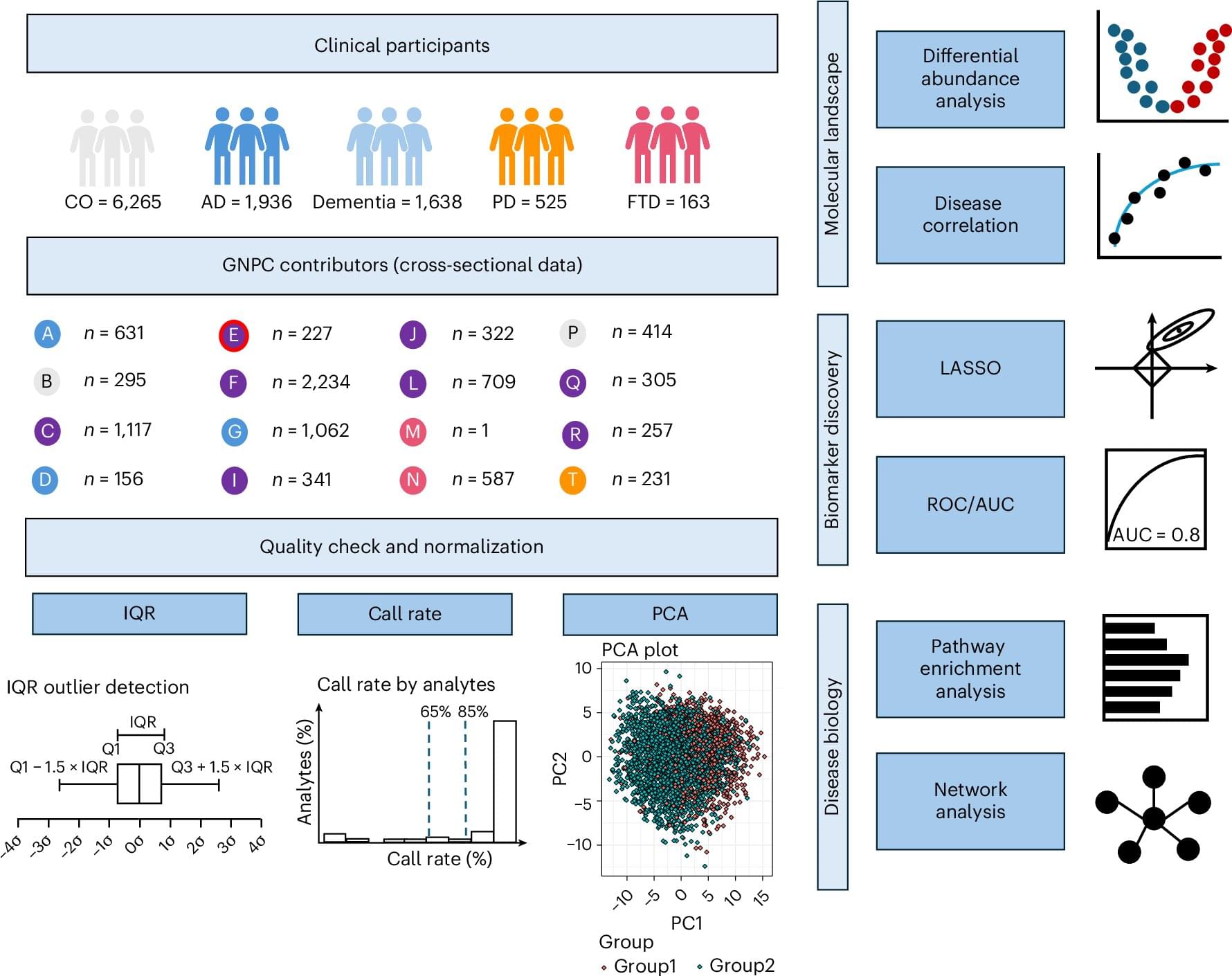
Blood plasma reveals shared pathways in neurodegenerative diseases
Scientists know that many proteins and pathways are involved in the development and progression of neurodegenerative conditions such as Alzheimer’s disease, Parkinson’s disease and frontotemporal dementia (FTD), and that these proteins can be detected in the plasma of people with the conditions.
But it hasn’t been clear exactly which proteins are distinct to one disease vs. shared among two or more of them, adding to the difficulty both of diagnosing these complex diseases from blood samples and of developing effective treatments.
A new study by Washington University School of Medicine in St. Louis researchers, published in Nature Medicine, provides some answers. Led by Carlos Cruchaga, the Barbara Burton & Reuben Morriss III Professor in the Department of Psychiatry and director of the NeuroGenomics and Informatics Center at WashU Medicine, the researchers analyzed protein activity in more than 10,500 blood plasma samples from patients with Alzheimer’s disease, Parkinson’s disease or FTD.